Table of Contents
- Why Natural Pain Relief Matters for Women’s Health
- Natural Remedies for Menstrual Cramps and Period Pain
- Acupuncture for Hormonal Balance and Pain Management
- Benefits of Red Light Therapy for Inflammation
- Mind-Body Techniques for Stress Reduction and Pain Relief
- Dietary and Nutritional Approaches to Managing Pain
- Essential Oils and Aromatherapy for Pain Management
- Safety Considerations and Drug-Herb Interactions
Last Updated: August 22, 2026
Why Natural Pain Relief Matters for Women’s Health
Women experience pain differently than men. Hormonal fluctuations, reproductive health cycles, and unique anatomical factors create pain patterns that standard medical approaches sometimes overlook. Many women seeking natural pain relief for women’s health discover that conventional treatments either don’t address the root cause or come with side effects that don’t align with their wellness goals.
The challenge isn’t finding a solution, it’s finding one that works with your body rather than against it. Natural approaches to pain management have gained attention precisely because they address not just the symptom, but the underlying imbalances driving it. Whether you’re managing menstrual cramps, hormonal-related discomfort, or general inflammation, understanding your options helps you to make informed choices about your care.
At Source Acupuncture, we provide personalized care for stress, hormones, and immune support. What we’ve learned is that effective pain relief can combine multiple modalities, physical techniques, stress reduction, and targeted therapies, tailored to your specific needs and life stage.
Natural Remedies for Menstrual Cramps and Period Pain
Menstrual cramps affect most women at some point, ranging from mild discomfort to debilitating pain that disrupts daily life. The underlying cause involves uterine muscle contractions triggered by prostaglandins, hormone-like substances that intensify during menstruation (peer-reviewed research). Natural remedies for menstrual cramps work by reducing inflammation, relaxing muscles, or balancing the hormonal signals driving the pain.
Herbal Supplements and Anti-Inflammatory Options
Several herbs have been used traditionally to address menstrual discomfort and are now gaining research attention for their anti-inflammatory properties. Ginger is among the most studied, women report meaningful relief when taken consistently during their menstrual cycle. Turmeric, another potent anti-inflammatory, works similarly by reducing the inflammatory cascade that amplifies cramping.
Red raspberry leaf, consumed as a tea or supplement, has a long history in women’s health traditions. Many practitioners recommend starting it in the luteal phase (after ovulation) rather than waiting until pain begins. Vitex (chasteberry) addresses hormonal balance over time, potentially reducing cramping severity across multiple cycles rather than providing immediate relief.
A practical approach: start with one herb and track your response across 2-3 cycles before adding another. Dosage varies by preparation, teas, capsules, and extracts have different concentrations. Consulting with a practitioner familiar with herbal medicine helps you avoid interactions if you’re taking other medications, and ensures you’re using appropriate dosages for your body.
Heat Therapy and Physical Relief
Heat remains one of the most accessible and effective tools for menstrual pain relief. A heating pad applied directly to the lower abdomen relaxes the uterine muscles and increases blood flow to the area, reducing the intensity of cramping. Many women find that 15-20 minutes of heat provides noticeable relief, and the effect can be repeated as needed.
Gentle movement, walking, light stretching, or slow yoga, counterintuitively reduces cramping for many women. The movement increases circulation and triggers endorphin release, your body’s natural pain-relieving chemicals. Lying still often intensifies perception of pain, while gentle activity shifts both the physical condition and your mental state.
Massage of the lower abdomen and lower back, using firm but comfortable pressure, helps relieve tension in the muscles supporting the uterus. Self-massage or partner massage for 5-10 minutes can be as effective as medication for mild to moderate cramping.
Acupuncture for Hormonal Balance and Pain Management
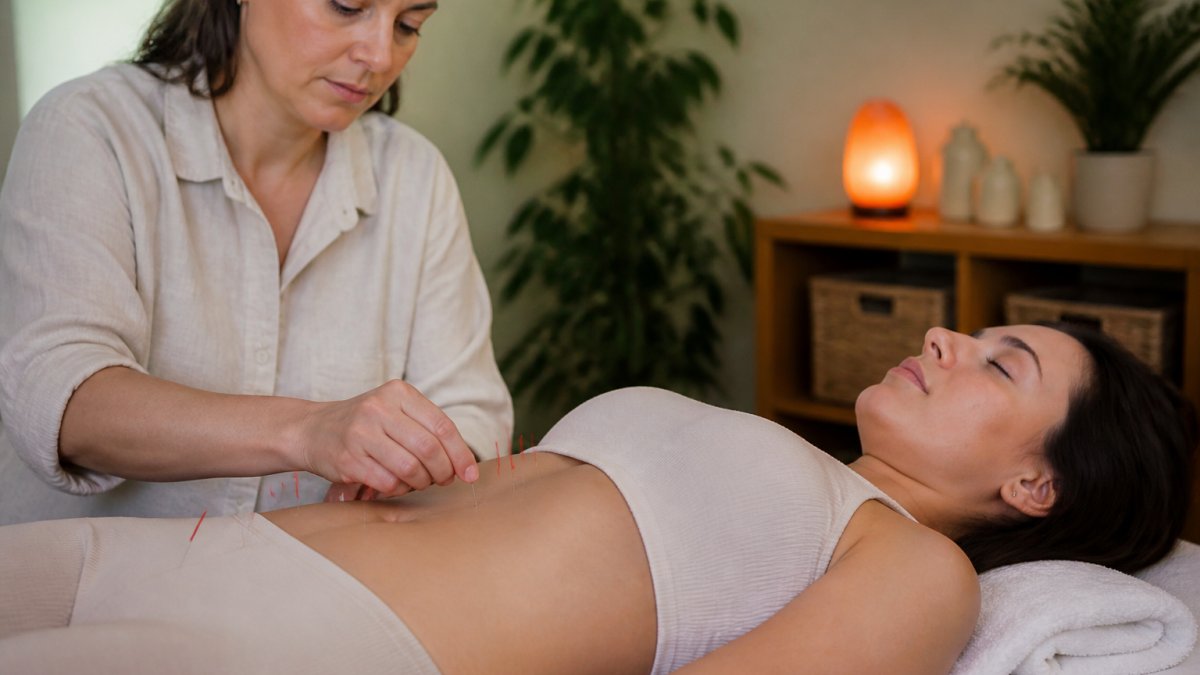
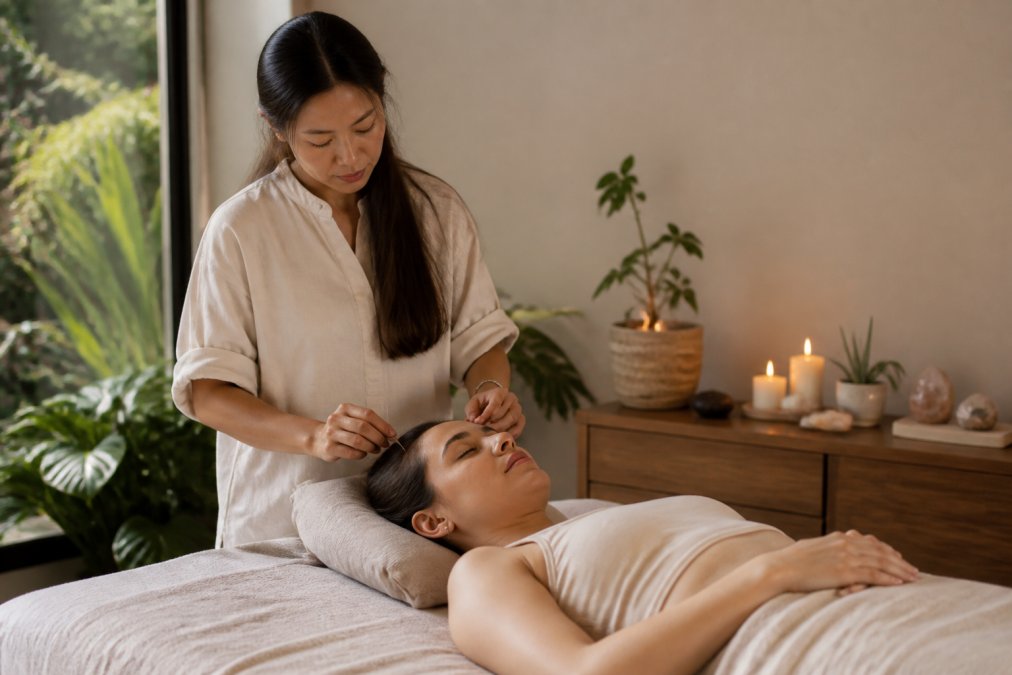
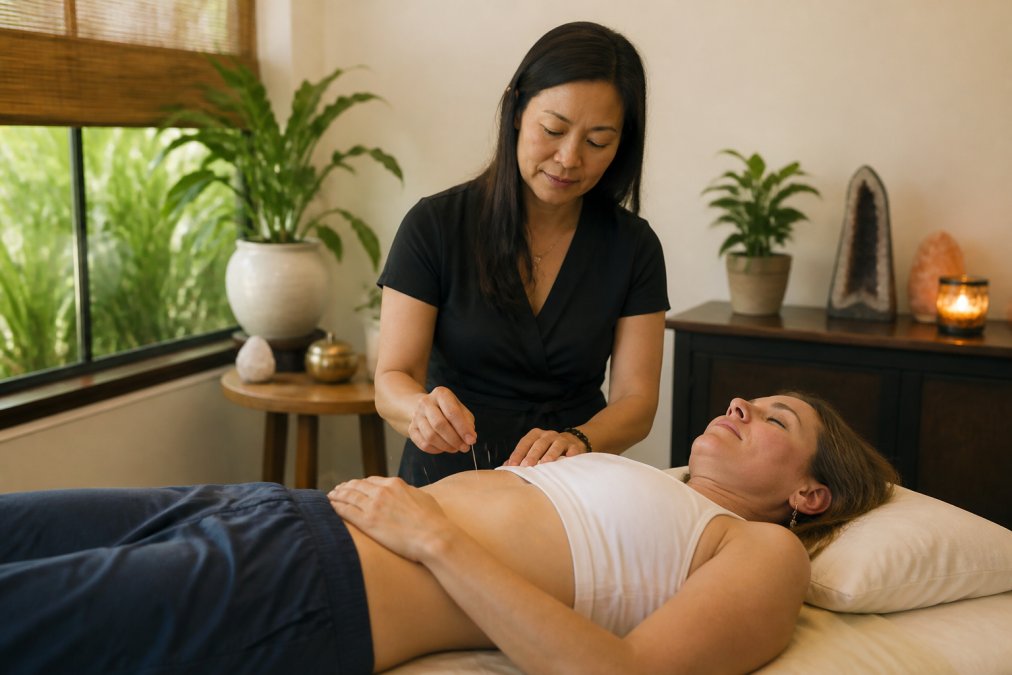
Acupuncture addresses pain through multiple mechanisms: it stimulates endorphin release, reduces inflammatory markers, and regulates the nervous system’s pain perception (peer-reviewed research). For women’s health specifically, acupuncture is valued for its ability to influence hormonal signaling and restore balance to the menstrual cycle itself, not just manage individual episodes of pain.
The practice works by inserting thin needles at specific points that correspond to meridians, energy pathways in traditional Chinese medicine. Modern research shows these points have measurable effects on nerve signaling and blood flow. When applied to acupuncture for hormonal balance and pain management, consistent treatment can shift pain patterns over time rather than just masking symptoms temporarily.
A typical course involves weekly sessions for 4-6 weeks, with adjustments based on your response. Many women notice changes in cycle regularity, cramping severity, and overall energy within this timeframe. Source Acupuncture provides personalized protocols that account for your specific pain pattern, cycle phase, and other health factors.
Schedule acupuncture appointments during your follicular phase (first half of your cycle) for preventive benefit, then increase frequency during your luteal phase if pain tends to spike. This aligns treatment with your body’s natural rhythms.
Benefits of Red Light Therapy for Inflammation
Red light therapy, also called photobiomodulation, uses specific wavelengths of light to penetrate tissue and reduce inflammation at the cellular level. The therapy stimulates mitochondrial function, increasing ATP (energy) production in cells and reducing inflammatory markers. For women managing pain from any source, menstrual, hormonal, or general muscle tension, red light therapy offers a non-invasive complement to other approaches.
The benefits of red light therapy for inflammation extend beyond pain relief. Improved circulation supports tissue healing, enhanced collagen production benefits skin and connective tissue, and reduced oxidative stress supports overall recovery. Sessions typically last 10-20 minutes and can be done weekly or twice weekly depending on your condition.
What makes this therapy particularly valuable for women’s health is its safety profile. Unlike many pharmaceutical interventions, red light therapy has no known contraindications with hormonal medications or supplements, making it stackable with other natural approaches. At Source Acupuncture, red light therapy is often combined with acupuncture or used as a standalone recovery tool for athletes and active individuals managing soreness and inflammation.
Red light therapy works best as part of a consistent protocol rather than a one-time treatment. Most women report noticeable improvement in inflammation and pain after 4-6 sessions spaced one week apart.
Mind-Body Techniques for Stress Reduction and Pain Relief
Chronic stress amplifies pain perception through the nervous system. Elevated cortisol and adrenaline increase muscle tension and inflammatory markers, while stress-induced anxiety can lower your pain threshold. Mind-body techniques interrupt this cycle by activating the parasympathetic nervous system, your body’s "rest and recover" mode, which directly reduces pain signaling.
Breathwork and Guided Imagery
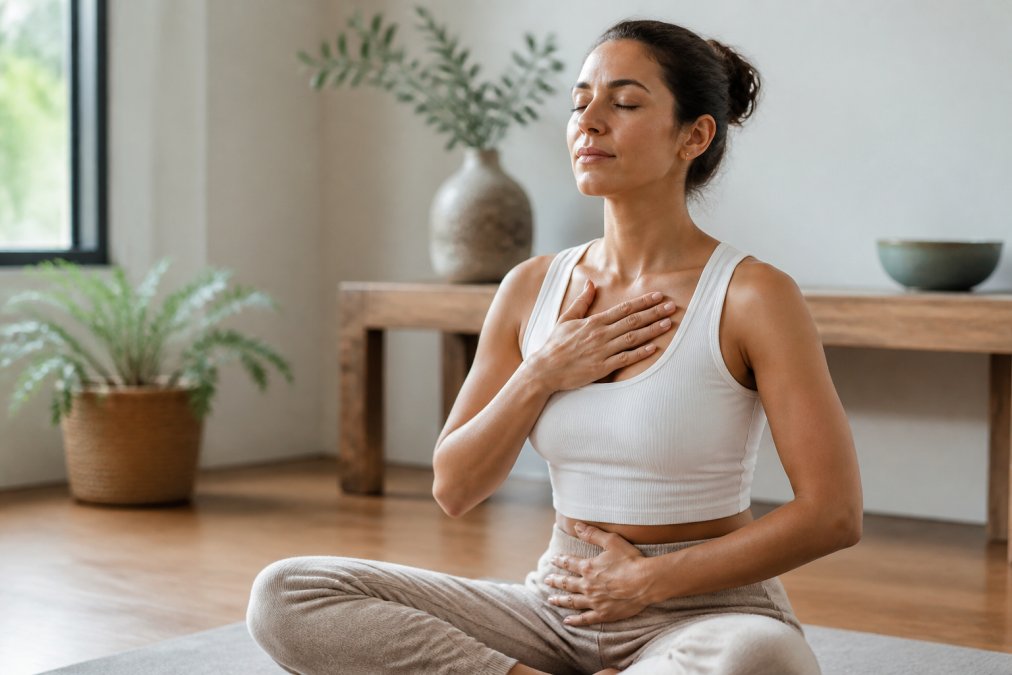
Controlled breathing patterns shift your nervous system state within minutes. Box breathing, inhaling for 4 counts, holding for 4, exhaling for 4, holding for 4, activates the vagus nerve, which controls parasympathetic response. Women experiencing acute pain often find that 2-3 minutes of box breathing reduces intensity noticeably.
Guided imagery involves visualizing a calm, detailed scene while focusing on sensory details, the warmth of sunlight, the sound of water, the texture of sand. This technique works by redirecting attention away from pain signals while simultaneously reducing stress hormones. Audio recordings designed for pain management guide you through the process, making it accessible even when pain is acute.
Both techniques work best when practiced regularly, not just during pain episodes. Daily practice of even 5-10 minutes builds your nervous system’s capacity to stay regulated, reducing baseline pain perception and stress reactivity over time.
Physical Activity and Stretching
Consistent movement is one of the most underutilized pain management tools. Physical activity triggers endorphin release, improves circulation, and reduces inflammation throughout your body. For women managing hormonal pain, movement during your follicular phase (when energy is typically higher) builds resilience that carries into your luteal phase.
Stretching specific to your pain pattern, hip flexors and lower back for menstrual cramps, neck and shoulders for tension headaches, releases chronic muscle tension that amplifies pain signals. Gentle yoga, Pilates, or targeted stretching routines designed for women’s health address both the physical tightness and the stress-related tension that compounds pain.
The key is consistency and gentleness. Aggressive stretching or intense exercise during high-pain phases can backfire. Instead, match intensity to your cycle phase and current pain level, restorative movement during difficult days, more vigorous activity during easier phases.
Dietary and Nutritional Approaches to Managing Pain
What you eat directly influences inflammation and pain perception. Certain foods amplify inflammatory markers and prostaglandins, while others actively reduce them. For women seeking natural pain relief for women’s health through nutrition, strategic dietary choices can meaningfully decrease pain intensity and frequency.
Omega-3 fatty acids from fatty fish, flaxseeds, and walnuts reduce inflammatory markers throughout your body. Many women notice reduced cramping severity when they increase omega-3 intake consistently. Magnesium supports muscle relaxation and is depleted during menstruation, supplementing or increasing magnesium-rich foods like leafy greens, pumpkin seeds, and dark chocolate helps restore this critical mineral.
Calcium and vitamin D work together to regulate neuromuscular function and reduce menstrual pain. Research consistently shows women with adequate vitamin D levels experience less severe cramping (peer-reviewed research). Foods like fortified plant milks, fatty fish, and egg yolks provide both nutrients.
Conversely, foods that amplify inflammation, refined carbohydrates, excess sugar, processed oils high in omega-6, can worsen pain. Reducing these during your luteal phase, when pain sensitivity is typically higher, provides noticeable relief for many women.
Avoid sudden dietary changes during your menstrual phase when energy is low. Plan nutritional adjustments during your follicular phase, then maintain them through your cycle. Consistency matters more than perfection.
Essential Oils and Aromatherapy for Pain Management
Essential oils work through inhalation and topical application, influencing both nervous system state and localized blood flow. Lavender oil, when inhaled, activates the parasympathetic nervous system and reduces pain perception, this is why many women find lavender-scented products helpful during high-pain phases. Peppermint oil, applied topically with a carrier oil to the lower abdomen or lower back, creates a cooling sensation and improves circulation to cramping muscles.
Frankincense oil has been used traditionally for inflammation and is gaining attention in modern wellness for its anti-inflammatory properties. Roman chamomile, whether inhaled or applied topically, supports nervous system calm and muscle relaxation.
Practical application: use a diffuser during the day for inhalation benefits, and create a massage blend by mixing 2-3 drops of essential oil with a carrier oil (coconut, jojoba, or almond oil) for topical use. Quality matters, pure, therapeutic-grade oils are more effective than synthetic fragrances.
Safety Considerations and Drug-Herb Interactions
Natural doesn’t automatically mean safe or compatible with your current health situation. Certain herbs interact with medications, and some approaches aren’t appropriate for specific conditions. Understanding these interactions prevents unintended consequences and ensures your natural pain relief strategy actually supports your health.
Ginger and turmeric, while generally safe, can increase bleeding risk if you’re taking blood thinners, discuss with your healthcare provider before adding them. St. John’s Wort, sometimes recommended for mood support alongside pain management, interferes with hormonal contraceptives, reducing their effectiveness. Vitex can shift hormone levels in ways that conflict with hormonal medications.
Essential oils, while aromatic and pleasant, are concentrated plant compounds. Ingesting them without professional guidance is risky. Topical application requires dilution, applying undiluted essential oils can irritate skin. During pregnancy, certain oils and herbs should be avoided entirely, and during breastfeeding, what you consume affects your infant.
The safest approach: work with a practitioner trained in both conventional medicine and natural approaches. At Source Acupuncture, our licensed practitioners take a comprehensive history that includes all medications, supplements, and health conditions to ensure recommendations are safe and effective for your unique situation. This personalized care is what separates effective natural pain relief for women’s health from generic advice.
Before starting any new supplement or herbal remedy, verify compatibility with your current medications and health status. Your primary care doctor or a clinical herbalist can provide this guidance quickly. The investment in professional input prevents interactions and ensures you’re using the right tools for your specific needs.
Managing pain naturally requires understanding what’s driving it, then addressing that root cause rather than just masking symptoms. Whether through herbal support, physical techniques like heat and movement, mind-body practices, nutritional shifts, or therapies like acupuncture and red light therapy, effective pain relief combines multiple approaches tailored to your body and life stage.
Source Acupuncture specializes in this integrated approach. Our practitioners assess your complete health picture, your cycle patterns, stress levels, movement capacity, and other factors, to design a personalized protocol that actually works for your specific pain pattern. With our flexible wellness membership program, consistent care becomes accessible, making it easy to prioritize the regular treatment that produces lasting results. Book a session to explore how natural pain relief can become part of your sustainable wellness routine.
Frequently Asked Questions
What are the most effective natural remedies for menstrual cramps?
Ginger and turmeric are two of the most researched herbal options for managing menstrual cramps. Heat therapy applied directly to the lower abdomen is also highly effective for many women. Physical activity like gentle stretching or walking can increase endorphin production, which naturally reduces pain perception. Combining these approaches, such as using a heat source while practicing breathwork, often produces better results than any single method alone. Always consult a healthcare provider before starting new supplements, especially if you take other medications.
How does acupuncture for hormonal balance help with pain relief?
Acupuncture works by stimulating specific points on the body to regulate the nervous system and reduce inflammation. For hormonal-related pain, acupuncture can help balance the body's natural hormone production cycles, which may reduce the severity of menstrual cramps and other cyclical discomfort. Research suggests acupuncture increases endorphin release and improves blood circulation, both of which support pain relief. Results vary by individual, and a qualified practitioner will assess your specific symptoms to create a targeted treatment plan. Consistency with treatment typically yields better outcomes than occasional sessions.
Are there natural ways to manage chronic pain without medication?
Yes, several evidence-based natural approaches can help manage chronic pain. These include heat and cold therapy, herbal remedies like ginger and turmeric, acupuncture, red light therapy, mind-body techniques such as guided imagery and breathwork, and regular physical activity. A holistic approach that combines multiple methods often works better than relying on a single remedy. Stress reduction is also important because chronic stress amplifies pain perception. Working with a healthcare provider or integrative practitioner ensures your approach is safe and tailored to your specific condition.
What safety precautions should I take when using herbal supplements for pain?
Before starting any herbal supplement, check for potential contraindications with medications you currently take. Some herbs like ginger can interact with blood thinners, while turmeric may interact with diabetes medications. Dosage matters, higher amounts don't always mean better results and can increase the risk of side effects. Purchase supplements from reputable sources that verify purity and potency. Always inform your doctor or healthcare provider about any supplements you're considering. If you're pregnant, nursing, or have a serious health condition, consult a qualified professional before using herbal remedies for pain management.
This article was written using GrandRanker