Table of Contents
- Acupuncture vs Physical Therapy: Side-by-Side Comparison
- How Acupuncture Works for Chronic Back Pain
- Physical Therapy Exercises for Back Pain and Functional Recovery
- How Long Does Acupuncture Take to Work
- Insurance Coverage for Acupuncture and Physical Therapy
- Combining Both Treatments for Synergistic Pain Relief
- Which Treatment Should You Choose
- Conclusion
Last Updated: August 14, 2026
Acupuncture vs Physical Therapy: Side-by-Side Comparison
Choosing between acupuncture vs physical therapy for chronic back pain isn’t straightforward. Both approaches address pain through different mechanisms, and what works best depends on your condition, timeline, and how your body responds to treatment. At Source Acupuncture, we work with patients who’ve tried one approach, both approaches, or neither, and we’ve learned that the decision often comes down to understanding what each method actually does and when to use them together.
The reality is that chronic low back pain affects millions of people, and the standard treatment pathway has shifted. Rather than jumping straight to medication or surgery, many practitioners now recommend starting with either acupuncture or physical therapy, or combining both for faster results. The key is knowing which one addresses your specific pain pattern first.
How Acupuncture Works for Chronic Back Pain
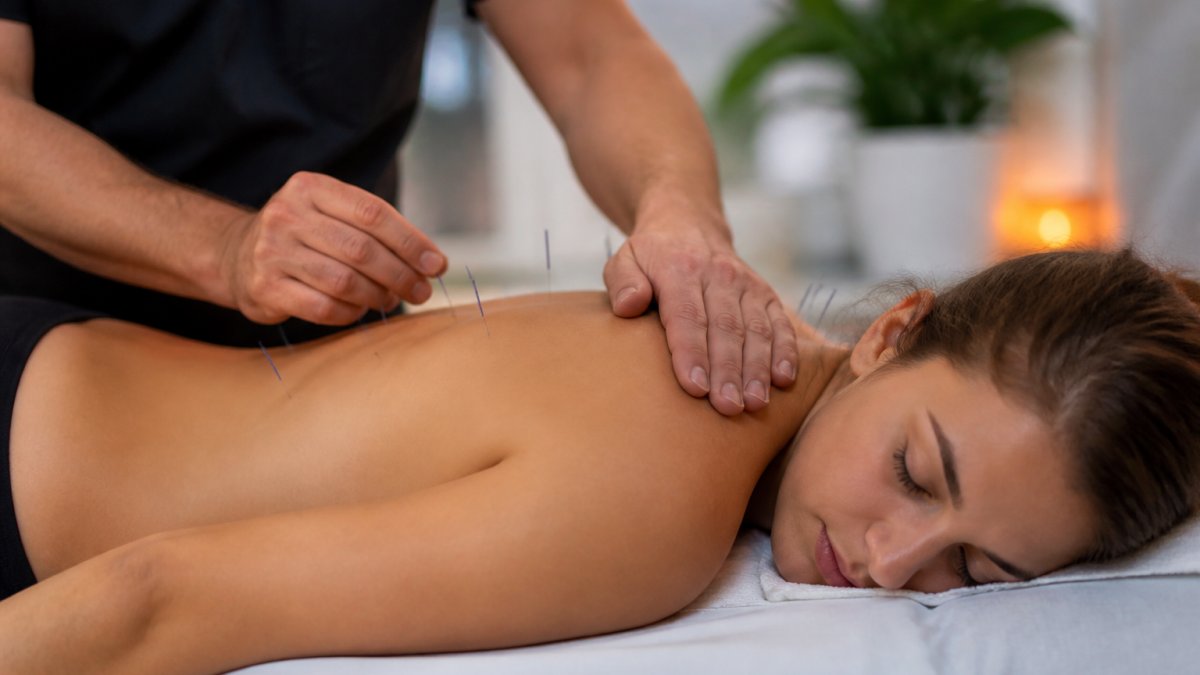
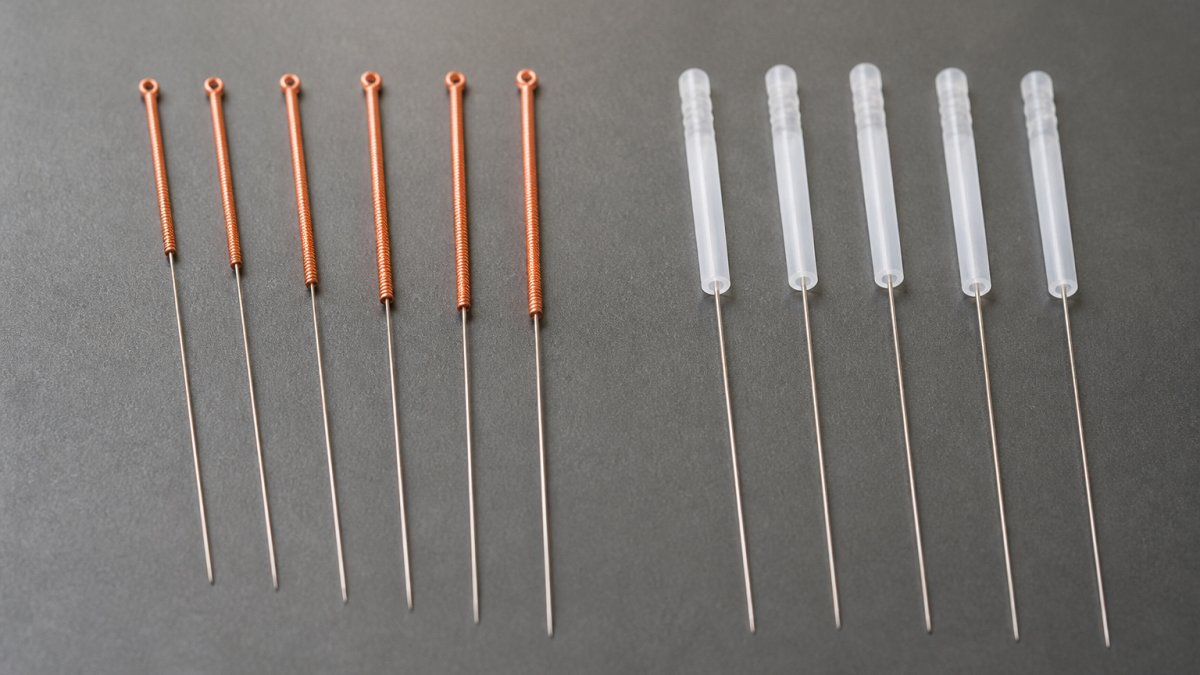
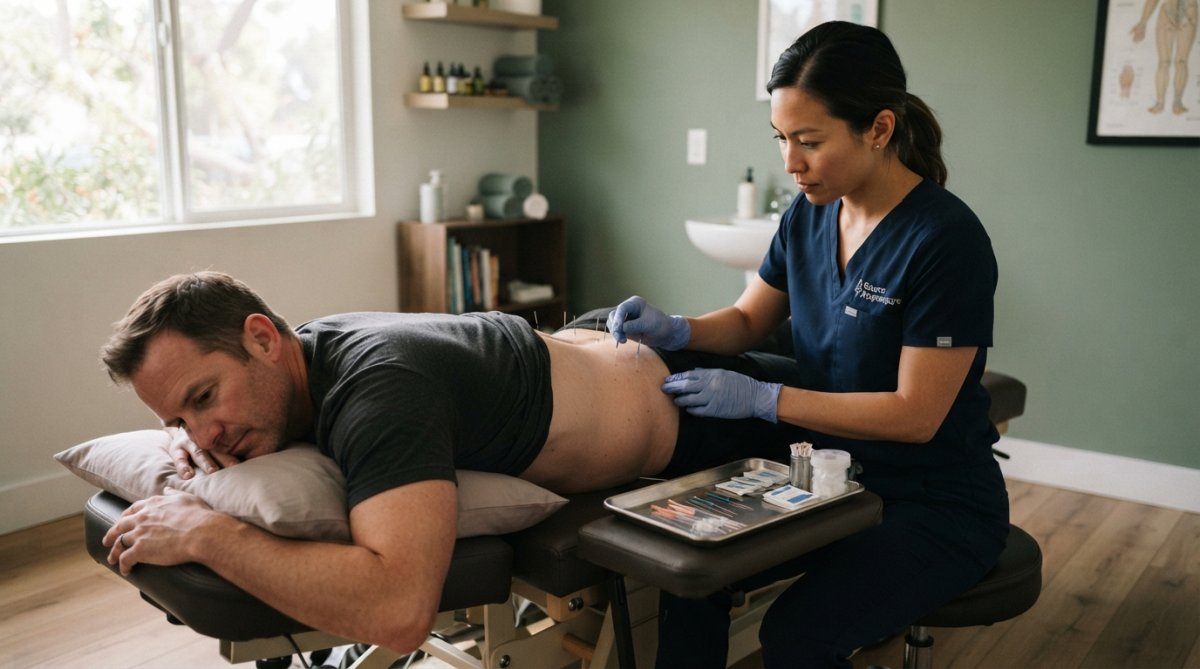
Acupuncture treats chronic low back pain by stimulating specific points on the body to reduce inflammation and interrupt pain signals. When fine needles are placed at these points, they trigger a cascade of neurological responses: blood flow increases to the affected area, muscles relax, and your nervous system shifts out of its pain-driven state. This isn’t mystical, it’s a measurable shift in how your body manages pain.
For chronic low back pain specifically, acupuncture targets the deep musculature and fascia that often remain tight even after weeks of rest. Many people with chronic pain develop what’s called "central sensitization," where their nervous system becomes hypersensitive to pain signals. Acupuncture helps recalibrate this sensitivity. The needle stimulation also triggers the release of endorphins and reduces substance P, a neurotransmitter that carries pain messages to the brain.
What makes acupuncture particularly effective for certain pain patterns is its ability to address what physical therapy sometimes misses: the systemic inflammation and stress-driven tension that perpetuates chronic low back pain. If your pain is driven partly by nervous system dysregulation, you’re stressed, you hold tension in your back, and the cycle feeds itself, acupuncture can interrupt that loop quickly.
The treatment protocol typically involves weekly sessions for 4-6 weeks, with many patients reporting noticeable improvement by week three. Some people feel relief after a single session; others need a longer course to see sustained results. The duration depends on how long you’ve had the pain, how severe it is, and whether you’re combining acupuncture with other therapies.
If you’ve had chronic back pain for years and physical therapy plateaued, acupuncture often works best when addressing inflammation and nervous system tension that stretching alone won’t resolve. The combination of needle stimulation plus your body’s natural healing response creates a different pathway than exercise-based recovery.
Physical Therapy Exercises for Back Pain and Functional Recovery
Physical therapy for chronic back pain focuses on restoring function through therapeutic exercise, manual therapy, and movement retraining. A physical therapist assesses your specific limitations, whether you can’t bend forward, rotate, or lift without pain, and designs exercises that rebuild strength and mobility in the exact patterns you’ve lost.
The core principle is simple: chronic pain often leads to muscle inhibition and compensation patterns. You avoid certain movements, so the muscles that should stabilize your spine weaken. Physical therapy reverses this by progressively loading these muscles under controlled conditions. You start with basic activation exercises, progress to strengthening, and eventually return to functional movements like lifting, bending, and walking without pain.

What physical therapy does exceptionally well is address the mechanical drivers of pain. If your pain comes from poor posture, weak core muscles, or movement dysfunction, physical therapy is often the most direct fix. A skilled therapist teaches you how to move differently, how to bend from your hips instead of your spine, how to engage your core during daily activities, and how to build endurance so pain doesn’t return when you increase activity.
Physical therapy also provides something acupuncture doesn’t: a clear progression and measurable milestones. You can track range of motion improvements, strength gains, and functional capacity increases week to week. Many people find this measurable progress motivating and helps them stay compliant with their treatment plan.
The typical timeline is 2-3 sessions per week for 4-8 weeks, though some people see benefits after just a few sessions. The key is consistency and home exercise adherence. Physical therapy that works requires you to practice exercises between sessions; the clinic visits are just the framework.
Physical therapy is the gold standard when your pain is driven by weakness, poor movement patterns, or loss of function. It’s the most evidence-supported approach for returning to sports, work, and daily activities without pain.
How Long Does Acupuncture Take to Work
The timeline for acupuncture depends on whether you’re looking for immediate symptom relief or lasting structural change. Many people feel some relief after their first session, a loosening of tension, better sleep, or reduced pain intensity. This initial response is real, though it’s often temporary without follow-up treatment.
For sustained improvement, most practitioners recommend a course of 4-6 weekly sessions. By week three, most patients report noticeable changes: pain that’s less sharp, better mobility, or improved sleep. By week six, if acupuncture is going to work for your condition, you’ll typically see a meaningful reduction in baseline pain levels.
However, "how long it takes" also depends on the underlying cause. If your pain is primarily inflammation-driven and stress-related, acupuncture often works faster, sometimes within 2-3 sessions. If your pain involves structural issues like muscle weakness or disc problems, acupuncture may provide relief but won’t address the mechanical component, so results plateau without complementary physical therapy.
The distinction matters: acupuncture can reduce your pain severity index significantly, but it may not restore full functional capacity on its own. That’s why many practitioners recommend combining acupuncture with therapeutic exercise for comprehensive recovery.
Expecting permanent pain relief from acupuncture alone without addressing underlying movement dysfunction or lifestyle factors is a common mistake. Acupuncture works best as part of a broader recovery protocol that includes exercise, ergonomic adjustments, and stress management.
Insurance Coverage for Acupuncture and Physical Therapy
Insurance coverage varies dramatically between acupuncture and physical therapy, and this difference often drives treatment decisions.
Physical therapy is almost universally covered by major insurance plans when referred by a physician. Most plans cover 20-30 visits per year with a copay per session. The coverage is reliable because physical therapy is considered evidence-based conservative care and is part of standard treatment protocols.
Acupuncture coverage is less predictable. Some insurance plans cover acupuncture for chronic pain, often requiring a physician referral and limiting coverage to 10-20 visits per year. Other plans don’t cover acupuncture at all. A growing number of insurers now recognize acupuncture as a legitimate pain management tool, especially after the American medical establishment began acknowledging its efficacy for musculoskeletal pain. However, coverage remains inconsistent state to state and plan to plan.
Before committing to either treatment, contact your insurance provider directly. Ask specifically: What’s the coverage for acupuncture for chronic back pain? What’s the coverage for physical therapy? Do I need a physician referral? What’s my out-of-pocket cost? This conversation takes 10 minutes and can save you hundreds of dollars.
Many acupuncture clinics, including Source Acupuncture, work with insurance billing and can handle claims on your behalf. Some also offer membership programs that provide discounts on out-of-pocket treatments, making regular care more affordable than paying per session.
| Treatment | Typical Insurance Coverage | Referral Required | Copay/Session | Annual Limit |
|---|---|---|---|---|
| Physical Therapy | Usually covered | Often required | Varies by plan | 20-30 visits |
| Acupuncture | Sometimes covered | May be required | Varies by plan | 10-20 visits |
| Out-of-pocket Acupuncture | N/A | No | Varies by clinic | None |
Combining Both Treatments for Synergistic Pain Relief
The strongest evidence for chronic low back pain treatment doesn’t pit acupuncture against physical therapy, it shows that combining both produces better outcomes than either alone.
Here’s why: acupuncture reduces inflammation, relaxes muscle tension, and calms nervous system hypersensitivity. Physical therapy rebuilds strength, restores movement patterns, and addresses mechanical dysfunction. Together, they target different aspects of chronic pain simultaneously. Acupuncture creates the neurological and inflammatory conditions where physical therapy exercises are more effective. Physical therapy ensures the gains from acupuncture translate into lasting functional improvement.
A practical protocol: Start with 1-2 acupuncture sessions per week while simultaneously beginning physical therapy. The acupuncture reduces pain and tension, making it easier to tolerate and benefit from therapeutic exercises. After 3-4 weeks, you might reduce acupuncture to every other week while continuing physical therapy 2-3 times weekly. By week 8, you’re often maintaining progress with physical therapy alone and occasional acupuncture maintenance sessions.
This combined approach also addresses the question many patients ask: "Will I need treatment forever?" The answer is usually no, if you combine both modalities early and address the underlying drivers (weakness, movement dysfunction, stress), most people can transition to maintenance-level care or self-management within 8-12 weeks.
Source Acupuncture works frequently with patients undergoing concurrent physical therapy. The practitioners understand how acupuncture complements therapeutic exercise and time treatments strategically. This coordination matters because poorly timed treatments can work against each other.
Which Treatment Should You Choose
The decision depends on three factors: your pain pattern, your timeline, and your underlying condition.
Choose acupuncture first if: Your pain is primarily driven by inflammation, muscle tension, or nervous system dysregulation. You’ve had the pain for years and it’s woven into your stress response. You want quick symptom relief and don’t need to return to high-level activity immediately. You have contraindications to exercise (certain joint problems, severe acute flare-ups, or neurological conditions that make loading problematic).
Choose physical therapy first if: Your pain is clearly linked to weakness, poor posture, or movement dysfunction. You need to return to sports or demanding physical work. Your pain improved with exercise in the past. You want measurable functional progress and can commit to consistent home exercise. You have good baseline mobility and just need strengthening.
Choose both simultaneously if: You have chronic pain that’s persisted despite previous treatment attempts. You want the fastest possible recovery. You have both inflammatory and mechanical components to your pain. You can manage the time commitment and cost.
The reality is that many people discover their best approach through experience. You might start with physical therapy, plateau after six weeks, then add acupuncture and see breakthrough results. Or you might get immediate relief from acupuncture but realize you need physical therapy to prevent pain from returning.
Source Acupuncture is best for patients who’ve tried physical therapy alone and plateaued, or who have significant inflammation and nervous system tension driving their pain. The personalized assessment identifies whether acupuncture alone will move the needle or whether combining it with physical therapy is necessary for your specific situation.
Chronic back pain rarely has a one-size-fits-all solution. The evidence supports both acupuncture and physical therapy, and increasingly, the research shows combining both produces superior outcomes. The key is starting with an honest assessment of what’s driving your pain, inflammation, weakness, movement dysfunction, or nervous system dysregulation, and choosing the treatment that addresses that root cause. If you’re uncertain which approach fits your situation, a consultation with a qualified practitioner can clarify your best path forward. At Source Acupuncture, we specialize in personalized assessments that identify whether acupuncture, physical therapy, or a combination of both will get you the fastest relief and longest-lasting results. Book a session to discuss your specific pain pattern and create a treatment plan tailored to your needs.
Frequently Asked Questions
Does acupuncture actually work for chronic lower back pain?
Clinical evidence supports acupuncture for chronic low back pain management. Research shows acupuncture can reduce pain severity and improve functional mobility in patients with CLBP. Results vary by individual, but many patients experience measurable pain relief and improved range of motion. A qualified acupuncture practitioner will assess your specific condition and discuss realistic outcomes during your initial consultation.
How long does acupuncture take to work for back pain?
Most patients notice initial improvements within 4-6 sessions, though some experience relief after the first treatment. Full benefits typically develop over 8-12 weeks of consistent care. The timeline depends on pain severity, how long you've had the condition, and your body's response. Chronic conditions often require longer treatment protocols than acute injuries. Your practitioner will establish a treatment schedule and monitor progress at each session.
What is the typical cost difference between acupuncture and physical therapy?
Costs vary widely based on location, practitioner experience, and treatment intensity. Both acupuncture and physical therapy may be covered by insurance, which significantly affects out-of-pocket expenses. Many clinics offer membership programs or package deals for ongoing care. Contact Source Acupuncture or your local physical therapy clinic directly for current pricing and insurance verification, as costs and coverage options change regularly.
Can I use acupuncture and physical therapy together for back pain?
Yes, combining both treatments often produces better results than either alone. Acupuncture reduces inflammation and pain, while physical therapy rebuilds strength and restores functional mobility. Many patients benefit from alternating treatments or using them simultaneously, acupuncture for pain management and physical therapy for long-term rehabilitation. Discuss your combined treatment plan with both practitioners to ensure coordination and avoid conflicting protocols.
This article was written using GrandRanker