Last Updated: October 24, 2026
Quick Summary
Acupuncture for postpartum hormonal changes is a supportive therapy that uses fine needles at specific points to help the nervous system settle after birth. It does not replace the sharp drop in estrogen and progesterone; instead, it helps your body adjust to it by calming the nervous system and improving circulation.
- The weeks after birth bring a sharp drop in estrogen and progesterone that drives night sweats, mood swings, and fatigue.
- Acupuncture may ease night sweats, low energy, mood dips, and trouble sleeping by calming the nervous system.
- Acupuncture while breastfeeding is generally considered low risk when performed by a licensed practitioner using sterile, single-use needles.
- Many mothers start with weekly visits and space them out as symptoms improve.
- The first visit is mostly conversation about your birth, sleep, feeding, stress, and symptoms.
Table of Contents
- How Acupuncture Addresses Postpartum Hormonal Changes
- What Postpartum Symptoms Acupuncture May Support
- Acupuncture for Postpartum Recovery: Rebuilding Energy and Tissue
- Acupuncture for Postpartum Anxiety and Sleep
- Acupuncture While Breastfeeding: Safety and Timing
- Common Concerns About Postpartum Acupuncture
- Booking Your First Postpartum Session at Source Acupuncture
- Frequently Asked Questions
How Acupuncture Addresses Postpartum Hormonal Changes
Acupuncture for postpartum hormonal changes is a supportive therapy that uses fine needles at specific points on the body to help the nervous system settle after birth. At Source Acupuncture, we aim to support new mothers through the shift from pregnancy hormones to postpartum ones.
The weeks after birth bring a sharp drop in estrogen and progesterone. That drop drives night sweats, mood swings, and fatigue. Acupuncture does not replace that shift. It helps the body adjust to it.
Here is what most guides get wrong: they treat postpartum hormones as a single problem. In practice, we consider sleep, stress, and circulation together, because each one feeds the others. The American College of Obstetricians and Gynecologists’ postpartum care guidance stresses that recovery care should be ongoing and personal, not a single checkup.
Acupuncture fits that model well. It is gentle, it is drug-free, and it can be adjusted session by session.
What Postpartum Symptoms Acupuncture May Support
The most common symptoms we hear about are night sweats, low energy, mood dips, and trouble sleeping. Acupuncture may help ease some of these by calming the nervous system and improving circulation.
Many mothers also report breast tenderness, headaches, and a feeling of “running on empty.” A common approach is to pair acupuncture with rest, hydration, and gentle movement.
- Night sweats and temperature swings
- Fatigue that lingers past the first few weeks
- Mood dips and irritability
- Poor sleep, even when the baby sleeps
- Tension in the neck and shoulders from feeding
Night sweats deserve a closer look, since they are one of the clearest signs of the hormonal shift. Our guide on why acupuncture helps with night sweats explains the points we use and what to expect.
Acupuncture for Postpartum Recovery: Rebuilding Energy and Tissue
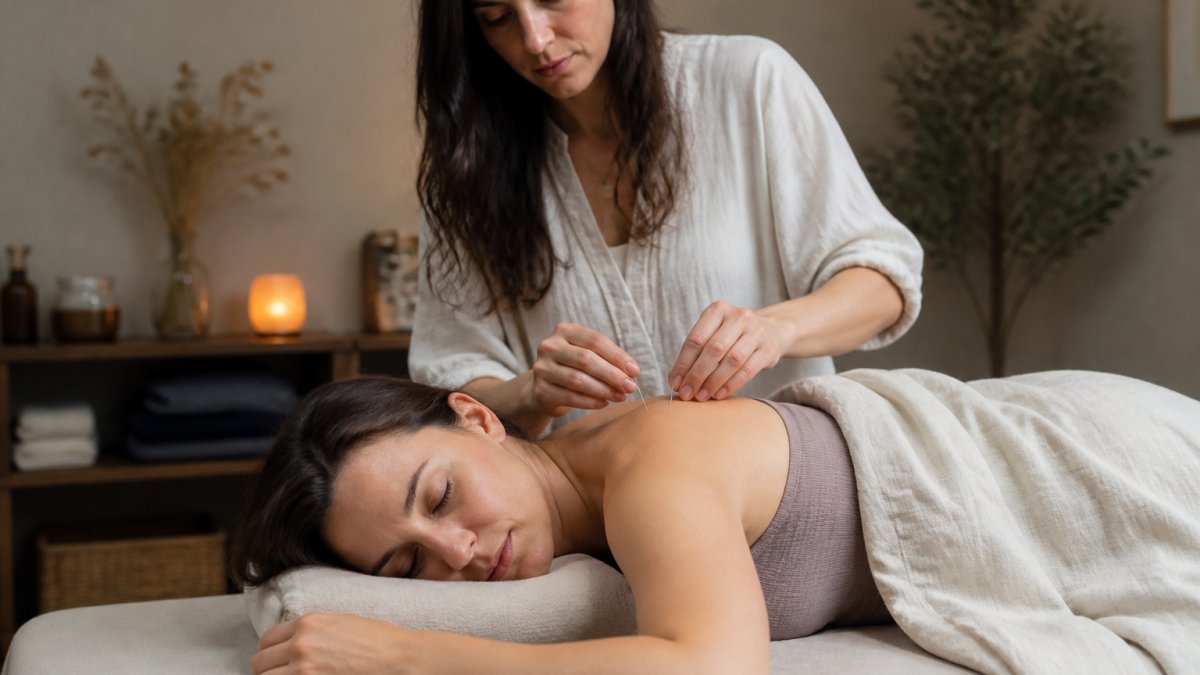
Restoring systemic balance often requires addressing the physical shifts in core stability, which is why integrating pelvic floor therapy remains a vital component of a comprehensive postpartum healing strategy.
Recovery after birth is physical work. The body is rebuilding tissue, restoring blood volume, and healing in ways that are easy to overlook.
Acupuncture for postpartum recovery focuses on energy and circulation. We often treat fatigue, soreness, and slow healing together. The goal is steady progress, not a quick fix.
What most guides miss is pacing. New mothers tend to push too hard too soon. We tell clients to think in weeks, not days.
A common mistake is skipping sessions once the first good week arrives. Consistency is what holds the gains.
Acupuncture for Postpartum Anxiety and Sleep
Anxiety and broken sleep are among the most reported postpartum concerns. Acupuncture for postpartum anxiety aims to support the body’s stress response.
We are honest about the limits here. Acupuncture is a support, not a cure for a serious mood disorder. If you feel hopeless or unable to function, call your doctor first. The National Institutes of Health’s overview of acupuncture notes that research is mixed but promising for anxiety and sleep, which matches what we see in the treatment room.
If you are weighing options, our comparison of somatic therapy versus acupuncture for anxiety relief may help you decide what fits your situation.
Acupuncture While Breastfeeding: Safety and Timing
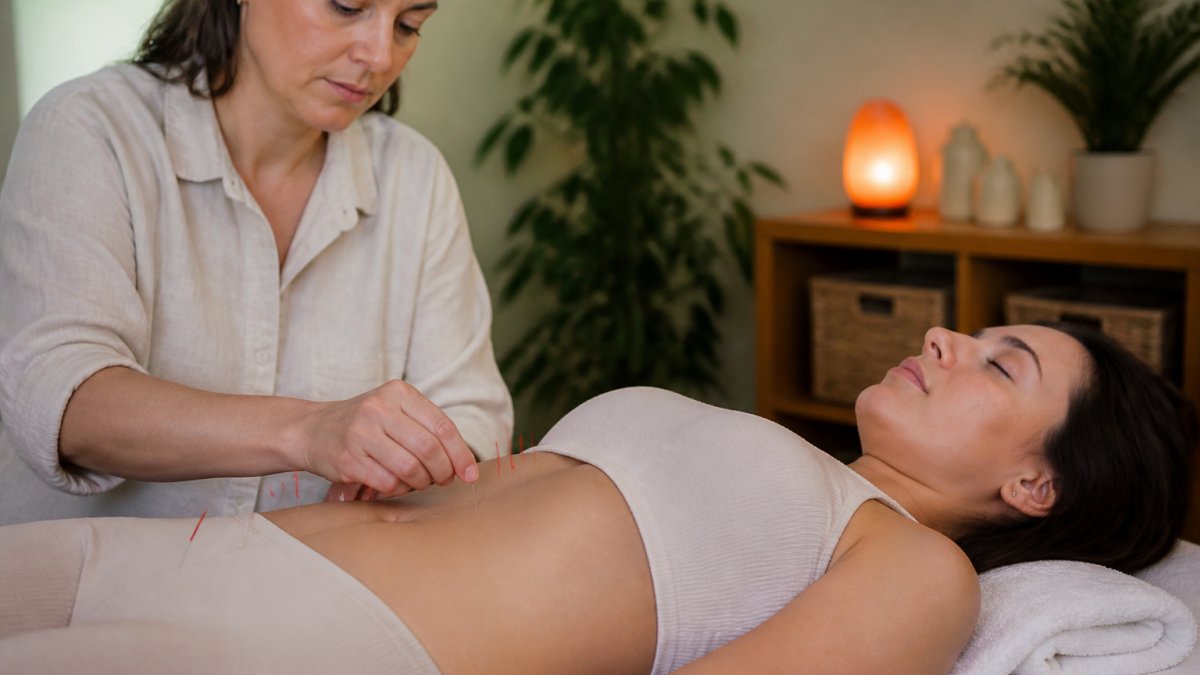
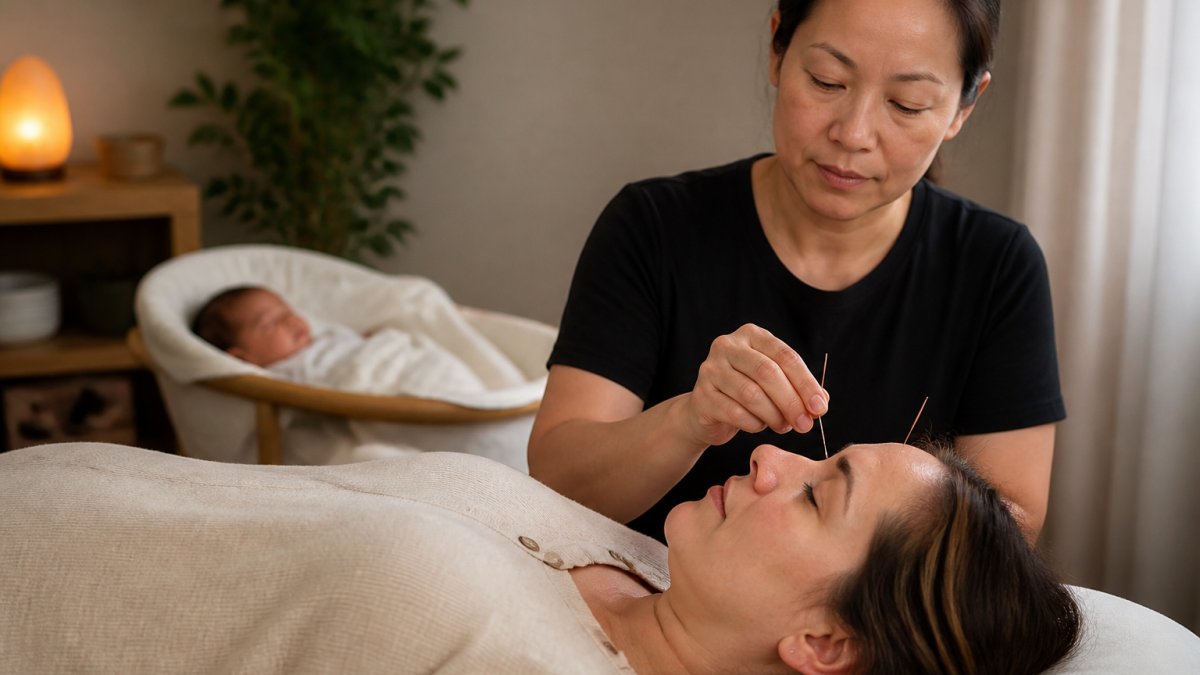
Acupuncture while breastfeeding is generally considered low risk when performed by a licensed practitioner. The needles are sterile and single-use, and no drugs enter the bloodstream.
Timing matters. Many mothers come right after a feed, when the baby is settled and the breasts are less full. Lying on your stomach can be uncomfortable early on, so we adjust positions.
Watch out: tell your practitioner about any breast infection, fever, or open skin before treatment. Those need medical care first.
We also ask about supplements and prescriptions. Some interact with how you feel during a session, and it helps to know the full picture.
Common Concerns About Postpartum Acupuncture
Skepticism is fair. Many clients arrive after trying other approaches that did not help. We welcome the questions.
Does it hurt? Most people feel a mild pinch, then warmth or heaviness. That sensation usually fades within minutes.
How many sessions? It depends on your symptoms and goals. Many mothers start with weekly visits and space them out as things improve.
What does it cost? Pricing depends on the service and any membership you choose. Our acupuncture cost guide walks through what to expect before you commit.
We never promise a cure. What we offer is careful assessment, honest feedback, and a plan you can adjust.
Here are the questions new mothers most often ask us before their first postpartum session.
| Question | Answer |
|---|---|
| Does it hurt? | Mild pinch, then warmth or heaviness that fades within minutes |
| How many sessions? | Depends on symptoms and goals; many start weekly and space out |
| What does it cost? | Depends on the service and any membership chosen |
| Is a cure promised? | No; careful assessment, honest feedback, adjustable plan |
Booking Your First Postpartum Session at Source Acupuncture
The first visit is mostly conversation. We ask about your birth, sleep, feeding, stress, and any symptoms that concern you. Then we build a plan around your schedule.
Our practitioners are licensed, and we offer personalized care for stress, hormones, and immune support. If you are balancing feedings and limited time, our flexible wellness membership makes regular visits easier to keep up with.
We also offer walk-in availability for our Detox and Destress Auricular protocol, which suits a quick reset on a hard day.
If hormonal imbalance is part of the picture, our guide to acupuncture for hormonal imbalance goes deeper into how we approach it.
Ready to start? Book an acupuncture session in Pacific Beach and we will map out a plan that fits your recovery.
Frequently Asked Questions
Can acupuncture help with postpartum hormonal changes?
Acupuncture is used by many practitioners to support the body’s return to balance after birth, though it is not a cure for hormonal conditions. Research on postpartum hormonal changes is limited, so treat it as supportive care rather than a replacement for medical treatment. Sessions may focus on sleep, mood, energy, and circulation, which all influence how you feel during recovery. If symptoms are severe or persistent, have them evaluated by your obstetrician or primary care provider first.
Is acupuncture safe while breastfeeding?
Acupuncture while breastfeeding is generally considered low risk when performed by a licensed practitioner using sterile, single-use needles. It does not introduce medication into your bloodstream, so it does not affect milk supply the way some drugs can. Tell your practitioner that you are nursing so they can adjust points and positioning, especially if you are dealing with engorgement or tender breast tissue. Any concerns about supply or nipple pain should still go to your doctor or a lactation consultant.
How soon after birth can I start acupuncture?
Many people wait until the first week or two after birth, once bleeding has settled and they feel steady enough to leave the house. After a cesarean section, check with your surgeon before starting, since positioning and needle placement near the abdomen may need to be avoided for a few weeks. If you had a straightforward vaginal delivery and feel up to it, a gentle session focused on sleep and relaxation is often fine early on. Your practitioner will screen for any red flags at the first visit.
How often should I get acupuncture for postpartum recovery?
A common starting point is once a week for four to six weeks, then spacing sessions out as symptoms improve. Acupuncture for postpartum recovery tends to work best with consistency, so a predictable weekly slot is more useful than occasional visits. If you are dealing with anxiety or sleep disruption, your practitioner may suggest a slightly denser schedule at first. Anyone managing a diagnosed condition should coordinate timing with their doctor rather than adjusting care on their own.
Postpartum hormones do not settle on a fixed schedule, and neither should your care. Source Acupuncture offers personalized treatment for stress, hormones, and immune support, with licensed practitioners and a wellness membership that keeps consistent visits within reach. Get started with Source Acupuncture and build a recovery plan that meets you where you are.