
Table of Contents
- Why Pacific Beach Residents Book Acupuncture Sessions
- What to Expect During Acupuncture: Your First Visit
- Acupuncture Session Duration: How Long Does a Treatment Last?
- Acupuncture for Hormone Balance and Stress Relief
- How to Prepare for Your Acupuncture Session
- Pricing, Insurance, and Booking Your Session
- Start Your Health Journey at Source Acupuncture
- Frequently Asked Questions
Last Updated: September 8, 2026
Why Pacific Beach Residents Book Acupuncture Sessions
Busy professionals and active individuals in Pacific Beach are turning to acupuncture for relief from sports injuries, chronic tension, and daily stress. An acupuncture session is a treatment where a licensed practitioner inserts thin, sterile needles into specific points to support natural healing. This guide from Source Acupuncture walks you through what a visit involves, how to prepare, and what results to expect.
The appeal goes beyond relaxation. Many locals use acupuncture for hormone balance, digestive support, and recurring soreness; others seek it as preventative care. The treatment fits into an integrative approach, working alongside conventional medical care.
Below, we cover the full process: what happens during your first appointment, how long treatments last, and how to handle insurance and booking. We also explain how to prepare so you get the most value from every visit.
What to Expect During Acupuncture: Your First Visit
Your first visit begins with a thorough consultation. The practitioner will ask about your health history, current symptoms, sleep patterns, stress levels, and medications. This helps shape a treatment plan tailored to your concerns, whether chronic pain, hormonal imbalances, or stress relief.
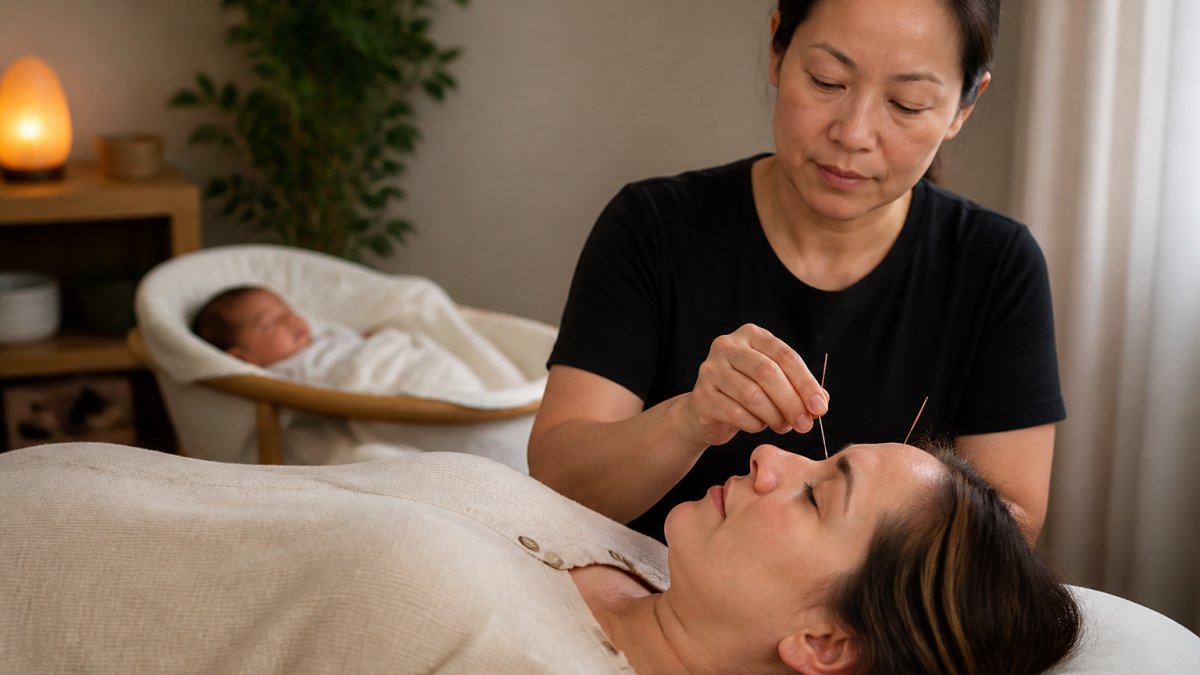
After the consultation, you’ll lie on a treatment table while the acupuncturist inserts thin needles into meridian points. Most patients report little to no discomfort, often describing a mild tingling or dull ache that fades quickly.

The needles remain in place for 20 to 40 minutes while you rest (nccih.nih.gov). A common mistake is expecting immediate, dramatic results from a single visit. Acupuncture works cumulatively, and most practitioners recommend a series of follow-up sessions for lasting change.
Wear loose, comfortable clothing to your appointment. While some clinics provide gowns, wearing shorts or a t-shirt you can roll up means easier access to common needle sites on your arms and legs without changing.
Acupuncture Session Duration: How Long Does a Treatment Last?
A typical acupuncture session lasts 45 to 60 minutes, including check-in, needle insertion, the resting period, and a brief post-treatment discussion.
Needle retention, the core of the treatment, usually runs 20 to 40 minutes. Duration varies by condition and modalities used, a focused auricular therapy session may be shorter, while a full-body treatment for chronic pain might run longer.
| Session Component | Typical Duration | Purpose |
|---|---|---|
| Consultation and check-in | 10-15 minutes | Review symptoms and track progress |
| Needle insertion | 5-10 minutes | Place needles on targeted meridian points |
| Needle retention | 20-40 minutes | Allow the body to respond and rebalance |
| Post-treatment discussion | 5-10 minutes | Plan next steps and home care |
For your first visit, plan on 60 to 90 minutes total to cover the detailed initial examination. Follow-up sessions generally run closer to 45 minutes.
Acupuncture for Hormone Balance and Stress Relief
Acupuncture for hormone balance is one of the most common reasons patients seek treatment. From a traditional Chinese medicine perspective, symptoms like irregular cycles, hot flashes, and mood swings reflect an imbalance in the flow of qi through the body’s meridians.
From a clinical standpoint, acupuncture stimulates the nervous system, influencing hormone regulation and the stress response. Many patients report improved sleep, reduced anxiety, and greater calm after a series of treatments. Regular sessions support nervous system regulation and help prevent the physical toll of chronic stress.
Acupuncture is a complementary therapy. It works best alongside care from your primary physician, especially for complex conditions like hormonal imbalances. Your practitioner should coordinate with your broader health team when appropriate.
The evidence base for acupuncture continues to grow. According to the National Center for Complementary and Integrative Health, acupuncture appears to be helpful for managing chronic pain conditions like back pain and osteoarthritis. This aligns with what many Pacific Beach patients experience: meaningful relief from persistent soreness and tension that builds up from active lifestyles and demanding jobs.
How to Prepare for Your Acupuncture Session
Most clinic websites tell you to “wear loose clothing and arrive relaxed.” That is a platitude, not a preparation guide. Here is the practical guide that will help you get the most out of every needle, whether it is your first visit or your fiftieth.
What to Wear: The Logistics of Needle Access
The most commonly used acupuncture points for stress, pain, and hormonal issues are on the lower arms, lower legs, feet, and ears. You do not need to undress for most treatments, but your clothing must allow access to these areas.
- Best options: Loose-fitting shorts, sweatpants, or yoga pants that roll above the knee. A t-shirt with sleeves that roll past the elbow, or a tank top.
- Avoid: Tight jeans, dresses with restrictive waistbands, bodysuits, or anything with intricate buttons or zippers that make it awkward to expose your limbs.
- For ear acupuncture: No special clothing needed, but avoid heavy earrings or headphones that could interfere with the tiny needles.
If your clothing blocks access, your practitioner may ask you to change into a gown or work around the fabric, limiting point selection. When in doubt, choose a comfortable, breathable outfit that is easy to move in.
What to Eat and Drink: Timing Matters
Your state of digestion directly affects how your body responds to treatment. Arrive neither starving nor stuffed.
- Eat a light meal 1.5 to 2 hours before your appointment. Think a smoothie, a piece of toast with nut butter, or a small bowl of oatmeal. This stabilizes your blood sugar and prevents the lightheadedness that can occur when needles are inserted on an empty stomach.
- Avoid a heavy, greasy meal within 2 hours of treatment. Digestion diverts blood flow to your stomach, which can make it harder for your body to redirect energy to the treatment points. It also increases the chance of nausea while lying still.
- Hydrate, but do not overdo it. Drink water normally throughout the day. Arriving dehydrated makes your tissues less responsive and can make needle insertion slightly more uncomfortable. However, drinking a gallon right before your appointment means you will need to interrupt your treatment to use the restroom.
- Skip the pre-appointment coffee. Caffeine is a stimulant that activates your sympathetic nervous system, the “fight or flight” response. Acupuncture works by shifting you into a parasympathetic, “rest and digest” state. Fighting that shift with caffeine makes it harder for your body to relax and reduces the effectiveness of the treatment. If you need a caffeine fix, have it at least 3 hours before your session.
Bring a water bottle with you and plan to drink an extra 16 to 24 ounces of water in the hours after your session. This supports your body’s natural detoxification pathways and helps minimize any post-treatment soreness.
The Medication and Supplement Conversation: Non-Negotiable
This is the most important part of your preparation. Make a list of every medication, supplement, and herbal remedy you take, including over-the-counter drugs like ibuprofen and supplements like fish oil, vitamin E, and ginkgo biloba.
Certain substances affect bleeding risk and how your body responds to needles:
- Blood thinners (prescription): Warfarin, apixaban, rivaroxaban, and clopidogrel increase bleeding risk. Your practitioner needs to know so they can use thinner needles, shallower insertion, and avoid highly vascular areas.
- Supplements with blood-thinning effects: Fish oil, high-dose vitamin E, garlic supplements, and ginkgo biloba can all prolong bleeding time. You do not need to stop taking them, but your practitioner should adjust technique accordingly.
- Stimulants: ADHD medications, thyroid hormones, and decongestants can affect your heart rate and nervous system response. This information helps your practitioner anticipate how your body will react to needle insertion.
Never stop taking a prescribed medication to prepare for acupuncture without consulting your prescribing physician. Acupuncture is a complementary therapy, it works alongside your medical care, not in place of it. Your acupuncturist is trained to adapt treatment to your medication profile, not to tell you to change it.
The Hour Before Your Appointment
What you do in the 60 minutes before your session shapes your treatment:
- Arrive 10 minutes early. Rushing raises your cortisol and adrenaline levels, which makes it harder for your body to settle into the treatment. Use the extra time to use the restroom, complete any paperwork, and take a few deep breaths in the waiting room.
- Turn off notifications. If you are checking emails or scrolling social media right before your session, your brain is still in active processing mode. Give yourself 5 minutes of quiet before your practitioner calls you back.
- Empty your bladder. A full bladder can cause discomfort during the 20-40 minute needle retention period, and getting up mid-treatment disrupts the flow of the session.
What to Expect During the First Needle Insertion
If you have never had acupuncture, the first needle insertion is often the most anxiety-provoking part. Your practitioner will swab the point with alcohol, then use a thin, pre-sterilized, single-use needle in a plastic guide tube. The practitioner taps the tube to insert the needle, the process takes less than a second per point. Most patients describe a brief, sharp pinch or mild mosquito bite that fades within seconds. Some points, particularly on hands and feet, may produce a dull ache or heaviness, a sign the needle has engaged the meridian.
You will feel the needles being placed, but not sharp, shooting, or burning pain. If you do, tell your practitioner immediately. The needles are hair-thin and flexible, nothing like the hollow needles used for blood draws.
After Your Session: The 24-Hour Rule
Your treatment does not end when the needles come out. How you spend the next 24 hours influences how long the benefits last:
- Rest for the remainder of the day. Your body has just shifted into a deep parasympathetic state. Jumping straight into a high-intensity workout or a stressful meeting undoes that shift. Schedule your session at a time when you can go home and relax afterward.
- Avoid alcohol for 24 hours. Alcohol dehydrates you and taxes your liver, which works against the detoxification effects of the treatment.
- Skip intense exercise for 12-24 hours. Light walking or gentle stretching is fine, but heavy lifting, sprinting, or hot yoga can overstimulate the nervous system you just calmed.
- Notice how you feel. Some patients feel deeply relaxed and sleepy. Others feel a surge of energy. Both are normal. Some patients experience mild soreness at needle sites or a temporary worsening of symptoms, this is called a “healing crisis” and typically resolves within 24-48 hours. If it persists, call your practitioner.
Preparation is 50% of the treatment. The patient who arrives fed, hydrated, caffeinated-free, and mentally calm will have a profoundly different experience than the patient who rushes in after a double espresso and a stressful commute. Treat your preparation as seriously as you treat the appointment itself.
If you have specific questions about how to prepare for your particular condition or medication profile, call our clinic and ask to speak with a practitioner before your appointment. We would rather answer your questions in advance than adjust a treatment plan mid-session.
Pricing, Insurance, and Booking Your Session
Navigating cost and coverage are the biggest hurdles for new patients. Here is the transparent breakdown we wish every provider offered.
What a Session Actually Costs
Pricing for acupuncture sessions varies based on the type of service and duration. For detailed information on session costs, please refer to our website or contact us directly.
At Source Acupuncture, our standard rates fall within the ranges above, but the most affordable way to receive regular treatment is through our wellness membership program. For a flat monthly fee, members receive a set number of sessions at a per-visit rate significantly lower than standard. This structure suits patients committed to a cumulative treatment plan for stress management, sports recovery, or hormonal balance.
Insurance: The Straight Answer
Many PPO plans offer some acupuncture coverage, but coverage for HMO plans can be less common (healthcare.gov). The only way to know is to call the number on your insurance card and ask these three questions:
- Does my plan cover acupuncture? If yes, ask about the number of visits allowed per year and any deductible that applies.
- Is there a referral or pre-authorization requirement? Some plans require a physician’s referral before they will cover treatment.
- Do I need to see an in-network provider, or can I see an out-of-network acupuncturist? If out-of-network is allowed, ask about the reimbursement percentage and whether a superbill is accepted.
If your plan does not cover acupuncture or you have a high deductible, we provide a superbill after each visit, a detailed receipt with CPT codes, diagnosis code, and our license information. Submit it to your insurance for out-of-network reimbursement; many PPO patients recover 40% to 70% of the cost. We also accept HSA and FSA cards for pre-tax payment.
Before your first visit, we recommend calling your insurance provider to inquire about acupuncture coverage and any specific CPT codes they may require. Having this information on hand can help clarify your benefits.
Booking: Online, Phone, or Walk-In
The fastest way to secure your preferred time is through our online scheduling portal, available 24/7. You can see real-time availability, choose your practitioner, and receive instant confirmation. Our front desk team also answers calls during clinic hours, including early morning and evening slots.
For unpredictable schedules, we offer walk-in availability for our Detox and Destress Auricular protocol, a 20-minute ear acupuncture treatment at a flat, low rate. It is perfect for a quick reset when you cannot commit to a full session.
When you book your first appointment, arrive 10 minutes early to complete a brief intake form covering your health history, medications, and reasons for treatment. The more detail you provide, the better your practitioner can tailor your first session.
Do not book a session and skip the intake form. The information you provide about medications, supplements, and health conditions is not a formality, it directly affects needle selection, depth, and point placement. Withholding information about blood thinners or anticoagulants can lead to excessive bruising or bleeding.
If comparing clinics, ask: Do you accept my insurance? What is the out-of-pocket cost for a follow-up? Do you offer a membership or package discount? Is the initial consultation longer than a standard visit? The answers reveal whether a clinic is invested in your long-term care.
Start Your Health Journey at Source Acupuncture
Choosing the right clinic comes down to practitioner quality and whether the approach matches your goals. At Source Acupuncture, we combine traditional practices with advanced techniques to support stress relief, hormone balance, immune function, and recovery. Our licensed practitioners build personalized treatment plans rather than offering a one-size-fits-all approach.
We also offer cupping, red light therapy, and microneedling to complement your care. For packed schedules, our walk-in Detox and Destress Auricular protocol makes it easier to fit wellness into a busy week.
Taking the first step toward better health is often the hardest part. Whether you’re new to acupuncture or seeking a fresh approach, we invite you to experience personalized, integrative care. Get started with Source Acupuncture and book your session today.
Frequently Asked Questions
How do I prepare for my first acupuncture appointment?
Eat a light meal about two hours before your session and stay hydrated. Wear loose, comfortable clothing that allows access to your lower arms and legs. Arrive a few minutes early to complete any patient intake forms. Avoid caffeine and alcohol beforehand, as they can affect your body’s response. Mention any medications or health concerns during your initial consultation so the practitioner can tailor the treatment plan to your needs.
Is 20 minutes of acupuncture enough?
Session length depends on your condition and treatment plan. An initial consultation takes longer because it includes a full assessment and history. Follow-up sessions often involve 45 to 60 minutes total, with needles typically resting for 20 to 30 minutes. Your practitioner will recommend an acupuncture session duration that supports your specific health goals, whether that is stress relief or ongoing recovery.
Does acupuncture help with hormonal balance?
Many people use acupuncture for hormone balance as part of a broader wellness plan. Acupuncture is thought to influence the nervous system and support the body’s natural regulatory processes. It is often used alongside conventional care for issues like menstrual discomfort or stress-related symptoms. A licensed acupuncturist will do a thorough assessment to see if this approach fits your situation and refer you to your doctor when appropriate.
What should I look for when choosing an acupuncture clinic?
Confirm the practitioner holds a current license in the state where they practice. Look for a clinic that performs an initial examination and builds a personalized treatment plan rather than offering one-size-fits-all sessions. Ask about session duration, what to expect during acupuncture, and whether they provide a clear breakdown of pricing and payment options. A good clinic will also explain how many sessions they recommend and track your progress.