Last Updated: November 16, 2026
Quick Summary
Balancing cortisol means supporting the body’s natural stress hormone rhythm so it rises in the morning and falls at night, rather than trying to crush cortisol. Integrative approaches combine sleep, movement, food, and nervous system care working together, not one magic fix.
- Cortisol follows a daily rhythm, typically highest in the morning and declining through the day.
- Fix your wake time, get bright light within an hour of waking, and do five minutes of slow breathing twice a day.
- Aim for two to three strength sessions weekly, daily easy walking, and real rest days.
- Ashwagandha has some small trials suggesting modest stress reductions, but treat it as promising, not proven.
- If energy and sleep are not trending better by week 12, talk to a clinician rather than add more supplements.
Table of Contents
- What Balancing Cortisol Actually Means
- Everyday Habits That Support Cortisol Regulation
- How Movement and Recovery Shape Your Stress Response
- Supplements to Reduce Cortisol: What the Evidence Supports
- 5 Foods That Naturally Decrease Cortisol
- How to Reduce Cortisol Levels in Females
- How Long Does It Take to Rebalance Cortisol?
- When Cortisol Testing and Medical Evaluation Make Sense
- Frequently Asked Questions
What Balancing Cortisol Actually Means
Balancing cortisol means supporting the body’s natural stress hormone rhythm so it rises in the morning and falls at night. Cortisol is not the enemy. It is the hormone that wakes you up, fuels your focus, and helps you recover from stress. Problems start when that rhythm flattens or stays elevated. (Source: National Institute of Mental Health)
This pattern is commonly described in people under sustained stress: they feel wired but exhausted, and their energy can dip sharply in the afternoon even when routine lab results look normal.
The goal of integrative approaches to balancing cortisol levels is not to crush cortisol. It is to restore the curve. That means sleep, movement, food, and nervous system care working together, not one magic fix.
Your Cortisol Rhythm Runs on a 24-Hour Clock
Cortisol follows a daily pattern called the diurnal rhythm, with levels typically highest in the morning and declining through the day (Modified Cortisol Circadian Rhythm: The Hidden Toll of Night-Shift Work).
This curve is controlled by the HPA axis, the communication loop between your brain and adrenal glands. When stress is chronic, the curve flattens. You wake tired and feel wired at bedtime.
A common mistake is chasing a single “cortisol number” from one blood draw. Timing matters more than most people realize. A morning reading and an evening reading tell very different stories.
Everyday Habits That Support Cortisol Regulation
Daily habits shape cortisol regulation more than any single treatment. The basics, done consistently, matter most. Sleep, light exposure, and stress management come first.

Sleep Quality and a Consistent Routine
Sleep and cortisol are locked in a feedback loop. Poor sleep raises evening cortisol. High evening cortisol makes sleep harder. Breaking that cycle starts with a fixed wake time, even on weekends.
Try these:
- Wake at the same time daily
- Get bright light within an hour of waking
- Cut caffeine after early afternoon
- Keep the bedroom cool and dark
A consistent sleep routine signals safety to the nervous system. Over time, the morning cortisol rise becomes sharper and the evening fall deeper.
Mindfulness, Deep Breathing, and Mind-Body Practices
Slow breathing directly engages the relaxation response. A simple pattern works well: inhale for four counts, exhale for six. Do it for five minutes, twice a day.
Mindfulness and meditation lower the stress response over weeks, not minutes. Yoga combines movement, breath, and attention, which is why many people find it easier to stick with than sitting meditation.
For readers who want a deeper, step-by-step plan, our guide on how to regulate your nervous system for chronic stress relief walks through practical techniques. If you prefer something you can do at your desk, these acupressure points for stress relief are worth trying today.
How Movement and Recovery Shape Your Stress Response
Exercise is a stressor, and that is the point. Moderate activity trains the body to handle stress and recover from it. The dose matters more than the type.
Hard interval training raises cortisol temporarily. That is normal and healthy when followed by rest. The problem is stacking intense sessions without recovery. Overtraining keeps cortisol elevated and sleep disrupted.
A practical balance:
- Two to three strength sessions weekly
- Daily easy movement like walking
- One or two hard sessions, not five
- Real rest days, not “active recovery” every day
Watch out: if your resting heart rate climbs and sleep worsens, you are likely under-recovered, not under-trained. Back off for a week before adding intensity.
Supplements to Reduce Cortisol: What the Evidence Supports
Supplements to reduce cortisol get more marketing attention than research support. A few have modest evidence. None replace sleep, movement, and stress management. The honest framing is not “which supplement lowers cortisol” but “which supplement has enough evidence to be worth the cost and risk for you.”
A useful way to grade the evidence is by strength and limitation:
- Ashwagandha: some small randomized trials suggest modest reductions in perceived stress, with mixed results on cortisol. Trials are often short and small. Treat it as promising, not proven.
- Rhodiola rosea: early research on fatigue and stress resilience, mostly small trials and often in specific populations such as night-shift workers or students during exams. Evidence is weaker than ashwagandha’s.
- Magnesium: supports relaxation and sleep quality, and low magnesium intake is common. It does not reliably “lower cortisol” in people with normal levels, but it can improve the sleep that regulates the rhythm.
- Omega-3 fatty acids: linked to lower inflammation and some stress markers in observational work; trial results on cortisol itself are mixed.
- Chamomile and lemon balm teas: gentle relaxation support with a good safety profile for most adults. Effect sizes are small.
- Green tea (L-theanine): studied for calm alertness; the caffeine content matters, so timing and dose count.
Safety matters more than most product pages admit. Herbs can interact with thyroid medication, blood thinners, sedatives, and blood pressure drugs. Ashwagandha has been linked in case reports to liver injury, and it is not appropriate during pregnancy or nursing. Rhodiola can be stimulating and may interact with antidepressants. Anyone pregnant, nursing, taking prescription drugs, or managing a liver, thyroid, or autoimmune condition should talk to their clinician before starting any supplement. (Source: National Center for Complementary and Integrative Health)
Product quality is its own variable. In the United States, supplements are regulated by the FDA as food, not drugs, so potency and purity are not guaranteed before sale. Look for third-party testing seals (USP, NSF, or ConsumerLab) and avoid proprietary blends that hide doses.
For a fuller look at diet and supplementation, read our guide on supplements and diet for burnout recovery.
5 Foods That Naturally Decrease Cortisol
No single food is known to control cortisol on its own. A balanced eating pattern built around whole foods and steady meals is generally part of a healthy routine.
Five foods worth adding:
- Fatty fish like salmon, rich in omega-3s
- Leafy greens, a source of magnesium
- Berries, high in antioxidants
- Green tea, which contains L-theanine
- Fermented foods like yogurt and kefir for gut health
Mindful eating counts too. Regular meals and moderate caffeine are a reasonable part of a steady daily routine.
How to Reduce Cortisol Levels in Females
Hormonal transitions such as the menstrual cycle, pregnancy, and menopause can change how the stress response behaves. The same general habits apply, and timing matters.
Some people feel more stress-sensitive during certain phases of the menstrual cycle, and perimenopause can bring changes in sleep. Tracking your cycle alongside sleep and mood can help you notice patterns over time.
For a step-by-step plan tailored to hormonal balance, see our guide on how to balance hormones naturally.
How Long Does It Take to Rebalance Cortisol?
Changes in sleep and energy often take several weeks of consistent habits, and deeper changes can take longer. Tracking these patterns can also clarify which steady routines help fix low energy levels over time.
Progress depends on how long stress has been chronic and how consistently you apply changes. The people who improve fastest pick two or three habits and repeat them daily rather than overhauling everything at once.
A staged plan makes that timeline measurable. Start with one habit from each of three buckets, sleep, movement, and nervous system care, and add a fourth only after two weeks of consistency.
Stage 1: anchor the rhythm. Fix your wake time, get bright light within an hour of waking, and do five minutes of slow breathing twice a day. Track two things only: wake time and a 1-10 evening calm rating.
Stage 2: add load and recovery. Add two strength sessions and daily easy walking. Track sleep quality and resting heart rate. If resting heart rate climbs and sleep worsens, you are under-recovered, back off for a week before adding intensity.
Stage 3: refine and review. Add a dietary change (protein at each meal, less late caffeine) and review your tracking at the end of each stage. If energy and sleep are not trending better by week 12, that is a signal to talk to a clinician rather than add more supplements.
Watch out: tracking can become its own stressor. Keep it to two or three simple markers, and review weekly rather than daily. If symptoms persist despite good habits, unexplained weight change, severe fatigue, or blood pressure changes, that is a reason for medical evaluation, not a longer supplement trial.
When Cortisol Testing and Medical Evaluation Make Sense
Testing makes sense when symptoms persist despite good habits. That includes unexplained weight change, severe fatigue, or blood pressure changes. It also applies when you suspect something beyond everyday stress.
| Situation | What to Do | Why |
|---|---|---|
| Mild stress, occasional poor sleep | Focus on habits first | Most cases respond to lifestyle changes |
| Persistent fatigue or weight shifts | See a clinician for evaluation | Rules out thyroid or adrenal issues |
| Suspected Cushing’s or Addison’s | Prompt medical workup | These need medical care, not supplements |
| Ready for guided support | Find a qualified practitioner | Personalized care speeds progress |
Causes of persistently abnormal cortisol go beyond stress. They include adrenal disorders, thyroid disease, and medication effects. These require a doctor, not a wellness plan.
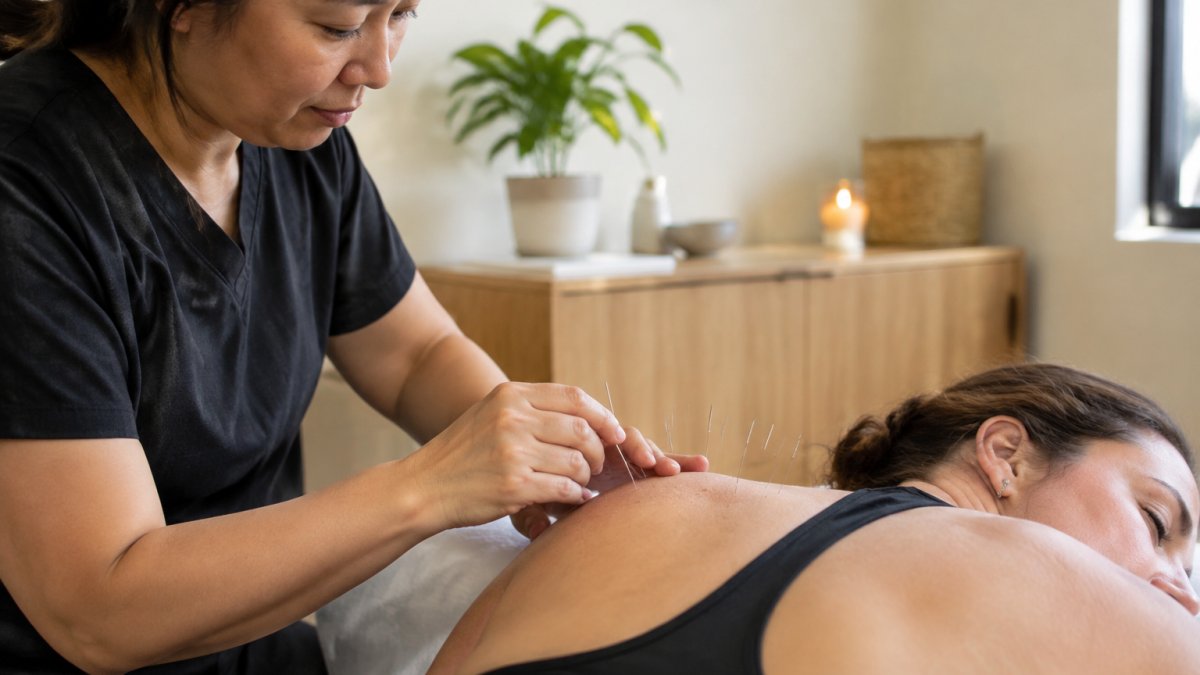
If you are ready to add professional support alongside your medical care, our guide on finding a certified acupuncture practitioner explains what to look for. At Source Acupuncture, our licensed practitioners build personalized plans for stress, hormones, and recovery, supported by services like acupuncture and cupping. Our wellness membership program makes consistent self-care easier.
Cortisol balance rarely comes from one change. It comes from small, repeatable habits that support your daily rhythm. If stress, poor sleep, or hormonal shifts keep pulling you off course, Source Acupuncture offers personalized care for stress and hormones through licensed practitioners. Book a session to learn more.
Frequently Asked Questions
What immediately lowers cortisol?
Slow, deep breathing is a simple practice many people use to feel calmer. Breathing in for a count of four and out for six to eight is commonly used as a relaxation technique. A short walk outside, a few minutes of mindfulness, or even a brief rest with your eyes closed can take the edge off a spike. These are short-term tools, though. Balancing cortisol over weeks and months depends on sleep, movement, and nutrition habits stacking up consistently.
Can supplements reduce cortisol levels?
Some have research behind them, but the effects are modest. Ashwagandha, rhodiola, and magnesium are studied in some research, with mixed and generally modest findings. Herbs like lemon balm and chamomile are gentler and mainly support relaxation. Supplements to reduce cortisol are not a substitute for sleep and stress management, and they can interact with medications or thyroid conditions. Talk to your doctor or a licensed practitioner before starting any herb, especially if you are pregnant, nursing, or on prescription drugs.
How long does it take to rebalance cortisol?
There is no single timeline. Changes in sleep and energy often take several weeks of consistent habit changes, and deeper shifts can take longer. Factors like how long you have been under stress, sleep debt, and whether you have an underlying condition all affect the pace. A measurable plan, tracking sleep, energy, and mood weekly, helps you see whether your approach is working.
When should you talk to a doctor about cortisol levels?
See a doctor if you have persistent symptoms like unexplained weight gain around the midsection, severe fatigue, easy bruising, new high blood pressure, or changes in menstrual cycles. Persistent symptoms like these warrant medical evaluation rather than lifestyle changes alone. A primary care physician can order blood, saliva, or urine tests and refer you to an endocrinologist if needed. Integrative approaches work best alongside proper medical evaluation, not instead of it.