
Table of Contents
- Understanding Chronic Nerve Pain in the Foot
- Foot Neuropathy Exercises to Reduce Discomfort
- Anti-Inflammatory Diet for Neuropathy Relief
- Natural Supplements for Nerve Pain Management
- Topical Remedies and Therapeutic Foot Care
- Sleep Hygiene and Stress Management for Nerve Pain
- When to Seek Professional Care
- Conclusion
Last Updated: August 12, 2026
Understanding Chronic Nerve Pain in the Foot
Chronic nerve pain in the foot, medically known as peripheral neuropathy or neuropathic pain, occurs when nerves that carry signals from your feet to your brain become damaged or dysfunctional. This results in persistent tingling sensations, numbness, burning, or sharp discomfort that can significantly impact daily activities and quality of life. Unlike acute injuries that heal within weeks, chronic nerve pain can persist for months or years, requiring a multi-faceted approach to management.
The condition develops through various pathways. Diabetes remains the most common cause, leading to diabetic neuropathy when elevated blood glucose levels damage nerve fibers over time. Other contributors include prolonged pressure on nerves, repetitive stress, nutritional deficiencies, infections, or inflammatory conditions. Many people experience paresthesia, that characteristic "pins and needles" sensation, which signals nerve irritation or compression.
What makes chronic nerve pain particularly challenging is that conventional pain medications often provide limited relief. This reality has driven growing interest in natural management strategies that address underlying inflammation, improve circulation, and support nerve regeneration. At Source Acupuncture, we recognize that sustainable relief typically requires combining multiple approaches rather than relying on any single intervention.
The good news: you have more control over nerve pain management than you might realize. Natural remedies and lifestyle modifications can meaningfully reduce discomfort, improve nerve function, and enhance your overall quality of life. The strategies covered here represent evidence-based approaches that practitioners and patients have found effective for managing chronic nerve pain in the foot naturally.
Foot Neuropathy Exercises to Reduce Discomfort
Movement is one of the most underutilized tools for managing chronic nerve pain. Regular, gentle exercise improves blood flow to affected areas, strengthens supporting muscles, and can reduce pain intensity over time. The key is consistency and choosing low-impact activities that don’t aggravate your condition.
Gentle Stretching and Nerve Glides
Nerve glides are specific stretching movements designed to help nerves move freely through their pathways, reducing compression and irritation. These gentle exercises can be performed daily and typically take 5-10 minutes.
Start with the basic seated foot stretch: sit with your leg extended, then gently pull your toes toward your shin using a towel or strap. Hold for 15-20 seconds, release, and repeat five times. This targets the tibial nerve and plantar fascia, areas commonly affected by neuropathy.
The standing calf stretch is equally valuable. Face a wall, place one foot forward and one back, keeping your back heel on the ground. Lean forward gently until you feel a stretch in your calf. Hold for 20 seconds, then switch legs. Perform three repetitions on each side. This stretch relieves tension in the Achilles tendon and surrounding nerve structures.
Ankle circles offer another simple but effective technique. Sit comfortably and slowly rotate your ankle in full circles, moving clockwise for 10 rotations, then counterclockwise for 10 rotations. Perform this three times daily. The controlled movement promotes synovial fluid distribution in the ankle joint and maintains nerve mobility.
The most common mistake is stretching too aggressively. Nerve pain responds better to gentle, sustained stretches held for 15-20 seconds rather than bouncing or forcing movement. Start conservatively and gradually increase intensity only if you experience no increased pain.
Low-Impact Movement for Circulation
Cardiovascular exercise that doesn’t stress your feet is essential for managing neuropathic pain. Walking on flat, even surfaces for 20-30 minutes three to four times weekly improves circulation without triggering pain flares. Start with shorter distances and gradually increase duration.
Swimming and water aerobics are particularly beneficial because water supports your body weight while allowing full range of motion. The hydrostatic pressure from water immersion also reduces inflammation and swelling. Aim for 20-30 minutes of water-based activity two to three times weekly.
Stationary cycling offers another excellent option. The seated position removes weight from your feet while the pedaling motion strengthens leg muscles that support proper foot alignment and nerve function. Begin with low resistance and moderate intensity, gradually building endurance over several weeks.

Anti-Inflammatory Diet for Neuropathy Relief
What you eat directly influences nerve inflammation and pain levels. An anti-inflammatory diet addresses the root cause of many neuropathy cases rather than merely masking symptoms. This approach has gained significant recognition among practitioners working with chronic pain conditions.
Foods rich in omega-3 fatty acids should form the foundation of your neuropathy diet. Fatty fish like salmon, mackerel, and sardines contain EPA and DHA, compounds that actively reduce nerve inflammation. Aim for two to three servings weekly. If you don’t eat fish, flaxseeds, chia seeds, and walnuts provide plant-based omega-3 sources.
Colorful vegetables and fruits contain polyphenols and antioxidants that combat oxidative stress, a key driver of nerve damage. Berries, dark leafy greens, bell peppers, and cruciferous vegetables like broccoli should appear in most meals. The variety ensures you receive diverse micronutrients that support nerve function.
Whole grains replace refined carbohydrates in an anti-inflammatory framework. Refined carbs cause blood sugar spikes that accelerate nerve damage, particularly in diabetic neuropathy. Brown rice, quinoa, oats, and whole wheat bread provide sustained energy without triggering inflammatory responses.
Limit foods that actively promote inflammation: processed meats, refined sugars, trans fats, and excessive alcohol. These substances increase inflammatory markers and worsen neuropathic pain. Many people notice significant improvement within 4-6 weeks of eliminating these items.
The anti-inflammatory diet for neuropathy isn’t about restriction, it’s about strategic replacement. Swap inflammatory foods for nutrient-dense alternatives that actively support nerve healing and reduce pain signaling.
Natural Supplements for Nerve Pain Management
Certain supplements have demonstrated potential for supporting nerve function and reducing pain. However, consistency matters more than any single supplement. Most people require 4-8 weeks of regular supplementation before noticing meaningful improvements.
Alpha-lipoic acid (ALA) is a powerful antioxidant that crosses the blood-brain barrier and directly protects nerve cells. Research suggests ALA may improve nerve conduction velocity and reduce neuropathic pain symptoms. Typical dosing ranges from 300-600 mg daily, divided into two or three doses.
B-complex vitamins, particularly B6, B12, and folate, are essential for myelin maintenance and nerve signal transmission. Deficiencies in these vitamins commonly contribute to neuropathy development. A high-potency B-complex supplement taken daily supports nerve regeneration and function.
Acetyl-L-carnitine (ALC) supports cellular energy production in nerve cells and may reduce pain intensity. Studies suggest benefits appear after 8-12 weeks of consistent use. Typical dosing is 1,000-2,000 mg daily in divided doses.
Magnesium plays a crucial role in nerve function and pain signal regulation. Many people with chronic pain are magnesium-deficient. Supplementing with 300-400 mg daily, preferably in the evening, can improve pain management and sleep quality simultaneously.
Curcumin, the active compound in turmeric, provides potent anti-inflammatory effects. The challenge with curcumin is absorption, it’s poorly absorbed on its own. Look for formulations that include black pepper extract (piperine), which increases bioavailability. Effective dosing is typically 500-1,000 mg daily with meals.
Before starting any supplement regimen, consult with a qualified healthcare provider, particularly if you take medications. Some supplements interact with pharmaceuticals or blood thinners.
Topical Remedies and Therapeutic Foot Care
Foot Soaking and Massage Techniques
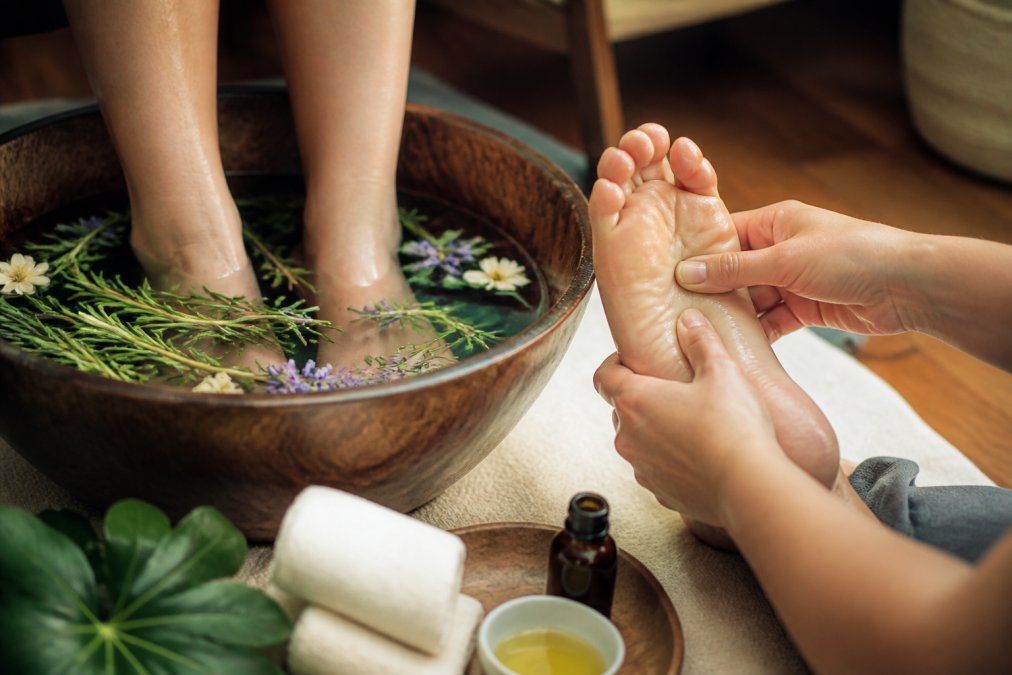
Therapeutic foot baths combine heat, water immersion, and optional botanical additions to reduce pain and improve circulation. Warm water itself promotes vasodilation, widening of blood vessels, which increases nutrient delivery to affected nerves.
A basic therapeutic foot bath requires a basin deep enough to submerge your feet to mid-calf. Fill with warm (not hot) water between 98-104°F. Soak for 15-20 minutes, three to four times weekly. The warm water alone reduces muscle tension and temporarily alleviates pain.
Enhance your foot soak by adding Epsom salt, which contains magnesium that absorbs through skin. Dissolve two cups of Epsom salt in your basin. The magnesium supports nerve function while the salt water creates osmotic effects that reduce inflammation.
Essential oils amplify the therapeutic effect. Lavender oil promotes relaxation and has mild analgesic properties. Peppermint oil creates a cooling sensation that can temporarily mask pain signals. Add 8-10 drops of your chosen oil to your foot bath. Always dilute essential oils in water or carrier oil, never apply directly to skin.
Foot massage following your soak provides additional benefits. Using your thumbs, apply firm but gentle pressure to the arch of your foot, working from heel to toe. Spend 2-3 minutes on each foot, focusing on areas of greatest discomfort. This manual therapy improves circulation and helps your nervous system recognize touch as a non-painful sensation.
Compression and Footwear Support
Compression therapy reduces swelling and improves blood flow back to your heart, which can alleviate neuropathic pain. Compression socks apply graduated pressure, stronger at the ankle, gradually decreasing toward the knee, that promotes circulation without restricting movement.
Choose compression socks with 15-20 mmHg pressure for mild to moderate neuropathy. Wear them during the day and remove them before bed. Many people notice reduced pain and improved energy levels within one to two weeks of consistent use.
Proper footwear fundamentally impacts nerve pain management. Your shoes should provide adequate arch support to prevent excessive foot pronation, which can compress nerves. Avoid tight shoes that create pressure points, and choose designs with cushioned soles that absorb impact.
Orthotic inserts customize support for your specific foot structure. Over-the-counter inserts address common issues like fallen arches or heel pain. If standard options don’t help, custom orthotics molded to your foot provide targeted support that reduces nerve compression and pain.
Sleep Hygiene and Stress Management for Nerve Pain
Sleep quality directly influences pain perception and nerve healing. Poor sleep intensifies neuropathic pain while adequate sleep supports nerve regeneration and reduces inflammation. Establishing consistent sleep habits is therefore essential for managing chronic nerve pain naturally.
Create a sleep environment optimized for rest: keep your bedroom cool (around 65-68°F), dark, and quiet. Remove electronic devices that emit blue light, which suppresses melatonin production. Establish a consistent bedtime routine that signals your body it’s time to transition to sleep.
Avoid stimulating activities in the hour before bed. Instead, practice relaxation techniques like deep breathing or progressive muscle relaxation. Start by tensing each muscle group for five seconds, then releasing. Work systematically from your toes upward through your entire body. This practice typically takes 10-15 minutes and significantly improves sleep quality.
Elevate your feet on a pillow while sleeping to reduce swelling and improve circulation. This simple positioning change can meaningfully decrease nighttime pain and improve sleep continuity.
Stress profoundly amplifies chronic pain perception. Your nervous system interprets stress as a threat, which heightens pain signal transmission. Managing stress therefore reduces pain intensity directly. Meditation, even for just 10 minutes daily, measurably reduces pain perception and supports nervous system regulation.
Ignoring sleep problems with your chronic nerve pain creates a vicious cycle: poor sleep worsens pain, which further disrupts sleep. Breaking this cycle requires prioritizing sleep as a cornerstone of your pain management strategy, not an afterthought.
When to Seek Professional Care
Natural management strategies work best when combined with professional guidance. Certain situations warrant consultation with a healthcare provider or specialist.
Seek immediate medical attention if you experience sudden onset of severe pain, significant numbness affecting your ability to walk safely, or signs of infection like redness, warmth, or drainage from your feet. These symptoms may indicate conditions requiring urgent intervention.
Schedule an appointment with your primary care physician if natural remedies haven’t provided meaningful relief after 8-12 weeks of consistent implementation. Your doctor can perform tests to identify underlying causes and rule out serious conditions. They can also monitor your progress and adjust your approach as needed.
Consider consulting a podiatrist if foot pain significantly impacts your daily function or if you have diabetes or other conditions that increase infection risk. Podiatrists specialize in foot health and can provide customized treatment plans.
Practitioners like those at Source Acupuncture offer integrative approaches that complement your natural management strategies. Acupuncture, cupping, and other traditional techniques work synergistically with the lifestyle modifications and natural remedies discussed here. Many people find that combining professional treatment with home-based strategies produces superior results compared to either approach alone.
According to the American Academy of Neurology, chronic neuropathic pain management benefits from multimodal approaches that address multiple contributing factors simultaneously. This evidence supports the integration of natural remedies, lifestyle modifications, and professional care.
Managing chronic nerve pain in the foot naturally requires patience, consistency, and a willingness to implement multiple strategies simultaneously. The approaches outlined, from targeted exercises and anti-inflammatory nutrition to therapeutic foot care and stress management, address different aspects of neuropathic pain while supporting your body’s natural healing capacity. Start with one or two interventions, establish consistency over 4-6 weeks, then gradually add additional strategies as you identify what works best for your situation. Many people discover that this layered approach produces meaningful pain reduction and improved function without relying solely on pharmaceutical interventions. If natural strategies alone don’t provide adequate relief, professional care from practitioners trained in integrative medicine can amplify results. Book a session with Source Acupuncture to explore how personalized acupuncture and complementary therapies can support your nerve pain management plan and accelerate your path toward lasting relief.
Frequently Asked Questions
How can I stop nerve pain in the foot without medication?
Natural approaches to manage chronic nerve pain in the foot include foot neuropathy exercises, anti-inflammatory dietary changes, topical remedies like capsaicin cream, therapeutic foot soaking, and compression support. Combining multiple methods, such as gentle stretching, nerve glides, and stress reduction, often produces better results than any single approach. Consistency matters more than intensity; regular practice of low-impact activities and lifestyle modifications can reduce tingling and numbness over time. Consult a healthcare provider to rule out underlying conditions requiring medical attention.
What natural supplements help with nerve pain?
Natural supplements for nerve pain management include B-complex vitamins (especially B12 and B6), alpha-lipoic acid, acetyl-L-carnitine, and magnesium, which support nerve function and reduce inflammation. Omega-3 fatty acids from fish oil or flaxseed may help decrease inflammatory markers associated with neuropathic pain. Curcumin (from turmeric) and ginger have anti-inflammatory properties. Always discuss supplements with a healthcare provider before starting, as some interact with medications or may not be appropriate for your specific condition.
Can diet changes really reduce chronic nerve pain?
Yes, an anti-inflammatory diet for neuropathy can help reduce pain and support nerve health. Foods rich in antioxidants and omega-3s, such as fatty fish, leafy greens, berries, and nuts, lower inflammation linked to nerve discomfort. Limiting processed foods, refined sugars, and excess sodium also reduces inflammatory triggers. Blood glucose control is especially important for diabetic neuropathy, as stable blood sugar prevents further nerve damage. Dietary changes work best when combined with exercise, stress management, and other natural remedies for sustained relief.
Is chronic nerve pain in the foot permanent?
Chronic nerve pain in the foot is not always permanent, but outcomes depend on the underlying cause and how early treatment begins. Peripheral neuropathy from diabetes or medication may stabilize or improve with proper management, including blood glucose control and lifestyle changes. Nerve damage from injury sometimes heals over months to years with consistent care. However, some cases of advanced nerve damage are difficult to reverse. Early intervention with natural remedies, professional assessment, and appropriate treatment gives the best chance of reducing symptoms and preventing progression.
This article was written using GrandRanker