
Table of Contents
- What Acupuncture Is and How It Works
- The Cumulative Effect: Why Consistency Matters
- How Often Should You Get Acupuncture for Best Results
- Acupuncture for Chronic Pain Management
- Acupuncture for Stress and Anxiety Relief
- What to Expect During an Acupuncture Session
- Post-Treatment Care and Long-Term Wellness
- Conclusion
Last Updated: August 10, 2026
What Acupuncture Is and How It Works
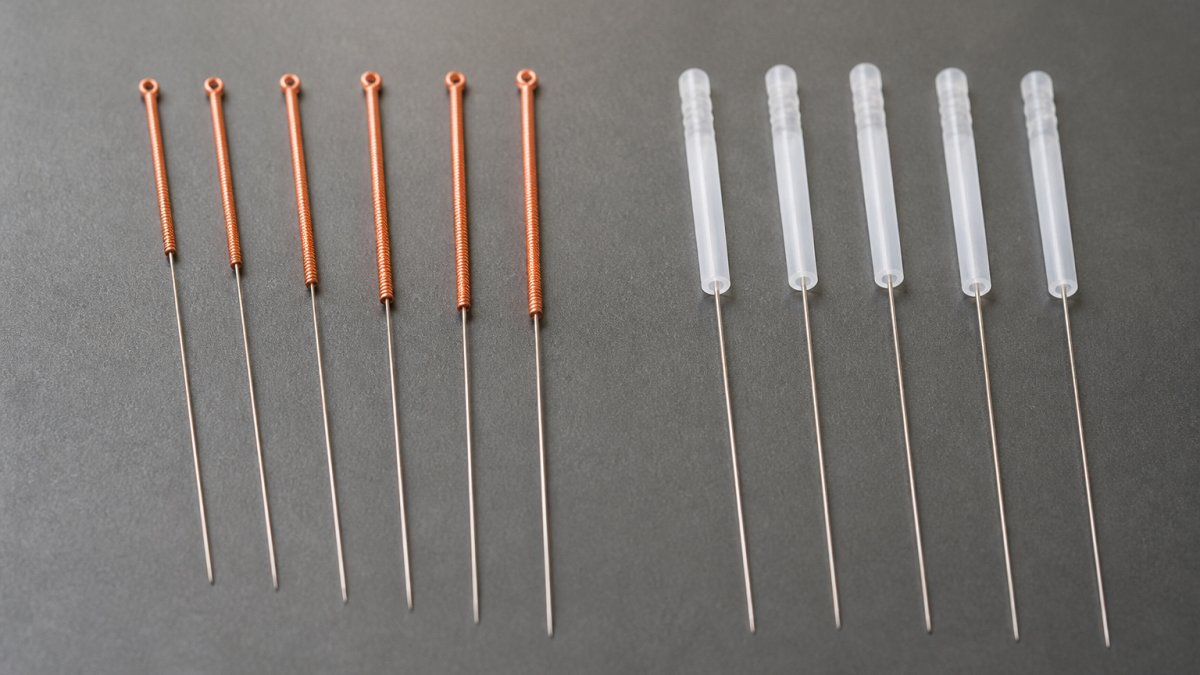
Acupuncture is a traditional healing practice that involves inserting thin needles into specific points on the body to stimulate therapeutic effects. At Source Acupuncture, we combine this ancient technique with modern understanding of how the body’s nervous system and circulation respond to precise needle placement. The practice originates from Traditional Chinese Medicine but has gained recognition in integrative medicine for its ability to address chronic pain, stress, and various health conditions through evidence-based mechanisms.
The process works through multiple physiological pathways. When needles stimulate acupuncture points, they trigger neural signaling that travels along neurological pathways to the brain and spinal cord. This stimulation activates the nervous system’s natural healing response, influencing hormone production, blood flow, and inflammation reduction. Research from the National Institutes of Health on acupuncture mechanisms documents how needle insertion causes vasodilation, widening of blood vessels, which improves circulation to affected areas and supports the body’s natural repair processes.
The meridian system, central to acupuncture theory, maps pathways of energy flow throughout the body. Modern neuroscience increasingly validates that these meridians correspond to neural networks and vascular channels. When practitioners select specific acupuncture points based on your condition, they’re targeting locations where nervous system activation produces measurable physiological changes. This isn’t mystical, it’s bio-physiological response that can be measured through improved range of motion, reduced pain signals, and normalized hormone levels.
The cumulative effect of regular treatment matters more than any single session. Your body’s nervous system learns to maintain the therapeutic state more effectively with repeated stimulation. This is why consistency beats sporadic visits.
The Cumulative Effect: Why Consistency Matters
Here’s what most people get wrong about acupuncture: they expect a single treatment to solve a chronic problem. That’s not how the body works. Regular acupuncture treatments create lasting changes through nervous system regulation and sustained inflammation reduction in ways that isolated sessions cannot achieve.
Each treatment session initiates a healing cascade. Your nervous system receives a signal to downregulate stress hormones like cortisol and upregulate parasympathetic (rest-and-recovery) activity. But after 3-7 days without follow-up stimulation, your system begins to drift back toward its baseline stress state. When you return for your next session before that drift completes, you’re building on the previous treatment’s foundation rather than starting from scratch.
This is the cumulative effect. Over weeks and months of consistent treatment, your nervous system gradually recalibrates to a lower baseline stress level. Inflammation markers improve incrementally. Blood flow patterns normalize. Muscle tension releases more readily. The body doesn’t just experience temporary relief, it learns a new, healthier functional state.
Think of it like physical training. One workout doesn’t build muscle. But consistent workouts, spaced appropriately, create measurable strength gains because your body adapts to the repeated stimulus. Acupuncture works the same way. The therapeutic benefit compounds when you maintain treatment frequency.
Source Acupuncture’s approach emphasizes this principle through our wellness membership program, which encourages regular sessions specifically because consistency produces superior long-term outcomes. Patients who commit to a regular schedule typically report more stable symptom improvement and longer periods of relief between treatments as their nervous system becomes increasingly responsive to the therapeutic stimulus.
How Often Should You Get Acupuncture for Best Results
The ideal treatment frequency depends on your specific condition and its severity, but most practitioners recommend starting with weekly sessions for acute or chronic issues. This 7-day spacing allows enough time for your body to process and integrate the treatment while maintaining momentum in your nervous system’s recalibration process.
For chronic pain conditions, a typical starting protocol involves weekly treatments for 4-6 weeks, followed by reassessment. During this initial phase, your nervous system is establishing new baseline patterns, and consistent weekly stimulation prevents regression. Once you’ve achieved meaningful improvement, many patients transition to bi-weekly maintenance sessions, still frequent enough to sustain the therapeutic effect but with longer spacing as your body becomes more resilient.
For stress and anxiety management, weekly treatments during high-stress periods provide the most noticeable nervous system regulation. Athletes and active individuals recovering from sports injuries often benefit from weekly sessions during acute recovery phases, then shift to bi-weekly or monthly maintenance once healing progresses.
| Treatment Phase | Recommended Frequency | Duration | Expected Timeline |
|---|---|---|---|
| Acute/Initial Phase | Weekly | 4-6 weeks | Noticeable improvement by week 3-4 |
| Improvement Phase | Bi-weekly | 4-8 weeks | Sustained gains, reduced symptom intensity |
| Maintenance Phase | Monthly or as-needed | Ongoing | Long-term wellness, prevention |
| Preventative Care | Monthly to quarterly | Ongoing | Baseline stress reduction, immune support |
Individual variation matters significantly. Some patients experience rapid improvement and can extend intervals sooner, while others with complex conditions benefit from longer initial treatment periods. This is why a thorough assessment during your first visit matters, a qualified practitioner evaluates your specific nervous system state and condition severity to recommend a personalized frequency.
Weekly treatment for the first 4-6 weeks establishes the foundation for long-term benefits. Consistency during this initial phase determines whether you’ll experience meaningful improvement or plateau without progress.
Acupuncture for Chronic Pain Management
Chronic pain often reflects nervous system sensitization, your pain-signaling pathways have become hyperactive and overresponsive to normal stimuli. Acupuncture for chronic pain management works by interrupting this sensitized state through direct stimulation of affected areas and reflex pathways that modulate pain perception.
When needles stimulate points near chronic pain sites, such as joint pain, musculoskeletal conditions, or referred pain patterns, they trigger local vasodilation and endorphin release. Endorphins are your body’s natural pain-relieving compounds. Simultaneously, needle insertion activates descending pain-inhibition pathways in your spinal cord and brain, essentially telling your nervous system to reduce pain signal transmission. This dual mechanism, local tissue response plus central nervous system modulation, explains why acupuncture provides relief for conditions that haven’t responded to other approaches.
For conditions like chronic lower back pain, shoulder tension, neck stiffness, and joint pain, regular acupuncture treatments gradually desensitize pain pathways. Patients often report that pain intensity decreases with each successive treatment, and the duration of relief extends. Where the first treatment might provide 3-4 days of reduced pain, by the sixth or eighth treatment, relief lasts 7-10 days. This progression reflects your nervous system’s learning, it’s becoming less reactive to the pain stimulus.
Source Acupuncture’s personalized approach to pain management involves detailed assessment of your pain patterns, movement restrictions, and underlying musculoskeletal imbalances. Our practitioners combine acupuncture with complementary techniques like cupping and red light therapy to address inflammation reduction and tissue healing simultaneously. This integrated approach accelerates the nervous system’s transition from chronic pain sensitivity to normal pain perception.
The evidence-based practice of acupuncture for chronic pain is supported by extensive clinical observation. Patients with long-standing pain conditions often achieve better outcomes with regular treatment than with sporadic visits, because the nervous system requires consistent stimulus to maintain its recalibrated pain-perception baseline.
Acupuncture for Stress and Anxiety Relief
Your nervous system operates in two primary states: sympathetic (stress-activated, fight-or-flight) and parasympathetic (rest-and-recovery, digest-and-repair). Chronic stress keeps most people locked in sympathetic dominance. Even when you’re not facing an immediate threat, your body maintains elevated cortisol levels, muscle tension, and vigilance. Acupuncture for stress and anxiety relief works by shifting your nervous system back toward parasympathetic dominance.
Needle stimulation at specific points activates vagal pathways, the major parasympathetic nerve that runs from your brain through your chest and abdomen. This activation triggers a cascade: heart rate slows, breathing deepens, muscle tension releases, and cortisol production decreases. The emotional well-being improvement patients report isn’t placebo; it’s a measurable shift in nervous system state that you can feel immediately during treatment and increasingly sustain between sessions with regular practice.
For busy professionals managing high-stress lifestyles, regular acupuncture provides systematic nervous system regulation that meditation or breathing exercises alone often cannot achieve. While those practices are valuable, acupuncture directly stimulates the parasympathetic system through a biological mechanism independent of conscious effort. This makes it particularly effective for people whose stress response has become so automatic that they struggle to activate relaxation voluntarily.
Anxiety conditions benefit similarly. When your nervous system is chronically dysregulated, anxiety becomes the default state, your body anticipates threat even in safe situations. Regular acupuncture treatments gradually recalibrate your threat-detection threshold. Over weeks of consistent treatment, your nervous system becomes less reactive, your baseline anxiety decreases, and you recover faster from stress-triggering events.
Skipping sessions during high-stress periods is counterintuitive but common. Exactly when you’re most stressed is when consistent treatment matters most. Missing appointments during peak stress undoes previous progress and prolongs the dysregulated state.
What to Expect During an Acupuncture Session
Understanding what happens during treatment reduces anxiety and helps you relax, which directly improves therapeutic outcomes. A typical acupuncture session begins with a detailed intake assessment where your practitioner asks about your health history, current symptoms, sleep quality, digestion, stress levels, and specific goals for treatment. This comprehensive evaluation, not just "where does it hurt", allows them to identify underlying patterns that contribute to your condition.
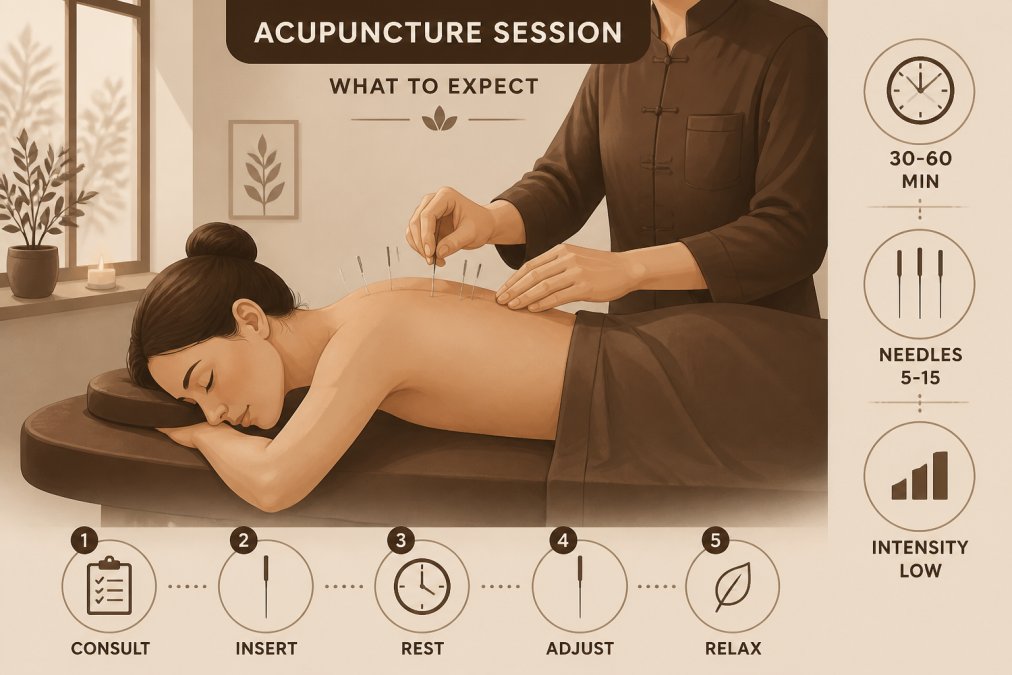
Once the assessment is complete, you’ll rest on a padded treatment table in a quiet, dimly lit room designed for relaxation. Your practitioner will clean the treatment area and begin needle insertion. Quality acupuncture needles are extremely fine, thinner than a human hair, so insertion typically produces minimal sensation. You might feel a brief pinch or slight pressure, but acupuncture shouldn’t be painful. If you experience sharp pain, tell your practitioner immediately; they’ll adjust needle depth or location.
After all needles are placed, your practitioner leaves the room and you rest quietly for 20-30 minutes. This is when the therapeutic effect deepens. Many patients fall asleep or enter a deeply relaxed state. Your nervous system is actively responding to the needle stimulation, initiating the parasympathetic shift and pain-modulation cascades. Some people report sensations of warmth, tingling, or heaviness around needle sites, these are normal responses indicating active nervous system engagement.
As the session concludes, your practitioner removes needles gently and checks in about how you feel. Most people report immediate relaxation, improved mood, or pain relief. Some effects develop over the following hours or days as your nervous system continues processing the treatment. It’s common to feel slightly tired after your first few sessions, this is your body’s natural response to shifting into parasympathetic dominance and beginning deeper healing processes.
Post-Treatment Care and Long-Term Wellness
What you do after acupuncture significantly influences how much benefit you retain. The immediate post-treatment period is when your nervous system is most responsive and your body is actively engaged in healing. Proper post-treatment care protocols extend and amplify the therapeutic effect.

For the first 2-4 hours after treatment, avoid strenuous activity, heavy lifting, or intense exercise. Your nervous system has shifted into a parasympathetic state, pushing it back into sympathetic activation through hard physical work counteracts the treatment. Light walking, gentle stretching, and relaxation are ideal. Hydration is important; acupuncture stimulates circulation and metabolic processes, so drinking water supports your body’s detoxification and healing mechanisms.
Many patients notice they sleep more deeply the night after treatment. This is beneficial, sleep is when your body consolidates healing changes. Avoid caffeine in the hours after your session, as it antagonizes the parasympathetic state you’ve just cultivated. Alcohol should also be avoided for at least 24 hours, as it interferes with nervous system recovery and can increase post-treatment soreness.
Over the long term, sustainable wellness from regular acupuncture requires attention to lifestyle factors that support your nervous system. Sleep consistency, stress management practices, movement that feels good rather than punishing, and nutrition that reduces inflammation all amplify acupuncture’s benefits. Source Acupuncture’s practitioners often recommend complementary practices, breathing exercises, gentle yoga, or regular walking, that extend the parasympathetic activation acupuncture initiates.
For patients committed to long-term wellness, the wellness membership program removes friction from consistency. When regular treatment is convenient and financially accessible through membership pricing, you’re far more likely to maintain the frequency that produces cumulative benefits. This is the practical difference between treatment that provides temporary relief and treatment that creates lasting health transformation.
Patient-reported outcome measures, how you actually feel, your pain levels, your stress resilience, your sleep quality, are the real measures of success. Track these subjectively over your first 8-12 weeks of regular treatment. Most patients notice meaningful improvement by week 4-6, with continued gains through week 12. This progression reflects your nervous system’s gradual recalibration and your body’s accumulating healing response.
Regular acupuncture treatments work because they systematically regulate your nervous system and reduce inflammation through consistent, evidence-based stimulation. If you’ve struggled with chronic pain, high stress, or conditions that haven’t responded to conventional approaches, the cumulative effect of regular treatment offers a pathway forward. Source Acupuncture’s personalized care approach and flexible wellness membership make it possible to commit to the consistent treatment frequency that produces real, measurable improvements in your health and quality of life. Book a session and experience how regular acupuncture can restore your body’s natural balance.
Frequently Asked Questions
Is regular acupuncture good for you?
Yes. Regular acupuncture treatments support the body's natural healing response by modulating the nervous system, reducing stress hormones like cortisol, and promoting inflammation reduction. Consistent sessions allow the bio-physiological benefits to accumulate, leading to improved pain management, better emotional well-being, and enhanced immune system function. The key is maintaining a treatment schedule that allows your body to sustain the therapeutic effects over time.
How often should you get acupuncture for chronic pain?
For chronic pain management, most practitioners recommend starting with weekly sessions for 4-6 weeks to establish a baseline therapeutic effect. Once pain begins to improve, sessions can often be spaced to every two weeks or monthly for maintenance. Your individual treatment frequency depends on the severity of your condition, how your body responds, and your long-term wellness goals. A licensed practitioner can assess your specific needs and create a personalized schedule.
What are the signs that acupuncture is working?
Early signs include reduced pain intensity, improved sleep quality, decreased muscle tension, and better stress management. With regular treatments, you may notice improved circulation, more stable energy levels, and enhanced emotional resilience. Some people experience immediate relief, while others see gradual improvement over several sessions. Patient-reported outcome measures like pain scales and quality-of-life assessments help track progress. Keeping notes on your symptoms between sessions helps you recognize cumulative improvements.
How long do the benefits of regular acupuncture last?
The duration of benefits depends on treatment consistency and individual factors. With regular sessions, therapeutic effects tend to build and sustain longer between treatments. Many patients find that monthly maintenance sessions preserve the benefits achieved during initial intensive treatment phases. If you stop treatment, benefits may gradually diminish over weeks to months depending on your condition. This is why ongoing, consistent care, supported by wellness memberships, helps maintain long-term health outcomes and prevents symptoms from returning.
This article was written using GrandRanker