
Table of Contents
- Understanding Hormonal Imbalance and Its Impact
- Signs of Hormonal Imbalance in Women and What They Mean
- Acupuncture for Hormonal Balance: How Traditional Medicine Supports Your Endocrine System
- Nutrition and Blood Sugar Regulation in Hormonal Health
- Lifestyle Changes for Hormone Regulation: Sleep, Stress, and Movement
- Hormonal Testing and Diagnostic Approaches
- Creating Your Personalized Holistic Treatment Plan
- Conclusion
Last Updated: August 26, 2026
Understanding Hormonal Imbalance and Its Impact
Hormonal imbalance occurs when your endocrine system produces too much or too little of specific hormones, disrupting the chemical communication that regulates your body’s core functions. This affects metabolism, mood, reproductive health, and stress response. The endocrine system operates like an intricate feedback loop, where hormones like cortisol, estrogen, progesterone, and thyroid hormones work in precise ratios. Prolonged stress, poor sleep, inflammatory foods, and environmental endocrine disruptors can overwhelm this balance, creating a cascade of symptoms that often feel disconnected from their hormonal root.
What makes hormonal imbalance particularly challenging is that symptoms develop gradually. Many people spend months or years managing individual complaints, fatigue, weight gain, mood swings, irregular cycles, without recognizing they stem from a common cause. A holistic treatment for hormonal imbalance symptoms addresses this by looking at your whole system rather than isolated problems.
The good news: your body has remarkable capacity to rebalance itself when given the right support. Holistic approaches work because they target underlying drivers, stress regulation, metabolic health, gut function, and nervous system calm, rather than just suppressing symptoms.
Hormonal imbalance is a systemic issue requiring systemic support. Single-solution fixes rarely work because hormones regulate each other through feedback loops. A comprehensive approach targeting stress, nutrition, sleep, and movement creates conditions for your endocrine system to rebalance naturally.
Signs of Hormonal Imbalance in Women and What They Mean
The symptoms of hormonal imbalance in women vary widely depending on which hormones are affected and whether levels are too high or too low.
Common physical symptoms include irregular or heavy menstrual periods, unexplained weight gain (especially around the abdomen and hips), persistent fatigue despite adequate sleep, hot flashes or night sweats, and acne that doesn’t respond to typical skincare. Hair loss or thinning can signal estrogen or thyroid dysfunction. Many women also experience joint or muscle aches without obvious injury.
Metabolic signs point to insulin sensitivity issues or thyroid dysfunction. Difficulty losing weight despite calorie restriction, intense sugar cravings, energy crashes mid-afternoon, and difficulty building muscle mass all suggest your metabolic hormones need attention.
Mood and cognitive changes are among the most distressing symptoms. Brain fog, difficulty concentrating, memory lapses, mood swings, anxiety, depression, and irritability can all stem from estrogen-progesterone imbalance or elevated cortisol. Many women report these cognitive changes feel more disruptive to daily life than physical symptoms.
Sleep disruption deserves special attention because it both causes and results from hormonal imbalance. Progesterone naturally supports sleep, so low levels create insomnia. Elevated cortisol keeps your nervous system in alert mode, preventing deep sleep. Poor sleep then drives cortisol higher, creating a vicious cycle.
If you experience severe symptoms like chest pain, sudden vision changes, or thoughts of self-harm, seek immediate medical attention. Hormonal imbalance contributes to mood changes but does not cause these acute symptoms alone.
The connection between these diverse symptoms is hormonal: they’re not separate problems but expressions of the same underlying dysregulation.
Acupuncture for Hormonal Balance: How Traditional Medicine Supports Your Endocrine System

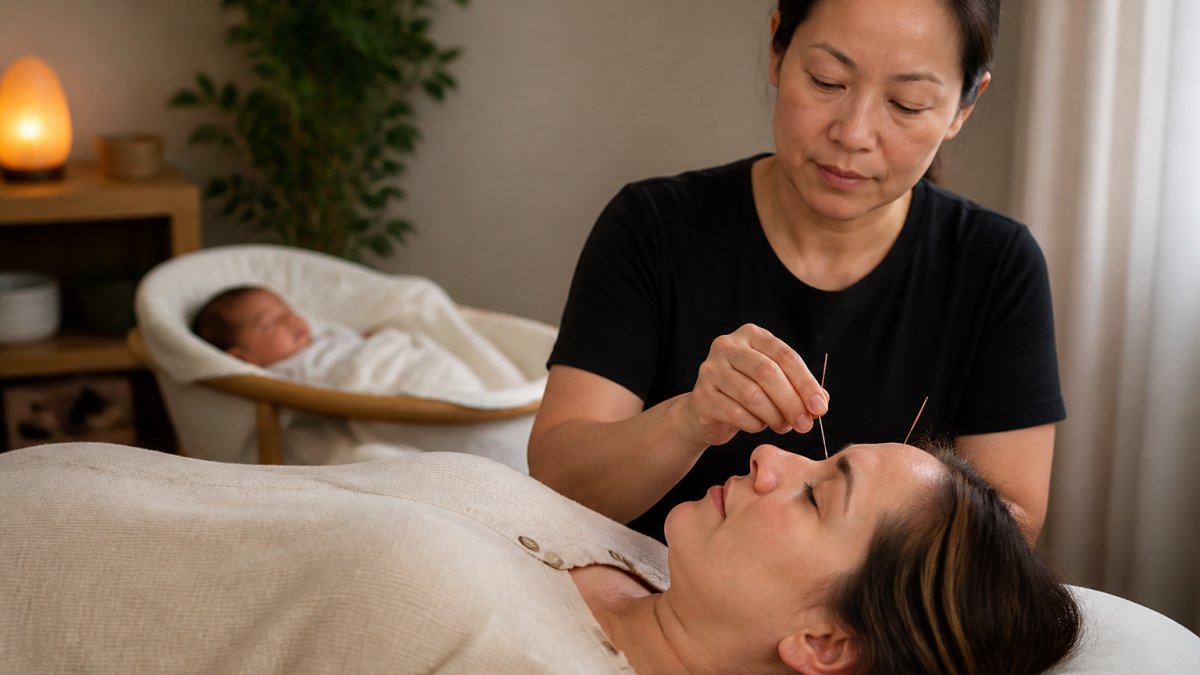
Acupuncture influences hormonal regulation by stimulating specific points that communicate with your nervous system and endocrine glands. Needle insertion activates sensory nerves that signal your brain to modulate cortisol production, reducing the chronic stress response that destabilizes other hormones. Acupuncture also stimulates the parasympathetic nervous system, your body’s "rest and digest" mode, essential for hormonal recovery.
Research on acupuncture and hormonal conditions shows consistent benefits for menstrual regulation, fertility support, and menopausal symptom relief. The mechanism works through regulating luteinizing hormone (LH) and follicle-stimulating hormone (FSH) that control the menstrual cycle, reducing inflammation that contributes to estrogen dominance, and improving blood flow to reproductive organs.
Source Acupuncture’s approach combines traditional acupuncture point selection with modern understanding of endocrine physiology. Our practitioners assess your specific symptom pattern and tailor needle placement accordingly. Most women benefit from weekly or bi-weekly sessions for the first 8-12 weeks to establish hormonal shifts, then monthly maintenance to sustain balance.
Acupuncture works best when combined with lifestyle changes. Needle therapy alone can’t overcome the effects of chronic stress, poor sleep, or inflammatory eating patterns. Think of acupuncture as removing obstacles to healing, it calms your nervous system and improves circulation, while nutrition and lifestyle changes provide the building blocks your endocrine system needs to rebalance.
Nutrition and Blood Sugar Regulation in Hormonal Health
Your dietary choices directly influence insulin sensitivity, inflammation, and the production of hormones like cortisol and estrogen. A holistic treatment for hormonal imbalance symptoms must address blood sugar regulation because unstable glucose drives cortisol spikes, which suppress progesterone and amplify estrogen dominance.
Low-glycemic index foods form the foundation of hormonal eating: non-starchy vegetables, legumes, nuts, seeds, and whole grains that release glucose slowly, preventing the blood sugar crashes that trigger cortisol release. Refined carbohydrates and sugar cause glucose spikes that exhaust your adrenals and dysregulate your entire hormonal cascade.
Specific nutrients support endocrine function directly. Omega-3 fatty acids reduce inflammation that drives estrogen dominance and support progesterone production (peer-reviewed research). Magnesium is essential for cortisol regulation and appears in every enzymatic step of hormone synthesis (peer-reviewed research). B vitamins, particularly B6 and folate, support the liver’s ability to metabolize and eliminate excess estrogen. Zinc is critical for thyroid function and progesterone production.
The gut-hormone axis represents one of the most underappreciated connections in hormonal health. Your gut microbiome produces metabolites that influence estrogen metabolism, insulin sensitivity, and cortisol regulation. A healthy microbiome supports the "estrobolome," the collection of gut bacteria that help recycle estrogen. When dysbiosis occurs, excess estrogen recirculates, worsening estrogen dominance. Probiotic-rich foods like fermented vegetables and sauerkraut, combined with prebiotic fiber, restore microbial diversity that supports hormonal balance.
Many women find that simply removing inflammatory foods, processed seed oils, refined grains, excess sugar, produces noticeable improvement in hormonal symptoms within 2-4 weeks.
Blood sugar stability is the foundation of hormonal balance. Every meal should combine protein, healthy fat, and fiber to prevent glucose spikes. This single dietary shift often resolves 30-40% of hormonal symptoms without any other intervention.
Lifestyle Changes for Hormone Regulation: Sleep, Stress, and Movement

Sleep quality directly determines whether your endocrine system can rebalance. During deep sleep, your brain clears metabolic waste, your nervous system downregulates cortisol production, and your body synthesizes progesterone and other restorative hormones. Chronic sleep deprivation is one of the most powerful drivers of hormonal imbalance.
Sleep hygiene for hormonal health goes beyond "get 8 hours." Your circadian rhythm depends on consistent light exposure. Morning sunlight (10-30 minutes of direct sun within 2 hours of waking) sets your cortisol rhythm and regulates melatonin production at night (peer-reviewed research). Evening darkness, achieved by dimming lights 2-3 hours before bed and avoiding blue light from screens, allows melatonin to rise naturally. This single change often improves sleep quality and hormonal symptoms dramatically.
Stress management directly influences cortisol, which either supports or sabotages other hormones. Chronic psychological stress keeps cortisol elevated, suppressing progesterone and thyroid function while promoting estrogen dominance and insulin resistance. Shifting from sympathetic (fight-or-flight) to parasympathetic (rest-and-digest) activation allows hormonal recovery. treating Hashimoto’s holistically.
Effective stress management practices include meditation or mindfulness (10-20 minutes daily), breathwork with extended exhales, time in nature (20 minutes reduces cortisol measurably), journaling, and meaningful social connection.
Movement matters, but the type and intensity determine whether exercise supports or stresses your hormones. High-intensity exercise increases cortisol demand, which can worsen hormonal imbalance if your adrenals are depleted. Gentle, consistent movement, walking, yoga, swimming, Pilates, builds parasympathetic tone and supports hormonal recovery without additional stress.
Aligning exercise intensity with your menstrual cycle optimizes hormonal benefit. During the follicular phase (first half of cycle), higher estrogen supports higher-intensity training. During the luteal phase (second half), gentler movement is more appropriate.
Hormonal Testing and Diagnostic Approaches
Understanding which hormones are actually imbalanced guides your treatment strategy. Comprehensive hormonal testing reveals whether you’re dealing with estrogen dominance, progesterone deficiency, thyroid dysfunction, elevated cortisol, or insulin resistance.
Conventional blood testing measures circulating hormone levels at a single point in time. For reproductive hormones, this snapshot can be misleading because estrogen and progesterone fluctuate dramatically throughout the cycle. Functional medicine practitioners often order multiple tests across the cycle to capture the actual pattern.
Saliva testing measures free (bioavailable) cortisol across the day, revealing whether your cortisol rhythm is normal. Healthy cortisol should be high in the morning and progressively lower toward evening. Dysregulated cortisol indicates adrenal dysfunction. Saliva testing also measures progesterone and estrogen metabolites.
Urine metabolite testing reveals how your liver processes and eliminates hormones. Some women have genetic variations in detoxification pathways that cause excess estrogen to recirculate. Urine testing identifies this pattern, pointing toward specific nutritional support.
Functional medicine markers like fasting insulin, glucose, and HOMA-IR reveal metabolic dysfunction that drives hormonal imbalance. Many women with hormonal symptoms have underlying insulin resistance that’s never been diagnosed.
A comprehensive hormonal assessment typically includes: fasting glucose and insulin, thyroid panel (TSH, free T3, free T4, thyroid antibodies), cortisol (ideally saliva across the day), estrogen and progesterone (timed to cycle phase), and inflammatory markers like high-sensitivity CRP.
Not all practitioners order comprehensive testing. Some rely on TSH alone for thyroid assessment, missing subclinical hypothyroidism. Insist on comprehensive, cycle-timed, or saliva-based testing. A single “normal” blood test doesn’t rule out functional hormonal imbalance.
Creating Your Personalized Holistic Treatment Plan
A truly holistic treatment for hormonal imbalance symptoms addresses your specific pattern of dysfunction through integrated strategies. Your personalized plan begins with assessment: What are your primary symptoms? When did they start? What life events preceded them? What’s your current diet, sleep, stress level, and exercise pattern?
Phase 1: Foundation (Weeks 1-4)
Stabilize your blood sugar through consistent, balanced meals. Establish a sleep schedule with consistent wake times and 2-3 hours of evening darkness. Add 10-30 minutes of morning sunlight exposure. Reduce obvious stressors and add one stress-management practice. These foundational changes often produce noticeable improvement within 2-4 weeks.
Phase 2: Assessment and Targeted Support (Weeks 4-12)
Order comprehensive hormonal testing to identify your specific pattern. Based on results, add targeted interventions: acupuncture (1-2x weekly) if you have elevated cortisol or menstrual irregularity, targeted supplementation if testing reveals deficiencies, dietary adjustments if inflammation or blood sugar dysregulation is evident. Source Acupuncture’s practitioners can help interpret your testing and recommend which acupuncture protocols align with your specific imbalance pattern.
Phase 3: Optimization and Maintenance (Week 12+)
Once you’ve achieved hormonal recovery, transition to maintenance. This typically means monthly acupuncture sessions, continued dietary practices, and ongoing stress management. Consistent acupuncture prevents hormonal relapse by maintaining the nervous system calm that hormonal balance requires.
The timeline for hormonal recovery varies. Some women see shifts within 2-4 weeks. Menstrual cycle normalization typically takes 2-3 months. Sustained resolution usually requires 3-6 months of consistent, multi-faceted support.
Women with moderate hormonal symptoms (irregular cycles, fatigue, mood changes) who are willing to commit to lifestyle changes alongside acupuncture or other therapies. This approach works best for those who can attend weekly acupuncture for 8-12 weeks, adjust their diet, and prioritize sleep.
Hormonal imbalance feels overwhelming because it touches so many aspects of your life. But this interconnection is also your advantage: when you address the root drivers through a holistic approach, improvements ripple across all these domains simultaneously.
The path forward starts with one step: stabilizing your blood sugar, improving your sleep, or booking your first acupuncture session at Source Acupuncture. Our practitioners specialize in hormonal support and can guide your personalized treatment plan. With consistent, integrated support, your endocrine system can rebalance, restoring the energy, mood stability, and vitality that hormonal health enables. Book your session today and discover how a holistic treatment for hormonal imbalance symptoms can transform your wellbeing.
Frequently Asked Questions
What is the best natural way to fix hormonal imbalance?
There is no single fix because hormonal imbalance varies by individual. A comprehensive approach combining acupuncture, nutrition adjustments, stress management, and adequate sleep typically produces the best results. Acupuncture supports endocrine system regulation by promoting circulation and reducing inflammation. Simultaneously, eliminating refined carbohydrates, increasing omega-3 fatty acids, and managing cortisol through mindfulness or movement all contribute to hormonal equilibrium. Consulting a qualified practitioner helps identify which combination works for your specific symptoms.
Can acupuncture for hormonal balance actually work if other treatments haven't?
Acupuncture operates through a different mechanism than conventional medicine. It stimulates specific points to regulate the endocrine system and reduce inflammation underlying hormonal symptoms. Many people experience results after previous treatments failed because acupuncture addresses the nervous system's role in hormone production and metabolism. Consistency matters, most practitioners recommend weekly or bi-weekly sessions for 8-12 weeks to assess effectiveness. A thorough initial assessment ensures the treatment targets your specific imbalance pattern.
What dietary changes support hormonal balance most effectively?
Prioritize low-glycemic index foods to stabilize blood sugar and reduce insulin spikes that disrupt hormonal homeostasis. Include omega-3 rich foods like fatty fish, flaxseeds, and walnuts to reduce inflammation. Add phytoestrogen-containing foods such as legumes, seeds, and cruciferous vegetables if estrogen dominance is present. Eliminate or significantly reduce refined sugars, processed oils, and alcohol, which impair liver function and hormone metabolism. Adequate protein at each meal supports stable blood sugar. Work with a practitioner to identify foods triggering your specific symptoms, as individual responses vary.
How important is consistency with acupuncture and lifestyle changes for hormonal treatment?
Consistency is essential. Hormonal regulation requires sustained effort because the endocrine system responds to patterns over time, not isolated interventions. Weekly acupuncture sessions combined with daily stress management and sleep hygiene produce measurable results within 6-8 weeks. Missing sessions or reverting to old eating habits delays progress and makes it difficult to identify what actually works for you. Many practitioners recommend a wellness membership program to remove scheduling barriers and ensure you maintain the frequency needed for symptom improvement.
What role does stress management play in hormone regulation?
Chronic stress elevates cortisol, which suppresses progesterone and thyroid function while promoting estrogen dominance and insulin resistance. Managing stress through acupuncture, mindfulness meditation, gentle yoga, or breathwork directly lowers cortisol levels and allows other hormones to rebalance. Even 10-15 minutes of daily mindfulness practice measurably reduces stress hormones. Acupuncture specifically activates the parasympathetic nervous system, shifting your body out of fight-or-flight mode. Sleep quality and circadian rhythm alignment further support cortisol regulation, making stress management one of the fastest levers for hormonal improvement.
Are environmental endocrine disruptors something I should be concerned about?
Yes. Endocrine disruptors are chemicals in plastics, personal care products, pesticides, and household items that mimic hormones and interfere with your endocrine system. Reducing exposure by choosing glass or stainless steel containers, organic produce when possible, and clean personal care products supports your holistic treatment. While dietary and lifestyle changes address internal hormone regulation, minimizing external disruption removes obstacles to healing. This is especially important if you're investing in acupuncture and nutrition changes, eliminating disruptors amplifies their effectiveness.
How do I know if my symptoms are actually hormonal imbalance versus something else?
Hormonal testing through blood work or saliva samples identifies specific imbalances in estrogen, progesterone, cortisol, thyroid, and insulin. Common symptoms include irregular periods, fatigue, mood changes, weight gain, brain fog, and sleep disruption. However, these overlap with other conditions. A qualified practitioner performs a thorough assessment of your symptom patterns, menstrual history, stress levels, and diet before recommending testing. Functional medicine or naturopathic doctors often order more comprehensive hormone panels than standard care, revealing patterns that conventional testing misses.
What's the difference between treating hormonal imbalance holistically versus with hormone replacement therapy?
Holistic treatment addresses underlying causes, inflammation, stress, poor nutrition, and circadian misalignment, allowing your body to restore natural hormone production. It takes longer but supports long-term health without synthetic hormones. Hormone replacement therapy (HRT) supplements missing hormones directly, providing faster symptom relief, especially during menopause. Many people benefit from combining both: HRT for immediate symptom management while simultaneously implementing acupuncture, nutrition, and lifestyle changes to improve endocrine function. Discuss options with your healthcare provider to determine the right approach for your situation.
This article was written using GrandRanker