Last Updated: November 4, 2026
Quick Summary
Acupuncture benefits extend beyond digestion to stress, sleep, headaches, musculoskeletal pain and recovery. Research is strongest for pain, while evidence for anxiety and sleep is mixed or preliminary, so it works best alongside evidence-based care.
- Stress is one of the most common and most studied non-pain reasons adults try acupuncture.
- Research on acupuncture for anxiety is mixed, with some trials matching sham needling.
- Pain and certain headache types have the most research support for acupuncture.
- Acupuncture is not a stand-alone treatment for anxiety disorders and should complement licensed care.
- Judge progress by tracking specific symptoms; consider changing course after four to six sessions without change.
Table of Contents
- What Acupuncture Is Used For Beyond Digestive Symptoms
- Acupuncture for Stress and Anxiety: What the Evidence Suggests
- Acupuncture for Sleep, Headaches and Musculoskeletal Pain
- Acupuncture for Hormonal Balance: Realistic Expectations
- Cupping Therapy and Other Complementary Options
- How Often You Need Acupuncture and How Progress Is Judged
- Safety, Limits and Choosing a Qualified Practitioner
- Booking Your First Acupuncture Consultation at Source Acupuncture
- Frequently Asked Questions
What Acupuncture Is Used For Beyond Digestive Symptoms
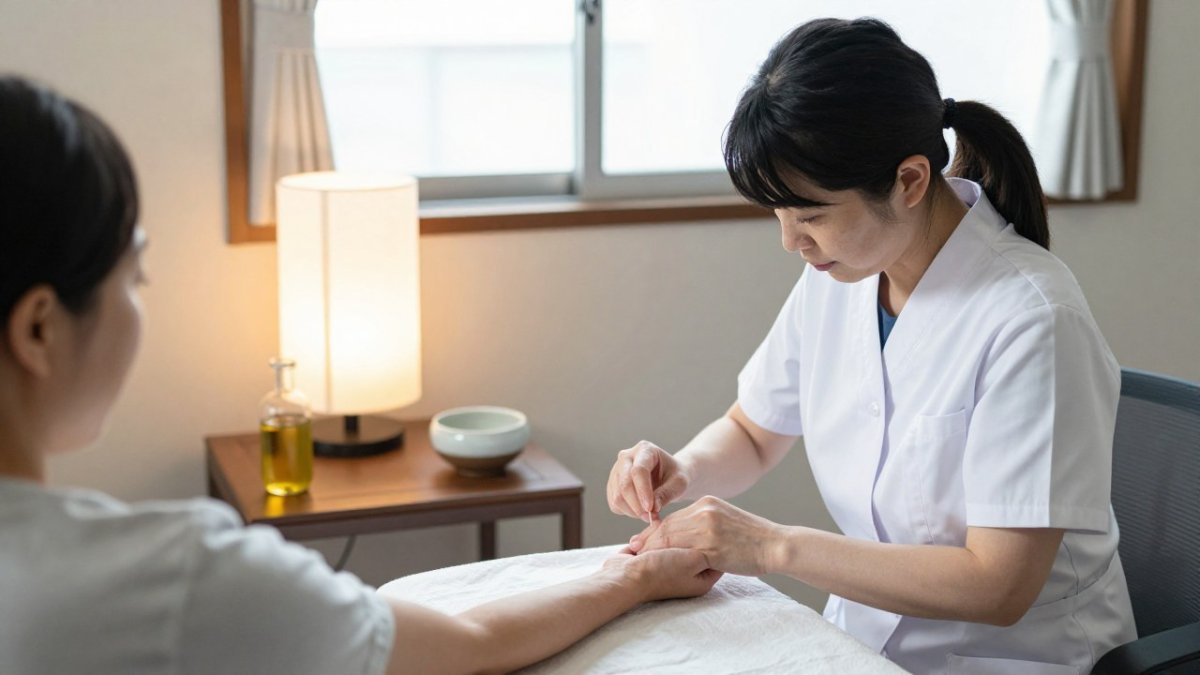
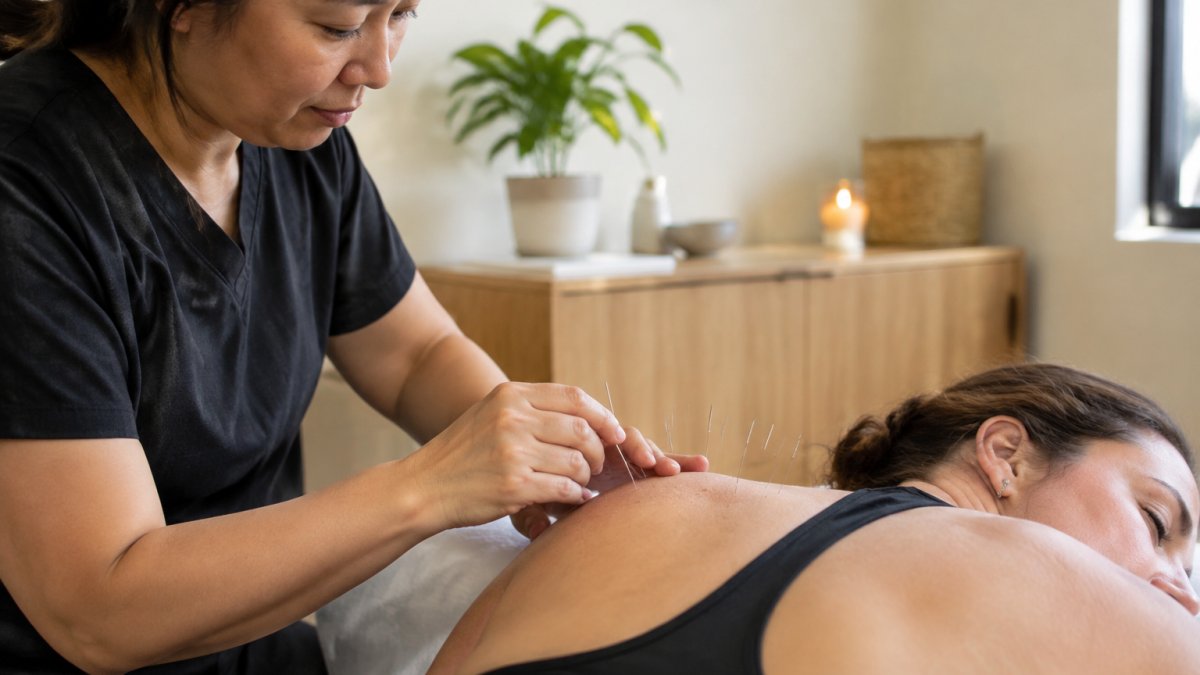
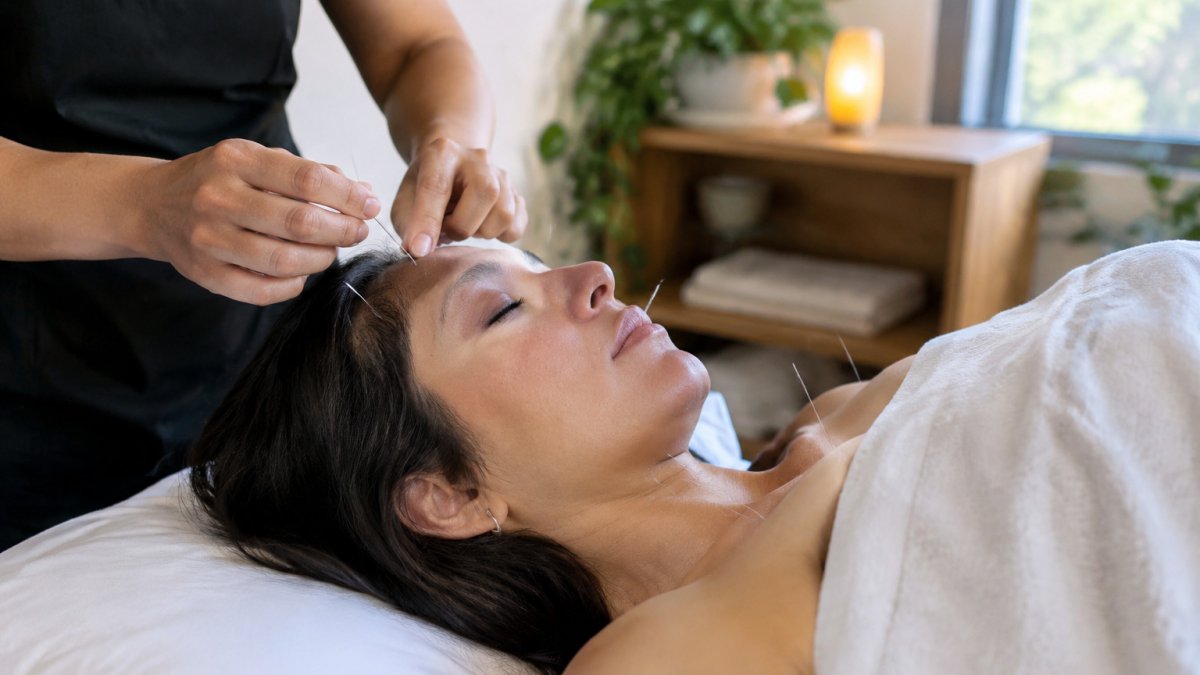
Acupuncture is often associated with digestive complaints, but many people now use it for a much wider range of concerns. Practitioners insert thin, sterile needles at specific points on the body, and patients often describe the experience as relaxing rather than painful. Source Acupuncture offers acupuncture and related services in Pacific Beach, including care for stress, hormones, and immune support.
The reason acupuncture reaches beyond digestion is that many symptoms overlap. Stress affects sleep, sleep affects pain tolerance, and pain can disrupt both mood and digestion. A practitioner may address one part of that cycle and notice effects elsewhere. That said, the research on most of these uses is still developing, so it helps to separate what has been studied well from what is anecdotal.
Common reasons people seek acupuncture today include:
- Stress and tension that show up as muscle tightness
- Sleep difficulties and restlessness
- Headaches and neck or shoulder pain
- Recovery from workouts or sports strain
- General interest in whole-body balance
Acupuncture for Stress and Anxiety: What the Evidence Suggests
Stress is one of the most common reasons adults in the United States try acupuncture, and it is also one of the most studied non-pain applications. The appeal is straightforward: many people report feeling calmer during a session and sleeping better for a day or two afterward. The question is how much of that is a specific treatment effect and how much is the ritual, the quiet room, and the expectation of relief.
The proposed mechanism is not mysterious. Needling at certain points appears to modulate the autonomic nervous system, shifting activity toward the parasympathetic ‘rest and digest’ branch and away from sympathetic arousal. Some studies measure reductions in heart rate and blood pressure during treatment, and others report changes in cortisol patterns, though results are inconsistent. A separate line of research looks at endogenous opioid release and descending pain modulation, which overlaps with the anxiety-relief story because stress and pain share neural circuitry.
The evidence base is real but uneven. Research on acupuncture for anxiety and stress is mixed, with some trials reporting reductions in self-reported anxiety and others finding effects similar to sham needling. The honest summary is that acupuncture may produce modest short-term reductions in self-reported anxiety for some people, but it is not a stand-alone treatment for an anxiety disorder.
That distinction matters for safety and for expectations. Acupuncture should be viewed as one supportive tool alongside evidence-based care, not a replacement for psychotherapy, medication, or evaluation by a licensed mental health professional. If anxiety is interfering with work, sleep, or relationships, or if you experience panic attacks, those are reasons to speak with a primary care provider or licensed therapist first. Acupuncture can reasonably sit alongside that care, and many practitioners coordinate with a patient’s other providers. The same emphasis on coordinated, realistic care applies when considering acupuncture for hair health, where any treatment should complement rather than replace appropriate medical evaluation.
Watch out: because anxiety research often relies on self-report and small samples, a single encouraging study is not proof. Look for systematic reviews and guidance from established organizations rather than individual trials when judging whether the approach is worth your time.
For more background on how the research is evaluated, the National Center for Complementary and Integrative Health overview of acupuncture is a useful starting point.
Acupuncture for Sleep, Headaches and Musculoskeletal Pain
Pain is where acupuncture has the most research behind it in the United States. Some studies on chronic pain and certain headache types have reported symptom relief, though results vary across trials. Sleep is a more tentative area, with small studies showing possible benefits that still need larger confirmation.

In practice, a session might focus on tension in the neck and shoulders, which can contribute to tension headaches. A practitioner may also combine needling with advice on posture, breathing or stretching. Patients often find that these simple habits make the treatment more effective over time.
Acupuncture is generally considered low risk when performed by a licensed practitioner using sterile, single-use needles. Soreness, minor bleeding or bruising at needle sites can occur. Anyone with a bleeding disorder, a pacemaker or who is pregnant should tell their practitioner before treatment.
The article notes that headache and musculoskeletal pain are areas with the most research behind acupuncture, and that safety depends on certain conditions.
| Condition | Evidence level | Who should check first |
|---|---|---|
| Chronic pain and certain headache types | Some studies report relief; results vary | Patients with bleeding disorders |
| Sleep | Small studies show possible benefit | Patients on blood thinners |
| Neck and shoulder tension | Often paired with posture or stretching advice | Pregnant patients |
| Common side effects | Soreness, minor bleeding or bruising | Anyone with a pacemaker |
Acupuncture for Hormonal Balance: Realistic Expectations
Some people explore acupuncture for hormone-related concerns. The evidence here is limited, and small studies vary in quality and follow-up.
This is an area where expectations matter. Acupuncture should not replace testing or medical treatment for a diagnosed hormonal condition. If your doctor has recommended a medication or evaluation, keep that plan in place. Many people use acupuncture alongside their existing care, and they find it most useful for managing symptoms like stress, sleep or tension rather than correcting the underlying hormone levels. (Source: studies on acupuncture’s effect on the autonomic nervous system)
Cupping Therapy and Other Complementary Options
Cupping is one complementary option that can be offered alongside acupuncture. Our San Diego cupping therapy guide covers benefits, types, and what to expect. It involves placing small cups on the skin to create gentle suction, which can leave temporary marks.
Other complementary options people combine with acupuncture include massage, stretching, mindfulness practices and physical therapy. Each has a different evidence base. Combining approaches can make sense, but it is wise to tell every provider about all the treatments you are receiving, so they can coordinate your care.
For readers in San Diego interested in cupping specifically, Cupping Therapy in San Diego: Benefits, Types and What to Expect explains the process in more detail.
How Often You Need Acupuncture and How Progress Is Judged
Most people do not see results from a single session. Treatment is often begun with a short series of visits, with spacing adjusted as symptoms change. The right schedule depends on the condition, how long it has been present, and how your body responds. Acute issues such as a recent strain may respond in a few visits; chronic low back pain, persistent headaches, or long-standing digestive complaints typically require a longer trial before a fair judgment can be made.
Progress is best judged by tracking specific symptoms rather than general feelings. Many practitioners ask patients to note sleep quality, pain levels on a 0-10 scale, anxiety on a validated measure such as the GAD-7, or the frequency of headaches over several weeks. The point is to create a before-and-after comparison you can actually evaluate. If you notice no meaningful change after a reasonable trial, typically four to six sessions for many conditions, it is fair to discuss other options with your provider rather than continuing indefinitely.
Consistent attendance matters, since irregular visits make it harder to tell what is working. So does honesty about what else is changing: if you started a new medication, began physical therapy, or changed your sleep schedule during the trial, that confounds the picture. A good practitioner will ask about those factors and adjust the plan accordingly.
Watch out: be skeptical of clinics that require large prepaid packages before you have had a chance to assess whether treatment helps you. A reasonable approach is a short initial trial with a clear review point, not a long-term financial commitment made on the first visit.
Cost is part of the practical picture. Pricing for acupuncture depends on the practice and the visit; for current prices, contact Source Acupuncture directly. Insurance coverage varies, so it is worth confirming benefits and any visit limits before you begin a series.
The Mayo Clinic overview of acupuncture offers guidance on what patients can reasonably expect from treatment.
Safety, Limits and Choosing a Qualified Practitioner
Acupuncture is not appropriate for everyone, and it is not a substitute for emergency or diagnostic care. Anyone with chest pain, sudden severe headache, unexplained weight loss or persistent symptoms should see a doctor first. People with bleeding disorders, those taking blood thinners, and pregnant patients should check with their physician before beginning treatment.
Choosing a qualified practitioner is one of the most important steps. Acupuncturists are generally required to be licensed, and national board credentials are available; confirm a practitioner’s current license with the relevant state authority. Ask about training, licensing, sterile needle practice and whether the clinic coordinates with other healthcare providers.
A first visit usually includes an intake conversation about your health history, current medications and goals. The practitioner will explain the proposed approach before any needles are placed. You should feel free to ask questions at any point.
Booking Your First Acupuncture Consultation at Source Acupuncture
If you are considering acupuncture for stress, sleep, pain or general recovery, a first consultation is a practical place to start. At Source Acupuncture in Pacific Beach, our licensed practitioners work with you to understand your goals. You can explore the full range of services we offer to see how acupuncture fits alongside cupping, red light therapy and other options.
Before you book, it can help to learn how to find a certified acupuncture practitioner and to read our 2026 guide to choosing a qualified provider. Anxiety is a common reason people reach out, and our comparison of somatic therapy and acupuncture for anxiety relief may help you weigh your options.
Frequently Asked Questions
Can acupuncture help with more than digestive problems?
Yes. Research on acupuncture has examined outcomes beyond digestion, including chronic pain, tension headaches, sleep quality and stress-related symptoms. The evidence varies by condition: some areas, such as certain types of chronic pain and headache, have more clinical trials behind them, while others rest on smaller pilot studies. Acupuncture is generally used as a complement to standard care, not a replacement for it. A conversation with your doctor and a licensed acupuncturist can clarify which uses make sense for your situation.
What are the signs that acupuncture is working?
People often notice changes gradually rather than all at once. Changes may relate to muscle tension, sleep, headaches, or how the body responds to daily stress. Practitioners typically track symptoms across several sessions, comparing how often a symptom appears and how intense it feels. Keeping a short written log of symptoms between visits makes progress easier to judge and gives your practitioner useful information for adjusting the plan.
How often should I get acupuncture?
Frequency depends on the condition, how long it has been present and how your body responds. Frequency depends on the condition and how the body responds. A licensed practitioner can recommend a schedule after an initial assessment.
Is acupuncture safe, and who should check with a doctor first?
Acupuncture is generally considered low risk when performed by a licensed practitioner using sterile, single-use needles. Possible side effects include soreness, minor bleeding or bruising at needle sites, and occasional lightheadedness. People who are pregnant, take blood-thinning medication, have a bleeding disorder, use a pacemaker, or have a serious medical condition should speak with their physician before starting treatment. Acupuncture should never replace evaluation of new or worsening symptoms.
Ready to see whether acupuncture fits your routine? Book a session at Source Acupuncture and our team will help you decide on a sensible next step for your goals.