Table of Contents
- Understanding Nervous System Dysregulation
- Signs of Nervous System Dysregulation to Recognize
- Breathing and Breathwork for Immediate Nervous System Calming
- Somatic Grounding Techniques to Reset Your Nervous System
- Vagus Nerve Exercises for Long-Term Regulation
- Benefits of Acupuncture for Stress and Nervous System Regulation
- Building a Sustainable Nervous System Regulation Practice
- Conclusion
Last Updated: August 19, 2026
Understanding Nervous System Dysregulation
Your nervous system maintains balance until stress, trauma, or prolonged tension disrupts it, creating dysregulation. This occurs when your autonomic nervous system gets stuck in a stress response pattern, leaving you either hyperaroused (fight-or-flight) or hypoaroused (shutdown). Nervous system regulation techniques aim to restore your "window of tolerance", the zone where you think clearly, respond flexibly, and handle daily challenges without overwhelm.
This matters because you’re not trying to eliminate stress or feel happy constantly. You’re training your nervous system to return to homeostasis after activation. Your nervous system has neuroplasticity, meaning it learns new patterns through consistent practice. Source Acupuncture recognizes that nervous system dysregulation underlies many chronic conditions, from digestive issues to hormonal imbalances. The techniques in this guide work best when practiced consistently, not just during crisis.
Signs of Nervous System Dysregulation to Recognize
Hyperarousal signals include racing thoughts, sleep difficulty, constant edge, muscle tension, rapid heartbeat, and shallow breathing. You might feel irritable, anxious, or unable to relax even when safe. Your body stays primed for threat, burning cortisol and adrenaline without actual danger.
Hypoarousal presents as numbness, disconnection from your body, lack of motivation, or mental fog. You might sleep excessively, move slowly, or feel emotionally flat. This shutdown response conserves energy by dampening everything down.
Many people flip between both states, hyperaroused during work, crashing into hypoarousal at night. This exhausting pattern keeps your nervous system stuck in dysregulation.
Physical signs cut across both: digestive problems, headaches, chronic pain, hormonal irregularities, and weakened immunity. Your nervous system controls these through the vagus nerve and autonomic pathways. When dysregulated, these systems suffer.
The key insight: dysregulation isn’t a character flaw. It’s your nervous system protecting you from perceived threat. The problem is your system got calibrated too sensitively or stuck in a protective pattern. Regulation techniques teach your system a new calibration.
Breathing and Breathwork for Immediate Nervous System Calming
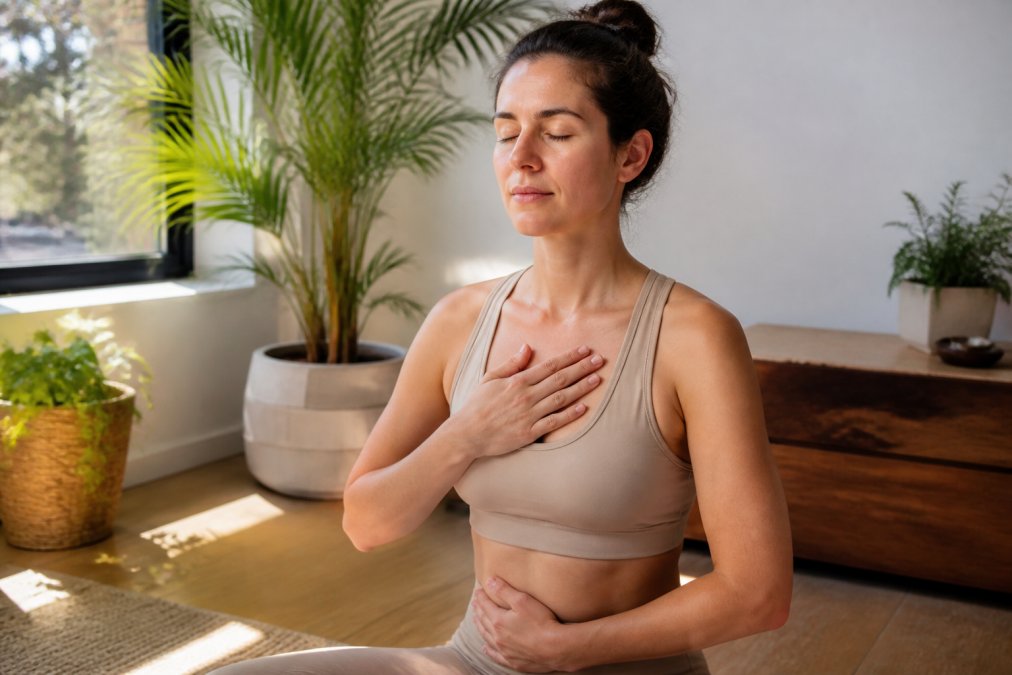
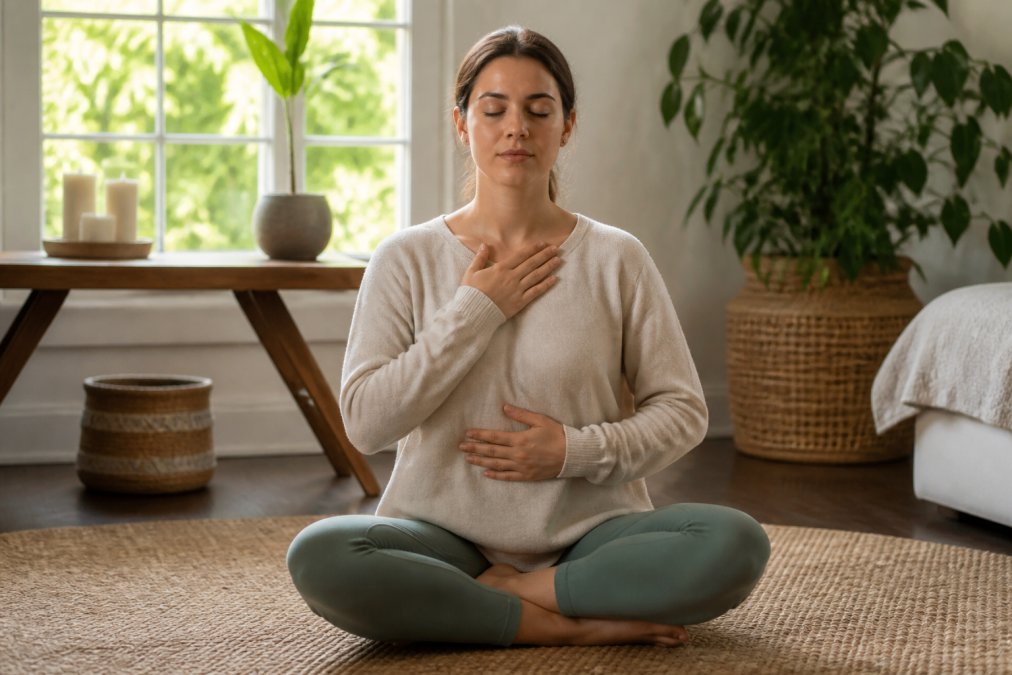
Breathing is the fastest way to shift your nervous system state because it’s the only autonomic function you can consciously control. Slow, deep breathing activates your parasympathetic nervous system, the rest-and-digest branch that counters fight-or-flight.
The physiological sigh is one of the most effective techniques for immediate calming:
- Inhale through your nose for a count of 4
- At the top of the inhale, take a second small inhale through your nose
- Exhale slowly through your mouth for a count of 6 or 8
- Repeat for 3-5 minutes
The extended exhale signals safety to your nervous system. A longer exhale than inhale tells your body there’s no threat. Use your full diaphragm, your belly should expand on the inhale, not just your chest.
Box breathing works well for those needing structure: inhale for 4, hold for 4, exhale for 4, hold for 4, repeat for 2-3 minutes. This rhythm itself is calming.
For chronic stress, alternate nostril breathing balances your nervous system. Close your right nostril and inhale through the left for 4 counts. Close the left, exhale through the right for 4 counts. Inhale right, exhale left. Continue for 5-10 minutes.
Consistency matters more than duration. Three minutes daily beats thirty minutes once a week. Your nervous system needs repeated practice to learn that slow breathing means safety.
The physiological sigh (double inhale, extended exhale) produces the fastest nervous system downregulation of any breathing technique. Practice it for 3-5 minutes when you feel activation rising.
Somatic Grounding Techniques to Reset Your Nervous System

Somatic techniques use your body’s sensory systems to interrupt dysregulation patterns. They work through interoception, your ability to sense what’s happening inside your body.
The 5-4-3-2-1 grounding technique anchors attention to the present moment. Notice 5 things you can see, 4 things you can touch, 3 things you can hear, 2 things you can smell, and 1 thing you can taste. This engages your sensory cortex, pulling you out of threat-detection mode.
Cold water immersion is a powerful reset. Splash cold water on your face or hold ice cubes in your hands for 10-15 seconds. This triggers the dive response, immediately lowering your heart rate and shifting toward parasympathetic activation. It’s especially effective for acute hyperarousal.
Grounding through physical contact with earth is powerful. Remove your shoes and stand on grass, soil, or sand for 5-10 minutes. The direct contact with earth’s surface has a measurable calming effect on your nervous system.
Progressive muscle relaxation teaches your body the difference between tension and relaxation. Tense each muscle group for 5 seconds, then release, moving from toes to face. This 10-15 minute practice trains your nervous system to recognize and release held tension.
Movement itself is somatic practice. Gentle yoga, tai chi, or walking allows your body to process activation. The key is moving with awareness, feel how your body moves and notice where you hold tension.
Cold water immersion can be intense for people with heart conditions or severe hyperarousal. Start with mild water or skip this technique if it causes panic.
Vagus Nerve Exercises for Long-Term Regulation
The vagus nerve is your parasympathetic nervous system’s main highway, running from your brain stem to your gut and connecting to your heart, lungs, and digestive organs. Stimulating this nerve directly downregulates stress response. Unlike breathing techniques, which work quickly but briefly, vagus nerve exercises create lasting changes in your nervous system baseline.
Humming and vocal toning activate the vagus nerve through its connection to your vocal cords. Hum for 30 seconds, rest for 15 seconds, and repeat 5-10 times. The vibration stimulates the nerve directly. Chanting, singing, and gargling have similar effects.
Gargling with water for 30 seconds engages the same mechanism. Do this 3-5 times daily.
Neck exercises target the vagus nerve through surrounding muscles. Spend 1-2 minutes on gentle neck rolls and lateral stretches, focusing on sensation rather than forcing range of motion.
Singing or chanting engages the vagus nerve through vocal cord vibration and breathing rhythm. The practice works because of physical activation, not sound quality.
Cold face immersion is the most direct vagus nerve stimulus. Submerge your face in cold water for 10-15 seconds or splash cold water on your face while holding your breath. This triggers the mammalian dive response, immediately activating your parasympathetic nervous system. practical anxiety tools.
Slow, intentional breathing with extended exhales specifically targets the vagus nerve. The longer exhale signals safety and directly stimulates parasympathetic activation.
Consistency matters most here. A single exercise produces brief effect, but daily practice for 4-8 weeks actually retrains your nervous system baseline. Your resting state becomes more parasympathetic, you recover faster from stress, and your window of tolerance expands.
The vagus nerve is your nervous system’s main “calm” switch. Humming, cold face immersion, and slow breathing all stimulate it directly. Daily practice rewires your baseline nervous system state over weeks.
Benefits of Acupuncture for Stress and Nervous System Regulation
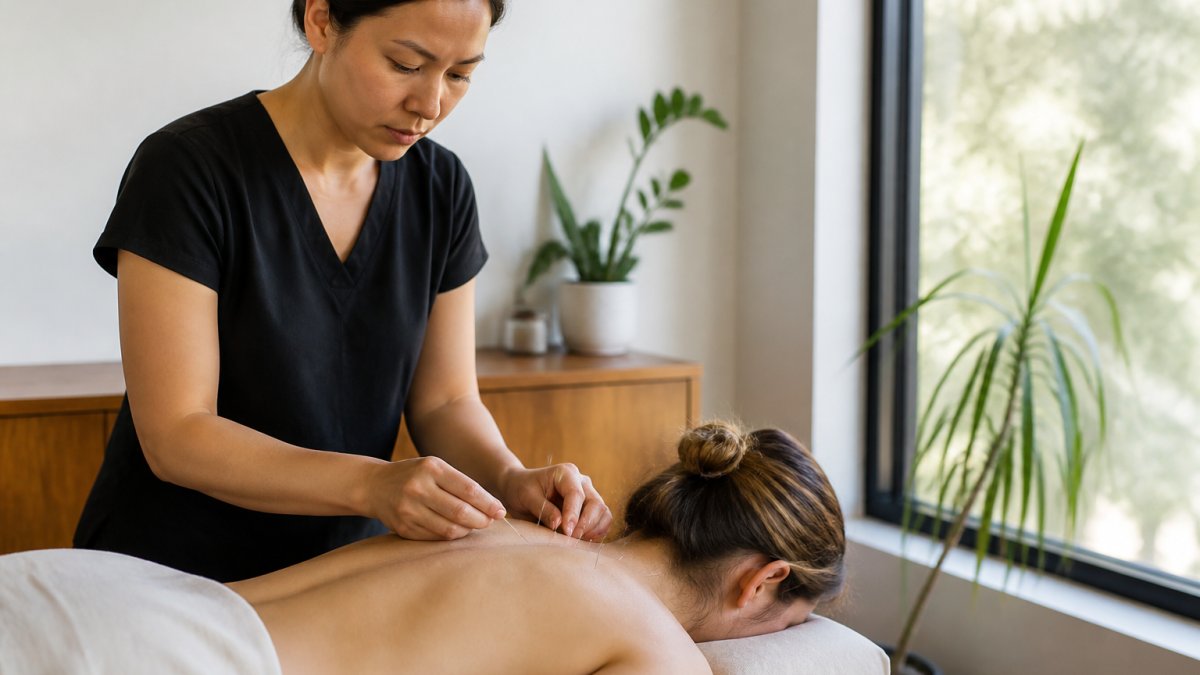
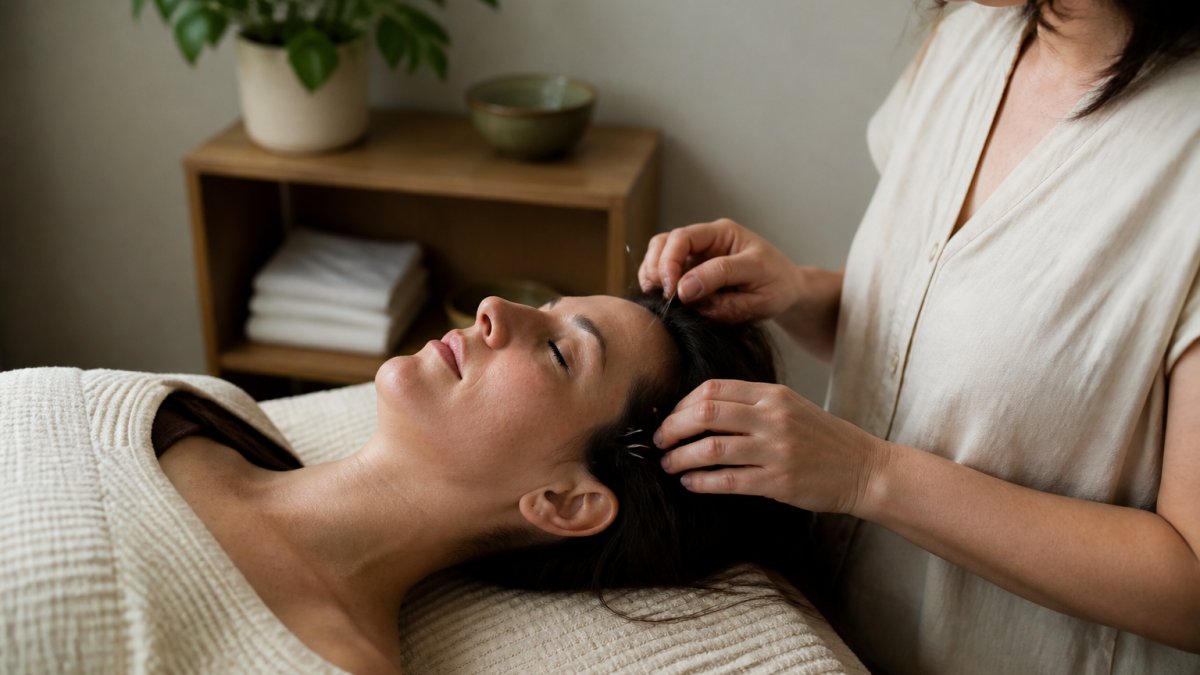
Acupuncture works on your nervous system through multiple pathways. When needles are placed at specific points, they stimulate nerve fibers that send signals to your brain and spinal cord, activating your parasympathetic nervous system and reducing cortisol production. Research shows acupuncture increases vagal tone, the strength and responsiveness of your vagus nerve.
One mechanism is the release of endogenous opioids and neurotransmitters like serotonin and dopamine. Acupuncture triggers your body to produce these naturally, shifting your nervous system from hyperarousal toward calm.
Another pathway is direct autonomic nervous system stimulation. Acupuncture activates the parasympathetic branch, counteracting chronic sympathetic activation. For people stuck in fight-or-flight mode, acupuncture provides direct nervous system downregulation.
Acupuncture also addresses physical manifestations of dysregulation: muscle tension, digestive issues, sleep problems, and hormonal imbalances. By treating the nervous system itself, it addresses the root cause rather than just symptoms.
At Source Acupuncture, practitioners use an approach to nervous system regulation, understanding that dysregulation is a protective response that got stuck. Personalized care ensures your specific dysregulation pattern is addressed.
Benefits compound over time. A single session provides immediate relief, but consistent treatment (typically weekly or bi-weekly) creates lasting baseline changes. Your body learns to stay in a more regulated place naturally.
Building a Sustainable Nervous System Regulation Practice
These techniques work only if practiced consistently. Daily practice for 4-8 weeks rewires your nervous system; a single session won’t.
Start with one technique and master it before adding more. Pick what resonates most with you. If you like structure, try box breathing. If you like movement, try somatic grounding or yoga. If you want professional support, acupuncture provides accountability and expert guidance.
Track your nervous system state daily. Use a simple scale: 1-3 is hypoaroused, 4-6 is window of tolerance, 7-10 is hyperaroused. Check in morning and evening. After 2-3 weeks of consistent practice, you’ll notice your baseline shifting downward.
Build your practice into existing routines. Practice breathing during your commute, do grounding exercises while your coffee brews, or practice humming in the shower. This removes friction that kills most wellness practices.
Include acupuncture as part of your practice, not as standalone treatment. Weekly or bi-weekly sessions create a container for your regulation work. Between sessions, practice techniques on your own. Professional guidance helps you stay consistent and adjust your approach.
Expect the first 2-3 weeks to feel like nothing is happening. Your nervous system has been dysregulated for months or years. By week 4-6, most people notice meaningful shifts: better sleep, less reactivity, more emotional flexibility. By week 8-12, changes become your new baseline.
The biggest mistake is stopping too soon. You need at least 4-8 weeks of consistent practice to create lasting nervous system change.
People with chronic stress, anxiety, or trauma who want to address root nervous system dysregulation rather than just manage symptoms. This approach works best for people willing to practice consistently over weeks.
Conclusion
Nervous system dysregulation is the root cause of most stress-related suffering. Breathing work, somatic grounding, vagus nerve exercises, and acupuncture all teach your nervous system that you’re safe, allowing it to shift from protection mode back to regulation.
The key is consistency. Lasting change requires weeks of daily practice. Start with one technique, track your progress, and build from there. Source Acupuncture offers personalized nervous system regulation through acupuncture, cupping, and red light therapy, combined with daily self-care techniques. Together, they create conditions for real, lasting nervous system healing. Book a session to get professional guidance tailored to your specific dysregulation pattern and begin rewiring your baseline nervous system state today.
Frequently Asked Questions
What are the signs of a dysregulated nervous system?
Signs include persistent anxiety, difficulty concentrating, muscle tension, sleep disruption, digestive issues, and emotional reactivity. Physical symptoms may include elevated heart rate, shallow breathing, or feeling stuck between hyperarousal (racing thoughts, restlessness) and hypoarousal (numbness, fatigue). If symptoms persist, consult a healthcare provider for proper evaluation.
How do vagus nerve exercises help regulate your nervous system?
The vagus nerve controls the parasympathetic nervous system, which activates your 'rest and digest' response. Vagus nerve exercises like humming, cold water exposure, and neck stretches stimulate this nerve directly, signaling your body to downregulate stress responses. Regular practice strengthens your capacity to return to calm after stress, building long-term resilience.
Can acupuncture help with nervous system regulation?
Yes. Acupuncture activates parasympathetic pathways and may reduce cortisol levels, supporting the body's natural calming response. Many people report improved sleep, reduced anxiety, and better emotional regulation after consistent acupuncture. Results vary based on individual physiology and treatment frequency. A consultation with a licensed acupuncturist can determine if acupuncture is appropriate for your specific needs.
What's the difference between quick-fix techniques and long-term nervous system regulation?
Quick-fix techniques like the 5-4-3-2-1 grounding method provide immediate relief during acute stress but don't rewire your nervous system's baseline. Long-term regulation requires consistent practice of breathwork, somatic exercises, lifestyle adjustments, and professional support like acupuncture. Building sustainable habits takes weeks to months, but creates lasting improvements in stress resilience and emotional regulation.
This article was written using GrandRanker