

Table of Contents
- Understanding Hormonal Imbalance: What’s Really Happening
- Step 1: Get Hormone Testing and Diagnostics
- Step 2: Optimize Your Diet for Hormonal Imbalance
- Step 3: Manage Stress and Environmental Endocrine Disruptors
- Step 4: Prioritize Sleep Hygiene and Circadian Rhythm
- Step 5: Add Herbs and Supplements for Hormonal Imbalance
- Step 6: Implement Lifestyle Changes for Hormonal Balance
- Step 7: Track Progress and Monitor Your Hormonal Health
How to Fix Hormonal Imbalance Naturally: 7 Steps
Last Updated: July 18, 2026
Understanding Hormonal Imbalance: What’s Really Happening
Hormonal imbalances affect millions of people, yet most don’t realize their symptoms stem from endocrine dysfunction. True hormonal balance requires a multi-layered approach addressing diet, stress, sleep, and environmental factors simultaneously, not a single supplement or habit change.
Your hormones regulate metabolism, energy, mood, sleep, and reproductive health. When this system falls out of sync, symptoms feel overwhelming and disconnected. Understanding what’s happening inside your body is the first step toward meaningful change.
Common symptoms of hormonal imbalance
Hormonal imbalance manifests as unexplained weight gain, persistent fatigue, brain fog, or mood swings. Women often experience irregular cycles, severe PMS, hot flashes, or night sweats. Men may notice decreased libido, erectile dysfunction, or muscle loss. Both sexes can develop skin issues, hair loss, anxiety, or depression unresponsive to standard treatments.
The challenge is that these symptoms overlap with thyroid dysfunction, adrenal fatigue, and blood sugar dysregulation, requiring careful investigation rather than guesswork.
The role of the endocrine system
Your endocrine system is a network of glands producing hormones like estrogen, progesterone, cortisol, insulin, and thyroid hormones. Each gland influences others in complex feedback loops. High cortisol from chronic stress suppresses progesterone. Elevated insulin from refined carbohydrates disrupts estrogen metabolism. Poor sleep impairs your circadian rhythm, which controls hormone release. Environmental endocrine disruptors, chemicals in plastics, pesticides, and personal care products, mimic hormones and confuse your system.
This interconnectedness is why generic advice often fails. You need to understand your specific hormonal pattern, then address the actual drivers of your imbalance.
Step 1: Get Hormone Testing and Diagnostics
Before implementing any protocol, you need data. Work with your primary care physician or OB-GYN to order testing including estrogen, progesterone, cortisol, insulin, fasting glucose, TSH, free T3, free T4, and DHEA. Timing matters, cortisol should be tested at specific times of day, and reproductive hormones may need testing on specific menstrual cycle days.
Functional medicine doctors often offer more detailed testing, including salivary cortisol tests that measure hormone levels throughout the day rather than at a single point. This gives you a clearer picture of your cortisol patterns and circadian rhythm function.
Request a copy of your lab results and reference ranges. A TSH of 2.5 is technically normal but may indicate suboptimal thyroid function for many people.
Step 2: Optimize Your Diet for Hormonal Imbalance
Your diet is the single most powerful lever for fixing hormonal imbalance. Food directly influences insulin, cortisol, estrogen metabolism, inflammation, and gut microbiome health.
Foods to eat for hormone balance
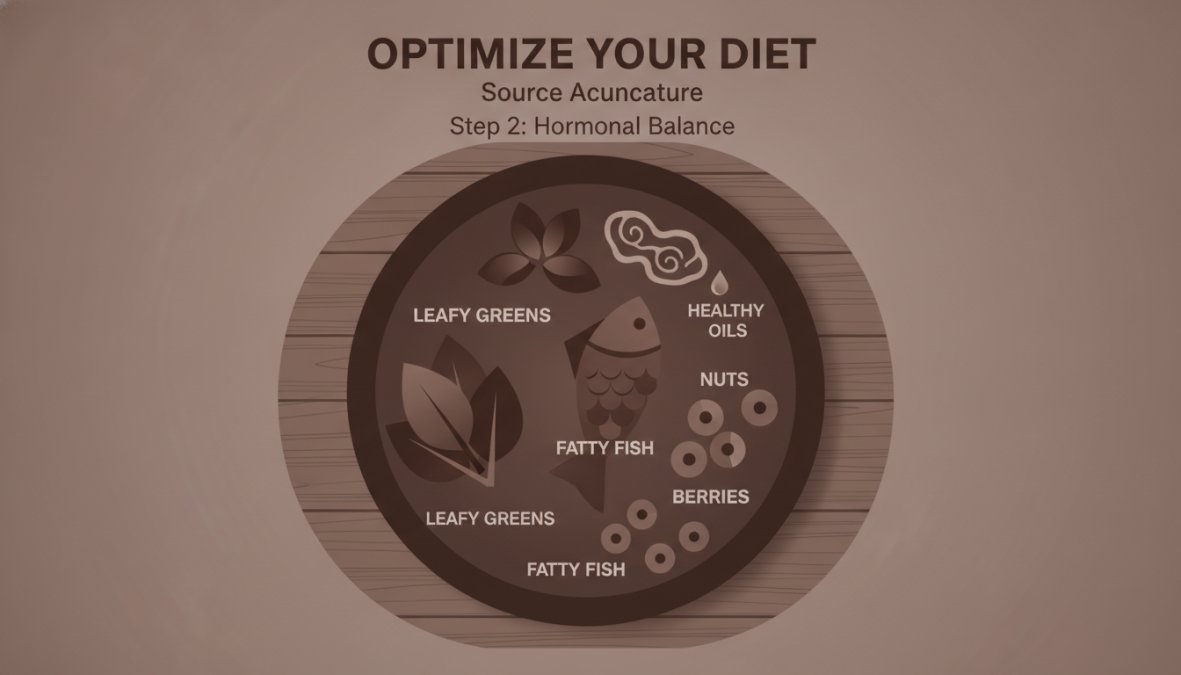
Prioritize whole foods supporting estrogen metabolism and stable blood sugar. Cruciferous vegetables like broccoli and Brussels sprouts help your liver process excess estrogen. Leafy greens provide magnesium, essential for progesterone production. Fatty fish like salmon deliver omega-3 fatty acids that reduce inflammation and support hormone receptor function.
Include healthy fats from avocados, olive oil, nuts, and seeds, your hormones are made from cholesterol. Fiber-rich foods feed beneficial gut bacteria that influence estrogen metabolism through the estrobolome. Include zinc-rich foods like oysters, beef, and pumpkin seeds, critical for reproductive hormone production.
Foods to avoid: sugar and refined carbohydrates
Refined carbohydrates spike blood sugar, triggering excess insulin release. Chronically elevated insulin disrupts your menstrual cycle, increases inflammation, promotes weight gain, and interferes with estrogen metabolism. High-sugar foods feed pathogenic bacteria, damaging your microbiome and impairing estrogen metabolism.
Processed vegetable oils high in omega-6 fatty acids promote inflammation when consumed in excess. Alcohol impairs liver function and estrogen metabolism. Excessive caffeine can elevate cortisol and interfere with sleep quality.
Switching to “diet” versions of sugary foods doesn’t solve the problem. Real hormonal balance requires reducing total sugar load and prioritizing whole foods.
Step 3: Manage Stress and Environmental Endocrine Disruptors
Chronic stress prioritizes cortisol production, and when elevated for weeks or months, it suppresses progesterone, thyroid function, and immune response while promoting blood sugar dysregulation and inflammation.
Stress management techniques and cortisol control
Activate your parasympathetic nervous system regularly through meditation, breathwork, gentle yoga, time in nature, or activities bringing genuine joy. Deep breathing exercises are particularly effective, try the 4-7-8 technique: inhale for 4 counts, hold for 7, exhale for 8. This activates the vagus nerve and shifts you from fight-or-flight to rest-and-digest mode. Even 5-10 minutes daily creates measurable changes in cortisol levels.
Acupuncture and related modalities like cupping and red light therapy activate the parasympathetic nervous system while improving circulation and reducing inflammation.
Identifying and reducing endocrine disruptors
Environmental endocrine disruptors are chemicals mimicking or interfering with your hormones: BPA in plastic containers, phthalates in fragrances, pesticides on produce, and flame retardants in furniture. Start reducing exposure by switching to glass containers, choosing fragrance-free personal care products, buying organic for the "Dirty Dozen" produce items, and filtering drinking water. Replace plastic cutting boards with wood and choose organic cotton bedding when possible.
Step 4: Prioritize Sleep Hygiene and Circadian Rhythm
Your circadian rhythm controls when you release melatonin, cortisol, growth hormone, and reproductive hormones. When disrupted by irregular sleep schedules or blue light exposure, your entire endocrine system falls out of sync.
Aim for 7-9 hours of consistent sleep, going to bed and waking at the same time even on weekends. Stop using screens 60-90 minutes before bed. Keep your bedroom cool (around 65-68°F), completely dark, and quiet. Avoid alcohol before bed, as it severely disrupts sleep architecture.
Your sleep schedule directly controls your cortisol curve. Consistent sleep trains your body to release cortisol in the morning and melatonin at night. Irregular sleep flattens this curve, leaving you tired during the day and wired at night.
Step 5: Add Herbs and Supplements for Hormonal Imbalance
Once you’ve addressed diet, stress, and sleep, targeted herbs and supplements can accelerate hormonal rebalancing. Taking random supplements without understanding your specific imbalance wastes money and may worsen your situation.
Herbs for hormonal balance and adaptogens
Adaptogenic herbs help your body manage stress and support hormonal resilience. Ashwagandha reduces cortisol and anxiety while improving sleep quality. Rhodiola supports energy while moderating cortisol. Schisandra berry improves stress resilience and supports liver function, critical for hormone metabolism.
For women, vitex can help regulate progesterone if testing shows low levels. Dong quai and black cohosh support estrogen metabolism during perimenopause. Spearmint tea may help reduce excess androgens.
Magnesium is perhaps the single most important supplement for hormonal balance. It’s required for progesterone production, cortisol regulation, sleep quality, and blood sugar control. Most people are deficient. Take 300-400mg daily, preferably magnesium glycinate.
Safety considerations and medication interactions
Herbs can interact with medications. If you’re on birth control, blood thinners, antidepressants, or thyroid medication, check with your doctor before adding supplements. Buy from reputable brands that third-party test for purity and potency. Start with one supplement at a time and give each 4-6 weeks before assessing effectiveness.
Step 6: Implement Lifestyle Changes for Hormonal Balance
Hormonal balance requires consistent daily habits, movement patterns, social connection, and emotional processing.
Importance of regular exercise and movement
Exercise influences insulin sensitivity, cortisol regulation, and hormone production. Excessive high-intensity exercise without adequate recovery actually increases cortisol and can worsen hormonal imbalance.
A balanced approach includes strength training 2-3 times weekly, moderate cardio 3-4 times weekly, and flexibility work daily. Consistency matters more than intensity. Strength training is particularly important because muscle tissue improves insulin sensitivity and hormonal resilience.
Gut microbiome and detoxification pathways
Your gut microbiome directly influences hormone metabolism through the estrobolome. Support it by eating fermented foods, consuming prebiotic fiber, and avoiding unnecessary antibiotics. Your liver and kidneys handle detoxification and hormone elimination, support these organs by staying hydrated, limiting alcohol, eating vegetables, and avoiding unnecessary chemical exposure.
Step 7: Track Progress and Monitor Your Hormonal Health
Fixing hormonal imbalance is a process, not an event. Keep a simple log of symptoms: energy levels, mood, sleep quality, menstrual cycle regularity, digestion, and skin condition. Rate each 1-10 daily. After 4-6 weeks, you’ll see whether your changes are working.
Retest your hormones every 3-6 months after implementing changes. This shows you objectively whether your interventions are working.
| Timeframe | Action | Expected Outcome |
|---|---|---|
| Week 1-2 | Eliminate refined carbs, start sleep consistency | Better sleep, reduced cravings |
| Week 3-4 | Add stress management practice, optimize diet | Improved mood, more stable energy |
| Week 5-8 | Begin targeted supplements, consistent movement | Noticeable symptom improvement |
| Month 3 | Retest hormones, assess progress | Objective data on hormone levels |
| Month 6 | Evaluate full protocol, adjust as needed | Sustained improvement or refinement |
Hormonal balance is deeply individual. The process of testing, implementing, tracking, and adjusting is how you discover your specific path to hormonal health. Be patient with yourself, you didn’t develop this imbalance overnight, and you won’t fix it overnight either.
Hormonal imbalance doesn’t have to be a chronic struggle. When you address root causes, diet quality, stress resilience, sleep consistency, and environmental exposures, your body’s natural regulatory capacity returns. At Source Acupuncture, we’ve supported countless clients through this process using personalized acupuncture treatments, red light therapy, and cupping to reduce stress and improve circulation while you implement these lifestyle changes. Our wellness membership program makes consistent, supportive care accessible and affordable. Book a session today and start your journey toward sustainable hormonal balance.
Frequently Asked Questions
What are the most common symptoms of hormonal imbalance?
Common symptoms include irregular periods, mood swings, fatigue, weight gain, brain fog, and changes in libido. In men, low testosterone may cause low energy and mood changes. Women may experience hot flashes, night sweats, or sleep disturbances related to estrogen and progesterone fluctuations. Symptoms vary widely depending on which hormones are imbalanced and whether levels are too high or too low. If you experience persistent symptoms, consult your PCP or OBGYN for proper evaluation.
How long does it take to fix hormonal imbalance naturally?
Timeline depends on the severity of imbalance and consistency of lifestyle changes. Most people notice initial improvements in energy, mood, or sleep within 4-8 weeks of implementing diet, stress management, and exercise changes. More significant hormonal shifts typically take 3-6 months of sustained effort. Tracking your symptoms through journaling helps monitor progress. Consult a healthcare provider to establish realistic expectations based on your specific hormonal condition and underlying causes.
What's the best diet for hormonal imbalance?
Focus on whole foods rich in fiber, healthy fats, and minerals that support hormone production. Include omega-3 fatty acids from fish, zinc from seeds and shellfish, and iron from leafy greens. Avoid refined carbohydrates and excess sugar, which spike insulin and disrupt blood sugar regulation. Add phytoestrogen-rich foods like flaxseeds and legumes if appropriate for your condition. Reduce inflammatory foods and processed items. Work with a nutritionist to tailor your diet for hormonal imbalance based on your specific hormone levels and health goals.
Are natural supplements and herbs safe to use with my medications?
Not all herbs and supplements are safe alongside prescription medications. Some adaptogens and herbal infusions can interact with blood pressure medications, thyroid treatments, or birth control. Always inform your doctor or pharmacist about any supplements you're considering, especially if you take chronic medications. Start with lower doses and monitor for side effects. Work with a naturopathic practitioner or your PCP to review potential interactions before adding herbs for hormonal balance to your routine.
This article was written using GrandRanker