
Table of Contents
- What Active Recovery Is and How It Differs From Complete Rest
- Active Recovery Exercises You Can Do at Home or the Gym
- How Long Should Active Recovery Last
- Building Your Active Recovery Day Plan
- Active Recovery vs Rest Day: When to Choose Each
- When Active Recovery Is Inappropriate
- Evaluating and Adjusting Your Recovery Plan Over Time
- Frequently Asked Questions
Last Updated: October 14, 2026
What Active Recovery Is and How It Differs From Complete Rest
Active recovery is low-intensity movement that helps your body bounce back between hard training days, building circulation and reducing soreness without adding fatigue.
Complete rest stops all movement: muscles get a break, but blood flow slows and metabolic waste lingers. Active recovery keeps blood moving, flushing out lactate and other byproducts while your nervous system stays calm.
Active recovery is a deliberate day between intense sessions, strategy, not laziness.
Active Recovery Exercises You Can Do at Home or the Gym
Your active recovery plan needs actual movements. Here are the most effective options for most fitness levels.

Low-Intensity Cardio Options
Low-intensity cardio keeps your heart rate steady and low. You should be able to hold a conversation.
Walking is simplest: 20-30 minutes at an easy pace, no equipment or skill required.
Cycling comes next. Stationary or outdoor, keep the resistance light.
Swimming and water walking are excellent: water supports your weight, your joints get a break, and movement feels smooth.
Jogging at a truly easy pace works only if you naturally run; otherwise stick with walking or cycling.
The goal is consistency, not intensity.
Yoga, Mobility Work, and Stretching
Recovery yoga means gentle poses held longer, restorative or gentle classes, not power or hot yoga.
Mobility work takes your joints through their full range without forcing anything: slow arm circles, leg swings, torso rotations.
Stretching should be static, not bouncing. Hold each stretch 30 seconds or longer and breathe deeply; muscles relax more when your nervous system is calm.
Tai Chi fits perfectly into an active recovery plan: slow, flowing movement that builds awareness and coordination, leaving most people more relaxed, not more tired.
Foam Rolling and Self-Myofascial Release
Foam rolling reduces muscle tightness without a therapist.
Speed matters: fast rolling feels aggressive, while slow rolling lets your nervous system relax so muscles respond better.
Spend 1-2 minutes per muscle group. Calves, quads, hamstrings, glutes, back, shoulders. Don’t skip around. Work methodically.
Massage tools, lacrosse balls, and hand massage work too: apply gentle pressure, breathe, and let tension release.
Self-myofascial release should feel good, not painful. If it hurts, you’re pressing too hard or moving too fast.
How Long Should Active Recovery Last
Duration and intensity work together: a 45-minute brisk walk can add more fatigue than a 20-minute easy spin. Set both, not just the clock.
Duration Targets by Activity
Use these ranges as starting points, then adjust based on how you feel afterward:
| Activity | Typical Duration | Notes |
|---|---|---|
| Easy walk | 20-40 minutes | Longer is fine if pace stays conversational |
| Stationary or outdoor cycling | 15-30 minutes | Keep resistance light enough to breathe through your nose |
| Swimming or water walking | 15-30 minutes | Water support lets you go slightly longer |
| Restorative or gentle yoga | 20-45 minutes | Longer holds, fewer poses |
| Mobility work | 10-20 minutes | Quality of range matters more than time |
| Foam rolling | 10-15 minutes total | 1-2 minutes per muscle group |
| Combined session | 25-45 minutes | Stack two or three activities |
Most people land on 25-40 minutes total. Under 15 minutes rarely produces the circulation benefit, and over 45 minutes at real effort adds fatigue instead of clearing it.
Intensity Targets: The Talk Test and RPE
Active recovery should sit at 2-3 out of 10 on a perceived exertion scale (RPE), where 10 is all-out effort. You should hold a full conversation without pausing for breath; short phrases mean you’ve crossed into moderate work. Breathe through your nose for most of the session, if you’re mouth-breathing to keep up, slow down. Heart rate is a secondary guide at roughly 60-70% of estimated maximum, but individual ranges vary, so treat the talk test as your primary signal.
If you finish active recovery feeling wired or restless, you went too hard. If you finish feeling looser and more alert, you got it right.
Adjusting Duration and Intensity to Your Situation
- New to training or returning from a break: Start at 15-20 minutes, RPE 2, adding 5 minutes per week as tolerated.
- Experienced athlete between hard sessions: 30-45 minutes at RPE 2-3 is usually well tolerated.
- High cumulative training load this week: Keep duration the same but drop intensity to RPE 2.
- Poor sleep or high life stress: Shorten to 15-20 minutes or swap to foam rolling and breathing work.
- Feeling unusually sore: Favor walking, swimming, or mobility over anything weight-bearing.
Signs You Went Too Long or Too Hard
Watch for these the same day and the next morning:
- You feel more tired after the session than before it
- Soreness increases rather than eases
- Resting heart rate is elevated the next morning
- Sleep quality drops
- Motivation to train falls off
Any of these means dial back duration, intensity, or both next time. The goal is to leave the session feeling better than you started, not to accumulate more work.
Set duration and intensity together. Aim for 25-40 minutes at RPE 2-3, pass the talk test, and adjust down whenever sleep, soreness, or stress signals say so.
Building Your Active Recovery Day Plan
A usable plan has three parts: a readiness check that decides whether you move or rest, a template scaled to your training frequency, and recovery levers beyond movement.
Step 1: Run a Readiness Check Before You Decide
Score each item 0-2 (0 = poor, 1 = okay, 2 = good):
- Sleep quality last night
- Muscle soreness (2 = none, 0 = severe)
- Energy and mood
- Motivation to train
- Resting heart rate versus your normal
Total the score:
| Score | Signal | Action |
|---|---|---|
| 8-10 | Ready | Proceed with planned session or active recovery |
| 5-7 | Moderate | Keep active recovery, reduce duration or intensity |
| 3-4 | Low | Swap to complete rest or very light mobility |
| 0-2 | Very low | Complete rest; reassess tomorrow |
This turns “should I move today?” into a repeatable check instead of a guess.
Step 2: Pick a Template by Training Frequency
Scale the structure to how often you train hard.
2-3 hard sessions per week
| Day | Session |
|---|---|
| Hard | Training |
| Easy | Active recovery, 20-30 min |
| Hard | Training |
| Rest or light activity | 0-20 min |
| Hard | Training |
| Active recovery | 25-35 min |
| Rest | Complete rest |
4-5 hard sessions per week
| Day | Session |
|---|---|
| Hard | Training |
| Active recovery | 25-35 min |
| Hard | Training |
| Active recovery | 20-30 min |
| Hard | Training |
| Hard or long | Training |
| Rest | Complete rest |
6+ hard sessions per week
At this volume, active recovery alone won’t offset the load. Cut one hard session before adding more recovery days. Use one full rest day and one active recovery day, and treat the rest of the week as training. Prioritizing these structural adjustments ensures that your body maintains the necessary capacity for recuperare rapidă după efort while preventing the cumulative fatigue that often leads to overtraining.
Step 3: Build the Session Itself
A workable 30-minute active recovery session:
- 5 minutes easy movement to warm up (walk, arm circles, leg swings)
- 15-20 minutes of one primary activity (walk, cycle, swim, or yoga)
- 5-10 minutes of mobility or foam rolling
- 2 minutes of slow breathing to downshift
Rotate primary activities across the week so you don’t overload the same tissues.
Step 4: Add Recovery Levers Beyond Movement
Movement is one lever. These four matter just as much, and most plans ignore them:
- Sleep: Aim for 7-9 hours, when most tissue repair happens. No amount of walking replaces it.
- Hydration: Drink to keep urine pale yellow. Dehydration slows circulation, the whole point of active recovery.
- Nutrition: Include protein at each meal and carbohydrates around hard sessions to refill glycogen. Recovery days are not the time to under-eat.
- Stress management: High life stress keeps your nervous system in a sympathetic state, blunting recovery. Ten minutes of slow breathing or a short outdoor walk counts.
If sleep, hydration, or nutrition are consistently poor, adding more active recovery days won’t fix the underlying problem. Address the levers first.
Step 5: Review and Adjust Every Four Weeks
Track three things over four weeks: soreness after hard sessions, performance trend in hard sessions, and sleep quality. If soreness is falling and performance is rising, keep the plan. If not, change one variable at a time, duration, then frequency, then activity choice. Reassess training load monthly, because as fitness improves, both training and recovery need to scale.
Active Recovery vs Rest Day: When to Choose Each
Active recovery and rest days serve different purposes. A rest day means zero training, no workouts, no structured activity. You move normally through your day, but you don’t exercise.
Use a complete rest day when:
- You’ve had multiple hard weeks in a row
- You’re feeling mentally burned out from training
- You have lingering soreness that doesn’t improve with active recovery
- Your sleep quality has dropped significantly
- You’re fighting illness or recovering from injury
Active recovery days are for between hard sessions. Use them when:
- You trained hard yesterday and have another hard session tomorrow
- Your muscles are sore but you’re not injured
- You want to improve circulation without adding fatigue
- Your schedule allows 20-45 minutes of gentle movement
- Your readiness is moderate, not low
Most athletes need one full rest day per week and one to three active recovery days, depending on training volume. Recovery speed varies, so track how you feel on different schedules and adjust.
When Active Recovery Is Inappropriate
Active recovery isn’t right for every situation. Knowing when to skip it keeps you from making things worse.
Don’t do it if you’re sick: illness depletes your immune system, and even light exercise adds stress.
Don’t do it if you’re severely sleep-deprived: sleep is when your body actually recovers, so sleep first.
Don’t do it if you’re emotionally or mentally exhausted: sometimes your nervous system needs complete quiet, not movement.
Don’t do active recovery if you’re overtraining.
The pattern to watch for: constantly sore, constantly tired, performance not improving.
Evaluating and Adjusting Your Recovery Plan Over Time
Your active recovery plan isn’t permanent, it changes as your training changes and as you learn what works for your body. Track three metrics over four weeks: soreness the day after hard workouts, performance trend in hard sessions, and sleep quality.
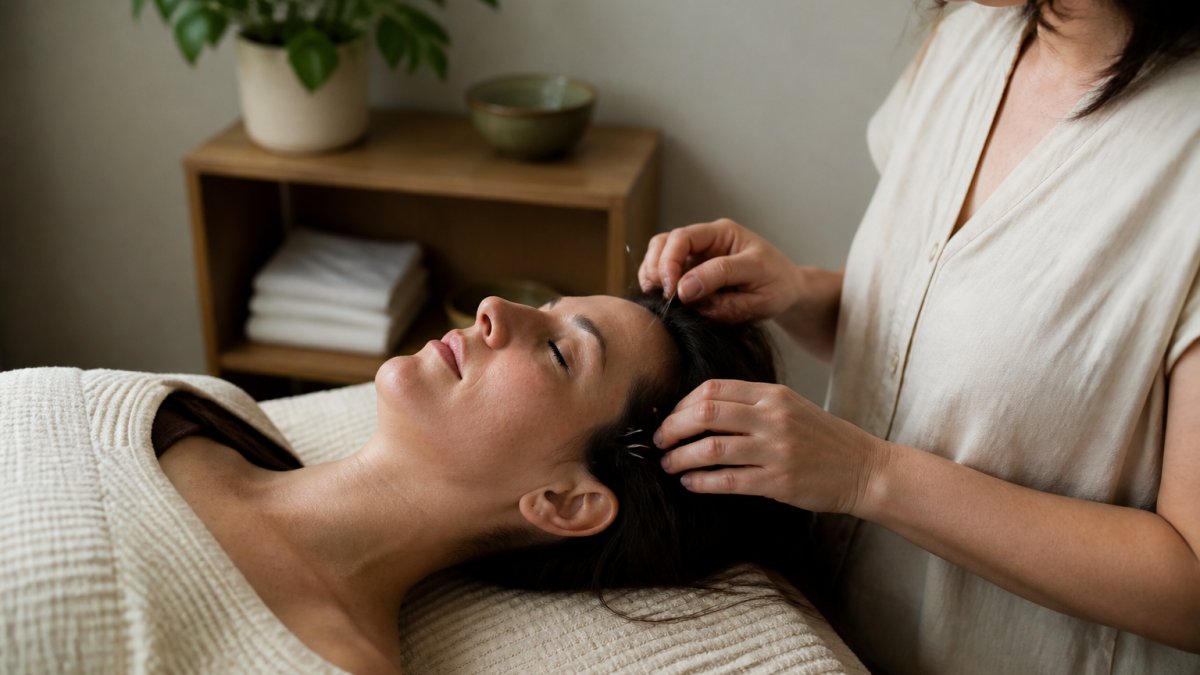
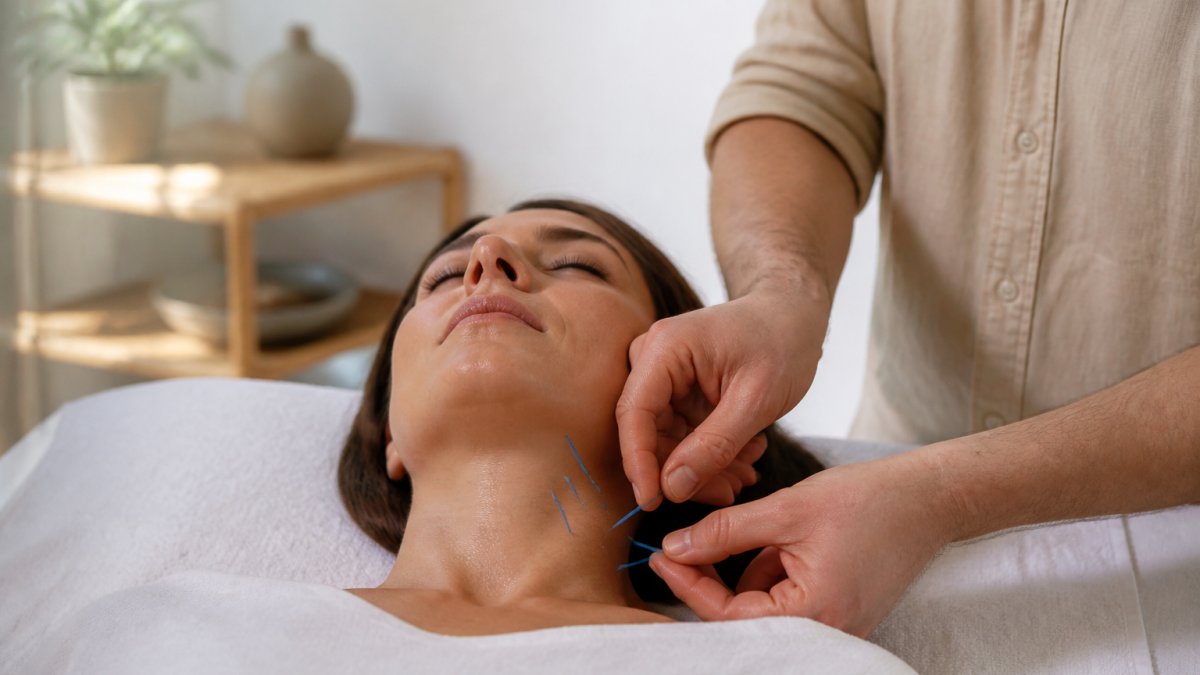
Source Acupuncture practitioners work with athletes and active individuals on recovery strategies beyond exercise. Acupuncture, cupping, and red light therapy complement your active recovery plan by reducing inflammation, improving circulation, and supporting nervous system recovery.
Creating an effective active recovery plan means matching your activities to your actual training load and readiness.
Frequently Asked Questions
How often should you schedule active recovery days?
Most athletes benefit from 1-3 active recovery days per week, depending on training intensity and volume. Runners and strength athletes often use one dedicated recovery day after high-intensity sessions. The frequency depends on your training split and how your body responds. Start with one per week and adjust based on fatigue levels, soreness, and performance markers. If you notice persistent fatigue or declining performance, add another recovery day.
Can running be active recovery?
Yes, but only at very low intensity. Easy-paced jogging at a conversational pace (where you can speak in full sentences) qualifies as active recovery. High-intensity running or speed work does not. The key is keeping your heart rate in the 50-65% of maximum range. Many runners use easy runs as recovery work between harder training sessions. If you’re unsure about your intensity, use the talk test: you should be able to hold a conversation without struggling for breath.
What’s the difference between active recovery and a rest day?
Active recovery involves light, low-intensity movement that promotes blood flow and reduces muscle soreness without creating training stress. A rest day means no structured exercise, though light walking or stretching is fine. Active recovery accelerates recovery and maintains fitness, while rest days allow complete nervous system restoration. Choose active recovery when you feel moderately fatigued but functional; choose rest when exhausted, injured, or showing signs of overtraining. Both serve different purposes in a balanced active recovery plan.
How do I know if my active recovery plan is working?
Track markers like resting heart rate, sleep quality, perceived fatigue, and performance in hard workouts. If your active recovery plan is effective, you’ll notice lower muscle soreness 24-48 hours after hard sessions, improved sleep, and better performance on training days. Your resting heart rate should remain stable or decrease slightly. If soreness persists, fatigue increases, or performance declines, adjust frequency or intensity. Reassess every 2-3 weeks and modify based on these signals rather than sticking rigidly to a plan that isn’t working for your body.