Table of Contents
- What Is Microneedling and How Does It Work?
- What Is Cosmetic Acupuncture and How Does It Differ?
- Microneedling vs Acupuncture for Skin: Key Mechanism Differences
- Microneedling Benefits for Skin Texture, Tone, and Anti-Aging
- Facial Acupuncture Benefits for Rejuvenation and Holistic Healing
- Treatment Duration, Frequency, and Recovery Time Expectations
- Microneedling Risks, Contraindications, and Safety Considerations
- Acupuncture Cost for Skin and Long-Term Investment Analysis
Last Updated: July 31, 2026
When considering skin rejuvenation treatments, the choice between microneedling vs acupuncture for skin represents one of the most significant decisions patients face today. Both approaches claim to boost collagen production and improve skin texture, yet they operate through fundamentally different mechanisms. At Source Acupuncture in Pacific Beach, we’ve guided countless clients through this decision, and the answer depends entirely on your skin goals, tolerance for downtime, and belief in traditional versus modern dermatological approaches.
Research from the American Academy of Dermatology indicates that both modalities produce measurable improvements in skin quality, though through entirely different pathways. Understanding those differences is what separates an informed decision from an expensive mistake.
What Is Microneedling and How Does It Work?
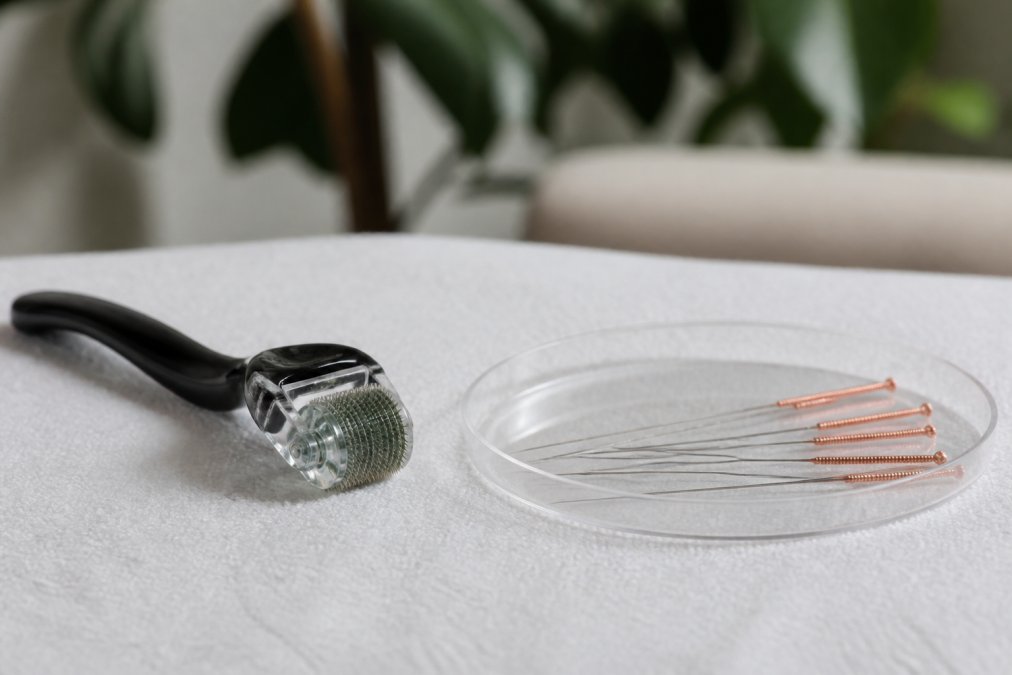
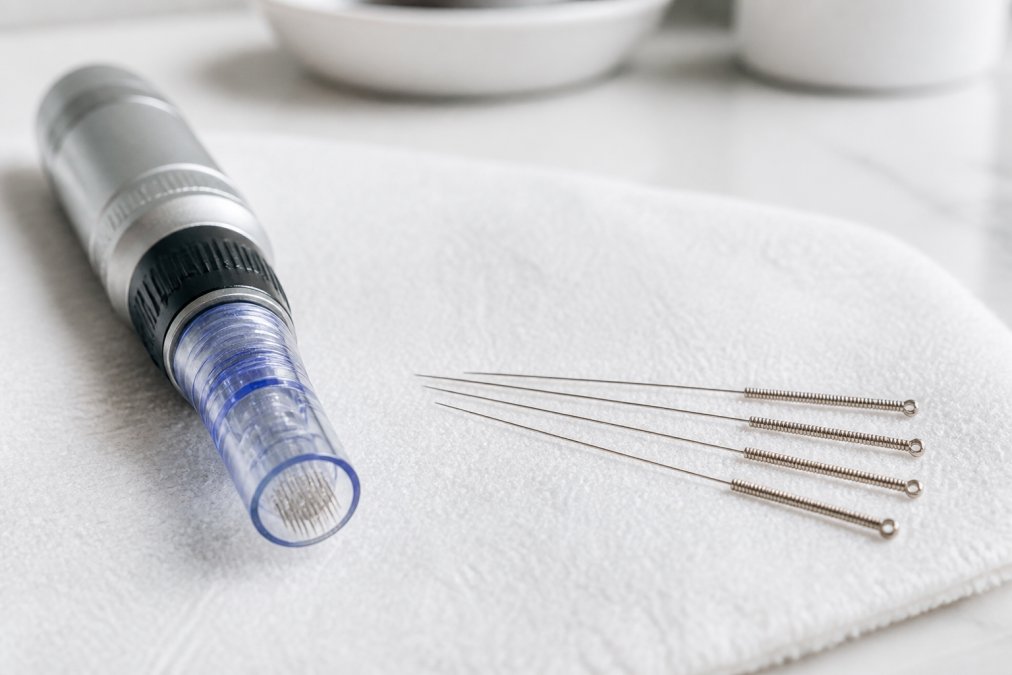
Microneedling is a minimally invasive procedure that uses a handheld device equipped with fine, sterile needles to create controlled micro-injuries across the skin’s surface. The SkinPen Precision, the first FDA-cleared microneedling device in the United States, exemplifies the professional-grade approach. When needles penetrate the epidermis and reach the dermal layer, they trigger the body’s natural wound-healing response, signaling the skin to repair itself.
The procedure typically takes 20-30 minutes for a full face treatment. Practitioners adjust needle depth based on skin type and concern: finer needles (0.5mm) for sensitive skin, deeper penetration (1.5-2.5mm) for acne scars or wrinkles. Most practitioners apply topical numbing cream beforehand to minimize discomfort.
The depth of needle penetration matters more than device speed. A 1.0mm depth at slow speed produces better collagen induction than rapid shallow passes. Professional treatments outperform at-home devices because practitioners understand how to adjust depth for different facial zones.
Collagen Induction Through Controlled Micro-Injuries
Micro-injuries trigger fibroblasts, the cells responsible for collagen and elastin production. This collagen induction therapy creates a cascade of cellular repair extending weeks beyond the initial treatment. New collagen develops gradually over 4-12 weeks as the skin rebuilds itself from within.
The controlled wounding approach differs radically from acupuncture because it’s purely mechanical. The needle creates a pathway for topical serums to penetrate deeper into the skin, which is why post-procedure skincare becomes critical. Studies show measurable increases in collagen density on biopsies taken weeks after treatment. Results are most dramatic for acne scarring, where controlled trauma helps remodel scar tissue into smoother contours.
What Is Cosmetic Acupuncture and How Does It Differ?
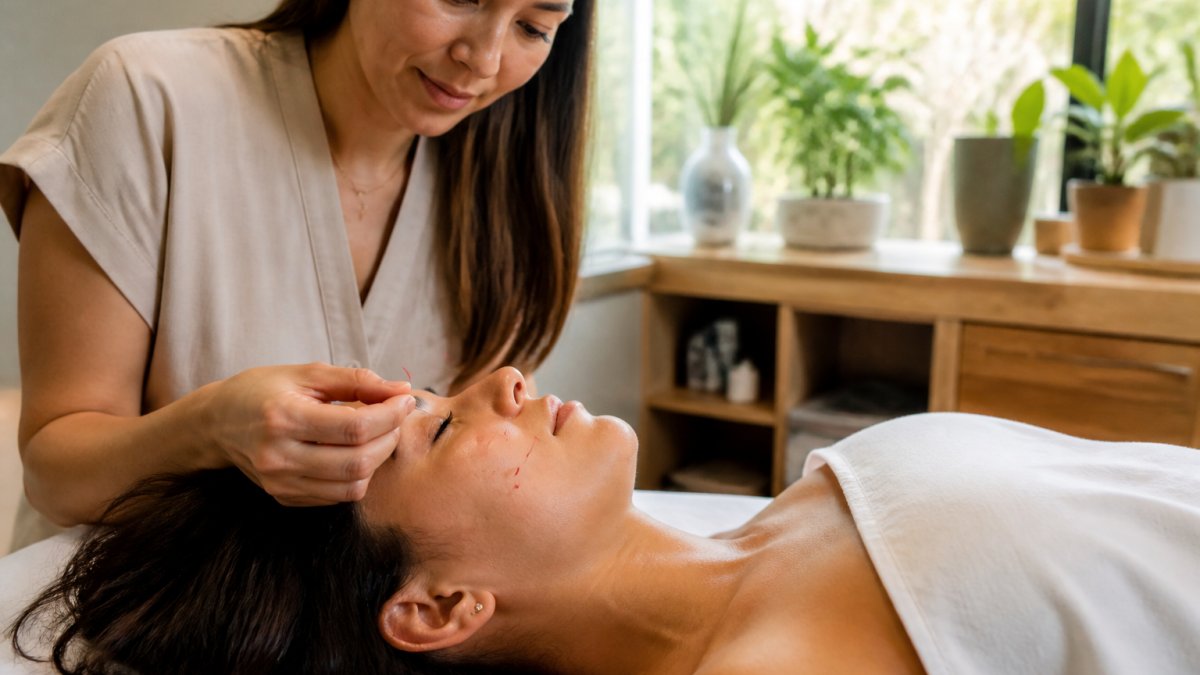
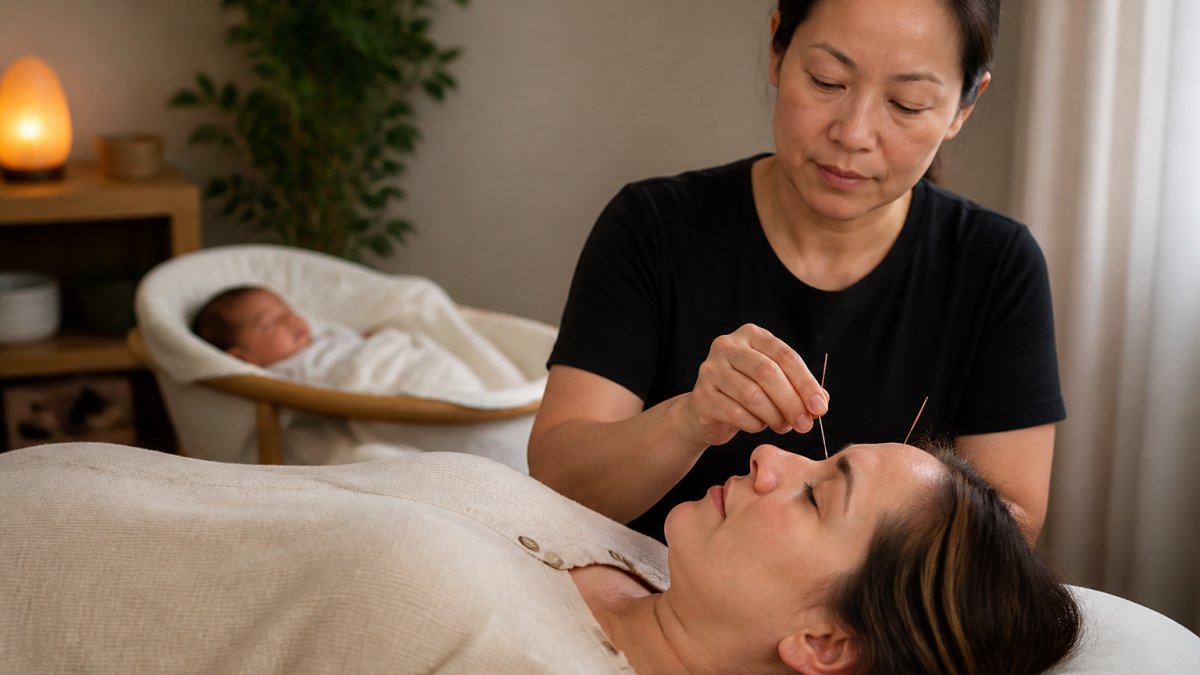
Facial acupuncture, also called cosmetic acupuncture or facial rejuvenation acupuncture, operates on entirely different principles rooted in Traditional Chinese Medicine. Practitioners insert ultra-fine needles (much thinner than injection needles) at specific points on the face and body. These needles remain in place for 20-40 minutes while the patient relaxes.
The philosophy centers on chi energy flow and meridian stimulation. Acupuncturists believe that blocked chi manifests as dull skin, poor circulation, and accelerated aging. By unblocking meridians and promoting energy flow, the face naturally brightens and tightens. The needles are so fine, typically 0.20-0.30mm in diameter, that many patients report minimal sensation. Sessions typically require no numbing cream or recovery time.
Chi Energy Flow and Meridian Stimulation
Traditional Chinese Medicine maps the face according to meridian systems, each connected to internal organ function. The stomach meridian runs down the center of the face, the gallbladder meridian along the temples, and the bladder meridian along the outer eye area. Acupuncturists believe stimulating these meridians improves not just skin appearance but also internal health, digestion, hormonal balance, and immune function.
The evidence for chi and meridians exists primarily within Traditional Chinese Medicine frameworks. Western dermatology doesn’t recognize meridian systems or chi energy. However, acupuncture does produce measurable physiological changes: increased blood flow to treated areas, reduced inflammation, and improved skin circulation.
Microneedling vs Acupuncture for Skin: Key Mechanism Differences
The fundamental distinction lies in mechanism and intent. Microneedling deliberately wounds the skin to trigger repair; acupuncture stimulates meridians to balance internal energy. One is Western dermatology; the other is Eastern medicine. One produces visible collagen remodeling; the other produces subtle circulation improvements.
(/acupuncture-for-sciatic-nerve-pain-a-patients-guide/) Skin: Key Mechanism Differences]
Microneedling creates dermal micro-injuries that activate fibroblasts, increasing collagen and elastin production measurably and consistently. Acupuncture works through meridian stimulation and improved chi circulation. Results depend heavily on the practitioner’s skill, the patient’s receptiveness to the treatment philosophy, and constitutional factors.
The timeline for results differs dramatically. Microneedling shows visible improvement within 2-4 weeks as inflammation subsides and early collagen remodeling begins, with peak results at 8-12 weeks. Acupuncture typically requires 6-10 sessions before noticeable skin changes emerge, with results described as subtle, a gradual brightening rather than dramatic texture transformation.
Mixing these treatments in the same week is contraindicated. Microneedling creates active inflammation and micro-trauma; acupuncture during this window could interfere with the healing cascade. Space treatments at least 2 weeks apart if you plan to do both.
Microneedling Benefits for Skin Texture, Tone, and Anti-Aging
Fine lines and wrinkles soften as collagen rebuilds the dermal support structure. Acne scars improve dramatically, with rolling scars becoming less pronounced, boxcar scars filling in, and ice-pick scars showing measurable improvement. Skin texture becomes noticeably smoother, and pore size appears reduced.
Hyperpigmentation and post-inflammatory hyperpigmentation respond well to microneedling, particularly when combined with targeted serums like vitamin C or niacinamide applied during the post-procedure window. Melasma shows improvement with repeated sessions, though results are more modest than with other concerns. Skin elasticity and firmness improve as the epidermis thickens and the dermis rebuilds, addressing sagging appearance. The treatment also improves skin tone by stimulating more uniform collagen distribution and improving microcirculation.
Microneedling improves the skin barrier function, meaning better moisture retention and reduced sensitivity over time. Patients often report that their skin feels more resilient and hydrated weeks after treatment.
Facial Acupuncture Benefits for Rejuvenation and Holistic Healing
Facial acupuncture improves facial circulation, bringing more oxygen and nutrients to the skin. This enhanced blood flow creates a natural glow and can reduce puffiness, particularly around the eyes and jawline. The relaxation response triggered by acupuncture produces measurable benefits: stress hormones like cortisol decline during and after treatment, which indirectly benefits skin by reducing inflammation and supporting better sleep quality.
Acupuncture addresses skin concerns holistically. A patient with acne might receive treatment for digestive issues, hormonal imbalances, or sleep problems, all of which contribute to breakouts. For hormonal acne, irregular skin texture linked to stress, or dull skin from poor circulation, acupuncture’s systemic effects can produce genuine improvement. Patients often report reduced neck tension, better digestion, improved mood, and more regular menstrual cycles alongside skin improvements.
Treatment Duration, Frequency, and Recovery Time Expectations
Microneedling sessions typically last 30-45 minutes from start to finish. Most practitioners recommend a series of 3-4 treatments spaced 4-6 weeks apart for optimal collagen induction. Maintenance treatments vary by individual and concern, ranging from quarterly sessions for active acne scars to annual maintenance for fine lines.
Downtime and Post-Procedure Care Requirements
Microneedling requires meaningful downtime. Immediately after treatment, the skin appears bright red and feels warm. This redness typically lasts 24-48 hours, though some people experience longer erythema. Swelling is common and usually peaks at 24 hours. Most people can return to work the next day if comfortable with visible redness.
Post-procedure care is critical. For at least 48 hours, avoid direct sun exposure, strenuous exercise, saunas, and swimming. You cannot wear makeup for at least 24 hours. Topical retinoids, vitamin A, and other active ingredients must be paused for 3-5 days. The skin remains sensitive for a full week, requiring only gentle, fragrance-free cleansers and moisturizers. Hydration becomes essential; most people apply hydrating serums and occlusive moisturizers multiple times daily for the first week.
Acupuncture requires virtually no downtime. You can return to all normal activities immediately, including exercise, makeup, and sun exposure. The only precaution is avoiding touching the face for a few hours and keeping the treated area clean. Sessions last 45-60 minutes total, including consultation and needle placement. Most practitioners recommend weekly sessions for the first 4-6 weeks, then bi-weekly or monthly maintenance. A typical course involves 10-12 sessions before reassessing results.
Microneedling Risks, Contraindications, and Safety Considerations
Microneedling is generally safe when performed by trained professionals, but it carries real risks. Infection is the primary concern; the procedure creates open channels in the skin. Professional settings minimize this risk through sterile technique and single-use needle cartridges. At-home devices carry higher infection risk.
Scarring, though rare, can occur if the skin heals abnormally. Hyperpigmentation can develop, particularly in darker skin tones, as the inflammatory response triggers melanin production. This typically resolves over weeks to months. Hypopigmentation, loss of skin color, is rarer but more permanent.
Certain conditions contraindicate microneedling entirely. Active acne, eczema, or psoriasis should be treated first. Keloid-prone individuals should avoid microneedling due to risk of excessive scar tissue formation. Patients on blood thinners or with bleeding disorders face increased bruising and bleeding risk. Recent isotretinoin (Accutane) use is a contraindication because the skin is extremely fragile during and for months after this medication.
Microneedling works best on healthy skin without active inflammation or infection. If you have active acne, rosacea flares, or compromised skin barrier, delay treatment until these conditions resolve.
Acupuncture Cost for Skin and Long-Term Investment Analysis
A single acupuncture session can range from $15 to $400, with an average of $80 to $112 for follow-up visits. Initial consultations may cost between $15 and $400. The cost-benefit analysis depends heavily on whether you value the holistic benefits alongside skin improvements. If you’re seeking skin transformation alone, acupuncture’s subtle results may not justify the cost compared to microneedling’s more dramatic changes. If you’re seeking comprehensive wellness, acupuncture becomes more economical.
At Source Acupuncture in Pacific Beach, we offer flexible wellness membership programs that make consistent treatment more affordable than paying per session. Members receive deep discounts on services and can prioritize self-care without financial barriers.
Professional microneedling treatments typically cost between $200 and $700 per session. A series of three sessions could cost between $600 and $4,200. At-home microneedling devices like the Dr. Pen Ultima M8 cost around $78.99-$89.99 as a one-time purchase, making them dramatically cheaper upfront, though results are typically less dramatic than professional treatments.
Over five years, professional microneedling costs roughly $3,000-$7,000 including initial series and maintenance. This is comparable to acupuncture costs but front-loaded, with dramatic results upfront and less frequent maintenance treatments.
Choosing between microneedling vs acupuncture for skin ultimately depends on your skin goals, timeline, and wellness philosophy. If you want dramatic improvement in texture, scars, and fine lines within weeks, microneedling delivers. If you prefer a gentler, holistic approach that improves skin as part of broader wellness, acupuncture aligns better with your values.
Source Acupuncture combines both modalities, offering professional microneedling alongside traditional acupuncture, red light therapy, and cupping. This integrated approach lets you choose the treatment that fits your goals, or combine treatments strategically. Our licensed practitioners provide personalized care for stress, hormones, and skin health, with flexible wellness membership programs that make consistent treatment accessible. Book a consultation with our Pacific Beach team to discuss which approach, or which combination, will work best for your specific skin concerns.
| Treatment | Session Duration | Downtime | Results Timeline | Cost per Session | Best For |
|---|---|---|---|---|---|
| Professional Microneedling | 30-45 min | 24-48 hours | 2-4 weeks visible | $200-$700 | Dramatic texture/scar improvement |
| At-Home Microneedling | 15-30 min | Minimal | 8-12 weeks | One-time $30-$200 | Budget-conscious, gradual results |
| Facial Acupuncture | 45-60 min | None | 6-10 sessions | $15-$400 | Holistic wellness, subtle glow |
| Source Acupuncture Membership | Varies | Varies | Ongoing | Discounted rates | Consistent, affordable care |
FDA clearance for SkinPen Precision microneedling device
Traditional Chinese Medicine and facial acupuncture research
Dermatological evidence on collagen induction therapy
Frequently Asked Questions
What is the main difference between microneedling and acupuncture for skin?
Microneedling uses controlled micro-injuries to trigger collagen induction therapy and cellular repair through dermal penetration, while acupuncture stimulates meridian points to balance chi energy flow and support facial rejuvenation holistically. Microneedling is a Western dermatological approach targeting mechanical skin remodeling; acupuncture is rooted in traditional medicine principles addressing systemic balance. Both can improve skin texture and tone, but through fundamentally different biological pathways.
What are the main microneedling benefits for treating acne scars and fine lines?
Microneedling stimulates collagen and elastin production through controlled wounding, reducing the appearance of acne scarring, fine lines, and wrinkles. The process creates dermal micro-injuries that activate the skin's natural healing response, improving skin elasticity and firmness. Results typically emerge over 4-6 weeks as new collagen deposits form. It also enhances topical serum penetration, allowing skincare products to work more effectively in the treated areas.
What are the main facial acupuncture benefits for skin health and aging?
Facial acupuncture benefits include improved circulation, reduced inflammation, and enhanced cellular repair through meridian stimulation. It supports holistic beauty by addressing underlying imbalances that may contribute to skin concerns. Many practitioners report improvements in skin texture, tone, and facial lifting or tightening. Because it works systemically rather than just locally, it may also support hormonal balance and stress reduction, both of which influence skin health long-term.
What are the main risks and contraindications associated with microneedling?
Microneedling risks include temporary erythema (redness), swelling, and infection if post-procedure care is inadequate. It is contraindicated for individuals with active skin infections, severe cystic acne, or certain medical conditions affecting wound healing. Those taking blood thinners or with a history of keloid formation should consult a dermatologist first. Avoid microneedling on compromised skin or if you have active herpes simplex virus lesions. Always disclose relevant medical history to your practitioner.
How does acupuncture cost for skin compare to microneedling over time?
Acupuncture cost for skin treatments typically involves per-session fees, with results building through consistent visits over weeks or months. Microneedling often requires fewer total sessions but may have higher per-treatment costs, especially with professional devices like FDA-cleared systems. Long-term value depends on your goals: acupuncture suits those seeking ongoing wellness and systemic balance, while microneedling may offer faster visible results for localized skin concerns. A wellness membership program can reduce overall costs for frequent treatments.
This article was written using GrandRanker