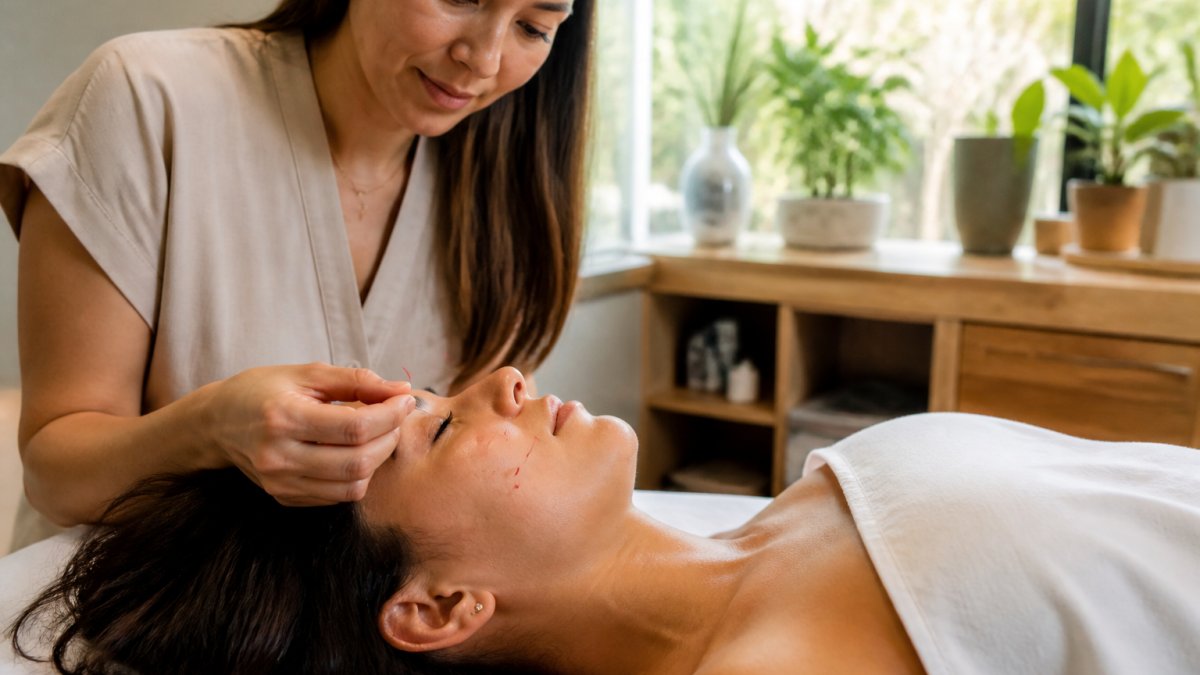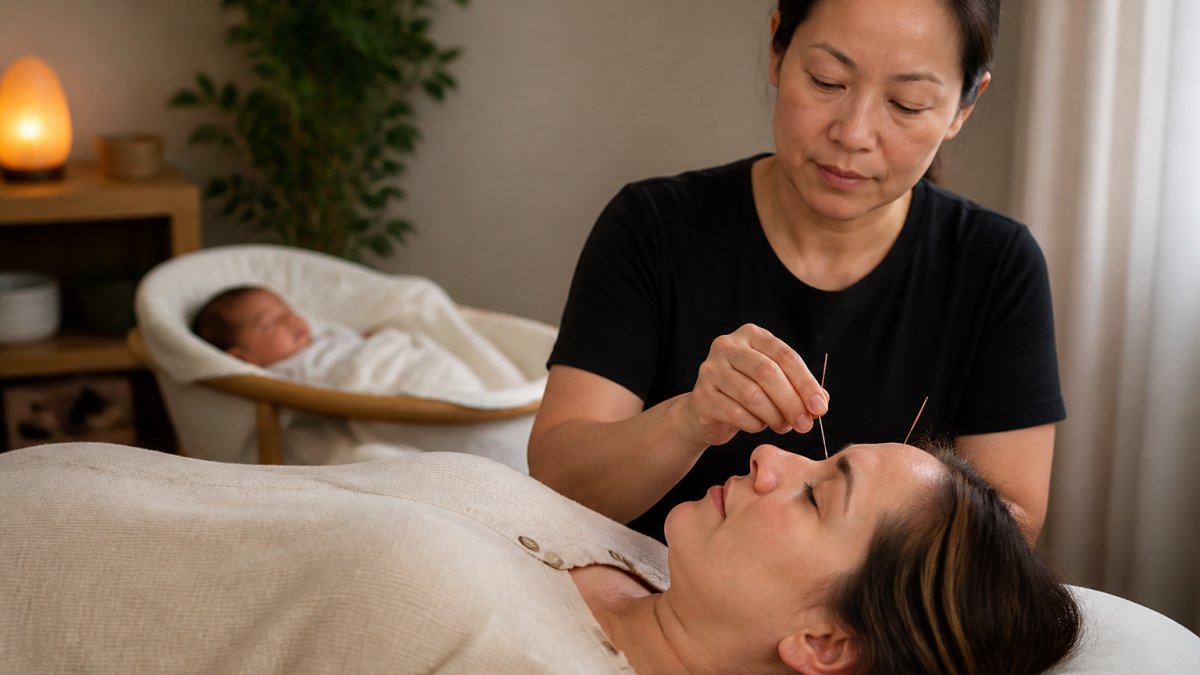
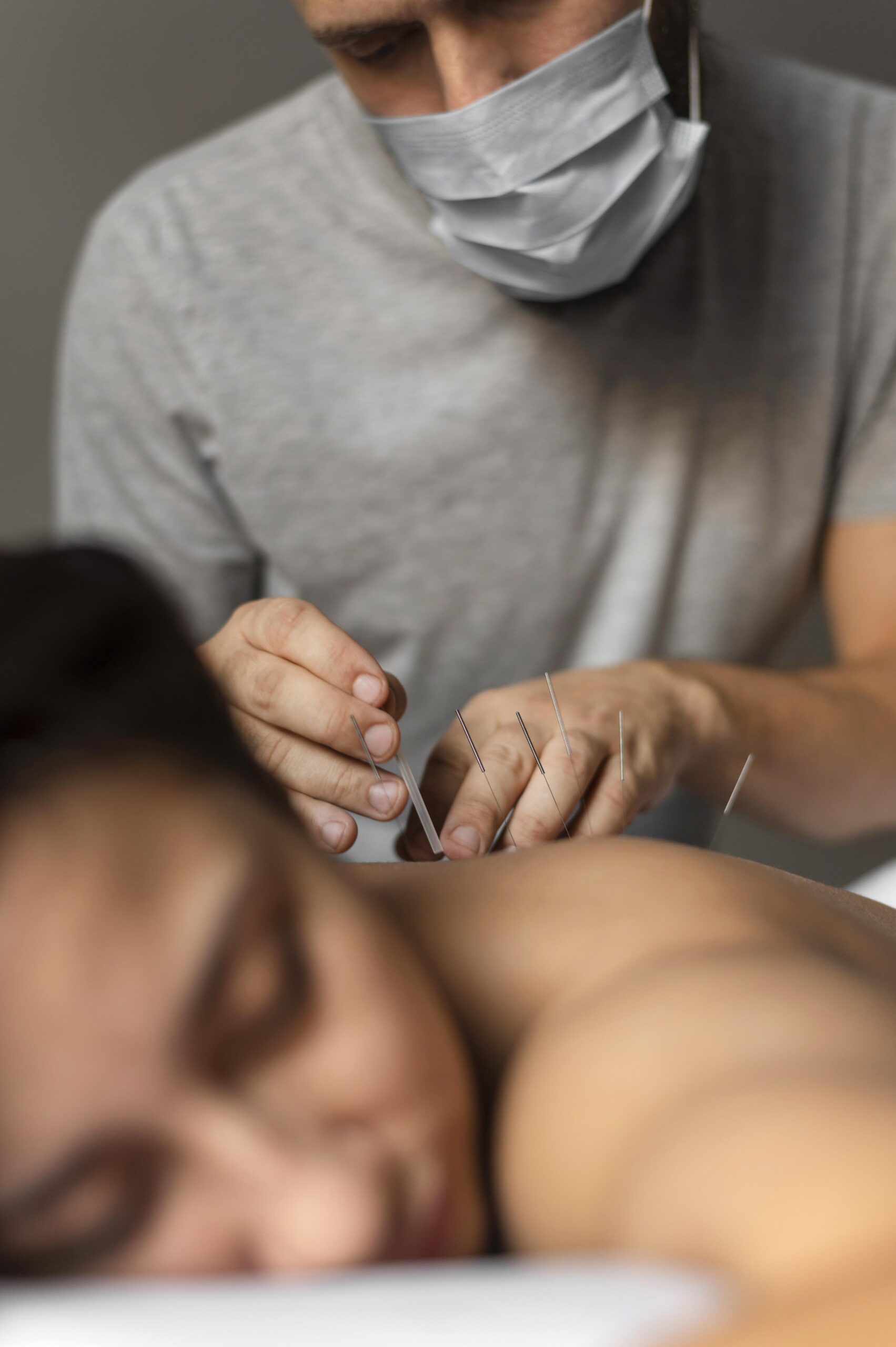
Acupuncture needles are safe, as long as a trained, licensed provider is the one using them. They’re solid, hair-thin, single-use devices that the FDA regulates as medical devices, not the hollow needle most of us picture the second we hear the word “needle.”
That regulation is a big part of why serious complications are rare: the problems that do show up almost always come down to nonsterile needles or shaky technique, not the needle itself. So the sterilization and single-use packaging your provider opens right in front of you? That’s doing most of the safety work, not the needle’s design.
Acupuncture’s gone pretty mainstream too, use among U.S. adults more than doubled between 2002 and 2022. With so many people trying it for the first time, the same two questions keep coming up before anyone books a session: what is this needle, and is it safe?
Key Takeaways
- Acupuncture needles are solid, hair-thin, single-use devices regulated as medical devices, not the hollow needles used for a shot.
- Safety comes down to sterilization, provider training, and technique, not the needle itself, which is why serious complications are rare in a licensed provider’s hands.
- Insertion usually feels like a quick tap or pinch, followed by warmth, tingling, or a dull, heavy sensation as the session goes on.
- People turn to acupuncture for pain relief, stress and sleep support, and recovery, alongside the traditional idea of clearing blocked energy along the body’s meridians.
- A first session typically starts with a health history conversation, moves into needle placement, then a stretch of quiet rest before the needles come out.
Why Acupuncture Needles Are Safe
Acupuncture needles are safe because the entire practice is built around sterilization and years of required training, not luck. In California, licensed acupuncturists have to complete a state-approved education program, log required supervised clinical hours, and pass board exams before they’re allowed to treat anyone.
That training carries over into how the needles themselves are handled:
- Every needle is sterile, individually sealed, and single-use only, the same standard the FDA holds any medical device to
- We open each one from its sealed package right in front of you
- Once your session is done, it goes straight into a sharps container, nothing gets reused
Side effects, when they happen, tend to be minor: a small bruise, some soreness in a spot that needed the attention anyway. Both usually clear up within a day or two. Serious complications are rare, and when they do happen, they almost always trace back to an unlicensed provider or unsterile equipment, not the treatment itself.
If it puts you at ease, you’re allowed to ask questions before your provider ever picks up a needle:
- Ask to see the sealed packaging
- Confirm they’re licensed
- Follow whatever aftercare they give you, even on days you feel fine
None of that safety comes from the needle being harmless on its own. It comes from what the needle is made of and how it’s regulated, which is worth understanding next.
What are Acupuncture Needles?
Acupuncture needles are solid, hair-thin filaments made of medical-grade stainless steel, not the hollow needles used for a blood draw or a shot. A few things about how they’re built explain why they feel so different from what people brace for:
- Solid, not hollow: Nothing gets injected. There’s no fluid and no pressure, just light stimulation at a specific point.
- Hair-thin: Diameters typically run 0.16 to 0.46 mm, closer to a strand of hair than anything used for a shot.
- Flexible: if you shift slightly during a session, the needle moves with you instead of forcing its way in.
- Medical-grade material: most are stainless steel, sometimes with a light coating that makes insertion smoother.
Put those four things together, and you get a needle built for stimulation, not injection. That’s also why how it works, once it’s in place, has almost nothing to do with a syringe and everything to do with the nervous system.
How Acupuncture Needles Work?
Acupuncture needles work by stimulating specific points on the body, and there are two ways to explain why that matters, one older, one more recent, and they don’t actually contradict each other.
- Traditional Chinese medicine view: Needles are placed along pathways called meridians to clear blocked qi, the body’s internal energy. When that flow gets stuck, it tends to show up as tight shoulders, low energy, or a headache that won’t quit, and needling along the meridian is meant to get things moving again.
- Modern, neurological view: Needles stimulate sensory nerves near the insertion point and may prompt the body to release its own natural painkillers, which is part of why people often leave a session feeling calm rather than sore.
Either way you look at it, the point isn’t to inject anything, it’s to get the body responding on its own. If you want the fuller picture of how that process works from the first consultation onward, our guide to what acupuncture is walks through it in more depth.
Most people don’t spend the session thinking about qi or nerve endings, though. What they notice is how it actually feels once the needle’s in, which is where a lot of the remaining hesitation usually lives.
Do Acupuncture Needles Hurt?
Most people feel a quick tap or pinch at insertion, gone almost before it registers, nothing close to the sting of a shot. What happens after that is where the experience gets more interesting than painful.
- At insertion: A brief prick, sometimes nothing at all, depending on the spot and how sensitive that area is for you.
- Once it’s in place: A lot of people notice warmth spreading out from the point, a soft tingling, or a dull, heavy pressure that feels like it’s dissolving rather than building.
- Sensitive spots: Hands and feet tend to react more, while larger muscle areas like the back or legs usually feel less.
- As the session goes on: Breathing slows, shoulders drop, and it’s common for people to get unexpectedly sleepy, sometimes drifting off without meaning to.
None of that lines up with what “needle” usually implies. The sensation is closer to acupressure with a sharper edge than anything resembling an injection, which starts to explain why so many people use it for more than just curiosity.
What Are Acupuncture Needles Used For?
Acupuncture needles get used for a lot more than general relaxation, most commonly for pain, headaches, stress, and recovery, though the specific use often shapes exactly where the needles go and how a session is structured.
- Pain relief: Back, neck, shoulder, and joint pain are some of the most well-supported uses, along with conditions like arthritis.
- Stress, sleep, and headaches: Including tension headaches and migraines, where needling tends to be paired with time to just rest and let the nervous system settle.
- Women’s health: Menstrual pain and fertility support are common reasons people come in specifically for this.
- Recovery and performance: This is where sports acupuncture comes in, we offer it for athletes and active people managing an injury, overuse, or just trying to recover faster between training blocks.
- Cosmetic and preventive care: Our cosmetic acupuncture sessions use facial and body points together, more of a maintenance approach than a treatment for a specific complaint.
- Accessible, ongoing care: For people who want the benefits without private-session pricing, we also run community acupuncture, group sessions in a shared, relaxed space.
If you want the full rundown of acupuncture styles beyond what’s covered here, dry needling, auricular, electro-acupuncture, and more, our breakdown of acupuncture types goes through each one.
Knowing what the needles are for is one thing. Walking in for your first appointment not knowing what to expect is a different kind of nervous, which is worth clearing up next.
What to Expect at Your First Acupuncture Session
Your first visit is mostly conversation and setup, the needles come in only after your provider understands what’s going on with you specifically.
- Consultation: Your provider asks about your health history, sleep, digestion, stress levels, and what you’re hoping to get out of treatment, which shapes the plan for that session.
- Getting settled: You’ll lie on a padded table while the provider cleans the areas being treated and asks you to roll up sleeves or pant legs as needed.
- Needle placement and rest: Placement itself only takes a few minutes, then you rest with the needles in for a stretch of quiet time while your body responds.
- During the session: Most people feel calm, some feel sleepy, a few feel unusually clear-headed. Whatever comes up is normal.
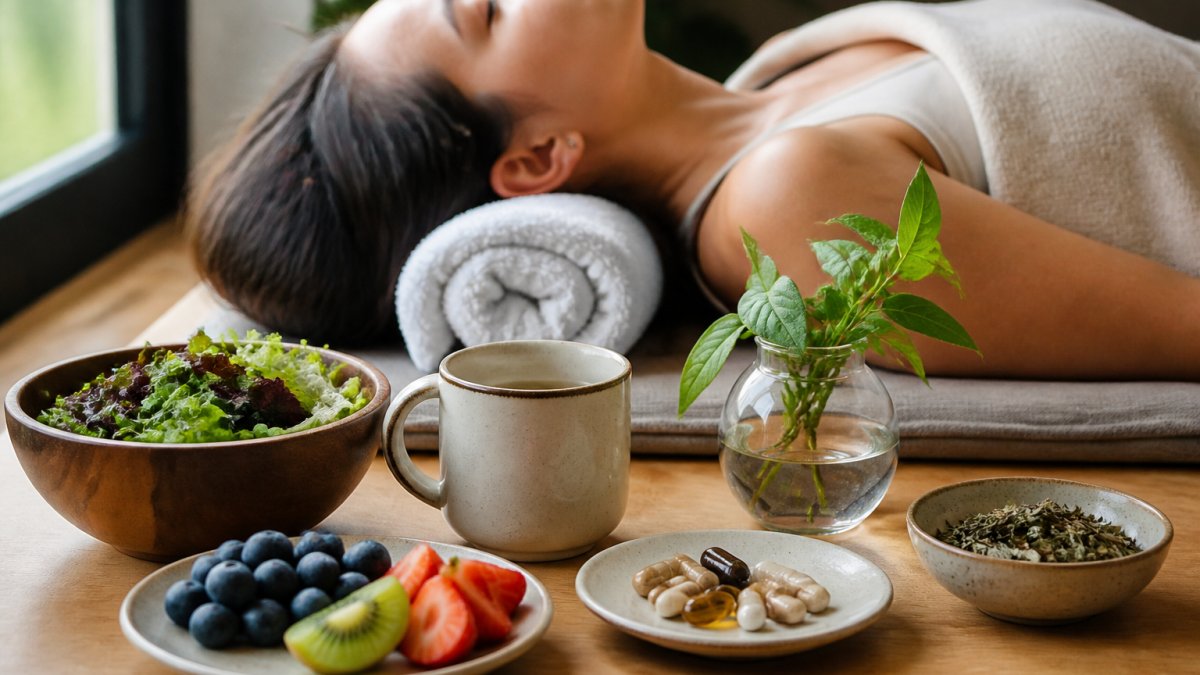
- Aftercare: Drink water, eat something light, and skip an intense workout for the rest of the day so your body has room to adjust.
None of this requires bracing yourself beforehand. If anything, most people leave their first session wondering why they waited so long to try it, which brings us to where to find the right person to see.
How to Find a Safe, Licensed Acupuncturist in San Diego
The fastest way to narrow down a safe provider in San Diego is to check licensing first, everything else is secondary once that’s confirmed.
- Verify the license: Every legitimate acupuncturist in California is listed with the state board, and it takes a minute to check before booking anything.
- Pay attention to how they explain things: A provider worth seeing won’t rush your questions or wave off a concern with “usually” or “most people.”
- Notice the setting: Some clinics feel clinical and rushed, others feel more grounded and unhurried, and it’s worth picking whichever one actually makes you want to keep showing up.
In our Pacific Beach studio, we lean toward the second: a calm space built around whole-body care rather than treating just the one complaint that got you in the door. If you’re nearby and want to see what that looks like in person, our Pacific Beach location has the details on hours and booking.
Finding the right provider solves half the hesitation. The other half usually comes down to just deciding to go, which is where we can help directly.
Ready to Get Started?
Acupuncture needles are safe when a licensed provider handles sterilization, training, and technique the way they’re supposed to, and once you see what the needle is made of and how a session runs, most of the hesitation about “needles” tends to fade on its own. What’s usually left is just deciding whether to try it, and for most people dealing with pain, stress, sleep, or recovery, it’s worth the first appointment.
If you’re ready to find out for yourself, we’d love to help. Call us at (619) 761-9544, or book a session directly at a time that works for you, no referral needed, just a conversation about what you’re hoping to get out of it.
Frequently Asked Questions
Does acupuncture hurt?
Acupuncture doesn’t really hurt for most people, just a quick tap or light pinch at most. Once the needle’s in place, it’s common to feel warmth, tingling, or nothing at all.
How many sessions will I need?
How many sessions you’ll need depends on what you’re treating and how your body responds. Some people notice a difference after one visit, while chronic pain or ongoing stress usually calls for a short series of weekly sessions.
Are the needles sterile?
The needles we use are sterile, sealed, and single-use, opened right in front of you and disposed of immediately after your session.
What should I do before and after a session?
Before a session, come in without an empty stomach and skip anything intense right beforehand. Afterward, drink water, eat something light, and hold off on a hard workout for the rest of the day.
Do you treat back pain and headaches?
We do treat back pain and headaches, along with neck and shoulder pain, some of the most common reasons people come to us in San Diego, whether it’s a one-time flare-up or something that’s been sticking around.
Does insurance cover acupuncture?
Insurance coverage for acupuncture depends on your specific plan, so we recommend checking with your provider directly. If you’re unsure, we’re happy to help you figure out what your plan covers before your first visit.