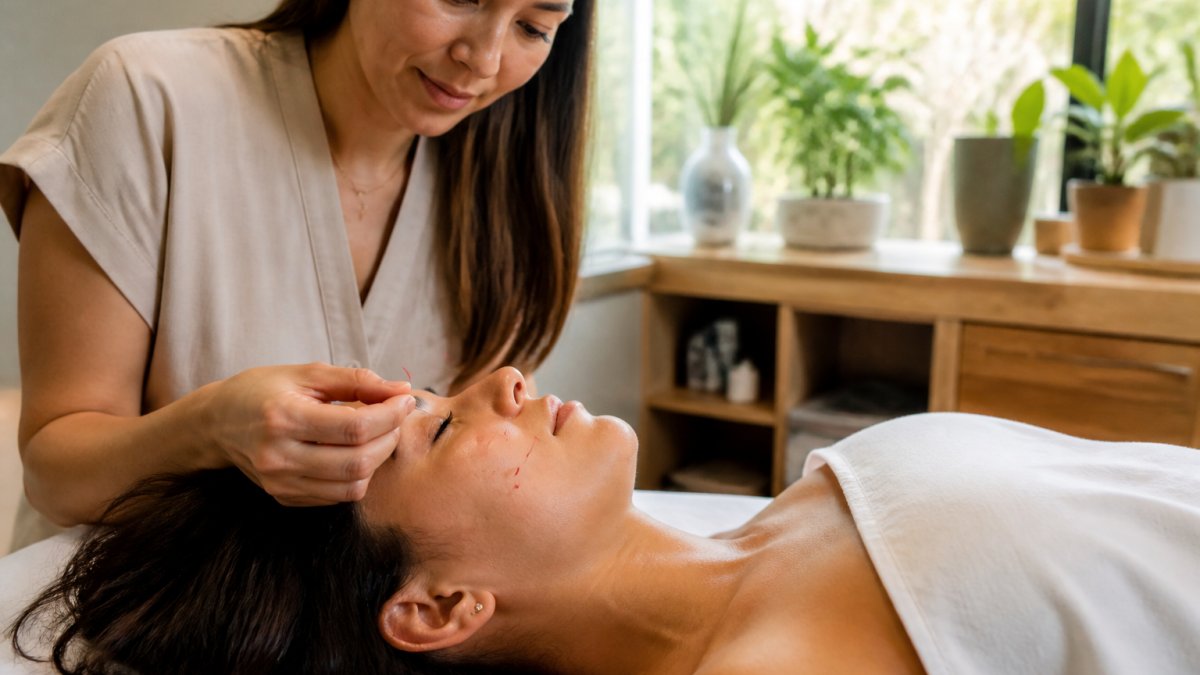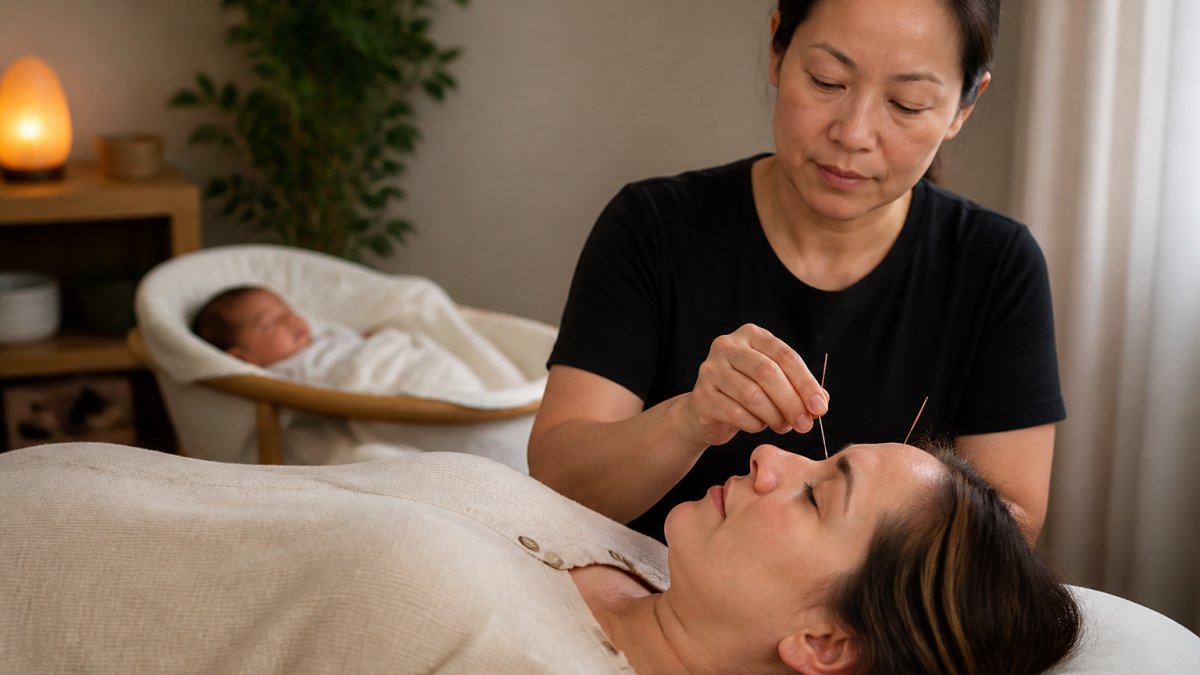

Acupuncture is a medical practice that involves inserting very thin needles into specific points on the body to relieve pain and restore balance. It’s rooted in Traditional Chinese Medicine and has been practiced for more than 2,500 years, which speaks to how consistently it has held up over time. Today, it’s recognized by the World Health Organization as a widely used therapy, and more people across the U.S. are trying it every year.
The reasons people come in vary widely. Some are dealing with chronic back pain. Others are managing anxiety, sleep trouble, or digestive issues, often while continuing the care they’re already getting from a doctor. Wherever you’re starting from, the part that tends to trip people up isn’t the treatment itself. It’s simply not knowing what to expect once you’re lying on the table.
This guide walks through how acupuncture works, what your first session looks like, which conditions it tends to help with, and how to find the right practitioner here in San Diego.
Key Takeaways
- Acupuncture uses very thin, sterile needles inserted at specific points on the body to relieve pain and support overall balance, drawing on more than 2,500 years of practice in Traditional Chinese Medicine.
- People most often use it for chronic pain, headaches and migraines, stress and anxiety, sleep issues, and digestive concerns, usually alongside the care they’re already getting from a doctor.
- Your first visit typically starts with a detailed health conversation before any needles come out. Most sessions run 45 minutes to an hour, and many patients relax or fall asleep once the needles are in.
- The number of sessions you’ll need depends on the condition. Acute issues may resolve in a handful of visits, while chronic conditions typically call for a longer, ongoing plan.
- When performed by a licensed acupuncturist using sterile, single-use needles, acupuncture carries a low risk of complications. In California, that means the practitioner has passed the state licensing exam through the California Acupuncture Board.
How Does Acupuncture Work?
Acupuncture works by stimulating specific points on the body, called acupoints, that correspond to pathways of energy called meridians. From a Traditional Chinese Medicine perspective, illness and pain occur when the flow of energy, known as qi (pronounced “chee”), becomes blocked or imbalanced. Needles inserted at precise locations along these meridians help restore that flow.
From a modern medical standpoint, the explanation looks a little different. Acupuncture appears to affect how the nervous system functions, and some of its benefits may come from its effects on the tissue surrounding the needle site. Both explanations point toward the same result: less pain, better function, and a body that feels more like itself.
Many practitioners draw on both frameworks, leaning on whichever one makes the most sense for the patient in front of them.
What Conditions Can Acupuncture Help With?
Acupuncture is most commonly used for pain, but its reach goes well beyond that. Here’s a look at what it’s most often used for.
- Chronic pain. Back, neck, knee, and joint pain tend to respond well to acupuncture, and many patients notice relief within just a few sessions.
- Headaches and migraines. Acupuncture can reduce how often migraines happen, and in some trials it performed on par with or slightly better than preventive medication, with fewer side effects.
- Stress and anxiety. Regular sessions have been shown to ease anxiety symptoms and modestly lower stress hormone levels, making it a useful option for people managing everyday stress or a diagnosed anxiety disorder.
- Sleep problems. Many patients notice improved sleep quality within the first few weeks of treatment.
- Digestive issues. Conditions like IBS, bloating, and nausea often respond to acupuncture through the connection between the gut and the nervous system.
- Hormonal imbalance. Acupuncture is widely used to support fertility, ease symptoms of menopause, and help regulate menstrual cycles.
- Seasonal allergies. It’s also used to relieve allergy symptoms like congestion and sneezing during peak seasons.
This isn’t an exhaustive list. Dr. Simone Ressner and Dr. Emmy Sulich at Source Acupuncture will look at your full health history before recommending a treatment plan built around what you actually need.
What to Expect at Your First Acupuncture Appointment
Your first visit will feel more like an in-depth health conversation than a typical doctor’s appointment. Before any needles come out, you’ll walk through your sleep, digestion, stress levels, pain, and medical history in detail.
What happens during the intake
This first conversation usually takes 30 to 45 minutes on its own. Your acupuncturist is building a full picture of your health, not just addressing one symptom. They may also check your pulse at both wrists and look at your tongue, both traditional diagnostic tools that reveal a lot about what’s going on inside the body.
Does acupuncture hurt when the needles go in
Acupuncture needles are much thinner than the ones used for injections or blood draws. Most people feel little to nothing when a needle goes in, though some notice a brief dull ache or tingling at the site. That sensation, known as de qi, is generally seen as a sign the point has been activated. Once the needles are placed, most patients lie still for 20 to 30 minutes, and many end up falling asleep.
What to expect after your session
It’s normal to feel relaxed, a little tired, or slightly lightheaded once you’re done. Drink plenty of water, skip anything too strenuous, and give your body time to respond. Some people notice a difference right away. Others need two or three sessions before anything shifts. Either way, your acupuncturist will give you a realistic timeline based on what you’re treating.
How Many Sessions Will You Need?
The number of sessions you’ll need depends on what you’re treating and how long it’s been going on. An acute issue, like a recent injury or a single stretch of stress, often resolves in just a few visits. Chronic conditions that have built up over months or years typically take longer to shift.
The table below gives a general sense of what to expect by condition. These are starting points, not guarantees, and your acupuncturist will adjust the plan as you go.
| Condition type | Typical session range | Frequency |
| Acute pain or injury | 3 to 6 sessions | 1 to 2 times per week |
| Chronic pain | 8 to 12 sessions | Weekly |
| Stress and anxiety | 6 to 10 sessions | Weekly or biweekly |
| Fertility support | 12 to 24 sessions | Weekly |
| Preventive and maintenance | Ongoing | Monthly |
Dr. Ressner and Dr. Sulich will reassess your progress at each visit and adjust the plan as needed, so you’re never locked into a fixed number of sessions from day one.
Is Acupuncture Safe?
Acupuncture is safe when it’s performed by a licensed practitioner using sterile, single-use needles. Serious side effects are rare, and the most common reactions are minor: slight bruising, brief soreness at the needle site, or short-term fatigue. Complications from acupuncture are uncommon when it’s delivered by a trained professional, though they can happen when needles aren’t sterile or treatment isn’t handled properly, which is exactly why licensure matters.
In California, acupuncturists must pass the state licensing exam through the California Acupuncture Board before they can practice. Dr. Ressner and Dr. Sulich both hold active California licenses, so you’re working with practitioners who’ve met the state’s clinical training and testing standards, not just someone who took a weekend course.
How to Find the Right Acupuncturist in San Diego
The right acupuncturist is one who takes time to listen, explains what they’re doing, and builds a plan around your actual health goals rather than a generic template. San Diego has a strong community of acupuncturists, and clinics around Pacific Beach, La Jolla, Mission Beach, and Point Loma see a steady mix of people looking for that kind of whole-body care.
When you’re evaluating a clinic, a few things are worth checking for.
- Active California licensure. Your practitioner should hold a current license from the California Acupuncture Board, which you can verify directly online.
- Clear communication. A good acupuncturist explains your diagnosis and treatment plan in plain language, not just jargon.
- Realistic expectations. Be cautious of anyone who guarantees results or pushes you to prepay for a large package before you’ve even had a first session.
- A thorough intake. That first visit should involve a real conversation about your health history, not a rush to get needles in.
At Source Acupuncture, our licensed acupuncturists, built their intake process around exactly this, so your first session is a conversation first and a treatment second.
Ready to Try Acupuncture in San Diego?
Acupuncture has held up for thousands of years because it works with the body rather than against it, and modern research continues to back up what practitioners have observed all along. Whether you’re dealing with chronic pain, stress, or a hormonal shift, it offers a path that doesn’t require choosing between conventional and complementary care.
If you want to go deeper on any of what’s covered here, we’ve also written about acupuncture for stress and anxiety relief and acupuncture for chronic pain management in San Diego.
Dr. Simone Ressner and Dr. Emmy Sulich at Source Acupuncture are glad to talk through what you’re dealing with and whether acupuncture is a good fit for you. We keep our intake process thorough and our plans built around your actual health history, not a one-size-fits-all package.
Call us at (619) 761-9544 or book online to schedule a consultation.
Frequently Asked Questions
Does acupuncture hurt?
Acupuncture generally doesn’t hurt. The needles we use are much thinner than a standard injection needle, so most people feel little to nothing during insertion. Some notice a brief tingling or dull ache at the site, which is a normal response called de qi. Most patients relax deeply or fall asleep during treatment.
How long does an acupuncture session last?
A typical acupuncture session at our Pacific Beach clinic runs 45 minutes to an hour. Your first visit will take longer because of the intake conversation, where we go through your health history in detail. Follow-up sessions move faster once we know your case.
Is acupuncture covered by insurance?
Some California health plans cover acupuncture, especially for pain-related conditions, but coverage varies widely by plan. We recommend calling your insurance provider directly to confirm your specific benefits before your first appointment. We can also provide documentation to support any reimbursement claim you file.
How many sessions will I need before I see results?
Some people notice a difference after a single session, while others need three to six visits before results become consistent. It depends on how long you’ve had the condition and how your body responds to treatment. During your intake at our San Diego clinic, Dr. Ressner or Dr. Sulich will give you a realistic sense of the timeline for your specific situation.
What should I do to prepare for my first appointment?
Eat a light meal beforehand so you’re not coming in on an empty stomach, wear loose and comfortable clothing, and skip alcohol for a few hours before your visit. Bring a list of any medications or supplements you’re currently taking. If you’re visiting our Pacific Beach location for the first time, arriving a few minutes early to fill out paperwork helps the session start on time.
Is acupuncture safe if I’ve never tried it before?
Acupuncture is safe for most adults, including first-timers, when it’s performed by a licensed practitioner. Dr. Ressner and Dr. Sulich are both licensed through the California Acupuncture Board and use sterile, single-use needles for every patient. Let us know about any health conditions, medications, or concerns before your session so we can adjust your treatment plan accordingly.