Table of Contents
- What Is Cosmetic Acupuncture?
- How Cosmetic Acupuncture Works for Skin Rejuvenation
- Key Benefits of Cosmetic Acupuncture for Facial Health
- Facial Acupuncture vs. Microneedling: What’s the Difference?
- How Many Acupuncture Sessions for a Facelift Effect?
- Benefits of Facial Acupuncture for Acne Scars
- What to Expect During and After Treatment
- Who Is a Good Candidate for Cosmetic Acupuncture?
- Frequently Asked Questions
Last Updated: August 31, 2026
What Is Cosmetic Acupuncture?
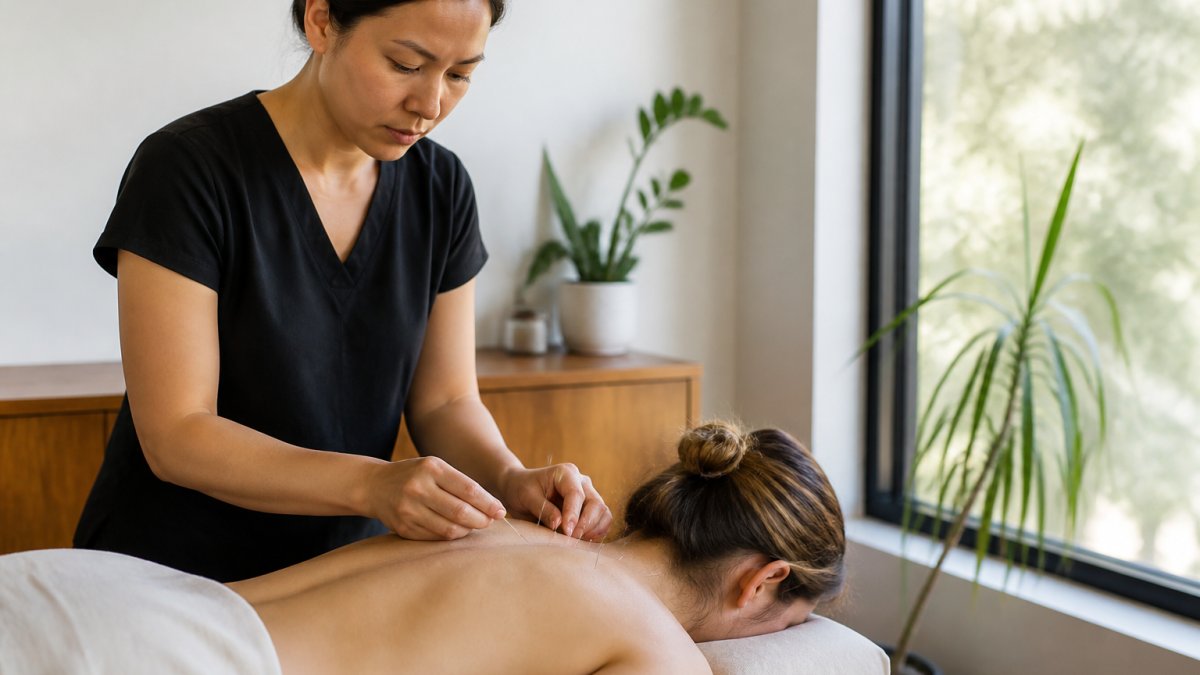
Cosmetic acupuncture is a non-invasive facial rejuvenation technique using fine needles at specific acupuncture points to stimulate collagen production, improve circulation, and enhance skin appearance. It combines Traditional Chinese Medicine principles with modern understanding of how micro-trauma stimulates the body’s natural healing response. Needle insertion triggers localized inflammation that prompts increased blood flow and cellular repair, supporting elastin synthesis and collagen remodeling. (Source: the National Center for Complementary and Integrative Health (NCCIH))
At Source Acupuncture in Pacific Beach, our practitioners use cosmetic acupuncture as part of comprehensive facial rejuvenation. The technique is gentler than invasive procedures, requires no downtime, and works with your body’s natural healing mechanisms.
Cosmetic acupuncture works best when combined with a solid skincare routine and consistent treatment frequency. Clients who skip treatments for extended periods often lose gains, which is why many practitioners recommend maintenance sessions even after achieving desired results.
How Cosmetic Acupuncture Works for Skin Rejuvenation
When needles penetrate the dermal layer, they create microscopic injuries that activate the immune system’s repair cascade, triggering fibroblasts to increase collagen and elastin production (peer-reviewed research). Immediately after insertion, increased blood flow brings oxygen and nutrients to the area. Over following hours and days, the body’s inflammatory response initiates cellular repair and accelerates collagen synthesis.
Dermal circulation is critical for skin health. Improved blood flow delivers better nutrients and removes waste, translating to a healthier complexion and improved skin tone. Lymphatic drainage also improves, reducing puffiness and supporting natural detoxification. Point selection matters significantly, practitioners use specific facial points corresponding to meridian pathways governing facial health, chosen based on individual skin concerns.
Key Benefits of Cosmetic Acupuncture for Facial Health
Cosmetic acupuncture offers multiple benefits for natural facial rejuvenation without surgical intervention. Consistent treatment creates visible improvements across multiple aspects of skin health.
Primary benefits include:
- Enhanced collagen production, Stimulated fibroblasts increase collagen synthesis, improving skin firmness and elasticity
- Reduced fine lines and wrinkles, Improved dermal support and increased skin hydration diminish surface-level lines
- Improved skin tone and texture, Better circulation delivers nutrients and oxygen, resulting in more even, radiant complexion
- Reduction of sagging skin, Increased collagen and elastin support skin structure, reducing laxity
- Decreased puffiness and dark circles, Enhanced lymphatic drainage reduces fluid retention and improves under-eye appearance
- Natural anti-aging approach, Works with your body’s healing mechanisms rather than relying on injectables or surgery
- Improved skin hydration, Better circulation supports the skin’s ability to retain moisture
Beyond surface aesthetics, many clients report feeling more relaxed and balanced after treatments. A calmer nervous system reduces stress-related inflammation, which accelerates skin aging.
Collagen Production and Elastin Synthesis
Collagen is the structural protein giving skin firmness and resilience. As we age, collagen production declines, leading to sagging and wrinkling (peer-reviewed research). Cosmetic acupuncture directly addresses this by stimulating fibroblasts to increase collagen synthesis. The micro-trauma created by needle insertion activates the body’s wound-healing response, driving collagen remodeling. Elastin synthesis works alongside collagen production, providing flexibility and bounce.
Improved Circulation and Lymphatic Drainage
Healthy skin depends on strong blood flow. Cosmetic acupuncture enhances dermal circulation by triggering vasodilation in treated areas. Skin cells receive better nutrition, supporting cellular function and repair. Increased oxygen promotes collagen synthesis and helps skin maintain healthy color and glow.
Lymphatic drainage is equally important. When lymphatic flow is sluggish, fluid accumulates, causing puffiness, especially around the eyes and jawline. Cosmetic acupuncture stimulates lymphatic drainage, reducing puffiness and supporting natural detoxification. Many clients notice their face looks less puffy and more sculpted after a series of treatments.
Reduction of Fine Lines, Wrinkles, and Sagging Skin
Fine lines and wrinkles form when collagen breaks down and skin loses elasticity. Cosmetic acupuncture addresses both factors by increasing collagen production and rebuilding structural support. Improved skin hydration also helps fine lines appear less pronounced.
Facial Acupuncture vs. Microneedling: What’s the Difference?
Both cosmetic acupuncture and microneedling stimulate collagen production through controlled micro-trauma, but they differ in technique, depth, and approach.
Cosmetic acupuncture uses single, fine needles placed at specific acupuncture points. Needles are typically 0.25-0.40mm in diameter and gently manipulated to stimulate qi flow and trigger localized healing. The technique integrates Traditional Chinese Medicine principles, addressing underlying imbalances in circulation and nervous system function.
Microneedling uses a device with multiple tiny needles (0.5-2.5mm in length) rolled or stamped across the skin surface. The goal is to create controlled injury across a broader area, triggering uniform collagen response.
| Aspect | Cosmetic Acupuncture | Microneedling |
|---|---|---|
| Needle count | Single needles | Multiple needles (dozens to hundreds) |
| Penetration depth | 2-4mm (dermis) | 0.5-2.5mm (variable) |
| Treatment area | Targeted points | Broad facial coverage |
| Mechanism | Acupuncture points + micro-trauma | Pure micro-trauma response |
| Session duration | 30-45 minutes | 15-30 minutes |
| Downtime | Minimal to none | 24-48 hours (mild redness) |
| Results timeline | 4-8 weeks for visible changes | 6-12 weeks for full results |
For acne scars and deeper textural concerns, microneedling with longer needle depths may be more effective. For fine lines and general skin quality, cosmetic acupuncture often delivers excellent results without visible downtime.
The choice between cosmetic acupuncture and microneedling depends on your skin concerns, tolerance for downtime, and whether you value the holistic nervous system benefits that acupuncture provides.
How Many Acupuncture Sessions for a Facelift Effect?
The number of sessions needed varies based on age, skin condition, genetics, and individual response to treatment. Most practitioners recommend an initial intensive series of sessions, typically scheduled 1-2 times per week. After completing an initial series, maintenance becomes key to sustaining results. Many practitioners recommend monthly or bi-monthly sessions. The “facelift effect” from cosmetic acupuncture is subtle but cumulative, improved firmness, reduced wrinkles, better skin tone, and lifted appearance can be striking.
Stopping treatment abruptly after an initial series will result in gradual loss of gains. Collagen is constantly being broken down and rebuilt; without ongoing stimulation, production returns to baseline. Plan for maintenance sessions if you want to preserve results long-term.
Benefits of Facial Acupuncture for Acne Scars
Acne scars represent permanent changes in skin texture and structure, making them difficult to treat. Cosmetic acupuncture offers a gentler alternative to aggressive scar revision techniques.
Atrophic scars, the depressed, pitted scars most common after acne, respond well to cosmetic acupuncture because the treatment stimulates collagen production in scarred tissue. By increasing dermal support beneath the scar, the technique helps elevate depressed areas and improve texture.
Hypertrophic scars, raised, thickened scars, respond differently. Acupuncture improves circulation and reduces inflammation. For raised scars, combining cosmetic acupuncture with microneedling often produces better results than acupuncture alone. anti-aging skin benefits.
What to Expect During and After Treatment
Understanding what happens during a cosmetic acupuncture session helps set realistic expectations.
The Treatment Session Experience
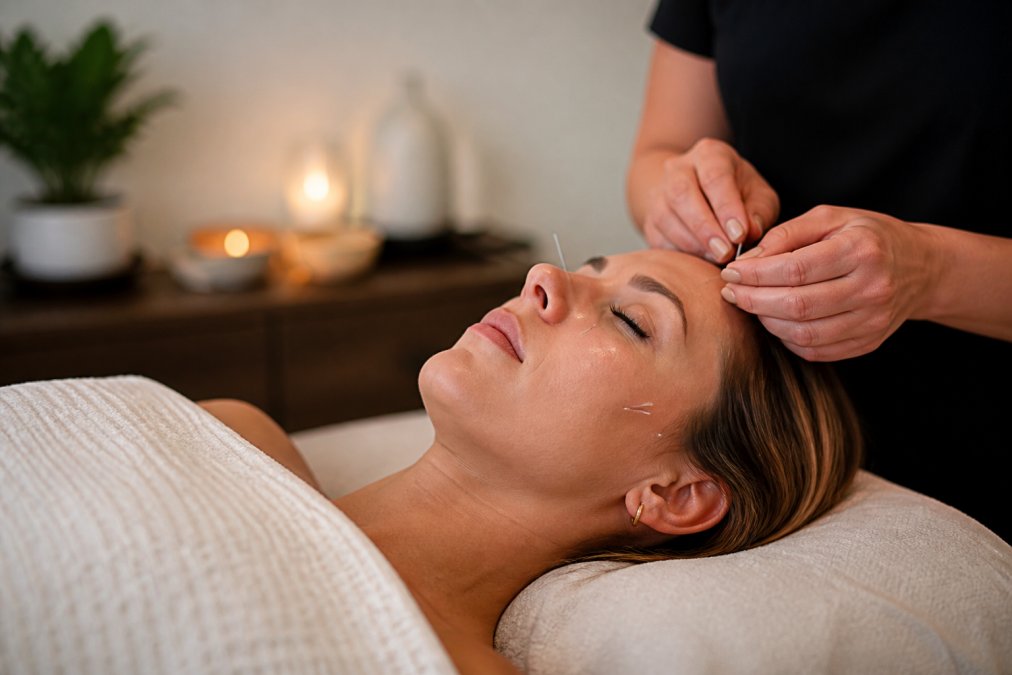
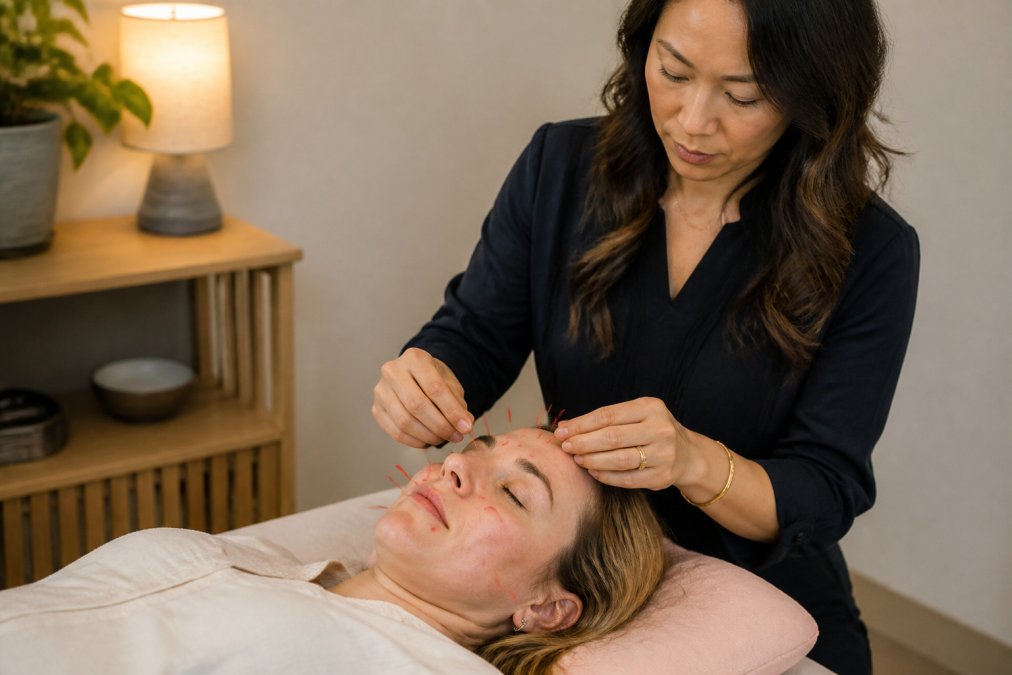
A typical session lasts 30-45 minutes. Your practitioner begins with a consultation about your skin concerns, health history, and treatment goals. Once positioned comfortably, usually lying on your back, the practitioner cleanses your face and may apply light oil or serum. Fine needles are then inserted at specific points on the face and body. The sensation is often described as a mild pinch followed by subtle ache or pressure, noticeable but not painful.
After insertion, needles may be gently manipulated to enhance the therapeutic effect. You’ll then rest quietly for 15-30 minutes while needles remain in place. Many clients fall asleep, which enhances treatment effects. When needles are removed, you may notice slight redness at insertion points, typically fading within hours.
Post-Treatment Aftercare Routine
Proper aftercare amplifies results and minimizes side effects.
Immediately after treatment:
- Avoid touching your face for at least 2-3 hours
- Skip makeup for the remainder of the day
- Stay hydrated to support cellular repair
- Avoid strenuous exercise for 24 hours
In the days following treatment:
- Use gentle, fragrance-free skincare products
- Avoid hot water, saunas, and steam rooms for 48 hours
- Continue hydration; skin needs extra water for collagen production
- Avoid alcohol, which increases inflammation
- Protect skin from sun exposure with SPF 30+
- Skip active ingredients like retinoids or vitamin C for 48 hours
Between sessions:
- Maintain consistent skincare focused on hydration and antioxidant protection
- Use sunscreen daily; UV damage accelerates collagen breakdown
- Stay hydrated internally
- Manage stress through meditation or yoga
- Avoid smoking and excessive alcohol, both impairing collagen synthesis
Clients who prioritize sleep, hydration, nutrition, and stress management see better results.
Recovery Time and Side Effects
One major advantage of cosmetic acupuncture is minimal downtime. You can return to normal activities immediately after treatment.
Common temporary effects:
- Mild redness at needle insertion points (fades within hours to 24 hours)
- Slight bruising (rare, typically fades within 3-5 days)
- Temporary puffiness (usually resolves within hours)
- Mild sensitivity to touch (resolves within 24-48 hours)
Rare side effects:
- Infection (extremely rare with sterile, single-use needles)
- Allergic reaction to oils or serums
- Temporary acne worsening (resolves within days)
- Nerve irritation (extremely rare; resolves quickly)
The safety profile of cosmetic acupuncture is excellent when performed by a licensed, trained practitioner using sterile equipment.
Who Is a Good Candidate for Cosmetic Acupuncture?
Cosmetic acupuncture is suitable for most people, though certain factors determine whether it’s right for your situation.
Ideal Candidates and Skin Types
Cosmetic acupuncture works well for:
- Ages 30+ seeking preventive anti-aging care or addressing early signs of aging
- Fine lines and wrinkles on the forehead, around eyes, and mouth
- Sagging skin and loss of elasticity
- Uneven skin tone and dullness
- Acne scars and textural concerns
- Puffiness and dark circles under the eyes
- General skin quality improvement and facial rejuvenation
The technique is effective across all skin types: dry, oily, combination, and sensitive. Unlike some treatments that risk irritating sensitive skin, cosmetic acupuncture is gentle enough for reactive skin types. The improved circulation and reduced inflammation often benefit sensitive skin.
Contraindications and Medical History Considerations
Certain medical conditions and medications require caution or make cosmetic acupuncture inadvisable.
Absolute contraindications:
- Active infections or open wounds on the face
- Severe bleeding disorders or use of blood thinners
- Pregnancy
- Severe immunosuppression or active cancer treatment
Relative contraindications (discuss with your practitioner):
- History of keloid formation
- Certain medications affecting wound healing
- Severe anxiety about needles
- Recent facial surgery or procedures (typically wait 4-6 weeks)
- Pacemakers or other electronic implants
A thorough consultation with your practitioner is essential. They’ll review your medical history and determine whether cosmetic acupuncture is appropriate for you. At Source Acupuncture, our practitioners conduct detailed health assessments to ensure treatment is safe and effective for your individual situation.
Ready to explore whether cosmetic acupuncture is right for your skin? Source Acupuncture offers personalized consultations to assess your skin concerns and create a customized treatment plan. Our licensed practitioners combine traditional acupuncture wisdom with modern understanding of skin physiology to deliver natural facial rejuvenation. With our flexible wellness membership program, consistent, affordable treatment becomes accessible. Book your session today and discover how the benefits of cosmetic acupuncture can help you achieve naturally radiant, youthful-looking skin.
Frequently Asked Questions
Q: Does cosmetic acupuncture actually work for reducing fine lines and wrinkles?
Cosmetic acupuncture works by stimulating collagen production and improving dermal circulation, which can reduce the appearance of fine lines and wrinkles over time. Results depend on skin condition, treatment frequency, and individual response. Most people notice gradual improvements in skin texture and elasticity after completing an initial series of treatments. Consistency matters: regular sessions produce better outcomes than sporadic visits. Consult a qualified practitioner to assess whether this approach suits your specific skin concerns.
Q: How does facial acupuncture compare to microneedling for collagen production?
Both facial acupuncture and microneedling stimulate collagen production through controlled micro-trauma to the skin. Acupuncture uses fine needles placed at specific meridian points to enhance circulation and cellular repair, while microneedling creates tiny punctures across the skin surface to trigger healing. Acupuncture may offer additional benefits through improved blood flow and lymphatic drainage. Microneedling is more direct for targeted scar treatment. The best choice depends on your skin type, concerns, and preference for traditional versus mechanical approaches. A consultation with a licensed practitioner can help determine which is right for you.
Q: How many acupuncture sessions do I need to see results similar to a facelift?
A typical initial series for cosmetic acupuncture ranges from 8 to 12 weekly or bi-weekly sessions to see noticeable improvements in skin tone, elasticity, and fine lines. Results build gradually as collagen production increases and circulation improves. After the initial series, most people transition to maintenance treatments every 2 to 4 weeks to sustain benefits. The exact number of sessions varies based on age, skin condition, and individual healing response. Your practitioner will recommend a personalized treatment plan during your consultation.
Q: What is the recovery time after facial acupuncture?
Facial acupuncture has minimal downtime. Most people experience little to no redness or swelling immediately after treatment and can return to normal activities the same day. Some mild sensitivity or slight bruising may occur at needle insertion points, typically resolving within 24 to 48 hours. Avoiding intense exercise, hot showers, and direct sun exposure for 24 hours after treatment supports optimal healing. Post-treatment aftercare, such as hydrating and using gentle skincare products, helps maximize results and minimizes any temporary side effects.
This article was written using GrandRanker