Last Updated: November 3, 2026
Quick Summary
Microneedling side effects are usually mild and short-lived, including redness, mild swelling, sensitivity and flaking that typically starts around day three. Most people recover within a few days by keeping skin gently cleansed and moisturized, avoiding exfoliants and sunscreen-free exposure, and contacting a provider if symptoms worsen after day three.
- Redness usually appears right after the session and is similar to a mild sunburn.
- Mild swelling tends to peak within the first 24 to 48 hours, then settles.
- Flaking and dryness typically begin around day three or four; do not pick or scrub the skin.
- Wait a full week before restarting retinoids and two weeks before restarting strong acids.
- Contact your provider if redness or swelling worsens after day three, or if pus or spreading redness appears.
Table of Contents
- What Microneedling Involves and Why Side Effects Happen
- Normal Microneedling Side Effects: Redness, Swelling and Flaking
- How Long Do Microneedling Side Effects Last?
- Step-by-Step Microneedling Aftercare Routine
- What Not to Do After Microneedling
- Warning Signs: When to Contact a Healthcare Provider
- Booking Your Consultation at Source Acupuncture
- Frequently Asked Questions
What Microneedling Involves and Why Side Effects Happen
Microneedling side effects are usually mild and short-lived, and most people recover within a few days. This guide walks through what is normal, what is not, and how to manage each stage.
Microneedling uses a device fitted with tiny, fine needles that create controlled micro-injuries in the outer layers of the skin. The body responds to these punctures by starting its natural repair process.
Those same micro-injuries explain the side effects. The skin reacts with redness, mild swelling and a sunburn-like feeling, which is part of normal healing. Skin barrier function is temporarily reduced, so the skin may feel tight or sensitive for a short time.
- Redness: The skin looks flushed, similar to a mild sunburn.
- Sensitivity: Products that normally feel fine may sting.
- Dryness: Flaking often starts a few days after treatment.
Normal Microneedling Side Effects: Redness, Swelling and Flaking
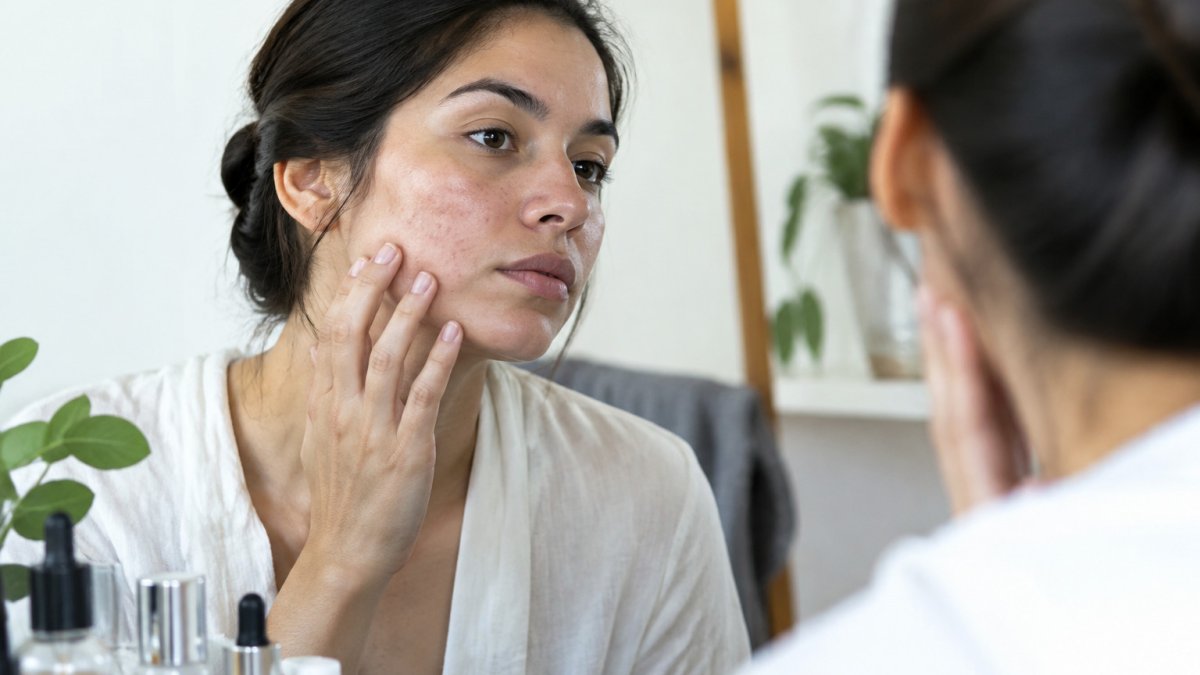
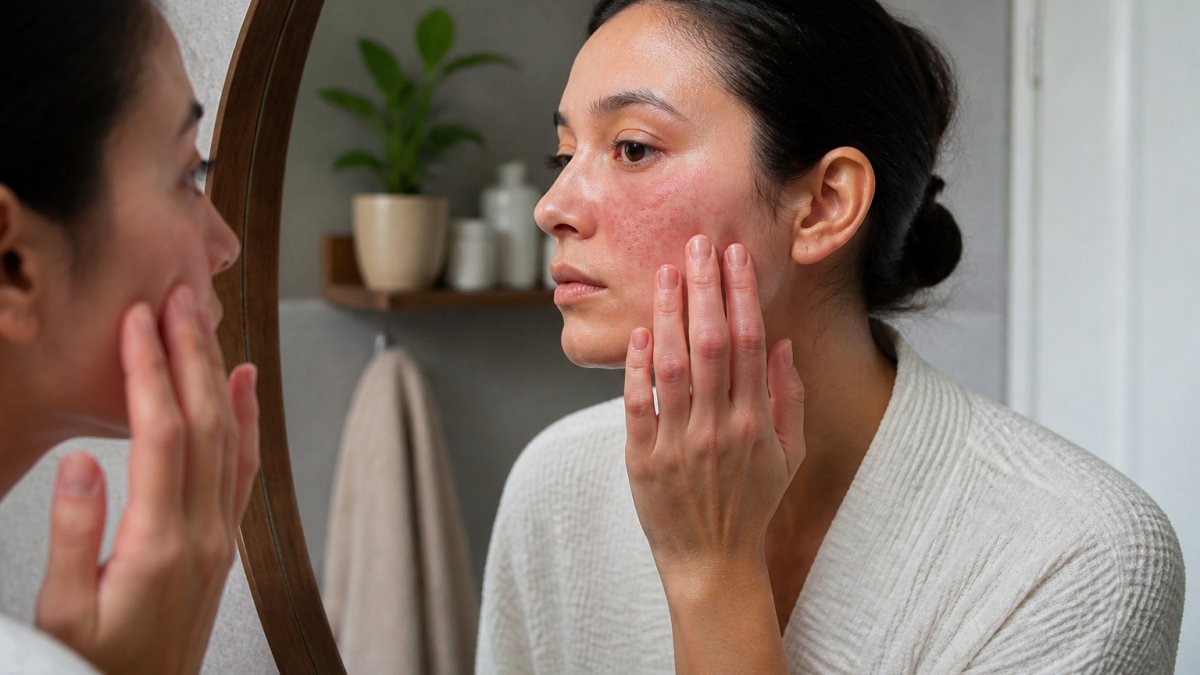
Redness is a common side effect and usually appears right after the session.
Mild swelling is also expected, especially around the eyes and cheeks. It tends to peak within the first 24 to 48 hours and then settles down.
Flaking and dryness typically begin around day three or four. The skin may look rough or peel lightly as the top layer renews. Resist the urge to pick or scrub the skin, since that can slow healing.
Some people also notice small pinpoint dots of bleeding during the session, which is a normal part of the procedure (Microneedling Post-treatment Information for patients). Bruising is less common but can happen, particularly in thinner skin.
How Long Do Microneedling Side Effects Last?
Your provider can give you a more specific expectation based on your treatment plan.
If redness or swelling is still strong after a week, or worsens instead of improving, contact your provider for guidance.
Step-by-Step Microneedling Aftercare Routine
A simple, gentle routine helps the skin heal well, but the details matter more than the steps. The first 72 hours are when the skin barrier is most compromised, so what you put on your face, and when, drives whether you heal cleanly or end up with irritation, breakouts, or post-inflammatory hyperpigmentation.
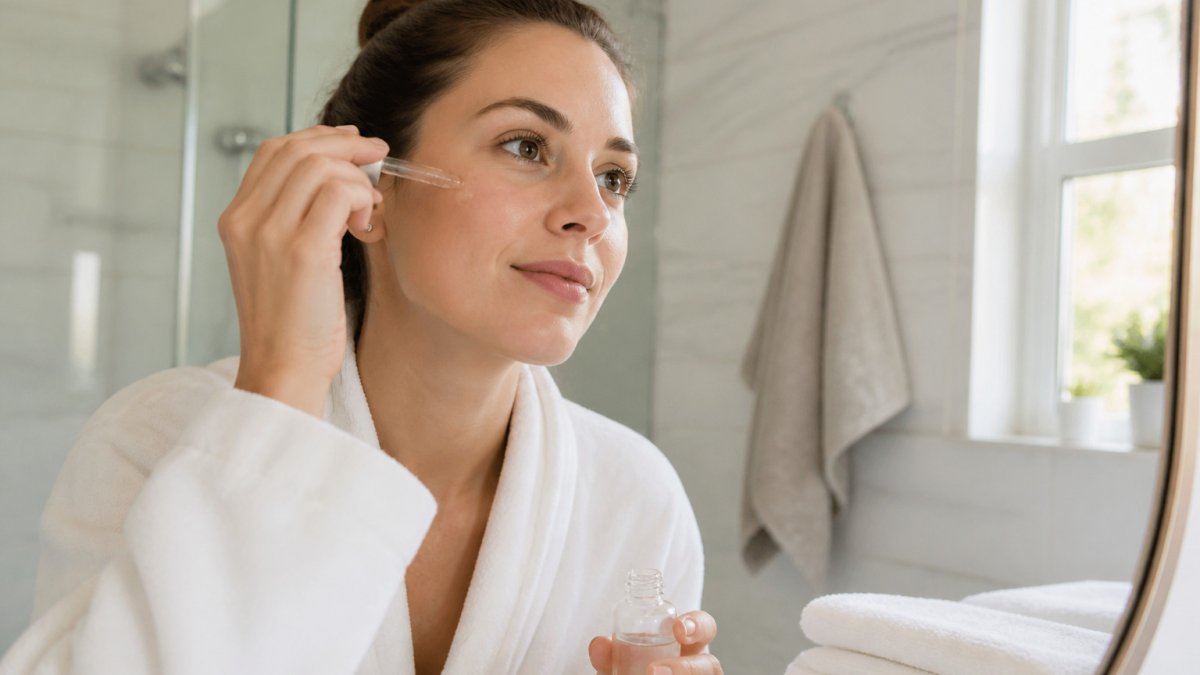
Hours 0-24: protect and soothe.
- Cleanse gently. Use a mild, fragrance-free cleanser with lukewarm water. Pat dry with a clean towel, do not rub. Skip cleansing altogether on the first evening if your provider applied a post-treatment barrier ointment.
- Apply a soothing serum. Hyaluronic acid is the safest bet because it adds moisture without active exfoliation. Avoid anything with fragrance, essential oils, alcohol denat, or botanical extracts, which sting on compromised skin.
- Moisturize with a barrier cream. Look for ceramides, squalane, or petrolatum-based formulas. A thin layer of plain petrolatum over treated areas is what many dermatology practices recommend for the first night to lock in moisture and keep bacteria out.
- Skip sunscreen on day one only if your provider says so. Otherwise, use a mineral (zinc oxide or titanium dioxide) broad-spectrum SPF 30 or higher. Chemical sunscreens can sting freshly treated skin.
- Keep the skin clean. Avoid touching the face and wash hands before applying products. Change your pillowcase before the first night.
Days 2-3: support the barrier.
Continue the same gentle cleanse, hyaluronic acid, and barrier cream. Flaking often starts around day three. Do not scrub, use a washcloth, or apply any exfoliant. If the skin feels tight, layer the moisturizer rather than reaching for a new product.
Days 4-7: reintroduce slowly.
Once redness and flaking have settled, reintroduce one product at a time, every two to three days. Start with a gentle hydrating serum, then a low-strength retinoid or vitamin C only after your provider confirms the skin has healed. A common pattern is to wait a full week before restarting retinoids, and two weeks before restarting strong acids like glycolic or salicylic acid.
Ingredients to avoid until cleared: retinoids (tretinoin, retinol, adapalene), alpha-hydroxy acids (glycolic, lactic), beta-hydroxy acid (salicylic), benzoyl peroxide, vitamin C in low-pH formulas, physical scrubs, clay masks, and any product with fragrance or essential oils.
Ingredients that support healing: hyaluronic acid, ceramides, panthenol (vitamin B5), squalane, niacinamide (only if your skin has tolerated it before), and petrolatum.
Watch out: Restarting a full skincare routine too soon is the most common aftercare mistake, actives on a healing barrier cause stinging, redness, and sometimes a flare that looks like a complication but is really irritation.
If you used a home microneedling device rather than a clinical treatment, treat the aftercare more conservatively, not less. Home devices are harder to sterilize and are often used at inconsistent depths, so the infection-risk window is wider. Keep the routine to cleanse, moisturize, and sunscreen for a full week, and do not re-use the device until the skin has completely normalized.
The aftercare timeline below summarises what to use and when during the first week, based on the guidance above.
| Stage | What to do | Timing |
|---|---|---|
| Hours 0-24 | Cleanse gently, apply hyaluronic acid serum and barrier cream | First 24 hours |
| Days 2-3 | Continue gentle cleanse and barrier cream, no scrubbing | Days 2-3 |
| Days 4-7 | Reintroduce one product at a time, every 2-3 days | Days 4-7 |
| Retinoids | Wait a full week before restarting | One week |
| Strong acids | Wait two weeks before restarting | Two weeks |
| Sunscreen | Use mineral SPF 30 or higher, unless provider advises otherwise | Daily |
What Not to Do After Microneedling
Some habits slow healing or raise the risk of complications. Avoid these in the days after treatment.
- Do not wear makeup until your provider says the skin is ready.
- Do not use exfoliants, retinoids or strong acids while the skin is healing.
- Do not pick at flaking skin.
- Do not expose treated skin to intense heat, such as saunas or hot tubs, for several days.
- Do not skip sunscreen.
- Do not use unverified home devices on freshly treated skin.
A common mistake is restarting a full skincare routine too soon. Waiting a few extra days is usually safer than rushing back to actives.
Warning Signs: When to Contact a Healthcare Provider
Most microneedling side effects are normal and resolve on their own. The skill is telling normal healing apart from a complication early enough to act. The list below separates the two.
Normal and expected (no call needed):
- Redness that peaks in the first 24 hours and fades over two to three days
- Mild swelling around the eyes and cheeks that settles within 48 hours
- Pinpoint bleeding during the session itself
- Flaking and dryness starting around day three and lasting up to a week
- Small bruises in thinner-skinned areas
- Mild tightness or stinging when applying products
Contact your provider promptly if you notice:
- Redness, warmth, or swelling that gets worse after day three instead of better
- Pus, oozing, honey-colored crusting, or a foul odor, these can signal a bacterial infection
- Fever or chills
- Severe pain that does not respond to recommended care
- Blisters, hives, or raised, painful patches
- Streaking redness that spreads outward from the treated area
- Changes in skin color that persist for weeks, especially darker patches, this may be post-inflammatory hyperpigmentation and is easier to treat early
Seek urgent care if you have: spreading warmth with fever, facial swelling that affects your eye or breathing, or a rapidly expanding area of redness. These are uncommon but need same-day assessment.
Home-device users: a higher index of suspicion.
That combination raises the risk of infection and of accidental over-treatment in the same area. If you used a home device and notice any of the infection signs above, especially pus, crusting, or spreading redness, contact a healthcare provider rather than waiting it out. Do not re-use the device until the skin has fully healed and you have reviewed the device’s cleaning instructions.
Long-term warning sign: repeated sessions without full recovery.
A less obvious complication is skin barrier compromise from treating too often. Signs include persistent sensitivity, stinging with products that used to be fine, and a cycle of redness that never fully resolves between sessions. If you are treating more often than that, especially at home, pull back and let the skin normalize before your next session.
These symptoms need individual assessment. Do not wait to see if they resolve on their own, and do not try to treat a suspected infection with leftover skincare actives.
Booking Your Consultation at Source Acupuncture
If you are considering microneedling, a consultation is the best first step. A consultation can help you review your skin, discuss what side effects to expect for your specific plan, and outline an aftercare routine that fits your needs. You can book a microneedling consultation with Source Acupuncture to talk through your options.
Pricing depends on your treatment plan, so please check with Source Acupuncture directly for current rates. You can also learn how acupuncture is covered by insurance to plan ahead. If cost is a concern, you can review recovery-friendly payment options before you commit.
Reach out to Source Acupuncture to schedule your visit and get answers before your first session.
Frequently Asked Questions
How long do microneedling side effects last?
Most people notice redness and mild swelling within the first day or two after treatment, and these usually fade within a few days. Light flaking or dryness can persist for about a week as the skin renews. Sensitivity to sun and products may last somewhat longer. Side effects that linger beyond the usual window, or that worsen instead of improving, should be reviewed by a qualified provider.
What shouldn’t you do after microneedling?
Avoid direct sun exposure, heat sources such as saunas and hot showers, and strong exfoliants, retinoids or acids until your provider says the skin has recovered. Do not pick at flaking skin or apply makeup over treated areas on the day of treatment unless your provider approves a product. Skipping sunscreen is a common mistake, since freshly treated skin is more sensitive to UV exposure.
What side effects are normal after microneedling?
Redness, mild swelling, pinpoint bleeding, a sunburn-like sensation and dry, flaky skin are typical in the days after treatment. Some people also experience temporary tightness or sensitivity. These effects reflect the skin’s normal healing response. Severe pain, pus, spreading warmth or fever are not expected and warrant prompt medical attention.
When should I contact a healthcare professional after microneedling?
Contact a qualified provider if you notice increasing pain, swelling that worsens after the first few days, pus or drainage, spreading redness, warmth, fever or unusual blistering. Also reach out if you have a cold sore flare or any sign of infection. Any concern about how your skin is healing is reasonable to raise, and a professional can assess your individual situation.