Table of Contents
- Acupuncture for Chronic Hormonal Imbalance: How It Works
- What the Research Says About Acupuncture and Hormone Health
- How Long Does Acupuncture Take to Balance Hormones?
- Acupuncture Points for Hormonal Health
- Integrative Medicine for Hormonal Imbalance: What Else Helps
- Who Should Avoid Acupuncture or Seek Medical Clearance First
- Conclusion
- Frequently Asked Questions
Last Updated: October 3, 2026
Acupuncture for Chronic Hormonal Imbalance: How It Works
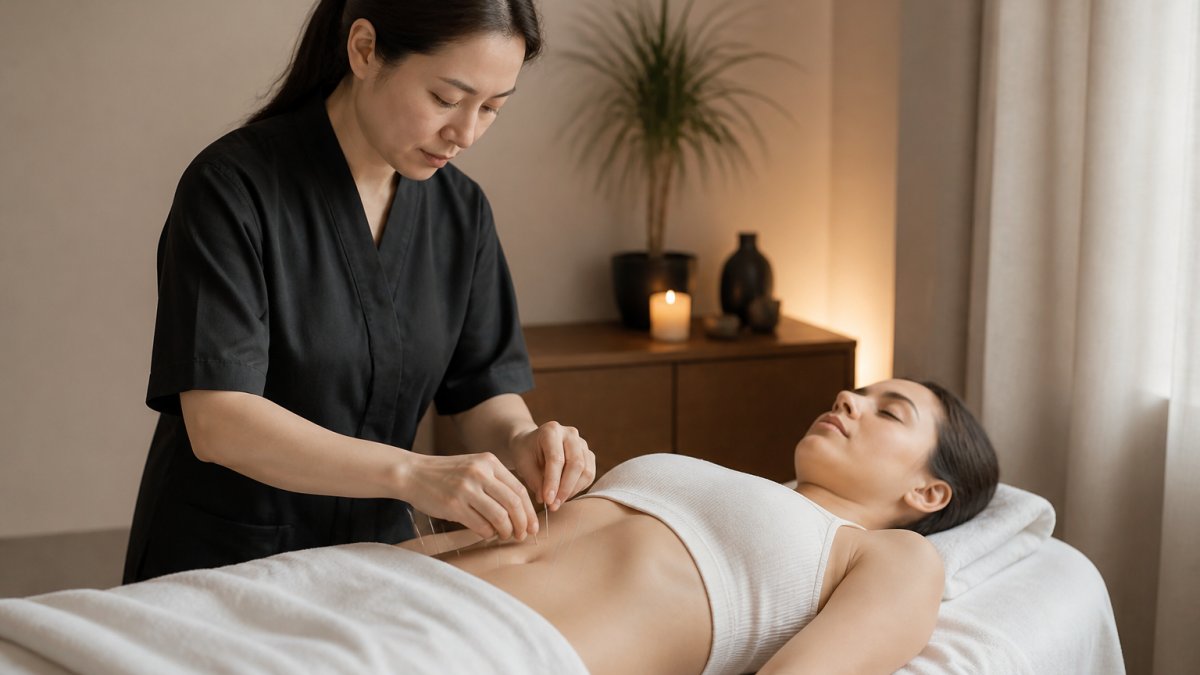
Acupuncture for chronic hormonal imbalance is a treatment approach that uses fine needles at specific points on the body to influence how the nervous and endocrine systems talk to each other.
The core idea is simple. Your body already knows how to balance hormones. Chronic stress keeps getting in the way.
From Sympathetic Overdrive to Parasympathetic Activity
Your autonomic nervous system runs in two modes: fight-or-flight and rest-and-digest. Chronic stress keeps you stuck in the first one.
When the sympathetic branch stays switched on, the body treats hormone balance as a low priority. Blood flow shifts away from digestion and reproduction. Cortisol stays elevated.
Acupuncture appears to help shift the nervous system toward parasympathetic activity. That means slower heart rate, better digestion, and the conditions your endocrine system needs to regulate itself.
The HPA Axis and Stress Hormone Reduction
The HPA axis is the communication line between your brain and your adrenal glands. It controls how much cortisol and adrenaline you release.
When that line is stuck in overdrive, cortisol stays high. High cortisol can disrupt estradiol, progesterone, and prolactin, which is why stress so often shows up as irregular cycles, low libido, or stubborn weight changes.
Research into acupuncture’s effect on the HPA axis suggests it may help lower stress hormone output and support hormonal homeostasis, though study sizes remain small.
What the Research Says About Acupuncture and Hormone Health
The evidence is real but uneven, and it breaks down differently depending on which hormonal condition you are looking at. Here is what the clinical literature actually shows, condition by condition.
Polycystic Ovary Syndrome (PCOS)
PCOS is the most-studied hormonal condition in acupuncture research. A common study design compares electroacupuncture, where a small current is passed through the needles, against a control group receiving sham (fake) needling. Across several of these trials, participants in the active acupuncture group showed improvements in menstrual cycle frequency, and some studies tracked reductions in luteinizing hormone (LH) relative to follicle-stimulating hormone (FSH), a ratio that is often skewed in PCOS.
Perimenopausal Symptoms
For hot flashes, night sweats, and sleep disruption tied to the menopausal transition, the evidence is more mixed. Some randomized trials show meaningful reductions in hot flash frequency and severity; others show results similar to sham acupuncture, which suggests part of the benefit may come from expectation and the relaxation response rather than the needles themselves. That does not make the treatment useless, it means the honest framing is ‘symptom relief that many patients find worthwhile,’ not ‘proven hormonal correction.’
Stress-Related Menstrual Changes
When irregular cycles track with chronic stress, the mechanism is more direct: acupuncture’s effect on the HPA axis and the autonomic nervous system. Trials measuring cortisol before and after a course of treatment often show modest reductions, though results vary by how cortisol is sampled (saliva vs. blood) and what time of day samples are taken. This is the area where the mechanism and the outcome line up most cleanly.
What the Research Does Not Show
No well-designed trial has demonstrated that acupuncture normalizes thyroid hormone levels, reverses diagnosed hypothyroidism, or replaces hormone replacement therapy. If a practitioner tells you it will, get a second opinion. The strongest evidence supports acupuncture for symptom relief and stress reduction, not as a cure for a diagnosed endocrine condition.
The most reliable research signal is for PCOS-related cycle and ovulation changes and for stress-driven cortisol reduction. For menopause and thyroid conditions, the evidence is weaker or absent. Acupuncture works best as a complement to medical care, not a replacement.
For a plain-language overview of what the evidence does and does not support, the National Center for Complementary and Integrative Health overview of acupuncture is a solid starting point.
What to Expect in Your First Session vs. Long-Term
Most articles skip this, and it is the question patients actually ask. Your first visit is longer than follow-ups, typically 60 to 90 minutes, because it includes a full intake: health history, medications, cycle history, sleep, stress, and a physical assessment.
Follow-up sessions usually run 30 to 60 minutes. For a chronic hormonal issue, a common treatment cadence is once or twice a week for the first four to six weeks, then tapering to every two to four weeks as symptoms stabilize.
How Long Does Acupuncture Take to Balance Hormones?
Most patients notice early shifts within two to four weeks, but meaningful hormonal change typically takes three to six months of consistent treatment. That timeline surprises people.
Hormones do not reset overnight. Your body has to unlearn a stress pattern it may have held for years.
What Changes Early vs. What Takes Months
Early changes, usually within the first few sessions:
- Better sleep quality
- Lower day-to-day anxiety
- Improved digestion and appetite
- Less muscle tension
Changes that take longer:
- More regular menstrual cycles
- Reduced PMS or perimenopausal symptoms
- Shifts in energy across the month
- Measurable changes in bloodwork, when tracked
A common mistake is quitting after two sessions because nothing dramatic happened. The early weeks are about calming the nervous system. The hormonal payoff comes later.
Track your symptoms weekly in a simple notebook: sleep, mood, cycle timing, energy. Patterns show up around week four that you would otherwise miss, and they help your practitioner adjust the plan.
Acupuncture Points for Hormonal Health
There is no single ‘hormone point.’ Practitioners combine points based on your specific pattern, but the points themselves have names, locations, and traditional indications, and knowing them helps you understand what your practitioner is doing and why.
Commonly Used Points and What They Target
- SP6 (Sanyinjiao, ‘Three Yin Intersection’): Located about three finger-widths above the inner ankle bone, on the inside of the lower leg. It sits at the meeting point of the spleen, liver, and kidney meridians and is one of the most frequently needled points for menstrual regulation, cycle irregularity, and reproductive support. It is generally avoided during pregnancy.
- CV4 (Guanyuan, ‘Gate of Origin’): On the lower abdomen, about three finger-widths below the navel. Traditionally used to support reproductive organ function, build energy, and address irregular cycles and fatigue.
- CV6 (Qihai, ‘Sea of Qi’): Just below CV4, roughly one and a half finger-widths below the navel. Used for overall vitality and to support the body’s baseline energy, which matters when hormonal symptoms come with exhaustion.
- ST36 (Zusanli, ‘Leg Three Mile’): Below the knee, about four finger-widths down from the kneecap and one finger-width outward from the shin bone. A general vitality and digestion point; because blood sugar stability affects cortisol, it often appears in hormonal protocols.
- LR3 (Taichong, ‘Great Rushing’): On the top of the foot, in the hollow between the first and second toes. The liver meridian in traditional theory governs the smooth flow of qi, mood, and the menstrual cycle, LR3 is used for irritability, PMS, and cycle-related mood shifts.
- PC6 (Neiguan, ‘Inner Gate’): On the inner forearm, about two finger-widths above the wrist crease. Used for anxiety, nausea, and emotional regulation, relevant because stress hormones drive hormonal disruption.
Why the Combination Matters More Than Any Single Point
A practitioner does not needle all of these at once. The selection depends on your pattern: someone with irregular cycles and high stress might get SP6, LR3, and PC6, while someone with fatigue-dominant symptoms might get ST36, CV4, and KI3. Two patients with the same diagnosis often receive different point combinations, and the combination is adjusted as your symptoms shift week to week.
What It Feels Like
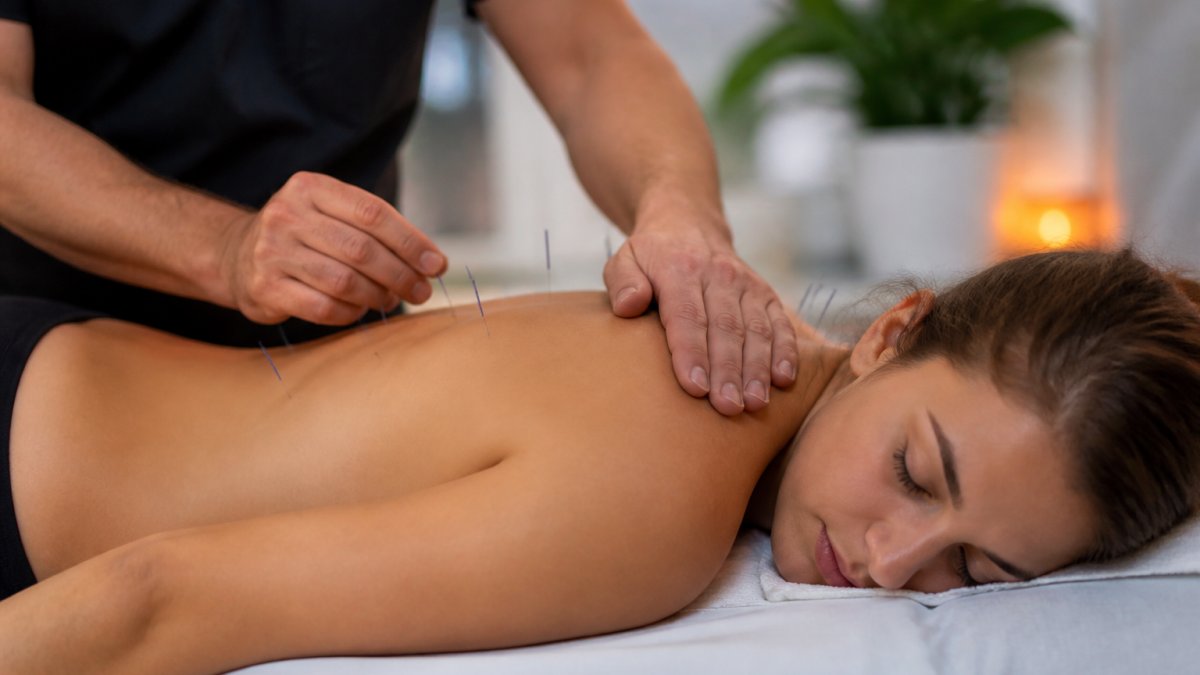
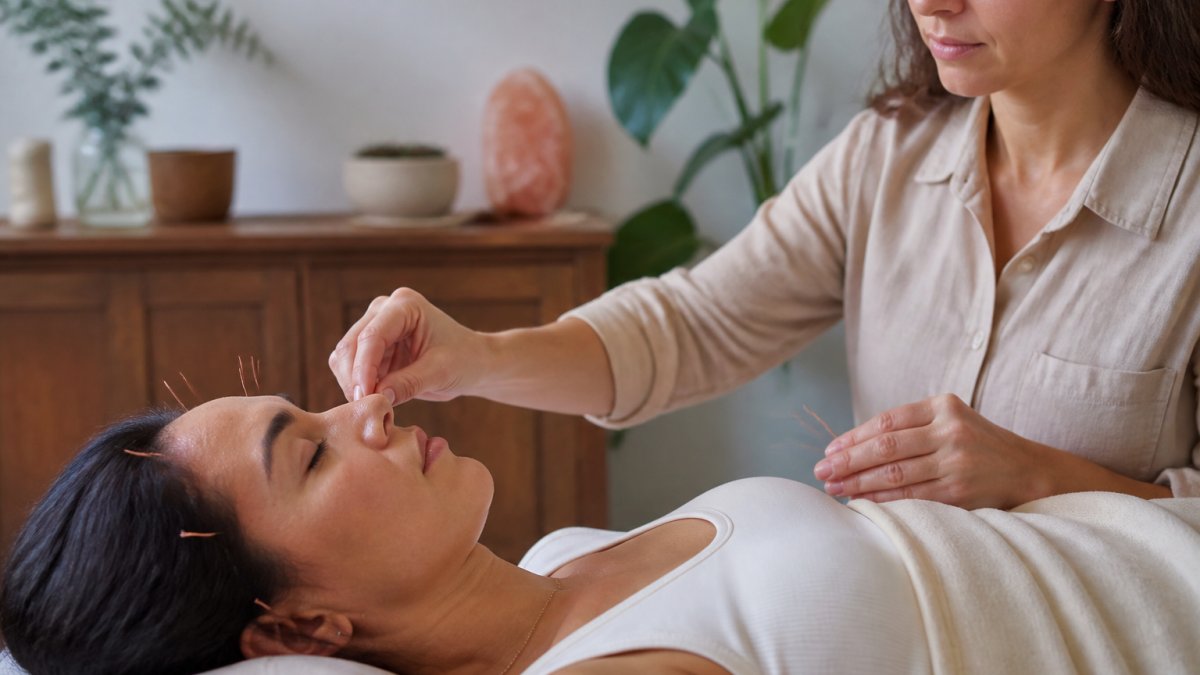
Needling these points typically produces a sensation called deqi, a dull ache, heaviness, or mild tingling that signals the point has been activated. It is not sharp pain. Points on the hands, feet, and ankles tend to feel more intense than abdominal points.
Ask your practitioner to name the points they are using and why. A good one will explain the pattern they are treating, for example, ‘liver qi stagnation with kidney deficiency’, and how the point selection addresses it. That transparency is a sign of a well-trained practitioner, not a red flag.
Integrative Medicine for Hormonal Imbalance: What Else Helps
Acupuncture works better when it is not the only thing you change. Integrative medicine for hormonal imbalance pairs treatment with daily habits that support the same goal.
What we see help most:
- Protein at every meal. Blood sugar swings drive cortisol swings.
- Consistent sleep and wake times. Your HPA axis runs on rhythm.
- Strength training two to three times a week. Muscle helps clear stress hormones.
- Cutting back on alcohol and late caffeine. Both disrupt sleep quality.
- Ten minutes of daily stress reduction. Breathing, walking, or stretching all count.
None of this replaces medical care. It makes the treatment you get work harder.
| What You Change | Why It Helps | Timeline |
|---|---|---|
| Protein at meals | Steadies blood sugar and cortisol | Days to weeks |
| Fixed sleep schedule | Supports HPA axis rhythm | 2-4 weeks |
| Strength training | Helps clear stress hormones | 4-8 weeks |
| Cutting late caffeine | Improves sleep quality | 1-2 weeks |
| Daily stress reduction | Lowers sympathetic overdrive | 2-6 weeks |
Who Should Avoid Acupuncture or Seek Medical Clearance First
Acupuncture is generally well tolerated, but it is not right for everyone without a conversation first.
Talk to your doctor before booking if you:
- Take blood thinners or have a bleeding disorder
- Have a pacemaker or implanted electrical device
- Are pregnant, especially in the first trimester
- Have a compromised immune system
- Have active skin infections at treatment sites
Also, acupuncture is not a substitute for medical evaluation of a hormonal condition. If you have unexplained weight loss, severe cycle changes, or a diagnosed endocrine disorder, work with your physician alongside treatment.
Skipping medical evaluation to rely on acupuncture alone can delay diagnosis of a serious condition. Get bloodwork and a physician’s opinion first, then use acupuncture as support.
For safety guidance on needling standards, the Centers for Disease Control and Prevention infection control resources outlines the hygiene practices licensed practitioners follow.
Conclusion
Chronic hormonal imbalance rarely has a single cause, and it rarely has a single fix. Acupuncture for chronic hormonal imbalance can help calm the stress response that keeps your endocrine system stuck, but it works best inside a full plan: medical care, daily habits, and consistent treatment over months, not weeks.
At Source Acupuncture, we build that plan around you. Our licensed practitioners offer personalized care for stress, hormones, and immune support, plus a wellness membership program that makes consistent sessions easier to maintain. Book a session with our team.
Frequently Asked Questions
Can acupuncture help with symptoms of hormonal imbalance?
Research suggests acupuncture may support hormonal homeostasis by influencing the HPA axis and shifting the nervous system toward parasympathetic activity. Small clinical trials have looked at conditions such as menstrual cycle regulation, fertility support, and stress-induced imbalance. Results vary by person and condition, so acupuncture is best used as a complementary therapy alongside care from your physician, not as a replacement for medical treatment.
How many acupuncture sessions are needed for hormonal regulation?
Most practitioners recommend a course of weekly sessions rather than a single visit. Some people notice sleep and stress improvements within two to four sessions, while changes in hormonal patterns like cycle regularity often take eight to twelve weeks of consistent treatment. Your practitioner may adjust frequency based on your response, and combining sessions with dietary and lifestyle changes tends to support better outcomes.
Is acupuncture a safe complementary therapy for hormonal health?
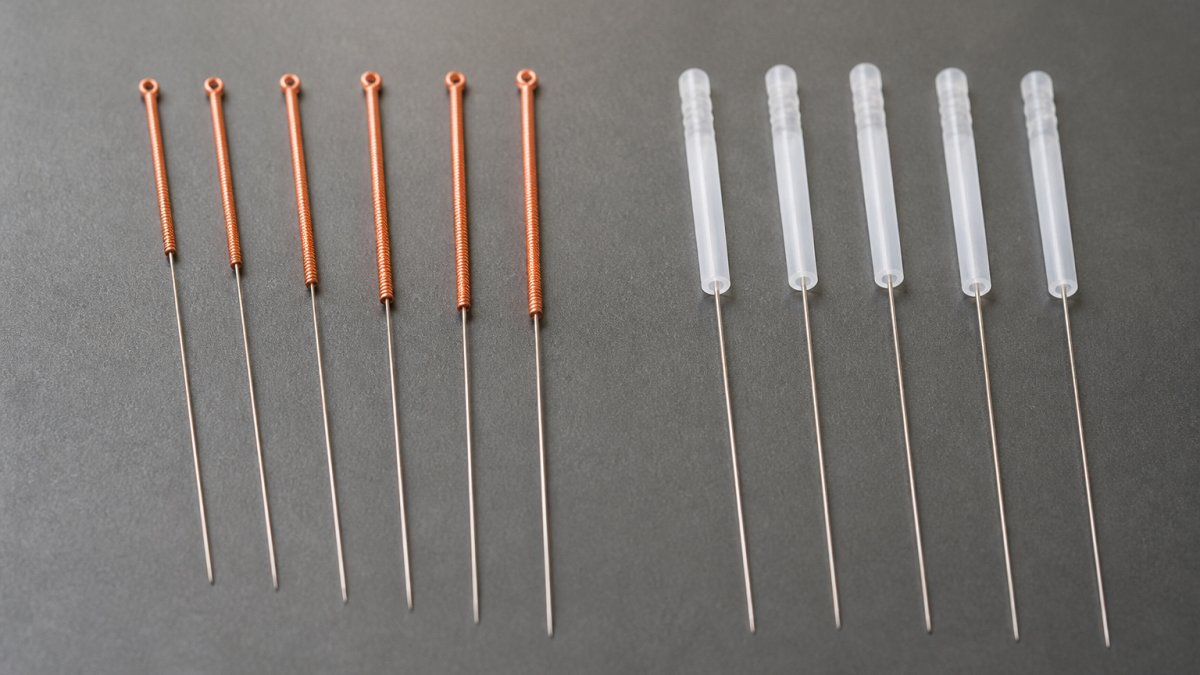
Acupuncture is generally considered safe when performed by a licensed practitioner using sterile, single-use needles. Mild side effects like small bruises or temporary soreness can occur. It is not appropriate for everyone; people who are pregnant, have a bleeding disorder, or use blood thinners should check with their doctor first. Always disclose your medications and health conditions during your intake so your practitioner can plan treatment safely.
What lifestyle changes complement acupuncture for hormonal balance?
Consistent sleep and wake times, regular movement, and a diet built around whole foods can support the results you get from acupuncture. Reducing caffeine and alcohol may help with cortisol and adrenaline levels. Stress management practices such as breathing exercises or meditation work well alongside treatment. Your practitioner can help you identify which changes matter most for your specific hormonal concerns.