Table of Contents
- Understanding Hormonal Acne in Women
- Step 1: Establish a Targeted Skincare Routine for Hormonal Acne
- Step 2: Adjust Your Hormonal Acne Diet for Women
- Step 3: Use Natural Supplements for Hormonal Acne
- Step 4: Support Hormonal Balance with Acupuncture for Hormonal Imbalance
- Step 5: Manage Stress and Sleep for Hormonal Health
- Step 6: Consider Cycle-Syncing and Timing
- When to Seek Professional Assessment
- Frequently Asked Questions
Last Updated: September 20, 2026
Understanding Hormonal Acne in Women
Hormonal acne is breakouts triggered by androgen fluctuations throughout your menstrual cycle, clustering along the jawline, chin, and lower face. It worsens during phases when sebum production increases and pores become congested. (Source: the National Institute of Diabetes and Digestive and Kidney Diseases (NIDDK))
When androgen levels rise, sebaceous glands produce excess sebum that combines with dead skin cells to clog pores and create an environment for bacteria. This results in deeper, painful cystic acne that resists standard topical treatments.
A combination of targeted skincare, dietary shifts, natural supplements, and stress management can help you treat hormonal acne naturally and significantly reduce breakouts.
Step 1: Establish a Targeted Skincare Routine for Hormonal Acne
Your daily skincare routine forms the foundation. Consistency matters more than complexity, the goal is reducing pore congestion and preventing bacterial overgrowth without stripping your skin.
Start with a gentle cleanser twice daily using lukewarm water. Hot water damages your skin barrier and triggers excess sebum production. Cleanse for 30 seconds and pat dry.
Active Ingredients That Work
Salicylic acid penetrates sebum-clogged pores and reduces inflammation. Use 2% concentration once or twice daily depending on skin sensitivity.
Retinoids increase cell turnover, reduce sebum production, and strengthen your skin barrier. Start with 0.025% concentration 2-3 times weekly, increasing frequency as tolerated. Daily SPF 30+ is essential due to sun sensitivity.
Azelaic acid reduces inflammation, kills bacteria, and addresses hyperpigmentation. Use 15-20% concentration once or twice daily.
Benzoyl peroxide kills bacteria effectively. Use 2.5% concentration once daily or every other day; higher strengths cause more irritation without added benefit.
Daily Skincare Routine for Acne-Prone Skin
Keep your routine simple. More steps don’t equal better results.
- Morning: Cleanse with salicylic acid cleanser → Apply azelaic acid serum → Moisturize with lightweight, non-comedogenic lotion → Apply SPF 30+
- Evening: Cleanse with gentle cleanser → Apply retinoid (3-4 nights per week to start) → Moisturize with slightly richer cream
Use one active ingredient per routine. Mixing multiple actives causes irritation and compromises your skin barrier.
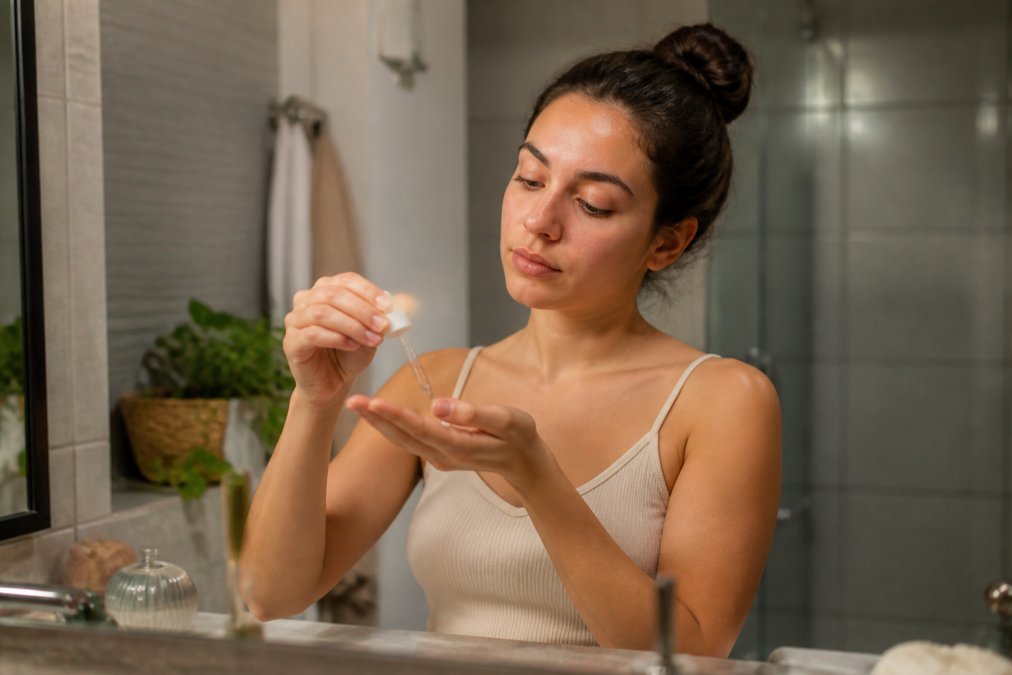
Non-comedogenic oils like squalane and jojoba oil won’t clog pores. If your skin feels tight after retinoids, add a few drops to your moisturizer instead of skipping hydration entirely.
Step 2: Adjust Your Hormonal Acne Diet for Women
Your gut bacteria regulate circulating estrogen and androgen levels through the estrobolome, a mechanism most acne articles overlook. Diet directly affects hormone metabolism and skin inflammation.
The Estrobolome and Hormone Reabsorption
When gut bacteria are imbalanced (dysbiosis), they can’t efficiently process hormones. Instead, hormones get reabsorbed into your bloodstream, raising circulating levels and triggering breakouts.
Beneficial bacteria produce beta-glucuronidase, essential for breaking down estrogen. Dysbiosis from antibiotics, processed foods, or stress causes these bacteria to decline, allowing estrogen to recirculate and worsen acne.
Foods That Support a Healthy Estrobolome
Prebiotic fiber feeds beneficial bacteria, which produce short-chain fatty acids that heal your gut lining and reduce inflammation.
- Inulin-rich foods: Garlic, onions, leeks, asparagus, chicory root. Aim for 5-10 grams daily.
- Resistant starch: Cooled cooked potatoes, green bananas, legumes. These survive digestion and feed your microbiome.
- Soluble fiber: Oats, barley, apples, carrots. Aim for 25-30 grams total fiber daily from all sources.
Adequate fiber promotes regular bowel movements, reducing the window for hormone reabsorption, critical because slow transit time allows hormones to be reabsorbed.
Polyphenol-rich foods feed beneficial bacteria while inhibiting pathogenic ones: berries, green tea, dark chocolate (70%+ cacao), red wine (moderate), and olive oil.
Omega-3 rich foods reduce systemic inflammation: fatty fish 2-3 times weekly, algae supplements, or flaxseeds and chia seeds.
Low-glycemic foods prevent insulin spikes that feed pathogenic bacteria: whole grains, legumes, and non-starchy vegetables.
Foods That Damage Your Estrobolome
Processed foods and added sugars feed pathogenic bacteria; dysbiosis worsens within days of high sugar intake.
Excess omega-6 oils promote inflammatory microbiome environments. Use olive or avocado oil instead, this shift often improves acne within 2-3 weeks.
Artificial sweeteners increase pathogenic bacteria. Use stevia or monk fruit instead.
Excess alcohol damages your gut lining, allowing bacterial endotoxins to trigger systemic inflammation. Limit to 1 drink daily.
Dairy may increase sebum production in some people. Eliminate for 4-6 weeks and track results; if acne improves, dairy sensitivity may be your trigger.
Healing Gut Permeability
A damaged gut lining allows bacterial endotoxins to trigger inflammation. Signs include bloating, food sensitivities, and widespread acne.
Bone broth provides amino acids that rebuild your gut lining. Consume 1-2 cups daily for 4-8 weeks.
L-glutamine repairs intestinal tight junctions. Take 5 grams twice daily for 6-8 weeks, especially after antibiotic use.
Slippery elm and marshmallow root coat and soothe your gut lining. Take 1-2 grams daily as tea or capsule.
Probiotic Strains That Matter for Hormonal Acne
Choose multi-strain formulas with at least 10 billion CFU. Prioritize: Lactobacillus rhamnosus and plantarum (support estrobolome function), Bifidobacterium longum (produces butyrate, heals permeability), and Akkermansia muciniphila (strengthens gut barrier).
Refrigerated multi-strain formulas are more effective than shelf-stable single-strain supplements. Give each probiotic 4-6 weeks before assessing results.
If you’ve taken antibiotics recently, your estrobolome is likely damaged. Prioritize prebiotic fiber, bone broth, and a quality probiotic for 8-12 weeks to restore hormone-metabolizing bacteria. This alone often clears acne that appeared after antibiotic use.
Your skin reflects your gut health. A dysbiotic microbiome recirculates hormones and triggers inflammation. By feeding beneficial bacteria, healing your gut lining, and choosing the right probiotic strains, you fix the root cause of hormonal acne rather than just treating breakouts topically.
Step 3: Use Natural Supplements for Hormonal Acne
Supplements address nutritional gaps and support hormone balance alongside diet and skincare, helping you treat hormonal acne naturally rather than as standalone solutions.
Myoinositol improves insulin sensitivity and reduces androgen levels. Take 2-4 grams daily; results appear after 8-12 weeks.
Chasteberry (Vitex) regulates progesterone and reduces estrogen dominance, especially for luteal-phase acne. Take 400-500 mg daily for 3 months.
Zinc reduces sebum production. Take 15-30 mg daily; don’t exceed 40 mg to avoid copper absorption interference.
Magnesium reduces cortisol and supports hormone metabolism. Take 300-400 mg daily, preferably glycinate form.
Start one supplement at a time, waiting 2-3 weeks before adding another. This helps you identify what actually works for your body.
Step 4: Support Hormonal Balance with Acupuncture for Hormonal Imbalance
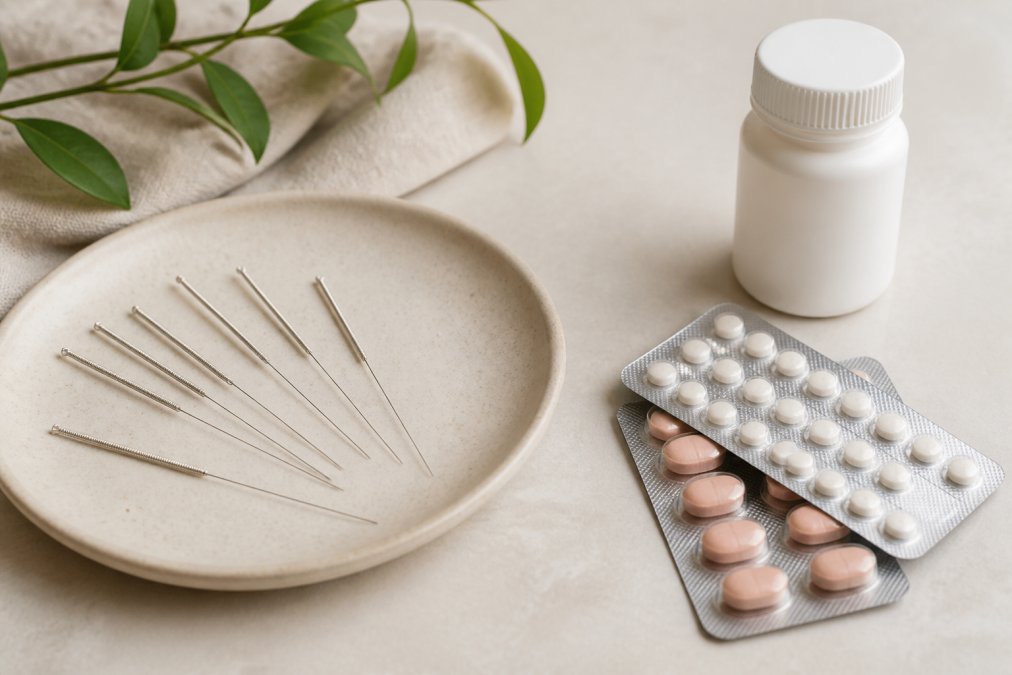
Acupuncture regulates your endocrine system and reduces cortisol spikes by influencing hormone production and improving skin circulation.
Acupuncture works best as part of a complete approach. Skincare, diet, and stress management amplify its effects. Acupuncture alone won’t clear acne if you’re eating inflammatory foods or using harsh skincare products.
Step 5: Manage Stress and Sleep for Hormonal Health
Stress doesn’t just trigger acne, it activates a specific hormonal cascade that directly worsens breakouts. Understanding this mechanism helps you target the root cause rather than treating symptoms.
The Cortisol-Insulin-Androgen Axis
Elevated cortisol worsens hormonal acne by: (1) increasing insulin resistance, which stimulates androgen production and sebum; (2) suppressing progesterone, reducing buffering against androgens; and (3) impairing skin barrier function, allowing bacterial penetration.
Sleep Quality and Circadian Hormone Regulation
Cortisol naturally peaks in early morning and declines throughout the day. Poor or inconsistent sleep flattens this rhythm, keeping cortisol elevated and your body in perpetual stress.
Actionable Stress Management Practices
Consistency matters more than intensity. Twenty minutes daily lowers baseline cortisol more effectively than sporadic intense sessions.
Sleep Environment Optimization
Optimize your bedroom: keep it cool (65-68°F), dark (use blackout curtains), and screen-free 60 minutes before bed. Maintain consistent sleep and wake times.
If you suspect chronic stress is driving your acne, ask your doctor about a cortisol test (24-hour urine cortisol or salivary cortisol at 4 time points). Elevated cortisol confirms that stress management should be your priority. Skincare and supplements alone won’t clear acne if cortisol remains high.
Cortisol is the bridge between stress and hormonal acne. By stabilizing your sleep rhythm, practicing daily stress reduction, and understanding how stress hijacks your hormone cascade, you interrupt the mechanism at its source rather than just treating breakouts after they appear.
Step 6: Consider Cycle-Syncing and Timing
Your menstrual cycle creates predictable hormonal patterns. Cycle-syncing means adjusting your skincare, supplements, and stress management to match these phases.
Cycle-syncing works best for women with predictable cycles. If your cycle is irregular, focus on the foundational steps first, skincare, diet, supplements, and stress management.
When to Seek Professional Assessment
Hormonal acne sometimes signals underlying conditions like polycystic ovary syndrome (PCOS), thyroid dysfunction, or adrenal fatigue. If acne is severe, sudden, or accompanied by other symptoms (irregular periods, excess hair growth, fatigue, weight changes), see a dermatologist or functional medicine practitioner for testing.
Frequently Asked Questions
What triggers hormonal acne in women?
Hormonal acne is primarily triggered by fluctuations in androgen levels throughout the menstrual cycle, particularly during the luteal phase when progesterone rises and sebum production increases. Other triggers include insulin resistance, elevated cortisol from stress, and endocrine system imbalances. Identifying your specific triggers, whether cycle-related, stress-induced, or diet-related, is essential for choosing the right treatment approach to treat hormonal acne naturally.
Can a hormonal acne diet for women really reduce breakouts?
Yes. A low-glycemic index diet rich in omega-3 fatty acids and antioxidants reduces inflammation and supports skin barrier function, both critical for managing hormonal acne. Avoiding high-sugar and high-dairy foods helps prevent insulin spikes that worsen sebum production and pore congestion. Many women see noticeable improvement in 4-8 weeks by prioritizing anti-inflammatory foods and eliminating known trigger foods.
Which natural supplements for hormonal acne are most effective?
Myoinositol and chasteberry are the most researched natural supplements for hormonal acne. Myoinositol supports insulin sensitivity and hormonal balance, while chasteberry regulates progesterone levels during the luteal phase. Omega-3 supplements, zinc, and spearmint tea also reduce sebum production and inflammation. Start with one supplement at a time and give it 8-12 weeks to assess effectiveness, then consult a qualified practitioner for personalized recommendations.
How does acupuncture help with hormonal imbalance and acne?
Acupuncture for hormonal imbalance works by regulating the endocrine system and reducing cortisol, the stress hormone that triggers sebum overproduction. Specific acupuncture points support liver function, gut-skin axis health, and menstrual cycle regulation. When combined with skincare, diet, and supplements, acupuncture accelerates hormonal rebalancing. A qualified practitioner will assess your specific imbalances and create a tailored treatment plan rather than using a standard protocol.