Table of Contents
- What Are Shin Splints and Why Runners Get Them
- Immediate Steps: Rest, Ice, Compression, and Elevation
- Best Stretches for Shin Splints and Calf Flexibility
- Acupuncture for Sports Injuries and Shin Splint Recovery
- Nutrition and Anti-Inflammatory Diet for Faster Healing
- Shin Splint Recovery Timeline and Return-to-Run Protocol
- Prevention Strategies to Avoid Future Shin Splints
- Frequently Asked Questions
Last Updated: September 17, 2026
What Are Shin Splints and Why Runners Get Them
Shin splints, medically known as medial tibial stress syndrome, is a common overuse injury that causes pain along the inner edge of the shinbone, and learning how to treat runner shin splints naturally can help you recover faster. The tibia bears significant impact forces during running, and when stress on this bone exceeds what your connective tissue can handle, inflammation develops. (Source: the American Academy of Orthopaedic Surgeons)
Runners develop shin splints when training volume increases too quickly. Your muscles and tendons need time to adapt to new demands. Sudden jumps in mileage, running on hard surfaces, or poor running gait can all trigger this injury.
The pain typically starts as mild tenderness and worsens with activity. Some runners ignore early warning signs and end up with chronic pain that sidelines them for months. Catching shin splints early and treating them properly makes all the difference.
A common mistake is pushing through shin splint pain. Rest in the first few days prevents the injury from becoming severe and long-lasting.
Immediate Steps: Rest, Ice, Compression, and Elevation
The RICE protocol remains the foundation for acute shin splint treatment. Start these steps as soon as pain appears.
Rest your leg from running. Stop high-impact activities immediately. This doesn’t mean complete immobility, walking and gentle movement are fine. Your goal is to remove the stress that triggered inflammation.
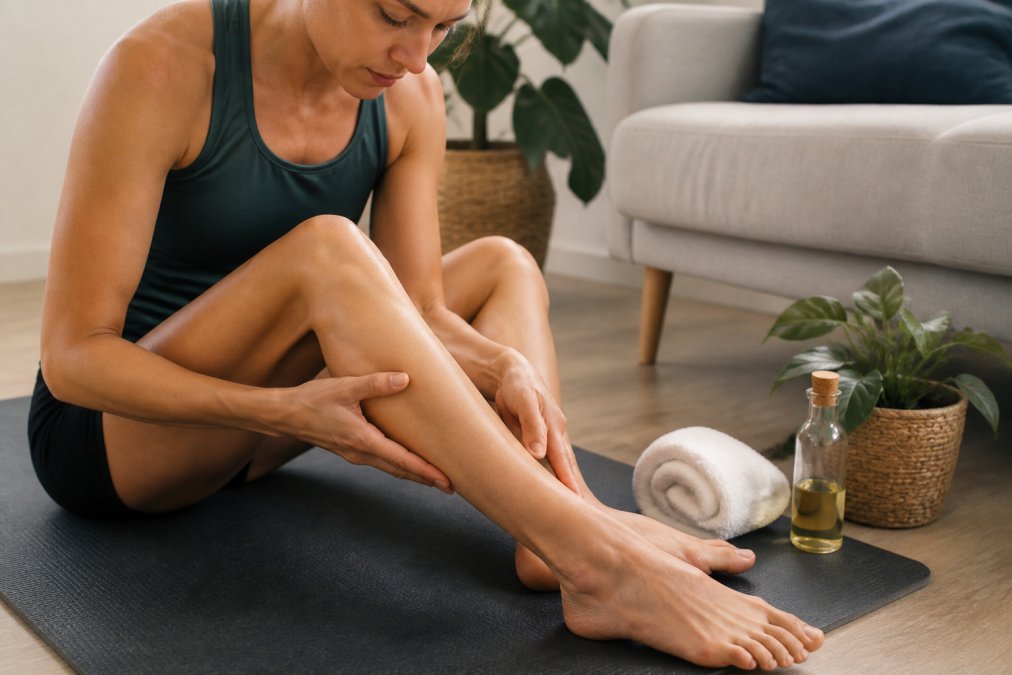
Ice the area for 15-20 minutes. Apply ice several times daily during the first 48 hours. Cold compresses reduce inflammation and numb pain. Wrap ice in a towel to protect your skin.
Compression wraps provide support. Wrap an elastic bandage snugly (but not tight enough to cut off circulation) around your shin. Compression limits swelling and stabilizes the tibia during healing.
Elevate your leg above heart level. Prop your shin on pillows when sitting or lying down. Elevation uses gravity to reduce fluid buildup in the injured tissue.
Recovery from acute shin splints typically takes 2-4 weeks with proper rest. Many runners return to running too soon and re-injure themselves. Patience during this phase prevents setbacks.
The first 48-72 hours are critical. Aggressive RICE treatment during this window significantly reduces total recovery time.
Best Stretches for Shin Splints and Calf Flexibility
Tight calf muscles pull on the tibia and increase stress on the shin. Stretching the calf and tibialis anterior (the muscle on the front of your shin) reduces this tension and prevents future shin splints. Consistent application of these stretches helps soothe sore muscles while promoting long-term recovery and tissue resilience.
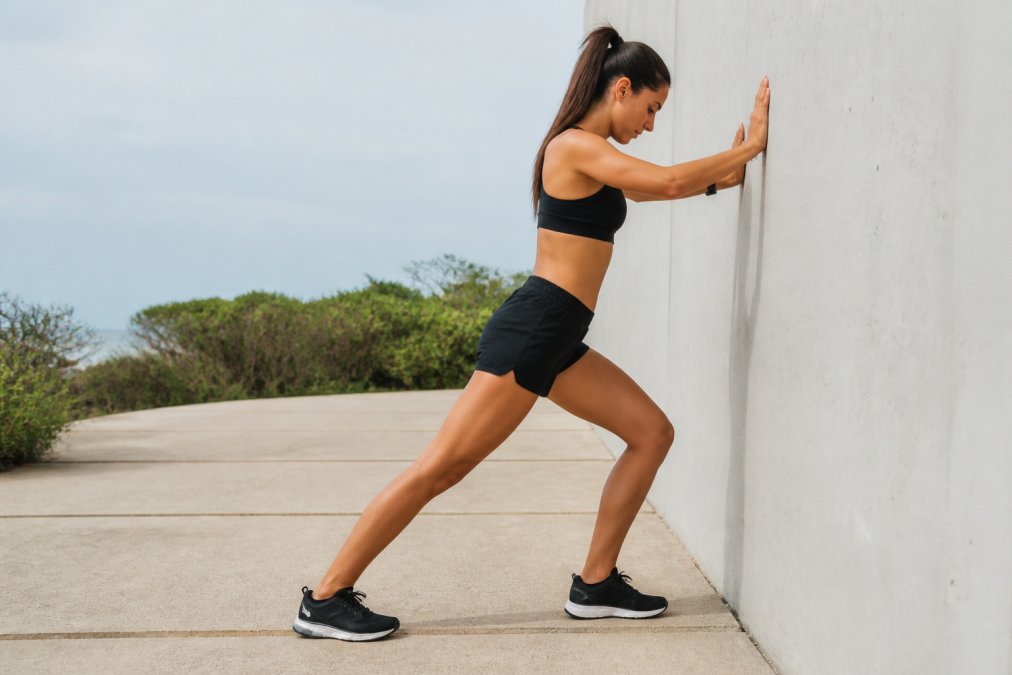
Calf wall stretch. Stand facing a wall with one leg extended behind you, heel planted on the ground. Lean forward until you feel a stretch in your calf. Hold for 30 seconds, repeat 3 times per leg, twice daily.
Seated shin stretch. Sit on the floor with one leg extended. Pull your toes toward your shin using a towel looped around your foot. Hold for 20 seconds, repeat 3 times per leg.
Downward dog pose. From a push-up position, push your hips toward the ceiling, forming an inverted V. Press your heels down to stretch your calves. Hold for 30 seconds, repeat 3 times.
Stair stretch. Stand on a step with your heel hanging off the edge. Lower your heel below step level to stretch your calf. Hold for 30 seconds per leg.
Perform these stretches daily, even after pain subsides. Consistent stretching improves ankle stability and reduces overuse injury risk. Many runners skip stretching and wonder why shin splints return.
Avoid aggressive stretching during the acute pain phase. Wait 3-5 days after pain starts before beginning a full stretching routine.
Acupuncture for Sports Injuries and Shin Splint Recovery
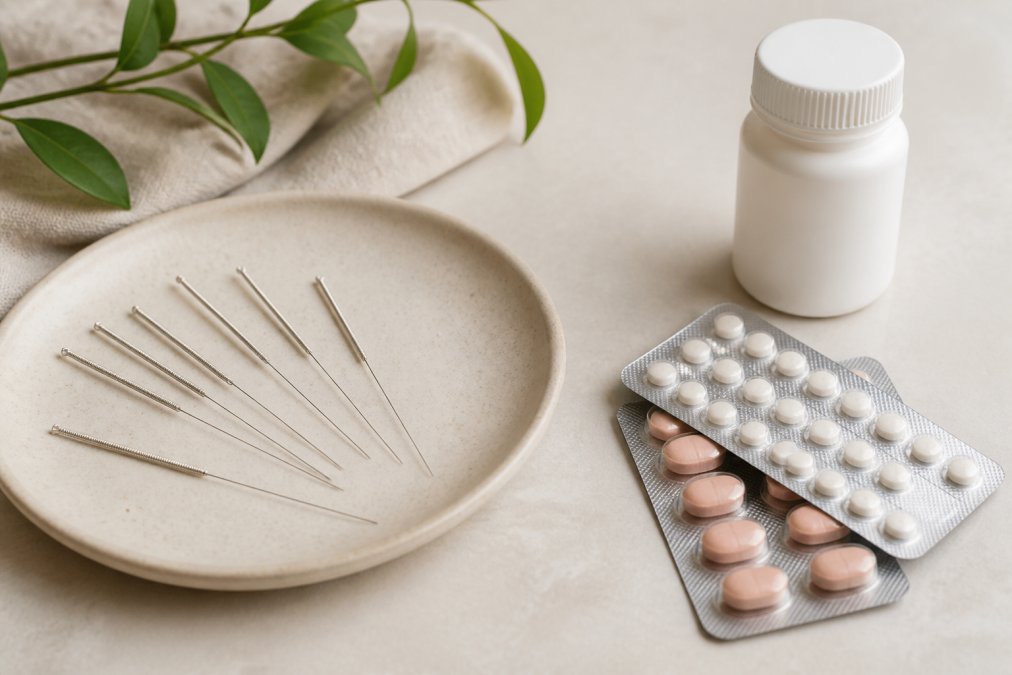
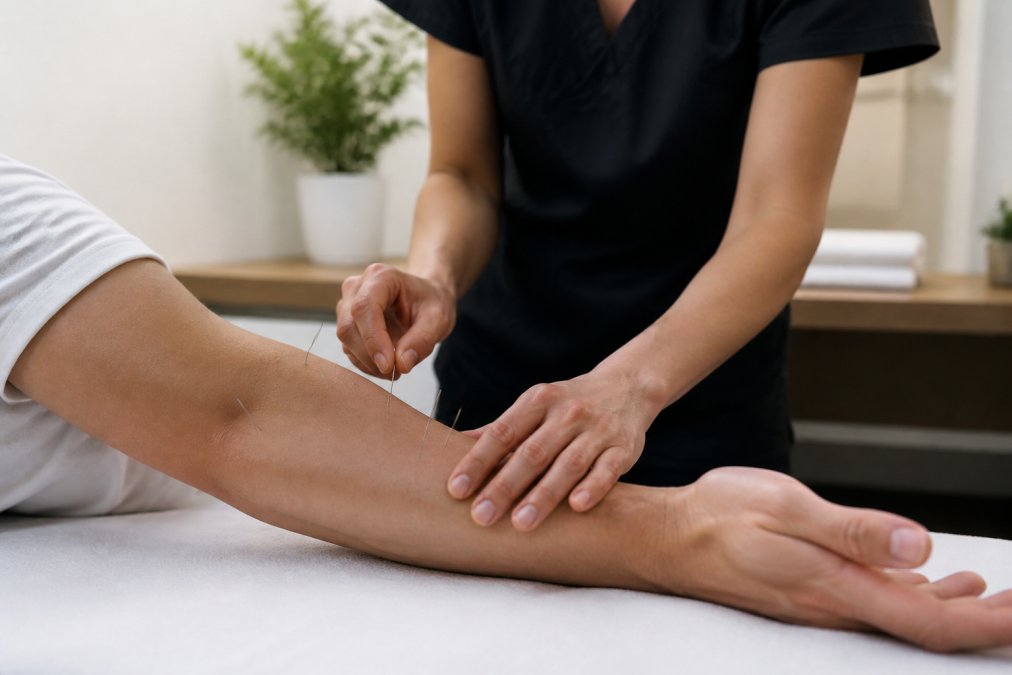
Acupuncture addresses shin splints by reducing inflammation and promoting blood flow to damaged tissue. Fine needles stimulate specific points that trigger the body’s natural healing response.
The tibialis anterior muscle and surrounding connective tissue respond well to acupuncture treatment. Needles placed along the shin activate circulation, which delivers oxygen and nutrients needed for repair. Many runners report reduced pain and faster recovery when combining acupuncture with rest and stretching.
Treatment frequency matters. Weekly sessions during the acute phase (weeks 1-4) provide the most benefit. As pain decreases, sessions can shift to every two weeks for maintenance and prevention.
Source Acupuncture specializes in sports injury recovery, including acupuncture for sports injuries specific to runners. Our practitioners assess your needs to design a personalized treatment plan. Combined with other therapeutic techniques, acupuncture supports recovery from shin splints.
The advantage of acupuncture is that it addresses the root cause, inflammation and poor circulation, rather than just masking pain. Many runners find that acupuncture combined with activity modification prevents chronic shin splint issues that plague their training.
Nutrition and Anti-Inflammatory Diet for Faster Healing
What you eat directly affects inflammation and recovery speed. An anti-inflammatory diet supports your body’s healing process and reduces pain.
Focus on omega-3 rich foods. Fatty fish like salmon and mackerel contain omega-3 fatty acids that combat inflammation. Aim for 2-3 servings weekly. Plant-based sources include walnuts, flaxseeds, and chia seeds. (Source: the National Institutes of Health)
Eat colorful vegetables. Berries, leafy greens, and bell peppers contain antioxidants that reduce inflammation. Include a variety of colors at each meal.
Choose whole grains. Brown rice, oats, and whole wheat bread provide sustained energy without spiking blood sugar, which can worsen inflammation.
Limit processed foods. Refined sugars and processed oils increase inflammation throughout your body. Reducing these speeds recovery.
Stay hydrated. Water supports nutrient transport and waste removal. Drink at least half your body weight in ounces daily.
Protein intake matters too. Your muscles need amino acids to repair tissue damage. Include protein at each meal, eggs, chicken, legumes, or Greek yogurt all work well.
Many runners overlook nutrition during injury recovery, yet understanding how to treat runner shin splints naturally includes paying attention to what you eat. What you eat during this phase directly impacts how quickly you return to running pain-free.
Shin Splint Recovery Timeline and Return-to-Run Protocol
Understanding recovery timelines and following a structured return-to-run protocol prevents re-injury. Shin splints follow a predictable healing pattern when managed correctly, but the progression must be individualized based on pain response and biomechanical readiness.
Weeks 1-2: Acute phase. Pain is worst during this period. Rest completely from running. Ice, compress, and elevate daily. Light walking is fine if painless. Your goal is to reduce inflammation and allow initial tissue healing. Avoid any activity that reproduces sharp pain. Begin gentle range-of-motion exercises: ankle circles, slow calf stretches, and light shin muscle activation (tapping your shin lightly to maintain neuromuscular connection without stress).
Weeks 2-4: Early healing. Pain decreases noticeably. Begin gentle stretching and strengthening exercises (calf stretches, seated shin stretches, and isometric calf holds). Continue ice after activity. Walking should feel nearly pain-free at a normal pace. Introduce stationary cycling or pool walking if available, these non-impact activities maintain cardiovascular fitness without stressing the tibia. Pain should not increase during or after these activities.
Weeks 4-6: Progressive return. This is the critical phase where most runners re-injure themselves by advancing too quickly. Start walk-run intervals on soft surfaces only (track, grass, or trail, avoid pavement and concrete). Begin with a 2-minute walk, 1-minute easy jog pattern. Repeat this cycle 4-6 times per session, 2-3 times per week with at least one rest day between sessions. Your jogging pace should feel conversational; if you cannot speak in complete sentences, you are running too fast. Pain during the run should remain at 0-2 out of 10.
If you experience a setback during return-to-run (pain increases significantly), drop back one full week in the progression and advance more conservatively. One setback does not erase your progress; it simply means your tissue needs more time.
Prevention Strategies to Avoid Future Shin Splints
Once you’ve experienced shin splints, prevention becomes essential. Most runners who recover properly never get them again if they follow smart training practices. The most overlooked prevention strategy is strengthening the hip and glute muscles that stabilize your entire lower body during running.
- Single-leg glute bridges: Lie on your back, one knee bent with foot planted, the other leg extended. Push through your planted foot to lift your hips, squeezing your glute. Hold 2 seconds. Perform 12-15 reps per leg.
- Clamshells: Lie on your side with knees bent at 90 degrees, feet together. Open your top knee while keeping feet together, feeling the outer hip contract. Perform 15-20 reps per side.
- Monster walks: Place a resistance band around your legs just above the knees. Step forward in a wide stance, maintaining tension on the band. Walk 20 steps forward, then backward.
- Single-leg squats or step-ups: Stand on one leg and lower into a partial squat, or step up onto a 12-inch platform. These movements build functional strength that transfers directly to running stability.
Frequently Asked Questions
How long does it typically take to recover from shin splints?
Recovery varies based on severity and how consistently you follow treatment. Mild shin splints may improve in 2-4 weeks with rest and ice therapy, while moderate cases often require 6-8 weeks. Chronic or severe shin splints can take 3-4 months or longer. The key is avoiding re-injury during your shin splint recovery timeline by gradually returning to running rather than resuming full intensity immediately.
Can acupuncture really help with shin splints?
Acupuncture for sports injuries works by reducing inflammation, improving blood flow to the affected tissue, and supporting the body’s natural healing response. Many runners find that acupuncture combined with rest, stretching, and proper footwear accelerates recovery. A qualified practitioner can target the tibialis anterior and surrounding connective tissue to address the root causes of shin splint pain rather than just masking symptoms.
What foods help reduce inflammation from shin splints?
Foods rich in omega-3 fatty acids (fatty fish, walnuts, flaxseeds), antioxidants (berries, leafy greens, beets), and vitamin C (citrus, bell peppers, broccoli) support natural anti-inflammatory responses. Turmeric, ginger, and tart cherry juice have also been associated with reduced inflammation. Staying hydrated and limiting processed foods and excess sugar helps your body manage swelling and supports faster tissue repair during recovery.
Should I stop running completely if I have shin splints?
Complete rest is not always necessary, but activity modification is essential. High-impact running typically worsens shin splints, so switching to low-impact cross-training like swimming, cycling, or elliptical workouts allows you to maintain fitness without aggravating the injury. Once pain decreases, a gradual return-to-run protocol, alternating walking and light jogging, helps rebuild strength safely without re-injury.