Table of Contents
- How We Evaluated These Recovery Therapies
- 1. Acupuncture: Benefits of Acupuncture for Athletes
- 2. Cold Therapy and Ice Baths
- 3. Compression Therapy and Garments
- 4. Red Light Therapy for Muscle Recovery
- 5. Active Recovery and Light Movement
- 6. Sleep and Rest Optimization
- 7. Nutrition and Hydration Strategies
- 8. Massage and Myofascial Release
- 9. Foam Rolling Techniques
- 10. Contrast Water Therapy
- Recovery Timing and Periodization
- Frequently Asked Questions
Last Updated: September 14, 2026
How We Evaluated These Recovery Therapies
Recovery therapies are structured interventions, from acupuncture to cold immersion, that help athletes manage inflammation, restore range of motion, and return to training faster. Below, we break down what each method actually does, who it suits, and where it falls short.
Quick Picks:
- Best Overall: Acupuncture at Source Acupuncture, for pain relief and inflammation control
- Best for Home Use: Theragun PRO, for self-myofascial release between sessions
- Best Budget Option: The Ice Pod, for accessible cold therapy
| Therapy | Primary Mechanism | Best For | Time Per Session |
|---|---|---|---|
| Acupuncture | Inflammation control, pain modulation | Chronic soreness, joint pain | 30-60 min |
| Cold therapy | Vasoconstriction, reduced swelling | Acute inflammation post-training | 5-15 min |
| Compression | Circulation, metabolic waste removal | Leg fatigue, travel recovery | 20-60 min |
| Red light therapy | Tissue oxygenation, cellular repair | Joint pain, chronic inflammation | 10-20 min |
1. Acupuncture: Benefits of Acupuncture for Athletes
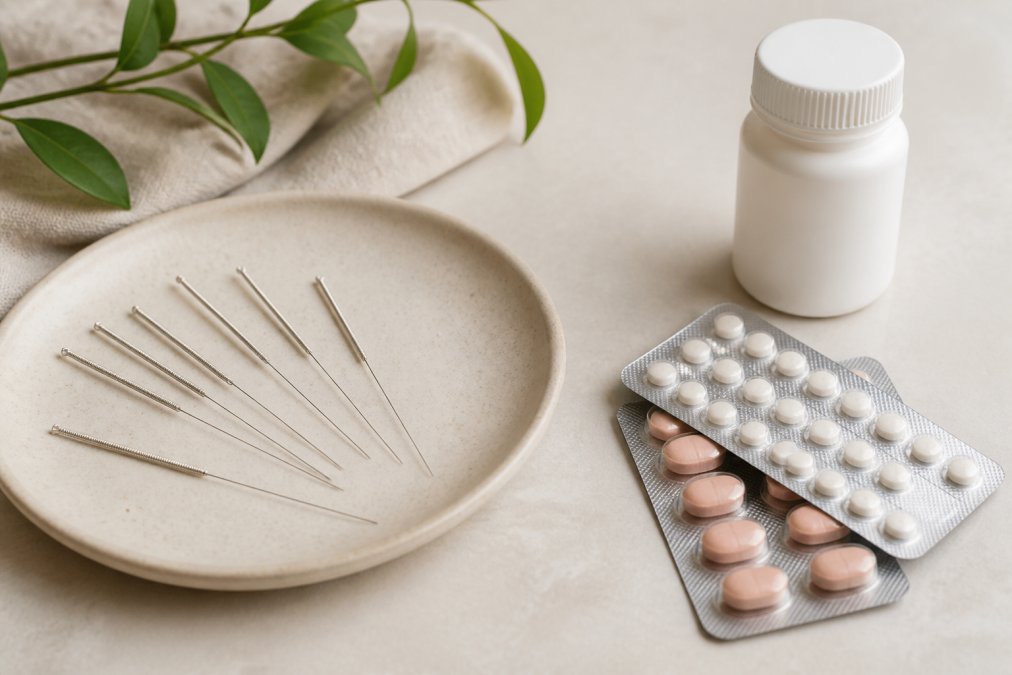
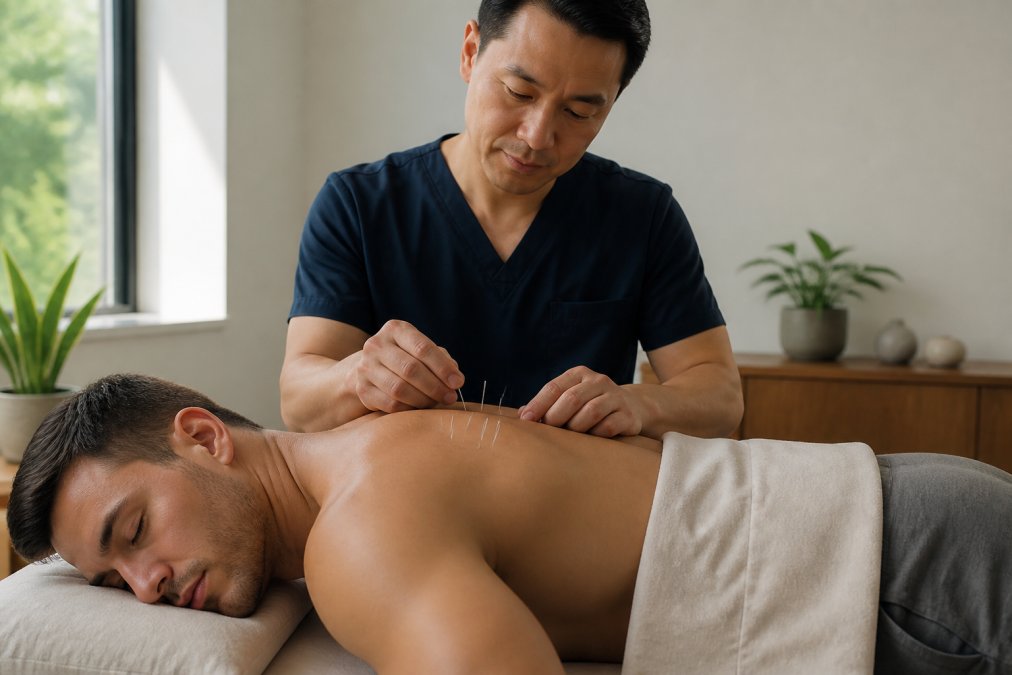
Acupuncture is the practice of inserting fine, sterile needles into specific points to modulate pain signaling, reduce inflammation, and support tissue repair. For athletes, the benefits of acupuncture for athletes center on two things: faster recovery from training load and better management of recurring soreness that never quite resolves. A common mistake is treating acupuncture as a last resort after an injury. In practice, athletes who use it as a consistent recovery protocol, not an emergency measure, tend to see the biggest gains in sleep quality and perceived readiness.
What Acupuncture Does for Muscle Repair and Inflammation
At the tissue level, needling at specific points triggers localized vasodilation, which improves blood flow to recovering muscle and supports metabolic waste removal. This matters for DOMS, or delayed onset muscle soreness, which peaks 24 to 72 hours after hard training (pubmed.ncbi.nlm.nih.gov). Many athletes find that acupuncture shortens that window and reduces the intensity of muscle spasms that follow heavy loading.
Pros and Cons of Acupuncture for Recovery
Pros:
- Targets both pain and inflammation without medication
- Supports parasympathetic nervous system activity, which aids sleep
- Personalized protocols adapt to the athlete’s specific sport and injury history
Cons:
- Requires a licensed practitioner, so it is not a self-administered therapy
- Benefits build with consistency rather than from a single session
The athletes who get the most from acupuncture book sessions on a fixed schedule, often the day after their heaviest training block, rather than waiting for soreness to set in. Timing it around your training load matters more than the total number of sessions.
At Source Acupuncture, our licensed practitioners build recovery plans around your training calendar, not a generic template, and our wellness membership program makes consistent sessions more affordable. Integrating these personalized acupuncture sessions with the latest wellness recovery technology ensures that your body receives the comprehensive support necessary to maintain peak performance throughout the competitive season.
2. Cold Therapy and Ice Baths
Cold water immersion is one of the most studied recovery therapies for athletes, and it works through vasoconstriction: blood vessels narrow in the cold, which reduces swelling and inflammation in the hours after intense training. The tradeoff is that cold therapy can blunt some of the inflammatory signaling that drives physiological adaptation, so timing matters (pubmed.ncbi.nlm.nih.gov). Use it after competition or a back-to-back training block, not after every session.
The Ice Pod is a portable cold plunge tub built for at-home immersion, with insulated walls that hold low water temperatures and an easy-drain system for maintenance. It is a cost-effective alternative to professional cryotherapy, though you will need to replenish ice manually. For athletes who want contrast immersion, alternating cold and hot, a tub like this makes the hot-cold cycle practical at home.
3. Compression Therapy and Garments
Compression therapy applies external pressure to limbs to support circulation, reduce swelling, and speed metabolic waste removal. Static compression garments are the budget entry point; dynamic pneumatic systems are the upgrade. The Normatec 3 Legs uses patented Pulse technology with seven levels of compression intensity and ZoneBoost for targeted treatment, and it is best for endurance athletes managing leg swelling and soreness. The main drawback is storage: the attachment set takes up real space. If you travel for competitions, static garments pack far easier.
4. Red Light Therapy for Muscle Recovery
Red light therapy for muscle recovery uses specific wavelengths of light to support tissue oxygenation and cellular repair. The Kineon MOVE+ Pro combines 650nm and 808nm wavelengths in a wearable, battery-operated device designed for joint and muscle treatment, and it is a strong option for athletes managing joint pain and chronic inflammation. The catch is consistency: results build over weeks of regular use, not from a single session. If you want a hands-free, non-invasive option, this fits, but do not expect overnight changes.
5. Active Recovery and Light Movement
Active rest beats total rest on most recovery days. Light movement, such as an easy walk, a slow swim, or a spin at low resistance, keeps blood moving, supports joint lubrication, and helps clear metabolic waste without adding meaningful training load. The rule of thumb: keep intensity low enough that you could hold a conversation throughout. Passive recovery has its place after competition, but for day-to-day soreness, moving gently usually beats lying still.
6. Sleep and Rest Optimization
Sleep is the single highest-use recovery protocol available, and it is free. Most tissue repair, including protein synthesis, happens during deep sleep, and circadian rhythm disruption measurably slows recovery kinetics (pubmed.ncbi.nlm.nih.gov). Wearables like the Oura Ring Gen3 track sleep stages and readiness based on heart rate variability, while the WHOOP 4.0 focuses on strain, recovery, and sleep coaching. The Oura Ring’s main drawback is its monthly subscription; WHOOP is subscription-only from the start. Both are useful, but no device replaces a consistent sleep schedule.
Chasing a perfect sleep score can backfire. Athletes who obsess over nightly wearable data often develop sleep anxiety, which delays sleep onset and worsens the very metric they are tracking. Use the trend line, not the single night.
7. Nutrition and Hydration Strategies
Hydration status and electrolyte balance directly affect recovery kinetics, and getting them wrong slows everything else on this list. Glycogen replenishment matters most in the first hours after training, so pair carbohydrates with protein rather than treating them as separate goals. A practical approach many athletes use: a recovery drink or meal within an hour of finishing, then consistent water intake through the rest of the day. For natural ways to boost immunity for athletes, the basics still win: adequate protein, sufficient calories, and enough fluid to keep urine pale.
| Mistake | Fix | Impact |
|---|---|---|
| Skipping post-training fuel | Eat carbs and protein within an hour | Faster glycogen replenishment |
| Drinking only water | Add electrolytes on heavy sweat days | Better hydration status |
| Under-eating on rest days | Match intake to repair needs | Supports tissue repair |
8. Massage and Myofascial Release
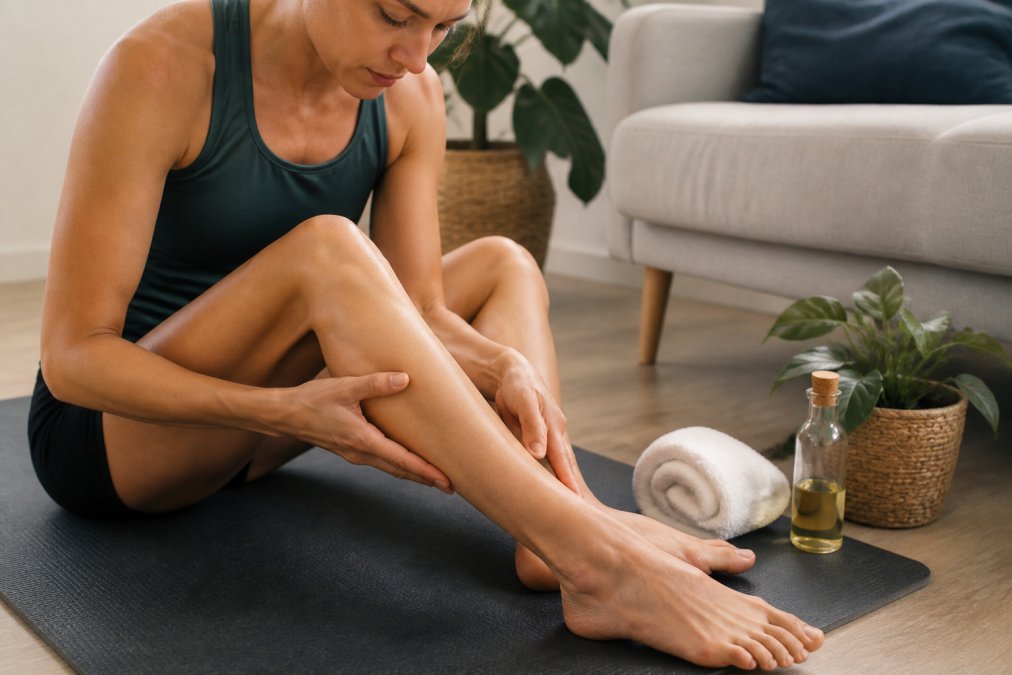
Massage and myofascial release reduce muscle tension, improve range of motion, and help athletes downshift into a parasympathetic state. The Theragun PRO is a professional-grade percussive device with 16mm amplitude for deep muscle treatment and QuietForce Technology for near-silent operation, and it is best for athletes who want deep tissue work between professional sessions. The high price point is the main barrier. For athletes on a budget, a foam roller and a lacrosse ball cover much of the same ground.
9. Foam Rolling Techniques
Self-myofascial release with a foam roller is the most accessible recovery tool on this list. Roll slowly, about an inch per second, and pause on tender spots for 20 to 30 seconds rather than racing through the whole muscle. Focus on the quads, calves, and thoracic spine after lower-body sessions. A common mistake is rolling directly over an acute injury; work the tissue around it instead, and keep pressure tolerable. Foam rolling before training can improve short-term range of motion, while rolling after supports recovery.
10. Contrast Water Therapy
Contrast immersion alternates hot and cold water to drive vasodilation and vasoconstriction in sequence, which many athletes find reduces next-day soreness and heaviness. A typical protocol is one minute hot, one minute cold, repeated several times, ending on cold. It is popular among team-sport athletes after competition. Contrast therapy is less effective for pure strength recovery and works best when your goal is feeling fresh for the next event rather than maximizing adaptation.
Recovery Timing and Periodization
Most recovery guides hand you a menu and let you guess when to order. That is backwards. The same therapy that speeds you up after a competition can blunt the adaptation you trained for if you use it after a heavy strength session. Recovery works best when it is periodized the way training is: matched to the phase, the session type, and the clock.
The Three Recovery Windows
Think in three windows, each with a different goal.
Immediate (0-60 minutes post-session). The job here is to stop the bleeding on fluid balance and glycogen, not to chase soreness. Rehydrate with electrolytes if you sweated heavily, get carbohydrate and protein in, and keep moving lightly rather than sitting down hard. Cold immersion belongs here only after competition or a back-to-back block, not after a session where you want the inflammatory signal to do its job.
Delayed (24-72 hours). This is where DOMS peaks and where most of the therapies on this list earn their keep. Acupuncture, massage, foam rolling, compression, and red light therapy all fit this window. The goal shifts from acute management to restoring range of motion and downshifting the nervous system so you sleep well and come back ready.
Maintenance (weekly and seasonal). Sleep, nutrition, and load management are not once-and-done; they are the floor everything else stands on. Compression garments and a consistent acupuncture schedule fit here as ongoing support rather than emergency fixes.
Match the Therapy to the Training Phase
| Phase | Priority Therapies | What to Avoid |
|---|---|---|
| Heavy build weeks | Sleep, nutrition, compression, light active recovery | Aggressive cold immersion after every session |
| Taper weeks | Contrast therapy, acupuncture, massage | Adding new training load |
| Competition day and after | Cold therapy, passive recovery, contrast immersion | Deep tissue work right before competing |
| Off-season | Foam rolling, mobility work, red light therapy | Letting recovery habits lapse entirely |
Recovery by Sport Type
A general list treats a marathoner and a shot putter the same. They are not.
Endurance athletes accumulate volume and repetitive strain. Their recovery leans on compression for leg swelling, contrast water therapy to manage heaviness, and aggressive sleep and fueling to keep glycogen topped off. Cold immersion after long efforts is well tolerated because the adaptation they want is cardiovascular, not inflammatory.
Explosive-power and strength athletes need the inflammatory signal from training to drive muscle adaptation. For them, routine post-session cold immersion can work against the goal. They get more from massage, acupuncture for joint and tendon soreness, and red light therapy for chronic joint irritation, with cold reserved for competition recovery.
Team-sport and multi-event athletes face the tightest turnaround. Contrast immersion, compression, and a disciplined sleep schedule matter most because they often compete again within days.
Do Not Skip Psychological Recovery
Mental fatigue slows physical recovery. Decision fatigue, travel, and the stress of competition keep the nervous system in a sympathetic state, which delays sleep onset and blunts the parasympathetic shift that tissue repair depends on. Schedule genuine downtime the way you schedule sessions: a real off-day, a screen-free wind-down, and time away from the sport. Athletes who periodize recovery the way they periodize training tend to avoid the boom-and-bust cycle that leads to overuse injuries.
Match the therapy to the phase, not the mood. Cold immersion after every session can blunt adaptation; the same protocol used strategically after competition speeds your return to training. Write your recovery plan next to your training plan, not after it.
Frequently Asked Questions
What are the best recovery treatments for athletes?
The most effective recovery therapies combine several approaches: acupuncture for pain relief and circulation, cold therapy and ice baths for inflammation control, compression garments for tissue oxygenation, red light therapy for muscle repair, and sleep optimization for physiological adaptation. Active recovery, hydration, and nutrition support recovery kinetics between sessions. Most athletes benefit from pairing one passive method, such as compression or cold immersion, with one active method like light movement or self-myofascial release, rather than relying on a single therapy.
How does acupuncture support athletic recovery?
Acupuncture for athletes targets muscle tension, joint pain, and nervous system regulation. Fine needles placed at specific points can reduce muscle spasms, support inflammation control, and shift the body toward the parasympathetic nervous system, which supports tissue repair. Many athletes use it between training blocks to manage delayed onset muscle soreness (DOMS) and maintain range of motion. A licensed practitioner can tailor sessions to your sport and training load, so results depend on consistency and correct point selection.
Is red light therapy effective for muscle soreness?
Red light therapy for muscle recovery uses specific wavelengths, typically 650nm and 808nm, to support tissue repair and reduce inflammation. Wearable devices like the Kineon MOVE+ Pro deliver this light directly to joints and muscles. Research suggests it can help with DOMS and joint discomfort, but consistency matters: most protocols require regular sessions over several weeks. It works best as part of a broader recovery plan that includes sleep, hydration, and training load management, not as a standalone fix.
What is the best recovery tool for athletes on a budget?
Affordable recovery does not require expensive equipment. A foam roller and a lacrosse ball cover self-myofascial release for most muscle groups. The Ice Pod, a portable cold plunge tub, gives you at-home cold water immersion without a cryotherapy membership. Compression garments and a structured sleep routine cost little and support circulation and parasympathetic recovery. Prioritize sleep, hydration, and active rest first, then add tools as your budget allows.
How does recovery timing and periodization affect results?
When you apply a therapy matters as much as which one you choose. Cold water immersion immediately after strength training can blunt muscle protein synthesis, so save it for competition days or high-volume blocks. Use active recovery and compression on rest days to support metabolic waste removal. Red light therapy and acupuncture fit well during deload weeks to manage accumulated fatigue. Matching recovery protocols to your training phase, rather than using them randomly, improves physiological adaptation and reduces injury risk.