
Table of Contents
- Why Natural Ways to Boost Immunity Matter
- Foods for Immune System Support
- Sleep and Immune Function: The Recovery Connection
- How Stress Affects Immunity
- Physical Activity and Immune Health
- Acupuncture for Immune Health
- Hydration, Supplements, and Lifestyle Habits
- Recovery After Illness: Immune Support for Post-Recovery
- Frequently Asked Questions
Last Updated: September 2, 2026
Why Natural Ways to Boost Immunity Matter
Your immune system works around the clock, defending against pathogens and supporting recovery from illness and stress. Yet most people treat immunity as an afterthought. Natural ways to boost immunity are built on foundational lifestyle choices that either support or undermine your body’s defense mechanisms every day.
At Source Acupuncture, we’ve worked with clients who’ve discovered that small, consistent changes in sleep, stress management, nutrition, and movement create improvements in how their bodies respond to seasonal challenges and recover from physical exertion. The difference between people who stay resilient and those who struggle often comes down to whether they’re working with their immune system or against it. When you understand how sleep regulates white blood cells, how chronic stress elevates cortisol, and how nutrient density fuels immune surveillance, you can make targeted choices that compound over time.
Foods for Immune System Support
Your gut microbiome is where roughly 70 percent of your immune function originates (peer-reviewed research). The bacteria in your digestive tract directly influence how your body identifies and responds to threats. When you eat nutrient-dense foods, you’re feeding beneficial bacteria that support immune surveillance and strengthening the intestinal barrier that keeps harmful pathogens contained.
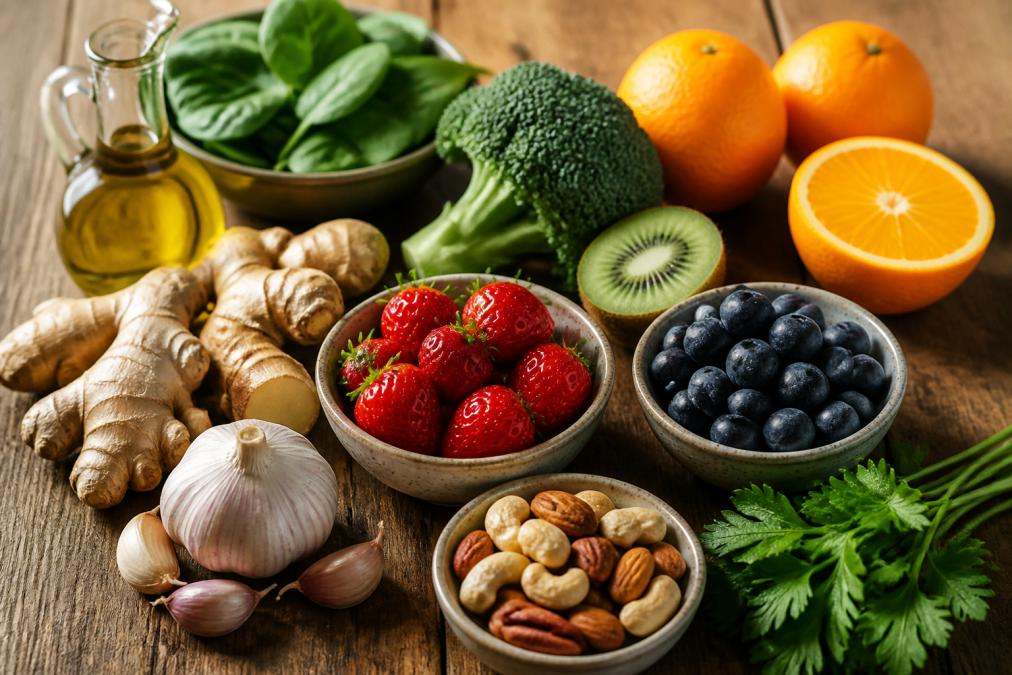
Nutrient-dense foods that strengthen immune response
Vitamin C-rich foods like citrus, bell peppers, and kiwi support white blood cell production and function. Zinc, found in oysters, beef, pumpkin seeds, and chickpeas, is essential for T-cell development. Vitamin D from fatty fish like salmon and mackerel regulates immune response and reduces excessive inflammation.
The real power comes from phytonutrient-rich foods: turmeric (containing curcumin), garlic (with allicin), ginger, and dark leafy greens like spinach and kale. These compounds reduce oxidative stress and support the body’s natural inflammatory response. Berries contain anthocyanins that strengthen cellular health. Omega-3 fatty acids from sardines, mackerel, and walnuts modulate immune response and reduce chronic inflammation.
Consistent consumption of a variety of nutrient-dense foods, combined with the other strategies in this guide, creates cumulative cellular support.
The role of gut microbiome in immune surveillance
Your gut microbiome communicates directly with your immune system through microbial metabolites and the intestinal epithelial barrier. When you consume foods that feed beneficial bacteria, fiber-rich vegetables, fermented foods like sauerkraut and kimchi, prebiotic foods like onions and asparagus, you’re strengthening the foundation of immune surveillance.
Fermented foods introduce live beneficial bacteria that produce short-chain fatty acids, which reduce inflammation and strengthen the intestinal barrier. When that barrier is healthy, your immune system can focus on actual threats rather than responding to food particles and environmental stressors that shouldn’t trigger a reaction.
Dietary fiber feeds beneficial bacteria and is essential for maintaining microbial diversity. Most people consume far less than the target of 25-35 grams daily, which correlates with reduced immune resilience (the CDC).
Sleep and Immune Function: The Recovery Connection
Sleep is when your immune system does its deepest work. During sleep, your body produces cytokines, signaling molecules that coordinate immune response. Poor sleep hygiene measurably compromises white blood cell count and your body’s ability to fight pathogens.
A single night of inadequate sleep reduces natural killer cell activity, cells that patrol for viral infections and abnormal cells. Chronic sleep deprivation compounds this effect, creating perpetually weakened immunity.
Deep sleep (stages 3 and 4) is when most immune system consolidation occurs. If you’re sleeping seven hours but waking frequently or spending most of the night in light sleep, you’re not getting the immune recovery your body needs.
Consistency is critical. Your immune system operates on circadian rhythms. Irregular sleep schedules disrupt the hormonal signals that regulate immune function. Cortisol, which suppresses immune activity at high levels, should be low at night and rise gradually in the morning. Irregular schedules keep cortisol dysregulated, preventing your immune system from downregulating inflammation and consolidating immune memory.
How Stress Affects Immunity
Chronic stress is one of the most direct suppressors of immune function. When you experience stress, your nervous system triggers the release of cortisol and adrenaline. While this is adaptive short-term, chronic stress keeps cortisol elevated, producing measurable immunosuppressive effects.
High cortisol reduces white blood cell number and function, decreases antibody production, and increases inflammatory markers. This is why people under chronic stress get sick more frequently and recover more slowly.
Psychoneuroimmunology and nervous system regulation
Psychoneuroimmunology studies how psychological states directly influence immune function through the nervous system. Your thoughts, emotional states, and stress levels send signals through the vagus nerve that alter immune cell behavior.
When your nervous system is in parasympathetic (rest-and-digest) mode, your immune system functions optimally. When it’s in sympathetic (fight-or-flight) mode, immune function is suppressed. This explains why practices that calm the nervous system, meditation, deep breathing, acupuncture, and gentle movement, have measurable effects on immune markers.
The vagus nerve is the main pathway through which your nervous system communicates with your immune system. Vagal tone directly correlates with immune resilience. People with high vagal tone recover faster from illness and have more stable immune responses. Acupuncture can improve immune function by activating parasympathetic pathways and reducing cortisol production. Needle placements can stimulate specific nerves that signal your immune system to shift from chronic activation to regulated surveillance.
Physical Activity and Immune Health
Moderate physical activity strengthens immune function by increasing circulation, which helps immune cells move through the body more efficiently. It also reduces chronic inflammation and improves lymphatic drainage.

The key word is moderate. Intense, exhausting exercise temporarily suppresses immune function through the “open window” effect. After extreme exertion, there’s a brief window where immune function dips and infection risk increases.
The sweet spot for immune support is 150 minutes of moderate-intensity exercise per week, or about 30 minutes five days a week (the CDC). Walking, swimming, cycling, yoga, and recreational sports all qualify. Regular physical activity also improves sleep quality, reduces cortisol, and supports healthy weight maintenance, all factors that support immune function. Movement stimulates the lymphatic system, which relies on muscle contraction to circulate lymph and move immune cells through the body.
Acupuncture for Immune Health
Acupuncture is not a replacement for nutrition, sleep, or stress management. But it’s a powerful tool for optimizing the nervous system’s role in immune regulation. When combined with lifestyle changes, acupuncture can accelerate the shift from chronic stress responses to parasympathetic dominance. immunity support for children.
How traditional acupuncture modulates immune response
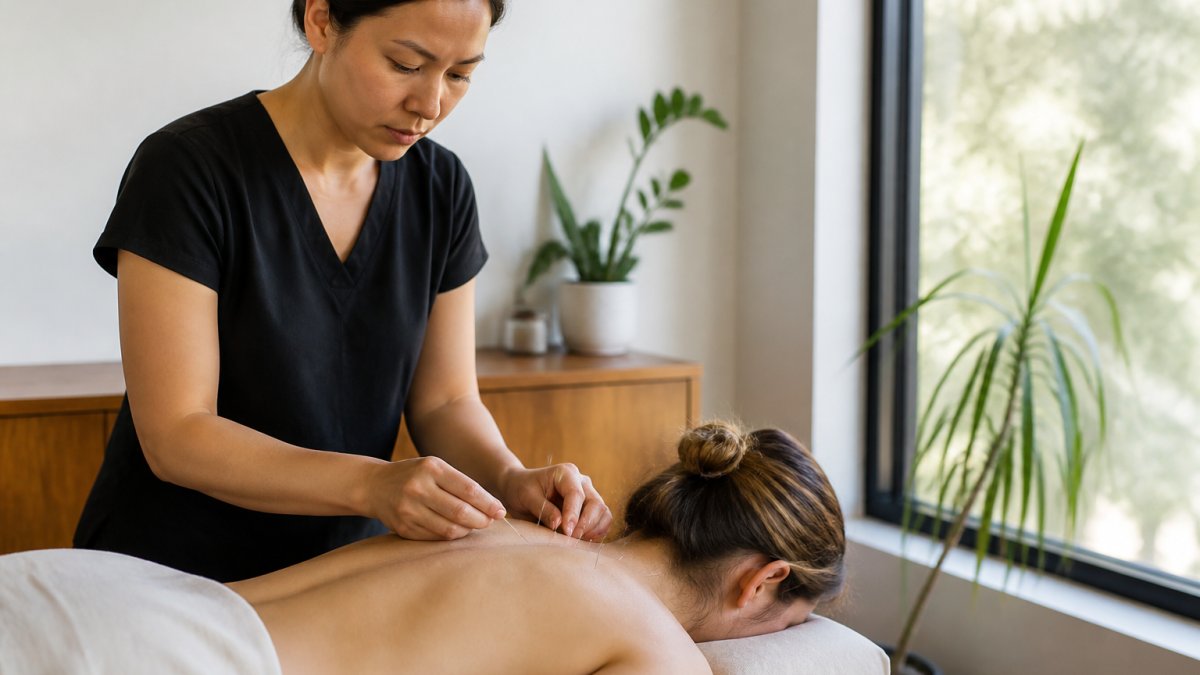
Acupuncture works by stimulating specific points that can activate the parasympathetic nervous system and reduce cortisol production. Research has identified that needle insertion at acupuncture points can activate specific nerve fibers that signal the brain to downregulate the stress response.
When the parasympathetic nervous system is activated, your body enters a state where immune function can normalize. Cortisol drops, allowing white blood cell production to increase. Inflammation markers can decrease. The vagus nerve can become more responsive.
Source Acupuncture’s practitioners assess your individual stress patterns and immune challenges, then design treatments that target the specific nervous system dysregulation affecting your immune function. This personalized approach is why results vary, the treatment is tailored to your specific pattern.
Circadian rhythm alignment and immune optimization
Your immune system operates on a 24-hour cycle. T-cell production is highest in the evening. Inflammatory markers follow a circadian rhythm. When your circadian rhythm is disrupted by irregular sleep, constant stress, or poor lifestyle timing, your immune system’s daily rhythm becomes dysregulated.
Acupuncture can help realign circadian rhythms by regulating cortisol patterns and improving sleep quality. When combined with consistent sleep schedules and regular meal timing, acupuncture supports the restoration of normal circadian immune function.
Hydration, Supplements, and Lifestyle Habits
Why hydration matters for cellular health
Your immune cells circulate through blood and lymph, both water-based. When you’re dehydrated, the concentration of immune cells in these fluids decreases, and circulation slows. Dehydration also impairs lymph production, the fluid that carries immune cells throughout your body.
Adequate hydration supports white blood cell production, antibody synthesis, and the removal of metabolic waste and pathogens. A practical target is to drink enough water that your urine is pale yellow. If you’re sweating heavily from exercise or heat, adding a pinch of salt or consuming electrolyte-rich foods supports both hydration and immune function.
Interactions between supplements and medications
If you’re taking medications, certain supplements can interfere with their effectiveness or create unwanted interactions. High-dose vitamin C can interfere with blood thinners. Zinc supplements can reduce the absorption of certain antibiotics. Ginger and turmeric can have mild blood-thinning effects.
Before adding any supplement to your routine, discuss it with your healthcare provider or a qualified practitioner who understands both your medications and the supplement in question. Natural compounds are still bioactive and can interact with pharmaceuticals.
Avoiding harmful habits that suppress immune function
Alcohol suppresses immune function, particularly with chronic consumption. It reduces white blood cell production, impairs antibody synthesis, and damages the intestinal barrier. Tobacco smoke damages the respiratory tract, where many immune cells reside. Smokers have higher rates of respiratory infections and slower recovery times.
Chronic sleep deprivation, chronic stress without adequate recovery, and poor nutrition all suppress immune function. Habits that create chronic stress, inflammation, or nutritional deficiency suppress immunity. Habits that support nervous system balance, reduce inflammation, and provide dense nutrition support it.
Recovery After Illness: Immune Support for Post-Recovery
After you’ve been sick, your immune system needs time to consolidate what it learned from fighting the infection. This is when immune memory is formed, allowing your body to respond faster if exposed again.
During recovery, your body needs extra rest, hydration, and nutrients. This is not the time to push hard exercise or return to high stress. Your immune system is still actively working, even though symptoms have resolved.
Nutrient-dense foods become even more important during recovery. Your body is repairing tissues damaged by infection and consolidating immune memory. Protein, micronutrient, and hydration needs increase. Many people return to normal eating immediately after symptoms resolve, when their body still needs elevated nutritional support.
Sleep is critical during recovery. This is when most immune consolidation happens. Acupuncture during recovery can support the parasympathetic nervous system activation needed for deep healing. Many clients find that consistent acupuncture during the recovery phase can shorten overall recovery time and reduce the risk of lingering symptoms.
The timeline for full immune recovery varies. A mild infection might require one to two weeks of elevated nutritional support and rest. A more serious illness might require four to six weeks. The key is listening to your body and resisting the urge to push back to normal intensity before your immune system has fully consolidated.
Natural ways to boost immunity aren’t complicated, but they do require consistency. When you align your sleep, nutrition, stress management, and movement with how your immune system actually works, you create a foundation where your body can defend itself effectively and recover quickly. Source Acupuncture supports this process by helping regulate the nervous system patterns that either support or suppress immune function. Our personalized acupuncture treatments, combined with the lifestyle strategies covered here, help clients build immune resilience that compounds over time. Book a session to discuss how we can support your immune health through nervous system optimization and integrated wellness care.
Frequently Asked Questions
Q: What are the most effective natural ways to boost immunity quickly?
A: The fastest results come from combining multiple approaches: prioritize sleep (7-9 hours nightly), manage stress through practices like acupuncture or meditation, eat nutrient-dense foods rich in vitamin C and zinc, stay hydrated, and engage in moderate physical activity. While some changes take weeks to show measurable immune benefits, sleep quality and stress reduction can improve immune markers within days. Consistency matters more than intensity, sustainable habits outperform sporadic efforts.
Q: How does acupuncture for immune health work compared to other methods?
A: Acupuncture modulates immune response by regulating the nervous system and reducing cortisol, the stress hormone that suppresses white blood cells and lymphocytes. Unlike dietary changes, which take time to build micronutrient reserves, acupuncture can improve circadian rhythm alignment and nervous system regulation. Many practitioners combine acupuncture with lifestyle guidance for comprehensive immune support. A consultation with a qualified acupuncturist can determine whether acupuncture fits your specific immune challenges.
Q: Can lifestyle changes actually improve a weak immune system?
A: Yes. Research consistently shows that sleep, stress management, nutrition, hydration, and physical activity directly influence immune function through measurable changes in white blood cell production, cytokine balance, and inflammatory markers. However, improvement timelines vary: sleep and stress reduction may show benefits within weeks, while dietary changes supporting gut microbiome health typically require 4-8 weeks. For chronic immune challenges, combining multiple approaches and working with a healthcare provider yields better results than single interventions alone.
Q: What role does stress play in immune function, and how can I address it?
A: Chronic stress elevates cortisol, which suppresses immune surveillance and increases inflammation and oxidative stress. This weakens your ability to fight pathogens and recover from illness. Stress reduction through acupuncture, meditation, adequate sleep, and physical activity helps restore immune balance. Acupuncture specifically addresses psychoneuroimmunology by calming the nervous system and reducing cortisol levels. Combining stress management with nutrient-dense foods and consistent sleep creates a comprehensive approach to immune resilience.
This article was written using GrandRanker