What is Home Red Light Therapy and How Does it Work?
At some point, almost everyone asks the same question: is this just another wellness trend, or is there something real behind it?
Red light therapy uses specific wavelengths of low-level red and near-infrared light therapy to stimulate cellular energy production. When your cells produce more energy, they repair more efficiently. That shows up as improved skin texture, reduced inflammation and better recovery.
This isn’t surface-level skin care, it works beneath the skin by supporting mitochondrial function- the part of your cells responsible for energy output.
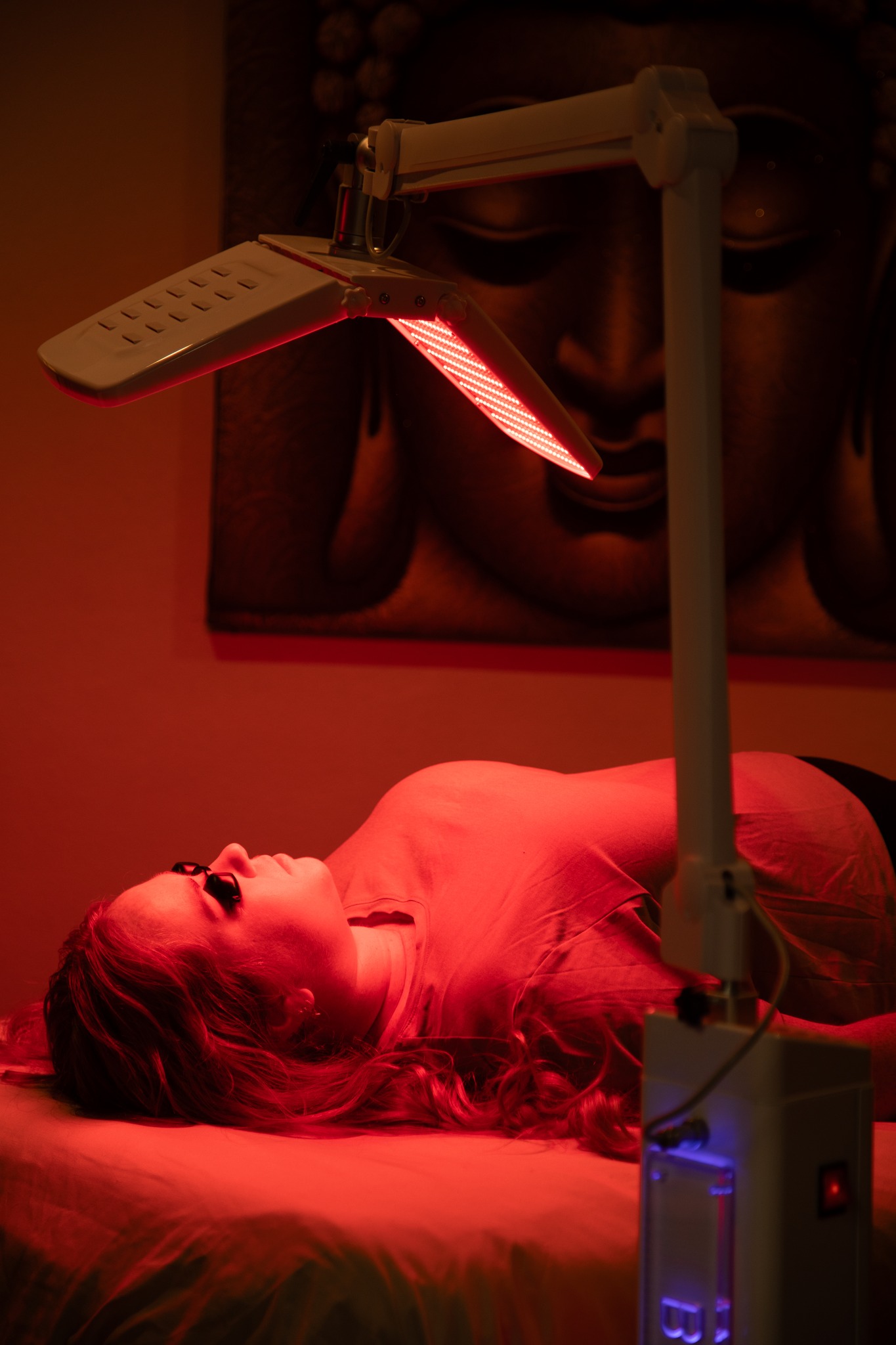
An at-home red light therapy device typically comes as LED light panels, masks, or handheld units. You stand in front of it or apply it to a targeted area for a set period of time. No heat damage. No downtime. Just consistent exposure.
The reason home red light therapy San Diego, CA has gained traction is simple. Wellness-focused communities prefer tools they can integrate daily. Instead of relying solely on clinic visits, many are choosing something they can use consistently at home.
What are the Benefits of Home Red Light Therapy?
People rarely search for red light therapy because life is going perfectly. Usually, there’s friction somewhere. Skin that looks dull no matter what serum you try.
Knees that ache after a run that used to feel easy. Sleep that feels shallow even when you get enough hours. So, here are some real benefits of using red light therapy.
An at-home red light therapy device doesn’t introduce something foreign into your system. It works with mechanisms your body already relies on like, circulation, cellular energy production and collagen synthesis.
-
Health and Healing Benefits
One of the biggest reasons people try pain relief red light therapy is inflammation. So, let’s talk about recovery first because this is where people tend to feel the difference early.
Red and near-infrared light may help increase blood flow and support tissue repair. That can translate into:
- Reduced joint stiffness
- Less muscle soreness after workouts
- Support for tendon or soft tissue recovery
- Temporary relief from chronic pain conditions
Athletes often use red light therapy after training sessions. Instead of icing and waiting days to feel normal again, they use light exposure to support faster muscle recovery.
Older adults dealing with knee discomfort or lower back tension also report gradual improvements with regular use. Not overnight changes. Steady progress over weeks.
It works quietly. You may just notice that stairs feel easier. Or your morning stiffness isn’t as intense.
-
Skin and Beauty Improvements
This is where red light therapy for skin care really gained attention. Red light can stimulate collagen production and improve circulation beneath the skin.
Collagen is what keeps skin firm and smooth. As we age, collagen naturally declines. Red light may help support that process.
People commonly use it for:
- Fine lines and wrinkles
- Acne and acne scars
- Uneven skin tone
- Mild redness or inflammation
Over time, skin may look calmer and more balanced. Texture improves. Some describe it as a “healthier glow” rather than dramatic change. It’s not like a peel or injection. It builds gradually.
-
Mood and Sleep Boosts
Another area getting a lot of attention is red light for sleep and relaxation. Unlike blue light from phones, red light doesn’t disrupt melanin production the same way. Some people use red light therapy in the evening as part of their wind-down routine.
Users often report:
- Falling asleep faster
- Deeper sleep cycles
- Feeling more relaxed before bed
- Reduced stress levels
There’s also early research exploring how red light may support mood by influencing cellular energy and reducing inflammation in the body. Again, nothing extreme. Just subtle improvements that build with consistency.
When people ask, “Does red light therapy really work?” the answer depends on what they expect. It’s not instant or dramatic. But for many, it has become a steady part of their routine.
Next, we’ll look at what the science actually says, beyond testimonials and trends.
Does the Science Back it Up? What Studies Say
This is where people skeptical, and that’s totally fair. Of course, when someone hears about light improving skin, pain or even sleep, the first reaction is usually, “Okay… but where’s the proof?”
Studies over the past two decades suggest red light therapy may help with skin health, inflammation, tissue repair, and pain reduction. The light penetrates the skin and appears to support mitochondrial activity, which increases cellular energy (ATP).
That increase in cellular energy is what researchers believe drives many of the reported benefits. Some small clinical trials have found:
- Improvement in fine lines and wrinkles
- Reduction in acne lesions
- Decreased joint and tendon pain
- Faster wound healing
- Reduced inflammation
There are also reviews suggesting red light therapy may help reduce side effects from certain medical treatments, including skin irritation from cancer therapies.
Major health organizations like the Mayo Clinic and Harvard Health generally describe red light therapy as promising, but still developing. They acknowledge potential benefits, while also pointing out that more large-scale human trials are needed.
The science says: it can help. Especially for skin and mild to moderate pain. But keep in mind that it’s not a miracle cure. And neither is it a replacement for medical treatment, or can override lifestyle habits.
Home Vs Professional Red Light Therapy: What’s the Difference?
If you’re exploring home red light therapy San Diego CA, you’ll notice two options: use a device at home or visit a clinic. Both use red and near-infrared light therapy. The difference comes down to power, cost and convenience.
- Professional clinics often use higher-intensity machines. Sessions may deliver faster visible results, especially for skin treatments. You also get supervision.
- Home devices are lower intensity but designed for regular use. Results build gradually with consistency.
- Cost is another factor. Clinics charge per session, and insurance usually doesn’t cover it.
- Home therapy requires a one-time device purchase.
- Convenience matters too. At home, you use it anytime. No appointments.
Here’s a quick comparison table:
| Feature | Home Device | Professional Clinics |
| Light Intensity | Lower | Higher |
| Cost | One-time purchase | Per-session fee |
| Convenience | Anytime at home | Requires appointment |
| Results Timeframe | Slower, steady | Faster, varies |
| Safety | Safe with proper use | Supervised |
Both can work. But for beginners, home therapy often makes more sense. It allows steady use, which plays a big role in long-term results.
How to Use Red Light Therapy at Home Safely?
Using an at-home red light therapy device isn’t complicated but small details matter.
Here’s how to do it properly.
Step 1: Clean the Skin
Start with clean, dry skin. Remove makeup, sunscreen, or thick lotions. Products can block light from reaching the skin effectively.
Step 2: Position the Device Correctly
Place the panel about 6–12 inches (15–30 cm) from your skin for stronger intensity, especially for deeper muscle or joint discomfort.
For general skin care, 12–18 inches is usually enough. Distance affects intensity. Closer isn’t always better unless you’re targeting deeper pain.
Step 3: Wear Eye Protection
Always use the protective eyewear that comes with your device, especially for facial treatments. Even though LEDs are gentler than lasers, direct exposure over time can irritate the eyes.
Step 4: Set the Right Session Time
Start small. 3–5 minutes per area in the beginning. Gradually increase to 10–20 minutes max. Do not exceed 20 minutes per session. More time doesn’t improve results and can reduce benefits.
Step 5: Stay Consistent
Use it 3–5 times per week. Most people begin noticing early improvements after 2–4 weeks of steady use. Consistency beats intensity every time.
Step 6: Choose the Right Time of Day
If red light makes you feel energized, use it in the morning. If it helps you relax, try it in the evening, especially if you’re using red light for sleep and relaxation.
Now, a few safety basics for safe red light therapy use:
- Don’t exceed recommended session times
- Avoid using damaged or faulty devices
- Wear eye protection if your device requires it
- Avoid falling asleep during sessions
Speak with a doctor if you’re pregnant, light-sensitive, or taking medications that increase light sensitivity Red light therapy is generally considered low risk when used correctly. The key isn’t intensity. It’s routine.
What Kind of Results Can You Expect (and How Soon)?
Most people don’t notice dramatic changes after the first session. In fact, week one usually feels… normal. By weeks two to four, some begin seeing subtle shifts; smoother skin, less morning stiffness, deeper sleep.
Around the 6–8 week mark, results often feel more noticeable. One San Diego reader shared, “I didn’t realize it was working until I skipped a week and my knee pain crept back.” That’s how red light therapy results timeline usually unfolds- gradual, steady.
Your outcome depends on consistency, your goals, and lifestyle habits. Stay patient. The changes build quietly, but they add up.
Who Should Try Home Red Light Therapy?
Home red light therapy isn’t for everyone, but many people can benefit from it. It’s often a good fit for:
- People dealing with acne, fine lines, or uneven skin tone
- Athletes looking for muscle recovery support
- Adults managing mild joint stiffness
- Older adults wanting to support skin firmness and circulation
You should speak with a doctor first if you:
- Are pregnant
- Take medications that increase light sensitivity
- Have a photosensitive condition
For many households exploring home red light therapy San Diego, CA, it becomes part of a simple wellness routine, especially for skin care and recovery.
Final Thoughts- Is It Worth It?
So, is “home red light therapy San Diego CA” worth trying?
The pros are clear. It’s non-invasive. It supports skin health, recovery, and relaxation. It fits into your schedule. And when used consistently, many people see gradual improvements. The downside? Results take time. It’s not instant. It requires routine, patience, and a quality device.
If you decide to try it, use it safely. Follow guidelines. Track your progress over several weeks. Small changes often show up before dramatic ones. Invest in a trusted device and stay consistent.
If you’d prefer guided treatment with higher-powered equipment, you can book a red light therapy session and work with professionals to create a personalized plan. Additionally, consider exploring other acupuncture services of Source Acupuncture as part of your wellness routine to complement your recovery.