Who Should Avoid Red Light Therapy?
Let’s not dance around it.
If you’re searching, who should avoid red light therapy San Diego CA, here’s the straight answer: most people are fine. But there are some who shouldn’t do it blindly without a doctor’s green light. That includes:
- Pregnant women
- People with active cancer
- Anyone taking light-sensitive medications
- Those with serious eye conditions
These groups need real guidance first.
What does “avoid” mean? In this case, “avoid” could mean skipping the therapy entirely or getting medical approval beforehand. It doesn’t always mean “never.” Sometimes it’s just about being cautious and ensuring it’s safe for your specific situation.
If you’re unsure whether red light therapy is right for you, read on to see who should proceed with caution and why.
Quick Overview- What is Red Light Therapy?
Red light therapy works at the cellular level. That’s the starting point. It delivers specific red and near-infrared wavelengths to the body. These aren’t random beams. They’re calibrated to reach tissues beneath the skin.
Once the light reaches those cells, a response happens. The cells absorb the light and increase their energy production. When cellular energy rises, repair processes become more efficient.
With improved cellular function, several visible changes begin;
- The skin can look smoother.
- Inflammation may decrease.
- Muscles often recover faster after strain.
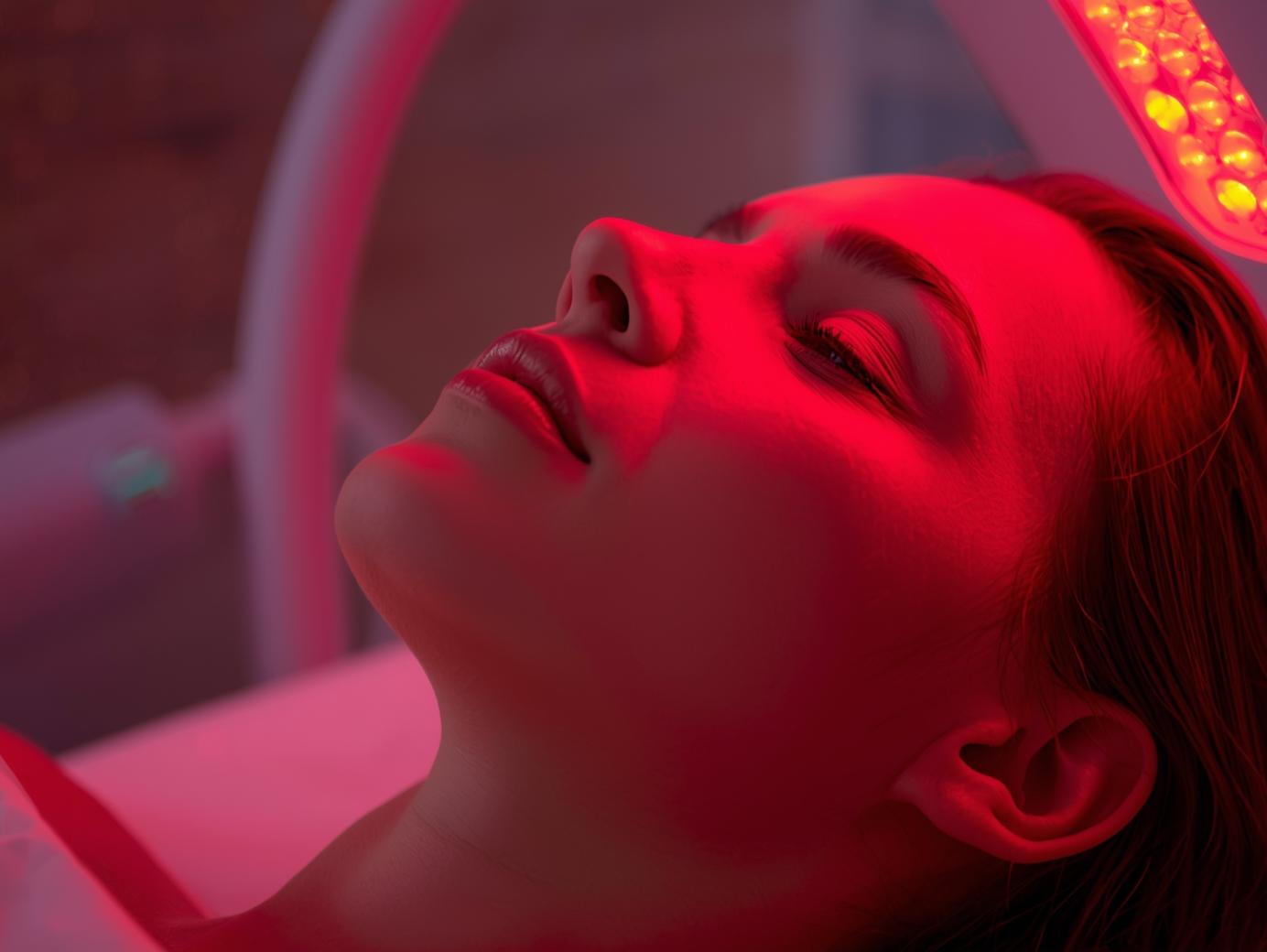
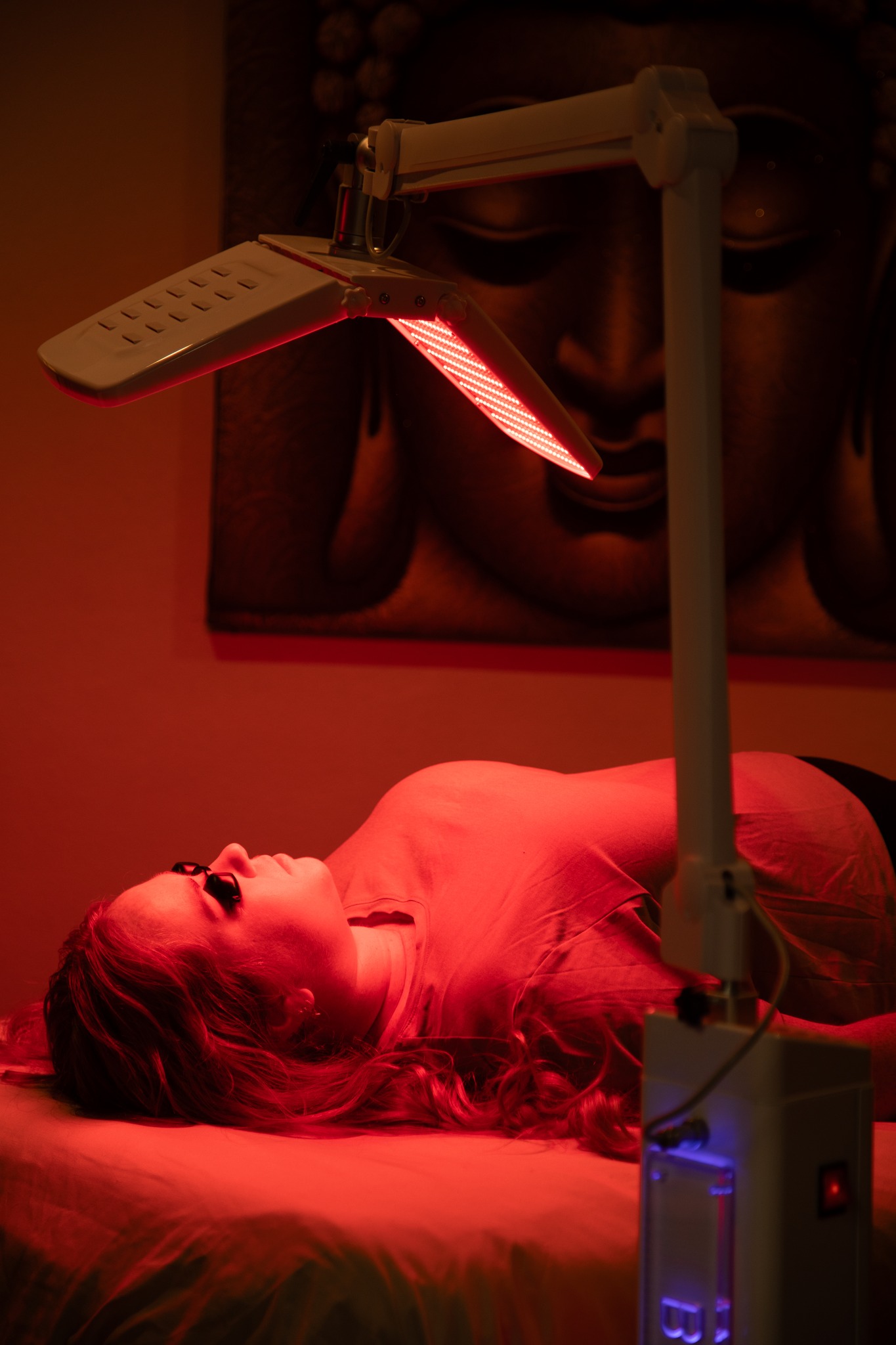
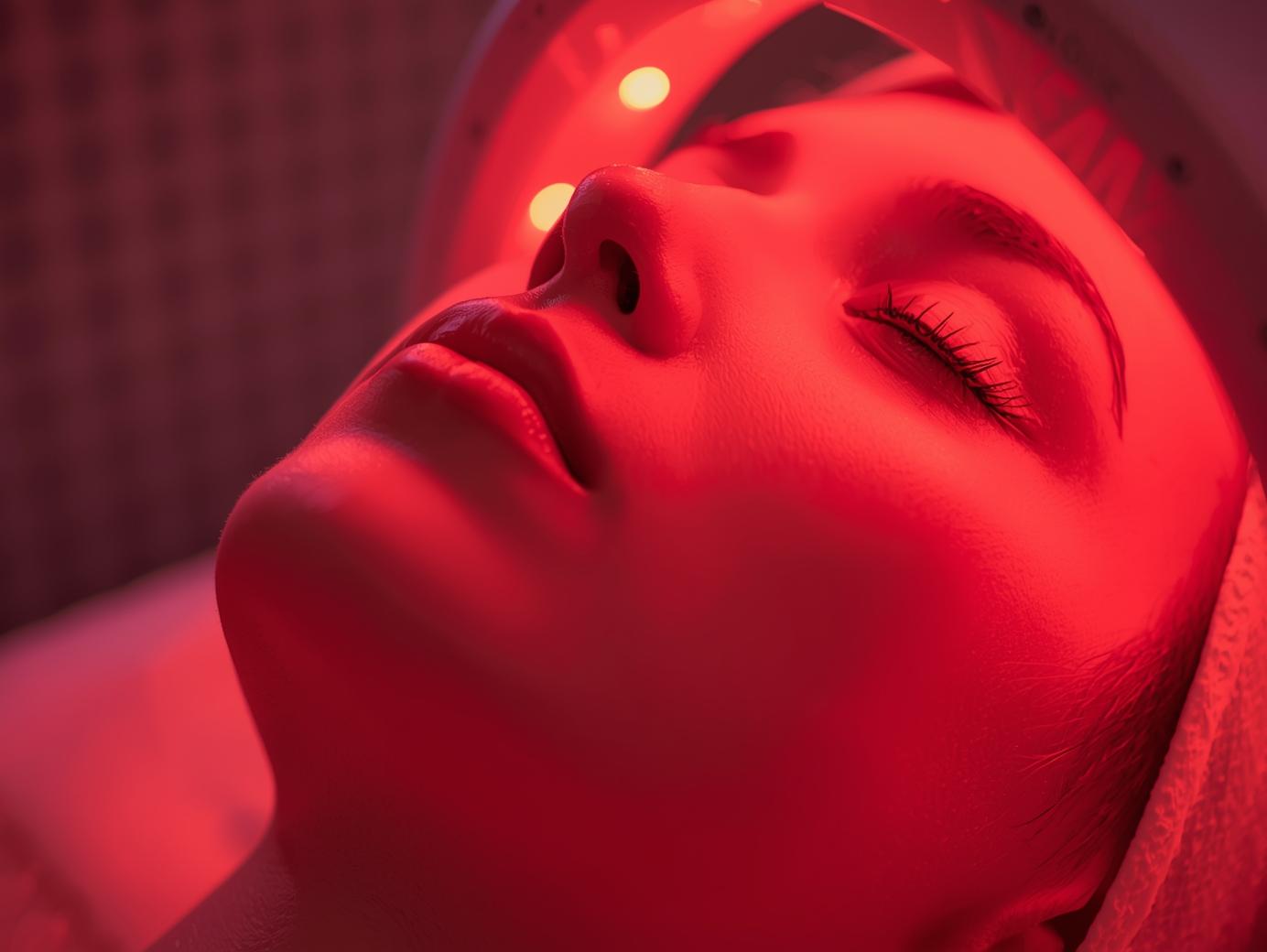
During a session, a light panel is placed close to the skin. The wavelengths pass through the surface and stimulate activity underneath without causing surface damage.
Who Should Avoid Red Light Therapy
Not everyone reacts to red light the same way. Below are the groups who need extra caution, plus why pushing through could cause more harm than good.
-
People With Light Sensitivity or Photosensitivity
Some people don’t tolerate light well. If you have light sensitivity, even controlled exposure can trigger:
- Flare-ups
- Redness
- Headaches
- Skin irritation
Certain conditions like lupus already make skin reactive to light. Adding more exposure, even low-level red light, can push symptoms further.
Also, some antibiotics, acne treatments like isotretinoin and other prescriptions increase photosensitivity. They make your skin more reactive than usual which increases risk of red light therapy.
If light already bothers you, don’t experiment alone. Check with a medical professional first.
-
Individuals Taking Certain Medications
Medications change how your body reacts to everything, including light. Some drugs make your skin more sensitive without you realizing it. Others affect how your cells respond to stimulation. That can cause red light therapy side effects to show up unexpectedly.
For example, painkillers, certain diuretics, steroids and some antidepressants may increase light sensitivity or slow down healing. Even common over-the-counter prescriptions can shift your tolerance to red light.
This doesn’t automatically mean you’re disqualified, but it means you shouldn’t just make assumptions. Check the label. Look for warnings about light exposure. Better yet, ask your doctor before starting. Safe use of red light therapy depends on what’s already in your system.
-
Pregnant or Breastfeeding Women
Pregnancy changes everything. Hormones, skin, sensitivity—even how your body handles light. There still isn’t enough solid research on red light therapy during pregnancy. While that doesn’t necessarily mean its dangerous, there are no clear answers yet.
And when it comes to pregnancy, ‘not enough data’ is a nudge for you to slow down. Breastfeeding mothers fall into the same gray area. Light exposure hasn’t been widely studied in this stage either.
This is one of the main contraindications for red light therapy that professionals mention. So, before booking a session, talk to your OB-GYN and have a quick conversation about whether its safe for you.
-
People With Cancer or Recent Tumors
Red light therapy increases cellular activity. That’s the benefit. But when someone has active cancer or a recent tumor, stimulating cells becomes complicated. The therapy encourages cells to produce more energy and repair faster.
In healthy tissue, that can help. But in abnormal cancerous tissue, that stimulation may not be advisable. This is where caution matters most. Research is still evolving and every diagnosis is different. Some doctors may allow it in certain cases. Others won’t.
If you have cancer now or recently completed treatment, do not self-approve sessions. Speak with your oncologist first. Your treatment plan comes before any recovery trend.
-
Those With Serious Skin Conditions
When your skin is already stressed, adding stimulation can backfire. Open wounds, active infections and severe eczema flare-ups change how your skin reacts. These conditions mean your skin barrier is compromised. It’s working overtime just to protect you.
Red light therapy isn’t harsh, but it still increases activity in the tissue. On compromised skin, that stimulation can increase irritation or discomfort. You might notice more redness, more sensitivity and slower recovery.
This is one of the red light therapy precautions people skip. Let the skin stabilize first. Then reassess with a professional guiding the decision.
-
People with Epilepsy or Seizure Disorders
Red light can be a trigger for people with seizures. While some devices use steady beams, others use pulses. For people with epilepsy or seizure disorders, certain light patterns may increase the risk of an episode.
Even if red light feels mild, the nervous system doesn’t always see it that way. This falls under important red light therapy safety concerns that shouldn’t be ignored. Not every person with epilepsy will react.
But no one should test that without approval. Before starting any session, get clearance from your neurologist. When seizures are part of your history, caution isn’t optional.
Who Can Safely Try It? (When to Proceed Carefully)
If you’re generally healthy, the answer to “is red light therapy safe” is usually yes, especially when you respect basic red light therapy precautions and don’t treat it like a shortcut. You may notice mild warmth or temporary redness afterward but that’s common.
It usually fades within hours and isn’t considered harmful. What matters is pacing. Start with shorter exposure times. Let your body respond before increasing session length. Follow manufacturer instructions closely.
More light does not mean better results. If you’re unsure, book your session at a certified center offering red light therapy in San Diego. Professional insight lowers red light therapy risks significantly.
| Who Should Avoid or Pause | Who Can Safely Use (with Care) |
| Pregnant or breastfeeding women without OB-GYN approval | Healthy adults with no major medical conditions |
| People with active cancer or recent tumors without oncologist clearance | Individuals using it for skin rejuvenation or muscle recovery |
| Those with light sensitivity disorders (like lupus) | People without photosensitivity issues |
| Anyone taking medications that increase light sensitivity | Users who have checked medication labels and cleared it with a doctor |
| People with epilepsy or seizure disorders without neurologist approval | Those without seizure history and using non-flashing devices |
| People with open wounds, active infections, or severe eczema flare-ups | Individuals with stable, intact skin |
Many people combine red light therapy with other non-invasive wellness treatments to support recovery in a balanced way.
How to Use Red Light Therapy Safely?
Most issues happen when people get careless. Not because the therapy is extreme, but because they ignore simple rules.
- Always wear protective eyewear, even if the device feels mild. Your eyes are sensitive to repeated exposure
- Next, respect time and distance. Follow the session limits and keep the recommended space between your skin and the panel. Sitting too close or staying too long doesn’t speed up results, it causes irritation.
- Don’t overuse it. 2-3 sessions per week are often enough for beginners. Daily exposure doesn’t automatically make the outcomes better.
- Clean the devices regularly. Once sweat, oil and bacteria builds up, it can irritate your skin.
- And before trying at-home devices, seek professional guidance. A short consultation protects you from avoidable mistakes.
Talk to a Professional Before Starting
If you’re unsure whether red light therapy is right for you, don’t guess. Even if you don’t fall into one of the groups listed under who shouldn’t use red light therapy, a quick professional check-in provides the clarity you need.
A consultation helps you understand proper dosing, timing, and any contraindications related to red light therapy that may apply to your specific health profile. Working with a professional can also lower unexpected risks and make your treatment outcomes more predictable.
If you’re local and considering red light therapy treatment, you can explore guided red light therapy in San Diego to ensure your sessions are carefully monitored and tailored to your health needs. For added benefits, you might also consider combining red light therapy with acupuncture or sports acupuncture to support recovery and pain relief. If you’re looking for acupuncturists in San Diego, we offer expert care that complements your red light therapy experience.
Additionally, treatments like microneedling for skin rejuvenation or vibroacoustic therapy for relaxation can further enhance the therapeutic benefits of red light therapy. At Source Acupuncture, our professionals will work with you to create a holistic treatment plan that aligns with your wellness goals.
Frequently Asked Questions
-
Can red light therapy cause cancer?
There is no solid evidence that it does. It doesn’t use UV light, which is the type linked to skin cancer. Research on this is still ongoing. If you’ve had cancer before, don’t rely on internet-reassurance, talk to your doctor first.
-
Is it safe for kids?
Not by default. Kids process things differently. Their skin is thinner, their systems are still developing. If it’s even considered, it should be under medical supervision.
-
How long before results show?
Usually, a few weeks with consistent use. The changes tend to build slowly and then become noticeable.
-
Can I use it with other medications?
Sometimes yes, sometimes no. Some drugs increase light sensitivity without obvious warning. A quick check with your doctor clears that up fast.