
Table of Contents
- Microneedling vs Cosmetic Acupuncture: Which Delivers Better Results?
- Quick Comparison: Microneedling vs Cosmetic Acupuncture
- Key Differences in Needle Size, Depth, and Application
- What Each Treatment Does Best: Skin Texture vs. Holistic Wellness
- Cosmetic Acupuncture Recovery Time vs. Microneedling Downtime
- Microneedling Aftercare Best Practices for Optimal Healing
- Treatment Frequency and Long-Term Maintenance
- Which Skin Types and Conditions Suit Each Treatment?
- Frequently Asked Questions
Last Updated: September 4, 2026
Microneedling vs Cosmetic Acupuncture: Which Delivers Better Results?
Choosing between microneedling vs cosmetic acupuncture results comes down to what you want to change and your tolerance for downtime. Microneedling is a collagen induction therapy that physically remodels the skin’s surface; cosmetic acupuncture works from the inside out by addressing muscle tone, circulation, and systemic health. At Source Acupuncture in Pacific Beach, San Diego, we offer both, and they serve different purposes: microneedling is the fastest route to smoother texture and faded scars, while cosmetic acupuncture is the more gradual, holistic path to a rested complexion.
Below, we’ll compare the mechanisms, recovery, and long-term outcomes of each so you can decide which aligns with your goals.
Quick Comparison: Microneedling vs Cosmetic Acupuncture
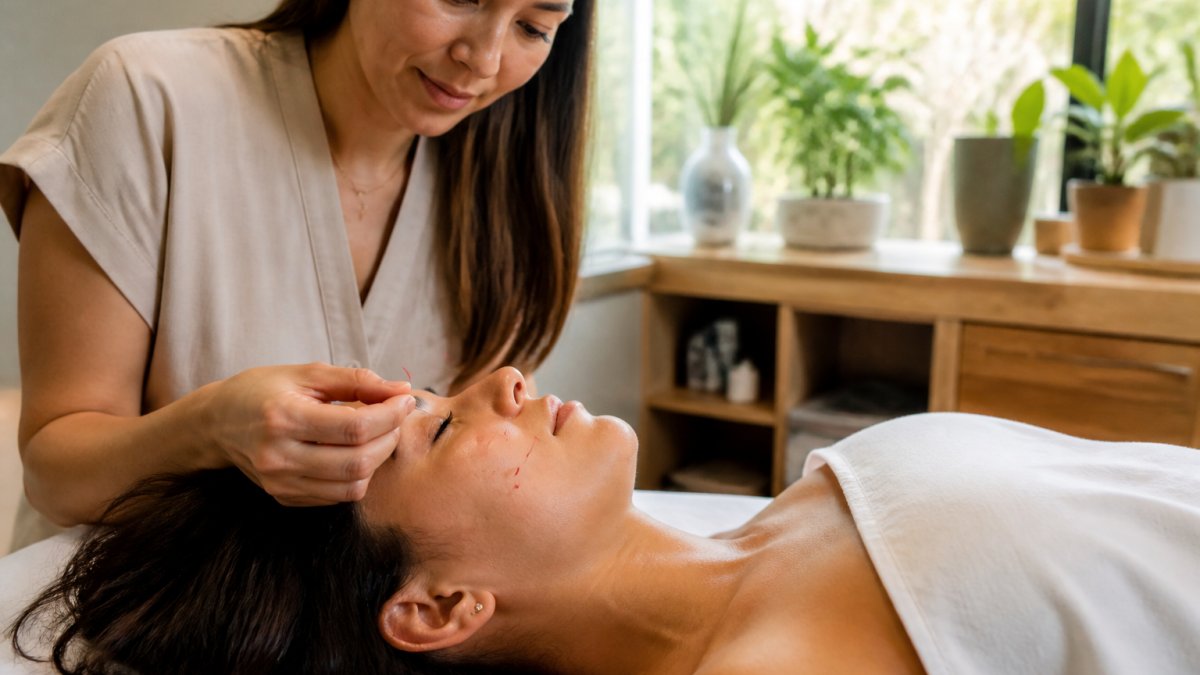
The core distinction is simple: microneedling is a physical treatment, and cosmetic acupuncture is a physiological one. Microneedling creates controlled micro-injuries using fine needles to trigger the body’s natural healing response, boosting collagen and elastin production. Cosmetic acupuncture inserts ultra-thin needles into specific meridian points and facial muscles to improve circulation, energy flow, and facial muscle tone without breaking the epidermal barrier.
| Factor | Microneedling | Cosmetic Acupuncture |
|---|---|---|
| Primary Mechanism | Collagen induction therapy | Meridian points and muscle stimulation |
| Needle Depth | 0.5 mm to 2.5 mm (dermal) | Superficial (subcutaneous) |
| Downtime | 1-3 days of erythema | Minimal to none |
| Best For | Acne scarring, deep wrinkles | Radiance, muscle tone, wellness |
| Results Timeline | Visible after 1-2 sessions | Gradual over 6-10 sessions |
| Treatment Frequency | Every 4-6 weeks | Weekly, then tapering |

Microneedling delivers faster, more dramatic surface-level results. Cosmetic acupuncture offers compounding benefits that extend beyond the face, supporting stress reduction and overall health.
Key Differences in Needle Size, Depth, and Application
Microneedling devices, such as the MDPen system, use needles ranging from 0.5 mm to 2.5 mm to penetrate the dermis. This depth is what triggers significant dermal remodeling, making it effective for hyperpigmentation, acne scarring, and fine lines and wrinkles. Because the needles breach the skin, you’ll experience pinpoint bleeding and noticeable redness afterward.
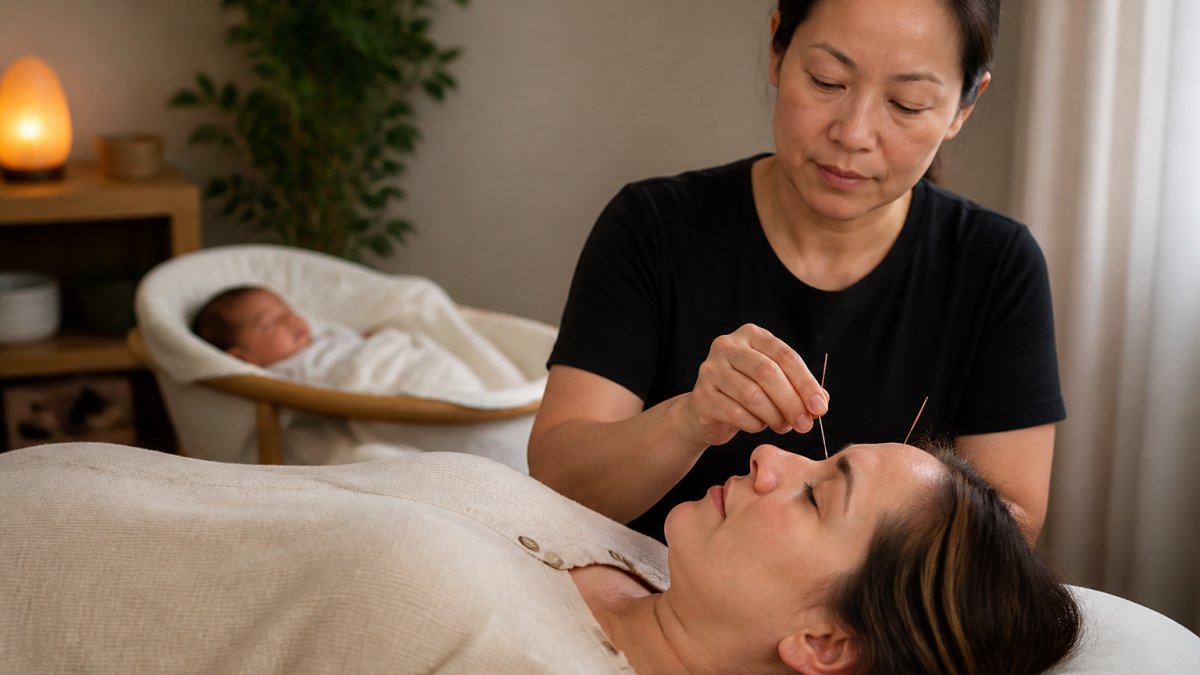
Cosmetic acupuncture uses needles that are far thinner than those used in microneedling, and they are inserted just below the skin’s surface at specific facial points. The goal is not to wound the tissue but to stimulate blood flow, release tension in facial muscles, and encourage cellular turnover through improved circulation. It is a minimally invasive approach that respects the epidermal barrier completely.
This difference in application explains why the two treatments feel, recover, and perform so differently.
What Each Treatment Does Best: Skin Texture vs. Holistic Wellness
Think of microneedling as a targeted, structural intervention and cosmetic acupuncture as a systemic, functional tune-up. They address different layers of the same concern: how your skin looks and how your body supports it. The most effective way to compare their results is to look at the specific biological mechanisms each one triggers.
The Benefits of Microneedling for Acne Scars and Texture
Microneedling is one of the most effective non-surgical options for improving acne scars and overall skin texture (peer-reviewed research). The physical puncturing triggers a controlled wound-healing response that deposits new collagen and elastin, collagen induction therapy, which physically fills in depressed scars and smooths rough texture over time.
Needle depth is critical: needles must penetrate the dermis to stimulate the fibroblasts responsible for collagen production. This is why at-home derma-rollers, which reach only 0.25 mm, produce minimal results compared to professional treatments. For deep wrinkles, stretch marks, and stubborn hyperpigmentation, microneedling provides structural correction that cosmetic acupuncture cannot match.
The trade-off is intensity and recovery. Each session requires downtime while your skin rebuilds, and results depend on the body’s natural healing capacity. Some immediate plumping comes from inflammation, but true collagen remodeling takes 4-6 weeks to become visible, which is why sessions are spaced accordingly.
How Cosmetic Acupuncture Targets Muscle Tone, Circulation, and Systemic Health
Cosmetic acupuncture takes a different physiological route. Ultra-thin needles inserted into specific facial muscles and meridian points release chronic muscle tension that creates expression lines (like glabellar lines between the brows or periocular lines around the eyes) and stimulate local blood flow, delivering oxygen and nutrients to skin cells while removing metabolic waste.
A key mechanism is the effect on the autonomic nervous system. Needle insertion triggers a relaxation response that lowers cortisol levels, significant because chronic stress elevates cortisol, which breaks down collagen and elastin over time (peer-reviewed research). By addressing this systemic driver of aging, cosmetic acupuncture supports elasticity and radiance from a hormonal angle microneedling does not touch.
Cosmetic acupuncture also treats the face as a diagnostic map of internal health. In Traditional Chinese Medicine (TCM), skin appearance is linked to internal organ function; a practitioner might address digestive issues (Spleen Qi deficiency) or hormonal imbalances (Liver Qi stagnation) that manifest as dullness or acne. This holistic approach is harder to quantify in a clinical trial, but its value lies in addressing root causes rather than surface symptoms.
If your priority is erasing scars, deep lines, and stretch marks, microneedling wins because it physically rebuilds the dermal matrix. If you want a natural glow, better muscle tone, and reduced stress, cosmetic acupuncture is the more complete choice because it addresses the systemic and neurological factors that contribute to skin aging.
The Evidence Gap: What We Know vs. What We Don’t
The evidence base differs. Microneedling has robust scientific literature supporting its efficacy for scar revision and skin rejuvenation, with measurable increases in collagen density. Cosmetic acupuncture has fewer rigorous, peer-reviewed studies, with most evidence anecdotal or based on TCM principles. This does not mean it is ineffective, but expectations should be calibrated: microneedling offers predictable, structural results, while cosmetic acupuncture offers more variable, holistic benefits that are harder to measure but often profound for overall well-being.
Cosmetic Acupuncture Recovery Time vs. Microneedling Downtime
Cosmetic acupuncture recovery time is essentially zero. You can return to work, exercise, and social activities immediately after a session. There is no redness, no peeling, and no restriction on makeup. The only common side effect is minor bruising at insertion points, which is rare and fades quickly.
Microneedling requires planning. Expect 24 to 72 hours of erythema, or redness, similar to a mild sunburn (the American Academy of Dermatology). Your skin may feel tight and sensitive, and you should avoid active skincare ingredients, heavy makeup, and direct sun exposure for several days. The downtime is manageable but real, and it factors into how often you can schedule treatments.
This recovery gap is often the deciding factor for busy professionals who cannot take time off for a red, peeling face.
Microneedling Aftercare Best Practices for Optimal Healing
Proper microneedling aftercare determines how much of the benefit you actually keep. The skin is in an active inflammatory state after treatment, and how you support it influences both healing speed and final results.
- Keep the skin clean and moisturized with gentle, fragrance-free products for the first 48 hours
- Apply a broad-spectrum sunscreen daily, as new skin is highly vulnerable to UV damage
- Avoid retinoids, alpha-hydroxy acids, and vitamin C for at least 3 days post-treatment
- Skip strenuous exercise and saunas for 24-48 hours to prevent excessive flushing
- Use a hydrating serum containing hyaluronic acid to support the skin barrier
Skipping sunscreen after microneedling can lead to post-inflammatory hyperpigmentation, which is harder to treat than the original concern. Protect the newly exposed skin diligently.
These microneedling aftercare best practices are non-negotiable for anyone who wants to avoid complications and maximize collagen production.
Treatment Frequency and Long-Term Maintenance
Understanding initial treatment frequency is only half the picture. The real difference emerges in long-term maintenance. Here is a practical, year-long strategy based on how each treatment’s biological effects decay over time.
The Initial Course: Getting to Baseline
Microneedling: The standard protocol is 3 to 6 sessions spaced 4 to 6 weeks apart, aligning with the skin’s natural collagen remodeling cycle. After initial inflammation subsides (around day 3-5), the body enters a proliferative phase where new collagen is laid down, peaking around 3-4 weeks post-treatment. Scheduling before this cycle completes risks over-stressing the skin without additional benefit.
Cosmetic Acupuncture: The standard course is 6 to 10 weekly sessions, designed to create a cumulative effect on the nervous system and muscle memory. Each session builds on the last, gradually retraining facial muscles to relax and improving local circulation. Unlike microneedling, which has a discrete biological endpoint, acupuncture’s effects establish a new physiological baseline for your nervous system.
The Yearly Roadmap: A Maintenance Schedule That Works
Here is a realistic 12-month plan for someone who has completed their initial course of either treatment and wants to maintain their results without over-treating.
| Timeline | Microneedling (Post-Initial Course) | Cosmetic Acupuncture (Post-Initial Course) |
|---|---|---|
| Month 3 | Assess results. If satisfied, no treatment needed. | 1 maintenance session to assess muscle tone. |
| Month 6 | 1 maintenance session to boost collagen. This is critical for sustaining texture improvements. | 1-2 sessions spaced 2 weeks apart to maintain radiance and stress reduction. |
| Month 9 | No treatment needed unless you have a specific event (e.g., a wedding) requiring a fresh glow. | 1 session if you are feeling stressed or notice a return of tension lines. |
| Month 12 | 1 session to reset for the year. This is often combined with a deeper chemical peel for maximum effect. | 2-4 sessions over a month to “reset” your system for the year, especially if you have seasonal stress. |
The Key Difference: Correction vs. Maintenance
Microneedling is a corrective treatment. Once you achieve the desired scar reduction or texture improvement, the collagen you have built gradually degrades with age and sun exposure. Maintenance sessions every 6-12 months slow this degradation and keep structural support high. Skipping maintenance for a year or more won’t erase all progress, but you will notice a gradual return of laxity and fine lines.
Cosmetic acupuncture is a maintenance treatment by nature. Its benefits, stress reduction, improved circulation, and muscle relaxation, are not permanent and require ongoing reinforcement. Many patients at Source Acupuncture find monthly sessions are about maintaining a calmer nervous system, scheduling it like a regular chiropractic adjustment or massage as part of their overall health routine.
The Cost of Maintenance Over a Year
Consider the annual cost of maintenance after your initial course. Microneedling requires 2-3 sessions per year; cosmetic acupuncture requires 8-12 if you choose monthly maintenance. While the per-session cost of acupuncture is often lower, the annual frequency can make the total yearly investment comparable. The decision should be based on what you are maintaining: structural collagen or systemic balance.
If you are combining both treatments, a common pattern is to use microneedling for a “deep reset” twice a year (e.g., in spring and fall) and cosmetic acupuncture monthly in between. This gives you the structural correction of microneedling and the ongoing stress management of acupuncture, without over-taxing your skin or your schedule.
This roadmap is a guideline, not a prescription. Individual needs vary based on age, skin condition, and lifestyle. The most effective approach is to work with your practitioner to build a personalized yearly plan that aligns with your budget and aesthetic goals.
Which Skin Types and Conditions Suit Each Treatment?
Microneedling suits most skin types but is not ideal for everyone. Active acne, eczema, psoriasis, or a history of keloid scarring may be aggravated. Those with very sensitive skin or a tendency toward prolonged redness should approach it cautiously, and anyone on blood-thinning medication should consult their practitioner first.
Cosmetic acupuncture is gentler and better suited to sensitive skin, as it does not wound the surface. It is particularly effective for skin concerns tied to stress, poor circulation, or hormonal fluctuations. However, it is not a treatment for deep scarring or advanced photoaging, and results require patience.
A consultation with a licensed practitioner is the only way to determine which approach fits your skin type, medical history, and aesthetic goals. Both treatments have a place in a comprehensive skincare strategy, and many patients at Source Acupuncture combine them, microneedling for targeted correction and cosmetic acupuncture for ongoing maintenance and overall wellness.
Choosing between microneedling vs cosmetic acupuncture results ultimately depends on your priorities: rapid, visible correction versus gradual, holistic improvement. Source Acupuncture in Pacific Beach offers both treatments, delivered by licensed practitioners who can help you build a plan that addresses your skin and overall health. Whether you need collagen induction therapy for scars or cosmetic acupuncture to restore balance and energy, our team provides personalized care in a supportive setting. Book a session with Source Acupuncture and start your path to healthier skin and a calmer nervous system.
Frequently Asked Questions
Is microneedling or cosmetic acupuncture better for acne scars?
Microneedling is generally the more effective choice for acne scars. This collagen induction therapy creates controlled micro-injuries in the skin to stimulate dermal remodeling and tissue repair, which directly targets depressed scars and improves skin texture. Cosmetic acupuncture works on overall complexion and muscle tone but does not physically resurface scar tissue. For deep or rolling acne scars, a series of microneedling sessions typically produces more noticeable clinical results.
How does the cosmetic acupuncture recovery time compare to microneedling downtime?
Cosmetic acupuncture recovery time is minimal; most people return to their day immediately with no visible redness or irritation. Microneedling, in contrast, involves measurable downtime. Expect erythema, or redness, similar to a mild sunburn for 24 to 48 hours after treatment. Your skin may feel tight and sensitive for a few days. The longer recovery period reflects the intentional micro-injuries that trigger the skin’s natural healing and collagen production.
Can cosmetic acupuncture provide long-term skin tightening results?
Cosmetic acupuncture can support gradual improvements in skin elasticity and facial muscle tone by addressing underlying energy flow and systemic health. However, it does not produce the same level of skin tightening as microneedling, which physically stimulates collagen and elastin production in the dermis. For significant laxity, microneedling is more effective. Cosmetic acupuncture is best viewed as a holistic approach that improves overall radiance and health, with subtle firming benefits over time.
What are the most important microneedling aftercare best practices?
Immediately after microneedling, your epidermal barrier is compromised. Keep the skin clean and hydrated using a gentle, fragrance-free moisturizer. Apply a broad-spectrum sunscreen daily, as new skin is vulnerable to hyperpigmentation. Avoid active ingredients like retinoids, acids, and vitamin C for at least 48 hours. Skip strenuous exercise that causes sweating for the first 24 hours to reduce inflammation response and infection risk. Follow your practitioner’s specific serum absorption and healing protocol.
This article was written using GrandRanker