Most people don’t question whether cupping works. They question how often they should do it without messing up their recovery. Because once you feel that first release, it’s tempting to book again immediately.
Relief can make you impatient. So how often should you do cupping therapy in San Diego Ca without overloading your body? This is not something you can do just based off guesswork. You watch how you respond.
If you’re still sore a week later, it was too soon. If the relief fades fast, you waited too long. The sweet spot sits right between recovery and readiness.
Understanding Cupping Therapy
It looks intense until you understand what’s actually happening.
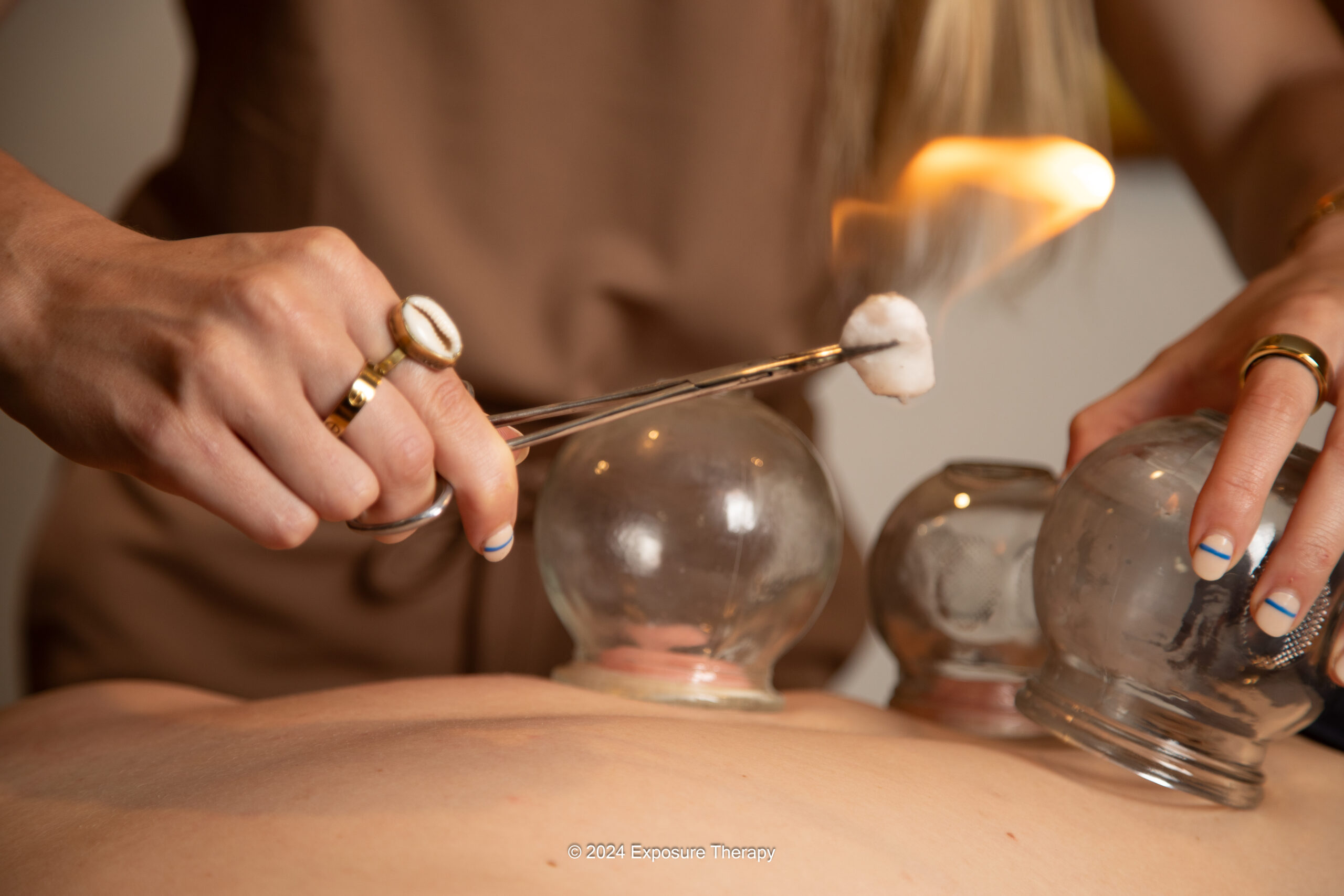
Cupping therapy uses suction to gently lift the skin and underlying tissue. A therapist places cups on targeted areas, creates a vacuum seal, and lets the tissue rise instead of pressing down like a massage would.
That lift changes blood flow and helps tight muscles release. People use it for:
- Muscle pain
- Deep tension
- Stiffness from overuse
- Improving circulation
It dates back centuries in traditional Middle Eastern and Chinese medicine, long before modern recovery tools.
There are three basic styles:
- Dry cupping – suction only
- Wet cupping– light surface incisions before suction
- Moving cupping – cups glide across oiled skin
Different methods, same idea. Improve flow. Reduce tightness. Let the body reset.
How Often Should You Get Cupping Therapy?
Cupping works best when the timing matches your recovery. Not your schedule. Not your impatience. Your actual tissue response.
Here’s a realistic cupping frequency breakdown:
- Beginners: Once every 2–4 weeks
Your body needs time to process the stimulation. The suction increases circulation and triggers repair. That repair phase takes days, sometimes longer. Starting too frequently can leave you feeling tender instead of better.
- Chronic Pain or High Training Load: About once a week, with professional guidance
If you’re dealing with ongoing tightness or heavy muscle demand, spacing sessions closer can help. For example, if you’re an athlete with sore muscles, weekly sessions may support faster recovery and prevent stiffness from stacking.
- Relaxation or Maintenance: About once a month
This keeps tension from building up without overworking your system. Think upkeep, not crisis control.
The bigger question most people ask is “how long should you wait between cupping sessions without overdoing it?” The answer always circles back to how your body reacts. If soreness lingers too long, you’re going too often. If relief fades quickly, you may need a shorter gap.
There’s no universal rule for cupping therapy frequency. A licensed therapist can adjust your schedule based on how you heal, not just what sounds good on paper.
Factors That Affect Cupping Frequency
You can’t copy someone else’s schedule and expect the same results. Bodies don’t run on templates.
- Health Condition
Chronic pain behaves differently than everyday tension. If you’ve been tight for years, your tissue may need consistent sessions early on. If you’re just trying to stay loose and mobile, you won’t need that same rhythm.
- Level of Physical Activity
Heavy training, long runs, intense lifting; that kind of stress shortens the gap between sessions. A low-movement lifestyle usually doesn’t demand that frequency.
- Body Sensitivity and Skin Type
Some people recover in a few days. Others feel tender longer and get marks more easily. If your skin reacts strongly, pushing sessions too close together doesn’t help.
- Age and Recovery Time
Recovery speed changes with age. Younger bodies often repair faster, which can allow slightly closer sessions. As recovery slows, tenderness and marks may last longer. Spacing sessions out gives tissue enough time to fully heal, so each visit builds progress instead of creating fatigue.
- Therapist’s Recommendation
A trained therapist tracks how your body responds over time and makes adjustments based on patterns, not assumptions. That’s how frequency becomes strategic instead of reactive.
Benefits of Cupping Therapy in San Diego
A lot of people quietly ask, what is cupping good for beyond soreness and tight muscles? Here’s the angle most people miss. Cupping isn’t just about fixing pain—and we’ll explore more of that in this section.
Promotes blood flow and reduces muscle tension
Better blood flow can prevent muscles from stiffening after long workdays or workouts. Instead of waiting until you’re tight, cupping helps you stay ahead of it. For those who enjoy outdoor activities near Balboa Park or the Embarcadero, cupping may help with muscle recovery. Increased circulation from cupping can aid muscle relaxation and improve recovery time after physical activity. Cupping can also complement sports acupuncture, which targets deeper muscle tissue and can enhance recovery by improving the flow of energy and blood in affected areas.
Speeds up post-workout recovery
Cupping may help speed up recovery after intense physical exertion. Athletes often incorporate cupping into their recovery routines to reduce muscle fatigue and improve recovery time. Whether you’re hiking at Torrey Pines or running along La Jolla Shores, cupping therapy may help the body recover faster and allow you to return to activities with less muscle stiffness. When combined with red light therapy, which promotes muscle regeneration and reduces inflammation, cupping can accelerate the healing process, making it a powerful addition to an athlete’s recovery routine.
Relieves chronic pain, stiffness, and migraines
Cupping therapy may provide relief from chronic conditions like neck tightness, lower back strain, and headaches. This is because the suction can help improve blood flow and release muscle tension, which is beneficial for conditions that accumulate gradually. Cupping may also reduce the frequency of migraines by improving circulation to areas with muscle tension, which is common for people working long hours in areas like Gaslamp Quarter or carrying heavy bags around Old Town. Additionally, treatments like microneedling can help improve circulation and skin health, which complements cupping therapy, especially for individuals experiencing facial tension or chronic pain.
Reduces stress and improves sleep quality
Cupping therapy can help alleviate stress by stimulating the parasympathetic nervous system, which may result in better sleep. The relaxing effects of cupping can support a deeper, more restorative sleep cycle. After a busy day at Coronado Beach or a stroll through Seaport Village, cupping therapy can help your body unwind, improve sleep quality, and reduce stress levels. The effects of cupping can also be enhanced when combined with sports acupuncture, which targets specific acupoints to release tension and improve energy flow, further promoting relaxation.
Supports detox and immune health
Cupping therapy is believed to support the body’s natural detoxification processes by promoting blood flow, which can help remove toxins. This may also enhance the immune system by improving circulation and lymphatic drainage. For individuals in Hillcrest, Pacific Beach, and La Jolla, cupping is often used alongside other wellness practices like red light therapy, which accelerates cellular repair and detoxification, offering a comprehensive approach to overall health.
Over time, the real benefits of cupping therapy show up in what doesn’t happen. Fewer flare-ups. Less stiffness. More consistent energy. Whether you’re exploring Balboa Park or simply enjoying a leisurely walk around Little Italy, cupping, along with complementary therapies like sports acupuncture, red light therapy, and microneedling, provides a holistic approach to both physical and mental well-being, ensuring that your body remains in top shape for whatever you have planned.
Risks and Signs You’re Overdoing Cupping
More isn’t always better. That mindset works in most places, but not here. Let’s separate normal from not normal.
- Mild circular bruising is expected. The color can range from light pink to deep purple depending on circulation.
- Tenderness for a few days is common, especially if the area was already tight.
Now here’s where you pause.
- Sharp or lingering pain isn’t typical.
- Dizziness during or after a session should be addressed immediately.
- Nausea or feeling faint means your body didn’t respond well.
If you’re scheduling sessions too close together, the signs show up fast:
- Extreme bruising that takes weeks to fade
- Ongoing fatigue instead of relief
- Skin irritation or sensitivity that worsens over time
Your tissue needs rest. Cupping creates controlled stress so the body can repair. Without recovery time, that repair process stalls instead of strengthens. This is where safe cupping practices matter. Spacing sessions properly allows healing to complete before adding more stimulation.
And always go to a trained practitioner. Technique, suction strength, and placement make a real difference. When done correctly, it supports recovery. When rushed or poorly applied, it creates unnecessary strain.
Best Practices Before and After Cupping Sessions
Cupping works better when your body is prepared. Show up dehydrated, stressed, and rushed, and you’ll feel it. Here’s how to make each session count.
Before your session:
- Drink plenty of water (hydrated muscles respond better to suction and recover faster)
- Avoid heavy meals right before (a full stomach can make you feel uncomfortable during treatment)
- Skip intense workouts beforehand (overworked tissue plus suction can leave you overly sore)
- Limit caffeine (it can heighten sensitivity and make it harder to relax)
During the session:
- Relax and breathe steadily
- Tension fights the process. Slow breathing helps the tissue release.
- Stay still unless guided otherwise (controlled placement matters more than movement)
After your session:
- Hydrate again (circulation improves during treatment, and water supports that process)
- Rest for at least 24 hours (avoid saunas, heavy exercise, or anything that overheats the body)
- Keep the treated area clean and lightly moisturized (skin needs calm care while it recovers)
Where to Get Cupping Therapy in San Diego
Finding the right place matters more than people think. Technique, suction level, and timing all determine how your body responds. If you’re considering cupping therapy, working with licensed practitioners makes a real difference.
A skilled wellness services provider won’t rush through the session. They evaluate your health: how you move, where you hold tension, how active you are, and how quickly you recover, then build from there. That’s where community-centered spaces like Source Family stand out. The approach isn’t generic.
Whether you’re focused on recovery, pain relief, or maintaining overall wellness. They create a cupping session routine that aligns with your goals. A trusted local team monitors your progress and tweaks your plan as your body changes.
If you’re not sure what schedule fits you, book a professional consultation with Source Family. A focused conversation can map out a realistic plan based on your body, not guesswork.
Final Thoughts—Finding Your Ideal Cupping Routine
There’s no universal timeline that works for everybody. What feels right for someone else might overwhelm you. Your system has its own pace. The real progress comes from observation. Pay attention to how long tenderness lingers, how fast relief wears off, and whether your sleep feels deeper afterward.
Even subtle changes in energy matter. Those signals are more reliable than any preset schedule. A qualified practitioner helps you dial this in with precision. They track patterns, adjust spacing, and prevent you from pushing too hard too soon.
Cupping doesn’t have to be something you reach for only when pain spikes. It can become part of your regular upkeep. A steady tool to support mobility, calm your nervous system, and keep recovery consistent. Stay aware. Make small adjustments. Let your routine grow with your body instead of fighting it.