Table of Contents
- Why Seek Alternatives for Sensitive Skin
- Nano-Needling vs. Traditional Microneedling for Gentle Skin Care
- Red Light Therapy Benefits for Skin Rejuvenation
- Gentle Chemical Peels for Sensitive Skin Types
- Microneedling Recovery Time for Sensitive Skin and Barrier Health
- Retinoids and Topical Treatments for Collagen Production
- Professional-Grade Alternatives You Can Use at Home
- Combination Therapy Protocols for Best Results
Last Updated: August 24, 2026
Why Seek Alternatives for Sensitive Skin
If your skin reacts to almost everything, redness, burning, tightness, or persistent irritation, traditional microneedling might be too aggressive. Sensitive skin has a compromised epidermal barrier, meaning it’s less equipped to handle the controlled trauma that standard microneedling creates. The inflammation response that typically triggers collagen induction can instead trigger excessive redness, post-inflammatory hyperpigmentation, or prolonged irritation that leaves you worse off than before.
This is where gentle microneedling alternatives for sensitive skin become essential. These approaches stimulate skin rejuvenation and cell turnover without the intensity that makes sensitive skin react poorly. Whether you’re dealing with reactive skin, rosacea-prone conditions, or simply a history of adverse reactions to treatments, understanding your options matters.
At Source Acupuncture, we recognize that one-size-fits-all skin treatments don’t work. Our practitioners assess your skin’s specific sensitivity profile before recommending any approach, whether that’s professional treatments or at-home alternatives. The goal isn’t just to address fine lines or texture; it’s to improve your skin without compromising the barrier health that keeps sensitivity in check.
The challenge most people face is knowing which alternatives actually work versus which ones are just marketing. Below, we’ll walk through the most effective gentle microneedling alternatives, what makes them safer for sensitive skin, and how to combine them for better results.
Nano-Needling vs. Traditional Microneedling for Gentle Skin Care
Nano-needling uses silicone-tipped cartridges instead of metal needles, creating microscopic absorption channels in the outermost layer of skin without penetrating deep enough to trigger significant inflammation. Traditional microneedling, by contrast, uses actual needles that create controlled punctures deeper into the dermis, intentionally triggering a healing response and collagen induction.
For sensitive skin, this distinction matters enormously. Nano-needling enhances product penetration, allowing serums to absorb up to 20 times more effectively, without the physical trauma that causes redness and irritation (peer-reviewed research). It’s painless, requires no recovery time, and can be used daily without compromising your skin barrier.
The trade-off is depth. Nano-needling won’t deliver the same level of collagen stimulation as traditional microneedling because it doesn’t create the injury response that triggers bio-stimulation. If your primary concern is deep scarring or severe skin texture issues, nano-needling alone may fall short. But for fine lines, dullness, uneven tone, and mild texture concerns, especially when your skin can’t tolerate deeper procedures, nano-needling is often the smarter choice.
Products like the Deminuage NanoPen exemplify this approach. The device uses silicone-tipped cartridges that glide across skin, creating micro-channels without needles. It’s designed specifically for sensitive skin and can be incorporated into your daily routine without the downtime or barrier disruption of traditional microneedling.
If you’ve had bad reactions to [professional microneedling](/schedule-microneedling-appointment-today/schedule-microneedling-appointment-today-complete-guide-1785635980/), start with nano-needling at home. It lets you experience the benefits of enhanced product absorption without the risk of post-treatment sensitivity. Many people find this is all they actually need for their concerns.
Red Light Therapy Benefits for Skin Rejuvenation
Red light therapy, also called photobiomodulation, uses specific wavelengths of red and near-infrared light to stimulate collagen production and reduce inflammation at the cellular level. Unlike microneedling, which creates physical trauma to trigger healing, red light therapy works through light-induced biochemical changes that naturally support skin rejuvenation.
For sensitive skin, this is a game-changer. There’s no physical contact, no downtime, no risk of post-inflammatory hyperpigmentation. The treatment is entirely non-invasive. Clinical research shows that consistent red light therapy can improve skin firmness, reduce fine lines, and even help with erythema and redness associated with sensitive skin conditions.
The wavelengths matter. Red light (around 630-700 nm) penetrates to the dermis and stimulates collagen. Near-infrared light (around 800-1100 nm) penetrates deeper and supports cellular repair. Devices like the CurrentBody Skin LED Red Light Therapy Face Mask Series 2 combine multiple wavelengths, red, near-infrared, and deep near-infrared, to address both surface concerns and deeper skin health. It’s FDA-cleared and clinically validated, with users seeing visible improvements in skin tone and texture within 56 days of consistent use.
The commitment required is consistency. Red light therapy works through cumulative cellular changes, not immediate results. Most people see benefits after 8-12 weeks of regular use (peer-reviewed research). But for sensitive skin types that can’t tolerate more aggressive treatments, this gentle, predictable approach often becomes the foundation of a long-term skincare strategy.
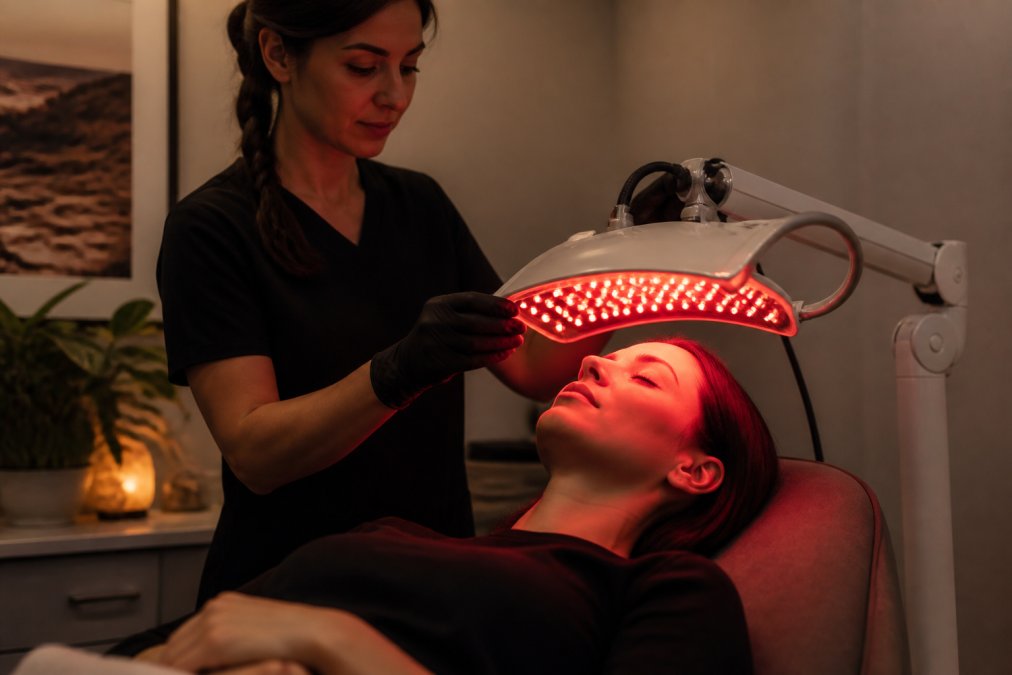
Red light therapy is one of the few anti-aging treatments that actually improves sensitive skin over time rather than irritating it. The more inflamed or reactive your skin is, the more red light therapy tends to help.
Gentle Chemical Peels for Sensitive Skin Types
Chemical peels sound aggressive, but formulation matters more than the category. A 30% glycolic acid peel applied by a professional in controlled doses is very different from a gentle enzymatic peel designed for daily-use sensitivity.
For sensitive skin, enzymatic peels are typically the better choice. Products like Derma 2.0 Derma-Sensitive Peeling use natural enzymes from papaya and pineapple to gently exfoliate without causing micro-abrasions. These peels stimulate cell turnover and reduce discoloration without the irritation that alpha-hydroxy acids can trigger in reactive skin types.
If you’re moving toward slightly stronger exfoliation, glycolic acid can work, but the concentration and application method are critical. A lower-concentration glycolic peel (10-15%) applied briefly and rinsed thoroughly is very different from a high-concentration peel left on skin for extended periods. Start conservatively. Patch test first. Many sensitive skin types do well with gentle glycolic peels used once weekly rather than more frequent applications.
The real benefit of chemical peels for sensitive skin is that they address texture, tone, and fine lines without the physical trauma of microneedling. They also work synergistically with other treatments. A gentle enzymatic peel followed by red light therapy, for example, creates a low-risk combination that many sensitive skin types tolerate well.
Chemical peels can temporarily increase skin sensitivity and sun reactivity. Always use broad-spectrum SPF 30+ after any peel, and avoid other active ingredients (like retinoids) for 48 hours post-treatment. Combining multiple actives too soon is where most sensitive skin reactions happen.
Microneedling Recovery Time for Sensitive Skin and Barrier Health
If you do pursue professional microneedling for sensitive skin, understanding recovery time and barrier health becomes essential. Standard microneedling creates visible erythema (redness) that typically lasts 24-72 hours (peer-reviewed research). For sensitive skin, this window can extend to 5-7 days, and the redness may be more pronounced.
The real recovery isn’t just about visible redness, it’s about barrier repair. Microneedling creates intentional micro-injuries that trigger inflammation and collagen synthesis. Your skin barrier is temporarily compromised during this process. For sensitive skin types, this is where things often go wrong: people resume their normal skincare routine too quickly, applying actives or irritating products while the barrier is still repairing itself. non-surgical skin rejuvenation options.
The protocol matters. Post-microneedling, your skin needs gentle hydration and barrier support. Use minimal actives for at least one week. Skip retinoids, vitamin C serums, and glycolic acids. Focus on ceramides, hyaluronic acid, and gentle moisturizers that support epidermal barrier repair. Many practitioners recommend a calming serum with niacinamide or centella asiatica to reduce inflammation.
For sensitive skin, spacing between treatments is also more important. While standard recommendations are 4-6 weeks between sessions, sensitive skin often benefits from 8-12 week intervals. This gives your barrier more time to fully recover and reduces the cumulative inflammatory load.
Retinoids and Topical Treatments for Collagen Production
Retinoids work differently than microneedling or red light therapy. They don’t stimulate collagen through trauma or light; they signal your skin cells to increase collagen production and accelerate cell turnover through vitamin A receptor activation. For sensitive skin, this is both powerful and risky.
The challenge with retinoids is that they’re inherently irritating, especially during the adjustment phase. Redness, peeling, and increased sensitivity are common side effects. For sensitive skin types, starting low and going slow isn’t just advice, it’s essential. Begin with a low-concentration retinol (0.25-0.5%) used once or twice weekly. Products like Paula’s Choice Clinical Anti-Aging 1% Retinol Treatment are potent, but sensitive skin should start at lower concentrations or dilute the product initially.
Retinoids work best as part of a long-term strategy, not a quick fix. Consistent use over 8-12 weeks produces visible improvements in fine lines, texture, and skin tone. But the first 4-6 weeks are often uncomfortable for sensitive skin. Pair retinoid use with barrier-supporting moisturizers, and avoid combining retinoids with other actives like vitamin C or acids until your skin has fully adapted.
The payoff is real: retinoids are among the most clinically proven anti-aging ingredients available. For sensitive skin that can tolerate a gradual introduction, they’re worth the adjustment period.
If you’re sensitive to retinoids, try using them on damp skin and applying a light moisturizer on top before the retinoid fully absorbs. This “sandwich method” reduces irritation while still delivering benefits.
Professional-Grade Alternatives You Can Use at Home
At-home devices have closed the gap between professional treatments and DIY skincare. Several professional-grade alternatives now exist that deliver meaningful results without requiring a clinic visit or professional application.
Microcurrent devices like the NuFace Trinity+ and ZIIP Beauty GX Series use low-level electrical currents to stimulate facial muscles, improve skin tone, and reduce fine lines. These are FDA-cleared devices that work through muscle toning and improved circulation rather than creating skin injury. For sensitive skin, they’re exceptionally safe, no downtime, no irritation, no barrier disruption. The ZIIP GX Series specifically uses nanocurrent technology, making it gentler than standard microcurrent devices.
Dermaplaning tools like the StackedSkincare Dermaplaning Tool offer professional-grade physical exfoliation at home. The single-edge blade removes dead skin and vellus hair (peach fuzz) while creating a smoother canvas for serums and moisturizers. Done correctly, dermaplaning is safe for sensitive skin, though technique matters. The blade must be held at the correct angle, and pressure must be light. When done properly, dermaplaning can be performed every 2-4 weeks without irritation.
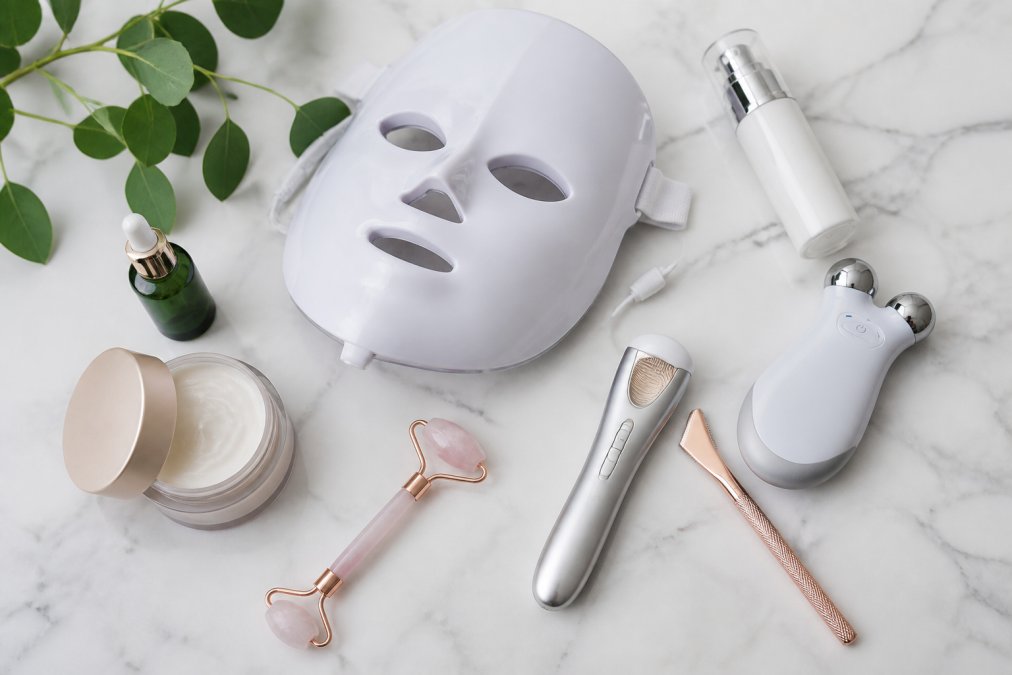
The advantage of at-home devices is control and consistency. You determine the intensity, frequency, and timing. For sensitive skin types who’ve had bad experiences with professional treatments, at-home alternatives often feel safer because you can stop immediately if irritation occurs.
Combination Therapy Protocols for Best Results
The most effective approach for sensitive skin often isn’t a single treatment, it’s a strategic combination that addresses multiple concerns while respecting barrier health.
A typical protocol might look like this: use red light therapy 3-4 times weekly as your foundation treatment. This provides consistent collagen stimulation and inflammation reduction without any irritation risk. Once weekly, incorporate a gentle enzymatic peel to address texture and tone. Once every 8-12 weeks, consider professional nano-needling to enhance product absorption and address fine lines. Layer in a low-concentration retinoid 1-2 times weekly, gradually increasing frequency as your skin adapts.
The key principle is spacing. Don’t combine multiple actives on the same day. If you’re using a chemical peel on Monday, skip retinoids until Wednesday. If you’re having professional nano-needling, pause home microcurrent devices for a week. This prevents cumulative irritation and gives your barrier time to recover between treatments.
Source Acupuncture’s approach to combination therapy emphasizes personalization. Your practitioner should assess your specific sensitivity profile, skin concerns, and lifestyle before recommending a protocol. What works for mild sensitivity may overwhelm severe reactivity. The goal is sustainable improvement, not aggressive treatment that leaves you managing irritation.
| Treatment | Frequency | Best For | Barrier Impact |
|---|---|---|---|
| Red Light Therapy | 3-4x weekly | Foundation; collagen + inflammation | None |
| Gentle Enzymatic Peel | 1x weekly | Texture, tone, cell turnover | Minimal |
| Nano-Needling (professional) | Every 8-12 weeks | Fine lines, product absorption | Low |
| Microcurrent Device | 2-3x weekly | Muscle tone, circulation | None |
| Low-Dose Retinoid | 1-2x weekly (increasing) | Collagen, cell turnover, long-term | Moderate initially |
| Dermaplaning | Every 2-4 weeks | Physical exfoliation, smoothness | Minimal |
When sensitive skin is your reality, the goal shifts from aggressive transformation to sustainable improvement. Gentle microneedling alternatives for sensitive skin work because they respect your skin’s actual capacity to heal and adapt. Red light therapy builds collagen without inflammation. Nano-needling enhances product absorption without trauma. Gentle peels and retinoids address aging concerns when introduced thoughtfully. Professional-grade at-home devices put control in your hands.
Source Acupuncture combines these approaches with personalized assessment and ongoing support. Our practitioners understand that sensitive skin requires a different strategy, one that prioritizes barrier health alongside aesthetic improvement. Whether you’re exploring red light therapy, nano-needling, or combination protocols, the foundation is the same: know your skin, start conservatively, and build consistency over time. Book a session to discuss which gentle alternatives align best with your specific sensitivity profile and skincare goals.
Frequently Asked Questions
What is the best non-invasive alternative to microneedling for sensitive skin?
Red light therapy and nano-needling are among the gentlest alternatives for sensitive skin. Red light therapy uses photobiomodulation to stimulate collagen without physical trauma, while nano-needling employs silicone-tipped cartridges instead of needles to enhance product penetration. Both avoid the downtime and erythema associated with traditional microneedling, making them ideal for those with compromised epidermal barriers or reactive skin.
How can I stimulate collagen without microneedling?
Multiple approaches support collagen induction therapy without needles. Red light therapy at wavelengths of 633nm and 830nm promotes bio-stimulation and cell turnover. Topical retinoids like 1% retinol accelerate collagen production when introduced gradually. Gentle chemical peels with glycolic acid or enzymatic formulas exfoliate and trigger natural healing responses. Combining these methods, such as pairing red light with retinoids, often yields better results than any single treatment alone.
Are chemical peels safer than microneedling for sensitive skin?
Enzymatic and low-concentration chemical peels are generally safer for sensitive skin than traditional microneedling because they avoid physical trauma and unpredictable downtime. Enzyme-based peels like those with papaya and pineapple extracts stimulate cell turnover without causing micro-abrasions. However, glycolic acid peels require careful patch testing and gradual introduction. Both require proper skin barrier assessment beforehand; consult a dermatologist or licensed practitioner to determine which suits your specific sensitivity profile.
What is microneedling recovery time for sensitive skin?
Traditional microneedling on sensitive skin typically involves 3-7 days of visible erythema and potential post-inflammatory hyperpigmentation lasting weeks. Recovery time depends on needle depth and skin barrier health. Nano-needling and red light therapy have virtually no recovery time, most people resume normal activities immediately. If you choose traditional microneedling, plan for downtime and avoid sun exposure, active ingredients, and strenuous exercise during the healing phase.
How do I know if a skin treatment is too harsh for my sensitive skin?
Assess your skin barrier first: if you experience frequent redness, burning, or reactivity to common products, your barrier is compromised and needs repair before aggressive treatments. Patch test any new treatment on a small area 24-48 hours before full application. Watch for excessive erythema, swelling, or irritation beyond mild redness. Work with a licensed practitioner who can evaluate your skin sensitivity and recommend appropriate treatments. Professional guidance ensures you choose methods that support long-term skin health rather than causing lasting damage.
This article was written using GrandRanker