

Table of Contents
- Understanding Chronic Digestive Issues and Medication Limitations
- Acupuncture for Digestive Health and Symptom Relief
- Herbal Remedies and Botanical Supplements for Digestion
- Gut-Brain Axis Regulation Through Mind-Body Therapies
- Anti-Inflammatory Diet for Digestion and Gut Healing
- Probiotics, Prebiotics, and Gut Microbiome Support
- Somatic Therapies: Acupuncture, Massage, and Physical Approaches
- Hydration, Anti-Inflammatory Compounds, and Lifestyle Modifications
Last Updated: August 17, 2026
Understanding Chronic Digestive Issues and Medication Limitations
Chronic digestive issues affect millions of people, creating a frustrating cycle where conventional medications mask symptoms without addressing root causes. Acid reflux, bloating, constipation, and irritable bowel syndrome often require ongoing medication with side effects that create new problems.
Alternatives to medication for chronic digestive issues target underlying imbalances in your digestive system, nervous system, and gut microbiome. At Source Acupuncture, we’ve worked with countless clients who discovered that addressing digestive health through integrative methods, combining acupuncture, herbal medicine, dietary changes, and stress reduction, produced results that medications alone couldn’t deliver. The most effective approach layers complementary therapies that address different aspects of digestive dysfunction simultaneously.
Acupuncture for Digestive Health and Symptom Relief
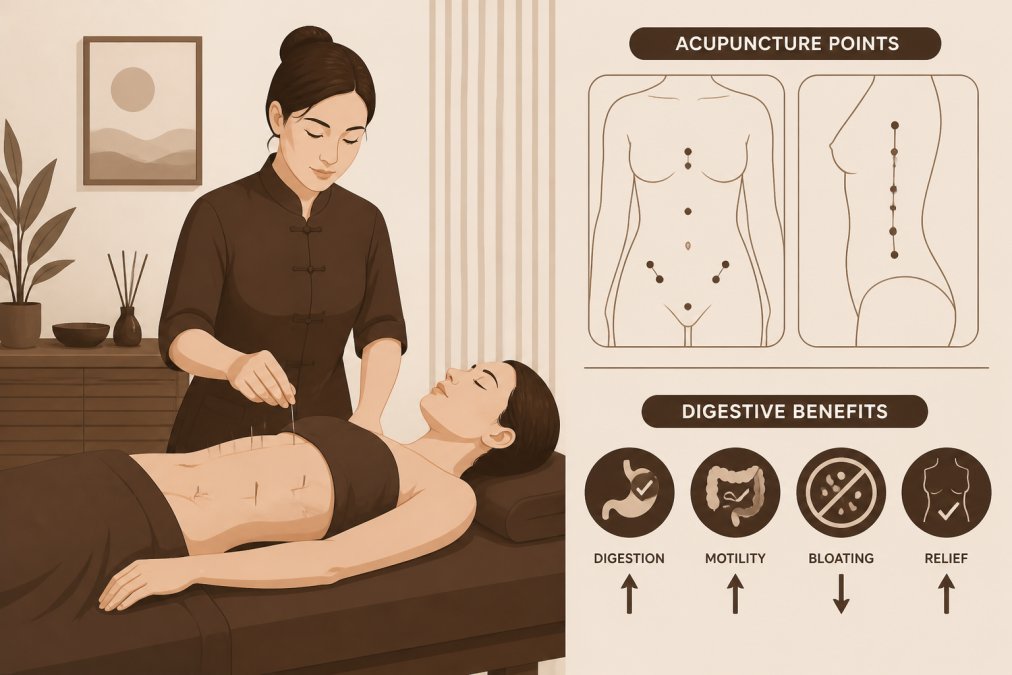
Acupuncture addresses digestive dysfunction by regulating the nervous system and restoring balance to organs responsible for breaking down food and moving it through your system. Fine needles placed at specific points trigger physiological responses that calm inflammation, improve blood flow to the digestive tract, and reset signals between your gut and brain.
How Acupuncture Addresses Root Causes
Traditional Chinese Medicine views digestive problems as disruptions in qi flow through meridians connected to digestive organs. Acupuncture restores that flow through detailed assessment of your specific symptoms, digestion patterns, and how digestive issues interact with stress and sleep.
Acupuncture stimulates the parasympathetic nervous system, your "rest and digest" mode, which is often suppressed in people with chronic stress. When your nervous system is stuck in sympathetic overdrive (fight-or-flight), digestion suffers. Acupuncture rebalances this, allowing your body to digest food properly again.
Conditions Acupuncture Can Help
Acupuncture has shown effectiveness for irritable bowel syndrome, inflammatory bowel disease symptoms, acid reflux, constipation, diarrhea, bloating, and nausea. The key is that alternatives to medication for chronic digestive issues like acupuncture work best when tailored to your individual presentation.
Many people experience symptom relief within 4-6 sessions, though more significant improvements in digestive function typically emerge over 8-12 weeks of consistent treatment. Results tend to be durable because acupuncture changes how your system functions, not just how you perceive symptoms.
Herbal Remedies and Botanical Supplements for Digestion
Herbal products refined over centuries work through multiple mechanisms simultaneously, reducing inflammation, supporting beneficial bacteria, improving nutrient absorption, and calming the nervous system, unlike synthetic medications designed to block a single pathway.
Common Herbs and Their Digestive Benefits
Ginger reduces nausea, decreases gut inflammation, and improves food movement through your digestive tract. Peppermint oil addresses bloating and cramping by relaxing intestinal smooth muscles. Turmeric’s curcumin is a powerful anti-inflammatory compound addressing underlying inflammation driving many digestive issues. Chamomile calms both the digestive tract and nervous system, particularly useful when digestive problems are stress-related. Aloe vera supports intestinal lining healing, especially valuable for acid reflux or inflammatory conditions. Slippery elm creates a protective coating along your digestive tract, reducing irritation and supporting healing.
The challenge with herbal products is dosage and quality. A supplement containing 100 mg of an herb may have minimal effect, while 500 mg might produce noticeable results. Active compound concentration varies dramatically between manufacturers.
Drug-Herb Interactions and Safety Considerations
Herbal remedies aren’t automatically safe just because they’re "natural." Many common herbs interact with medications. Ginger can increase bleeding risk if you’re on blood thinners. Turmeric affects how your body metabolizes certain drugs. St. John’s Wort interferes with birth control and antidepressants.
Before adding any herbal products, consult with a practitioner who understands both your medications and botanical compounds you’re considering. A qualified acupuncturist or herbalist can identify contraindications and adjust dosages appropriately. Storage matters too, herbal formulations lose potency over time, especially if exposed to heat or light.
Never combine herbal remedies with medications without consulting a healthcare provider. Common herbs like ginger, turmeric, and St. John’s Wort can significantly interact with blood thinners, blood pressure medications, antidepressants, and birth control. The consequence of ignoring this is either reduced medication effectiveness or increased side effects.
Gut-Brain Axis Regulation Through Mind-Body Therapies
Your digestive system is directly connected to your nervous system and emotional state. This gut-brain axis means stress, anxiety, and unprocessed emotions literally impact how your stomach produces acid, how your intestines move food, and which bacteria thrive in your microbiome. Addressing digestive issues without addressing nervous system dysregulation is like fixing a leaking roof without addressing the structural damage causing it.
Hypnotherapy and Nervous System Retraining
Gut-directed hypnotherapy is one of the most evidence-supported mind-body approaches for chronic digestive issues, particularly irritable bowel syndrome. It works by accessing your subconscious mind, the part that actually controls digestion, and retraining your nervous system’s response to digestive sensations.
Many people with IBS become sensitized to normal digestive signals. A minor stomach movement triggers anxiety, which triggers more symptoms, which triggers more anxiety. Hypnotherapy breaks this cycle by teaching your nervous system to interpret these signals differently. Sessions typically involve guided relaxation combined with specific therapeutic suggestions tailored to your symptoms, creating new neural pathways that support healthy digestion.
Meditation, Stress Reduction, and Digestive Calm
Daily meditation directly impacts your vagus nerve, the primary nerve controlling your parasympathetic nervous system. Regular practice literally rewires your nervous system’s default state, shifting you from sympathetic overdrive into a more balanced baseline where digestion can function.
Even ten minutes daily produces measurable changes. Meditation reduces cortisol (your stress hormone), which directly impacts inflammation throughout your digestive tract. It also increases heart rate variability, a marker of nervous system flexibility and resilience. Practices that include body awareness, like body scan meditation or gentle yoga, are particularly effective for digestive issues because they rebuild your conscious connection to digestive sensations.
Start with five minutes of daily meditation focused on your breath. When your mind wanders, gently return attention to the physical sensation of breathing. This single practice activates your parasympathetic nervous system and supports digestive function.
Anti-Inflammatory Diet for Digestion and Gut Healing
What you eat directly determines which bacteria thrive in your gut, how much inflammation your digestive system experiences, and how quickly your intestinal lining can heal. An anti-inflammatory diet for digestion is about choosing foods that actively support healing instead of perpetuating dysfunction.
Foods That Reduce Inflammation and Support Healing
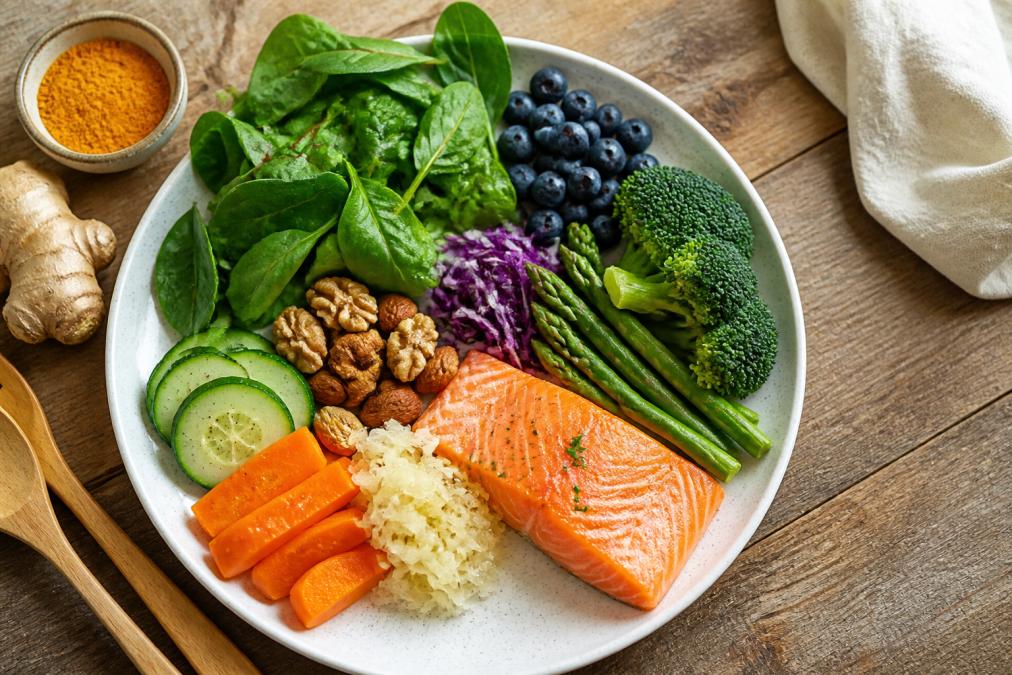
Fatty fish rich in omega-3 fatty acids (salmon, mackerel, sardines) directly reduce inflammatory markers in your digestive tract. Flaxseed provides plant-based omega-3s and soluble fiber that feeds beneficial bacteria. Leafy greens contain compounds that strengthen your intestinal barrier. Turmeric, ginger, and other anti-inflammatory spices actively reduce inflammation when consumed regularly. Berries contain anthocyanins that support gut healing. Bone broth provides collagen and amino acids that repair the intestinal lining.
The pattern matters more than individual foods. A diet heavy in processed foods, refined sugars, and seed oils creates inflammation regardless of occasional salads. Consistency over weeks and months produces changes in your gut microbiome and digestive function.
Eliminating Trigger Foods and Low FODMAP Approaches
Many people benefit from identifying and eliminating personal trigger foods. Common culprits include dairy, gluten, high-histamine foods, or certain carbohydrates. An elimination diet removes suspected triggers for 3-4 weeks, then reintroduces them one at a time, revealing which foods your system struggles with.
The Low FODMAP diet is a more structured approach, particularly effective for IBS. It eliminates high-FODMAP foods for several weeks, then systematically reintroduces them to identify your specific triggers. Both approaches require patience and ideally professional guidance to avoid unnecessary restriction.
Probiotics, Prebiotics, and Gut Microbiome Support
Your gut microbiome directly determines your digestive health, immune function, and even mood. When this ecosystem becomes imbalanced (dysbiosis), you get chronic digestive dysfunction. Restoring balance requires adding beneficial bacteria (probiotics) and feeding the bacteria you want to thrive (prebiotics).
Choosing the Right Probiotic Strains
Not all probiotics are created equal. Effective probiotics are strain-specific and targeted to your actual problem. Lactobacillus and Bifidobacterium species help with diarrhea and general digestive health. Saccharomyces boulardii specifically addresses traveler’s diarrhea and C. difficile overgrowth.
Most effective probiotics require at least 25-50 billion CFUs daily, with many requiring 100 billion or higher. Probiotics need proper formulation and storage to survive stomach acid and reach your colon alive. Most importantly, probiotics work best as temporary support while you’re simultaneously changing your diet and addressing stress, they’re not permanent solutions because your body won’t maintain bacterial strains you’re not feeding with appropriate fiber and foods.
Prebiotic Foods That Feed Beneficial Bacteria
Prebiotics are types of fiber your digestive system can’t break down but your beneficial bacteria thrive on. Garlic, onions, asparagus, bananas, oats, and chicory root are all prebiotic-rich. When you eat these foods, you’re directly feeding bacteria that improve digestion and reduce inflammation.
Adding prebiotic foods can initially increase bloating as bacteria ferment the new food source, but this typically resolves within 1-2 weeks. Starting slowly with small amounts and increasing gradually minimizes this adjustment period.
| Probiotic Strategy | Best For | Implementation |
|---|---|---|
| Strain-specific probiotics | Targeted dysbiosis (diarrhea, constipation, IBS) | 50-100 billion CFUs daily for 8-12 weeks |
| Prebiotic foods | Long-term microbiome support | Daily garlic, onions, asparagus, bananas |
| Fermented foods | Diverse bacteria and enzymes | Sauerkraut, kimchi, miso, tempeh 2-3x weekly |
| Combination approach | Complete gut restoration | Probiotics + prebiotics + dietary changes simultaneously |
Somatic Therapies: Acupuncture, Massage, and Physical Approaches
Somatic therapies work with your body’s physical intelligence to release tension, improve circulation, and restore function. Emotional stress, trauma, and chronic tension get stored in your muscles and tissues, directly impacting digestion.
Traditional Chinese Medicine and Herbal Formulations
Traditional Chinese Medicine views your digestive system as part of an integrated whole where stress, emotions, sleep, and diet all directly impact function. TCM practitioners assess your entire system to identify why your digestion is failing.
Herbal formulations in TCM are highly individualized. Rather than generic "digestive support" supplements, a practitioner creates a custom formula based on your specific symptom pattern. Someone with constipation and anxiety gets a different formula than someone with diarrhea and bloating. TCM herbal products are typically stronger and more concentrated than over-the-counter supplements, designed to work synergistically where each herb supports the others’ actions.
Massage Therapy and Abdominal Release Techniques
Abdominal massage directly improves digestive function by releasing tension in your intestines, improving lymphatic drainage, and stimulating parasympathetic activation. Many people with chronic digestive issues have tight, restricted abdominal muscles from years of holding tension.
Specialized massage techniques following the path of your colon can manually move stagnant digestion and reduce bloating within a single session. Regular massage retrains your nervous system to relax in your belly, essential for proper digestion. Self-massage is also valuable, gently massaging your abdomen clockwise (following your colon) for five minutes daily can significantly improve constipation, bloating, and overall digestive comfort.
Hydration, Anti-Inflammatory Compounds, and Lifestyle Modifications
The basics matter more than most people realize. Proper hydration, consistent sleep, regular movement, and stress management form the foundation that makes every other intervention more effective.
Beverages That Support Digestive Health
Water is foundational, but type and timing matter. Room-temperature or warm water with meals supports digestion better than cold water. Herbal teas, particularly ginger, peppermint, and chamomile, provide therapeutic compounds while supporting hydration. Bone broth provides collagen, amino acids, and minerals that support intestinal healing. Fermented beverages like kombucha introduce beneficial bacteria and enzymes.
Avoid sugary drinks, excessive coffee (which can irritate your digestive tract), and alcohol, which damages your intestinal lining and disrupts your microbiome.
Building a Sustainable Post-Treatment Maintenance Plan
The goal of alternatives to medication for chronic digestive issues is lasting change, not perpetual dependence on treatments or supplements. A maintenance plan typically includes a dietary pattern you can sustain, regular stress management practice (meditation, yoga, or somatic work), consistent movement, adequate sleep, and periodic professional support to catch imbalances before they become problems again.
Most people need 3-6 months of consistent intervention before their digestive system stabilizes enough to maintain improvements with basic self-care. The difference between people who achieve lasting digestive health and those who cycle through treatments is integration, they understand that stress management, sleep, movement, and food choices are all part of the solution.
Lasting digestive health comes from addressing root causes: your nervous system state, gut microbiome, inflammatory load, and stress levels, not just suppressing symptoms. Combining acupuncture, dietary changes, stress reduction, and herbal support creates the conditions for genuine healing.
Chronic digestive issues don’t have to be a permanent condition requiring medication indefinitely. When you address underlying causes, nervous system dysregulation, inflammation, microbial imbalance, and stress, your digestive system can actually heal. Source Acupuncture specializes in personalized assessment and integrative treatment plans that combine acupuncture, herbal medicine, and lifestyle guidance to restore digestive function. Our practitioners work with you to identify your specific pattern of dysfunction and create a sustainable path to lasting relief. Book a session to discuss how alternatives to medication for your digestive issues can work for your situation.
Frequently Asked Questions
How does acupuncture help with chronic digestive issues?
Acupuncture addresses digestive problems by regulating the nervous system and restoring balance to gastrointestinal function. Traditional Chinese Medicine views digestive issues as imbalances in the body's energy flow. Acupuncture stimulates specific points that influence digestion, reduce inflammation, and calm the gut-brain axis. Many people experience relief from symptoms like acid reflux, bloating, and irregular bowel movements after consistent treatment. Results vary, so working with a qualified practitioner to develop a personalized treatment plan is essential.
What are the most effective natural alternatives to medication for digestive issues?
The most effective alternatives include acupuncture, herbal medicine, dietary modifications, probiotics, mind-body therapies like hypnotherapy, and stress-reduction practices. An integrative approach combining multiple methods often yields the best results. For example, pairing acupuncture with an anti-inflammatory diet and stress management can address both symptoms and underlying causes. However, the right combination depends on your specific condition, so consulting a healthcare provider or integrative medicine specialist helps identify which alternatives suit your needs.
Can herbal remedies interact with medications I'm already taking?
Yes, some herbal remedies can interact with medications, affecting how either substance works or increasing side effects. Common interactions occur with herbs like ginger, turmeric, and peppermint when combined with blood thinners, diabetes medications, or certain digestive drugs. Before starting any herbal supplement, disclose all current medications to your healthcare provider or a qualified herbalist. They can assess potential contraindications and recommend safe dosages. This is especially important if you're managing multiple chronic conditions or taking prescription medications regularly.
How long does it typically take to see results from natural alternatives?
Timeline varies depending on the approach and severity of your condition. Dietary changes may show benefits within 2-4 weeks, while acupuncture typically requires 4-8 sessions before noticeable improvement. Herbal formulations and probiotics often take 6-12 weeks to demonstrate full effects as they work to restore balance gradually. Mind-body therapies like hypnotherapy require consistent practice over weeks to retrain nervous system responses. Patience and consistency are key, natural approaches address root causes rather than providing immediate symptom masking, so results build over time.
This article was written using GrandRanker