Table of Contents
- How Acupuncture Addresses Tinnitus and Ear Ringing
- Key Acupuncture Points for Tinnitus Relief
- Acupuncture Session Duration for Tinnitus Treatment
- Self-Administered Acupressure Protocols at Home
- How to Find a Licensed Acupuncturist for Tinnitus
- Acupuncture for Chronic Pain Relief and Related Symptoms
- Safety, Side Effects, and When to Seek Professional Care
- Conclusion
Last Updated: August 29, 2026
How Acupuncture Addresses Tinnitus and Ear Ringing
Acupuncture for tinnitus works by stimulating specific points on the body to restore balance to the auditory system and reduce ear ringing. Traditional Chinese medicine views tinnitus as a disruption in qi (energy) flow through meridians connected to hearing. When needles are placed at precise points, they trigger nerve responses that calm overactive auditory pathways and reduce inflammation in the ear region.
Acupuncture activates the nervous system to promote relaxation and reduce the stress response that amplifies tinnitus symptoms. By addressing both local ear dysfunction and systemic nervous system imbalance, acupuncture targets root causes rather than just masking symptoms.
The best results typically come from [consistent treatment over several weeks](/benefits-regular-acupuncture-treatments/benefits-of-regular-acupuncture-treatments-1786325863/). Tinnitus present for months or years usually requires a longer treatment course than acute ear ringing.
Key Acupuncture Points for Tinnitus Relief
The most effective acupuncture points for tinnitus relief fall into specific categories based on their location and function within traditional Chinese medicine theory.
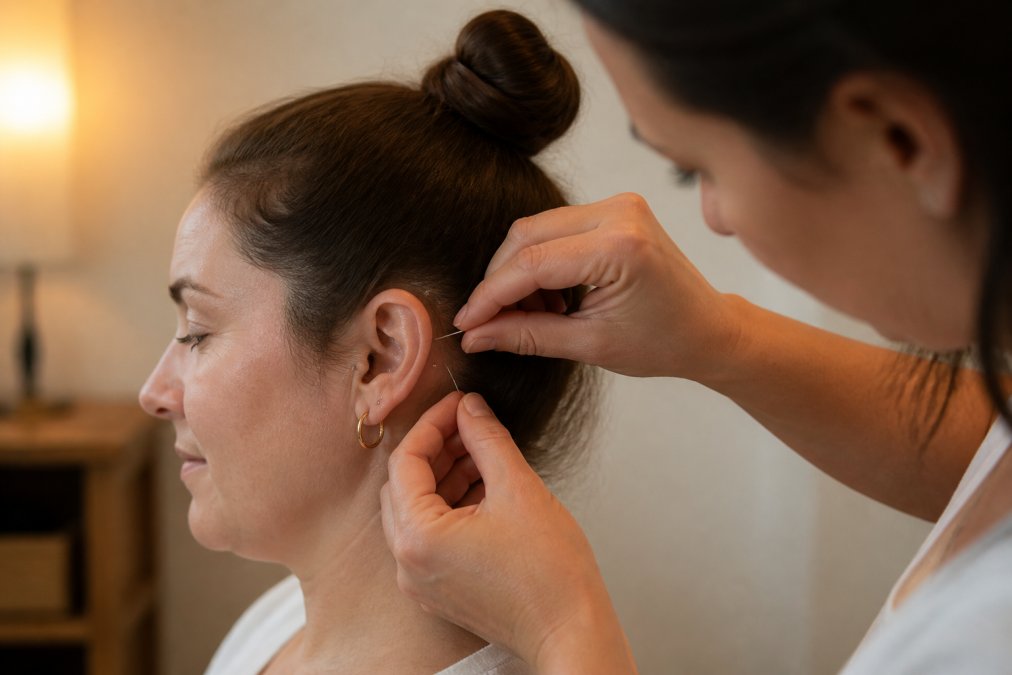
GB2 and GB20: Gallbladder Meridian Points
GB2, also called Auditory Convergence, sits directly in front of the ear canal opening. This point is among the most direct treatments for tinnitus because of its anatomical proximity to auditory structures. Stimulating GB2 reduces ear pressure and the sensation of ringing or buzzing.
GB20, located at the base of the skull where the neck meets the head, influences blood flow and nerve function throughout the upper body. This point addresses systemic tension and muscle tightness that often accompanies chronic ear ringing. Treatment of these two points together creates a comprehensive approach: GB2 handles direct ear symptoms while GB20 manages broader tension patterns that feed into tinnitus.
SJ17, SJ21, and SJ3: Triple Energizer Points
SJ17, known as Wind Screen, sits behind the ear in a small depression. This point is particularly useful for tinnitus accompanied by a sensation of fullness or pressure in the ear. SJ21, called the Ear Gate, lies at the front of the ear opening, similar to GB2 but accessed from a slightly different angle. Using both GB2 and SJ21 provides comprehensive coverage of the ear’s primary acupuncture access points.
SJ3, located on the forearm, represents a distal point that influences the entire triple energizer system. Stimulating points far from the affected area creates systemic effects that help regulate the body’s overall thermal balance and nervous system response.
SI19 and LI4: Supporting Points
SI19, called the Auditory Palace, lies in front of the tragus of the ear. This point has been used in acupuncture for tinnitus for generations. LI4, called Hegu or Union Valley, is located between the thumb and index finger. This versatile point addresses pain, inflammation, and nervous system regulation throughout the body, helping manage overall stress that may contribute to symptom severity.
The most effective acupuncture for tinnitus protocols use a combination of local ear points (GB2, SJ21, SI19) with systemic points (GB20, SJ3, LI4) to address both immediate symptoms and underlying imbalances.
Acupuncture Session Duration for Tinnitus Treatment
A typical acupuncture session for tinnitus lasts between 30 and 60 minutes, with actual needle retention time usually 20 to 30 minutes (aafp.org). The first session often includes an extended consultation where your acupuncturist gathers information about your ear ringing, associated symptoms, stress levels, sleep quality, and medical history.
Most patients benefit from weekly sessions for the first four to six weeks, allowing the nervous system to build positive responses while preventing symptoms from returning between appointments. After initial improvement, many transition to bi-weekly maintenance sessions. The total treatment course for chronic tinnitus typically spans 8 to 12 weeks, though some patients notice significant relief after 3 to 4 sessions.
Between sessions, the effects of acupuncture continue to work as the nervous system integrates the changes triggered by needle insertion. Consistent spacing between appointments matters more than cramming multiple sessions close together.
If you’re not noticing improvement after 6 to 8 sessions, discuss changing your treatment approach with your acupuncturist. This might mean adjusting point selection, increasing frequency temporarily, or combining acupuncture with [complementary techniques like cupping](/cupping-therapy-san-diego/cupping-therapy-in-san-diego-benefits-types-what-to-expect-1787887281/) or herbal support.
Self-Administered Acupressure Protocols at Home
Acupressure offers a practical way to extend treatment between professional sessions. Unlike acupuncture, acupressure uses finger pressure on the same therapeutic points and can be performed at home.
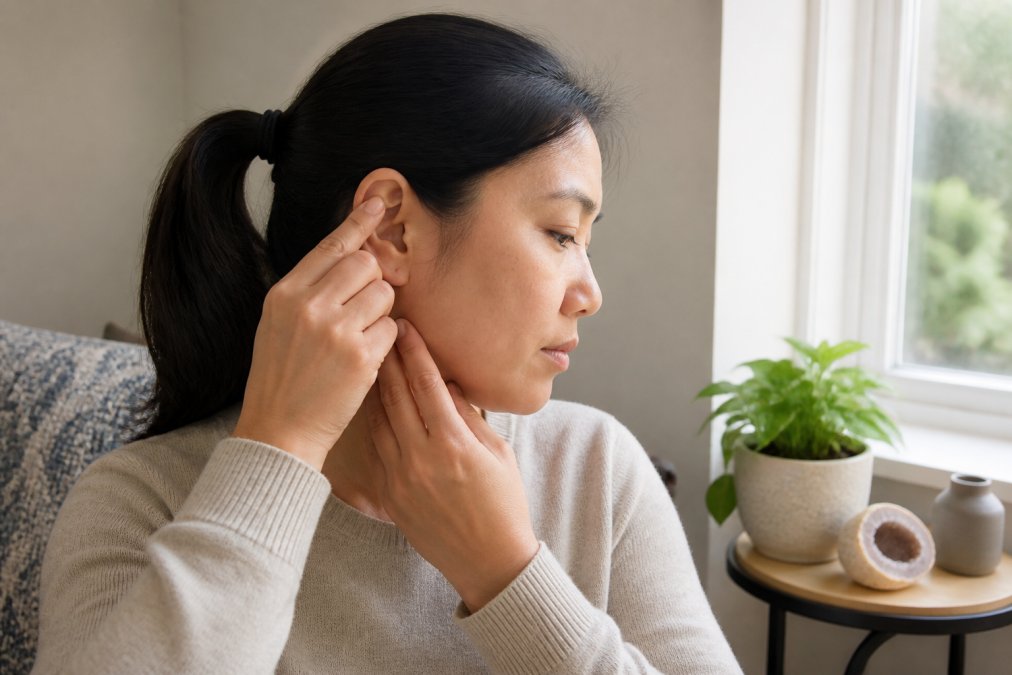
The basic technique involves locating the point, applying firm but gentle pressure with your thumb or fingertip, and maintaining that pressure for one to three minutes. The pressure should feel intense but not painful.
For GB2, locate the small indentation directly in front of your ear canal opening and apply steady pressure with your index or middle finger, angling slightly upward. GB20 sits in the hollow where your neck meets the skull, roughly an inch on either side of the midline. Use both thumbs to apply upward pressure into this depression for two to three minutes.
For ear-specific relief, press SJ21 and SI19 using your index finger with small circular motions for one to two minutes. LI4 is accessible on your hand between the thumb and index finger. Apply firm pressure with your opposite thumb for two to three minutes.
A simple home protocol involves spending five to ten minutes daily applying acupressure to these five key points. Morning and evening sessions work well. Consistency matters more than intensity; gentle daily pressure outperforms occasional intense sessions. Many patients report that regular acupressure reduces tinnitus intensity between professional treatments and extends the benefits of acupuncture sessions.
How to Find a Licensed Acupuncturist for Tinnitus
Finding a qualified acupuncturist requires checking credentials, experience with tinnitus specifically, and compatibility with your treatment goals. Start by verifying licensure through your state’s acupuncture licensing board. Look for acupuncturists who hold current licenses and have completed the required training hours, typically 1,500 to 3,500 hours depending on your state (nccaom.org).
Beyond licensure, seek practitioners with specific experience treating tinnitus and ear-related conditions. Ask potential practitioners about their success rates with tinnitus patients and what their typical treatment protocol looks like. Experienced practitioners can explain their reasoning for specific point selection and how they adjust treatment based on your individual presentation.
Source Acupuncture offers specialized expertise in treating tinnitus and related auditory conditions. Our licensed practitioners combine traditional acupuncture points with modern understanding of the nervous system and ear physiology.
Consider location and scheduling convenience. Consistent treatment requires regular visits, so finding a practitioner near your home or workplace reduces barriers to attendance. Many acupuncturists offer a brief phone consultation before your first appointment to discuss their experience with tinnitus and what to expect.
Request that your acupuncturist explain their point selection for your specific case. Understanding why they chose particular points helps you recognize whether they’re tailoring treatment to your individual condition.
Acupuncture for Chronic Pain Relief and Related Symptoms
Tinnitus rarely exists in isolation. Many people experiencing chronic ear ringing also deal with neck tension, headaches, jaw pain, or overall stress-related discomfort. Acupuncture addresses these interconnected symptoms through the same meridian system that treats tinnitus.
The neck and shoulder region holds tremendous tension in people with chronic tinnitus. This muscular tightness restricts blood flow to the head and ear region, potentially worsening ringing sensations. Acupuncture points in this area release tension while improving circulation to the ears.
Headaches frequently accompany tinnitus, and both conditions respond to overlapping acupuncture point protocols. Points like GB20 and LI4 address both ear ringing and headache pain simultaneously. Jaw tension and temporomandibular joint (TMJ) dysfunction can trigger or worsen tinnitus, and acupuncture releases this tension while restoring proper jaw alignment.
Stress and anxiety amplify tinnitus perception dramatically. Acupuncture’s systemic calming effect reduces stress-related amplification of tinnitus symptoms. Sleep disturbance often accompanies chronic tinnitus, creating a vicious cycle where poor sleep worsens symptoms. Acupuncture improves sleep quality through nervous system regulation, which indirectly reduces tinnitus severity.
Treating the whole person rather than just the ear symptom creates more sustainable improvement.
Safety, Side Effects, and When to Seek Professional Care
Acupuncture is generally safe when performed by licensed practitioners using sterile needles. The most common side effect is mild soreness or bruising at needle insertion sites, which typically resolves within a day or two.
A small percentage of people feel lightheaded or dizzy immediately after treatment. This vasovagal response usually passes quickly and is more common in people anxious about needles or who haven’t eaten before treatment. Eating a light meal before your appointment prevents this response.
Infection at needle sites is extremely rare with licensed practitioners who follow proper sterilization protocols. Always verify that your acupuncturist uses single-use, sterile needles from sealed packages.
Some people experience temporary worsening of symptoms in the first few sessions as the body mobilizes healing responses. However, consistent worsening beyond the first two sessions suggests the treatment approach needs adjustment.
Certain conditions require caution or modified techniques. Pregnancy, bleeding disorders, and immunocompromised states require discussion with your acupuncturist before treatment. People taking blood thinners should inform their practitioner, as this slightly increases bruising risk.
Seek professional medical evaluation if your tinnitus appears suddenly, changes character dramatically, occurs in only one ear, or is accompanied by hearing loss, dizziness, or neurological symptoms. Sudden tinnitus can signal acoustic trauma, sudden sensorineural hearing loss, or other conditions requiring urgent evaluation.
Acupuncture works best as part of an integrated approach. If your tinnitus is severe or rapidly worsening, consult an audiologist or ear, nose and throat specialist to rule out treatable medical conditions. If you have questions about whether acupuncture is appropriate for your specific situation, a consultation with a licensed acupuncturist and your primary care physician provides the most reliable guidance.
Chronic tinnitus significantly impacts quality of life, sleep, and emotional well-being. While conventional medicine offers limited options for many people with ear ringing, acupuncture for tinnitus points provides an evidence-based approach rooted in thousands of years of clinical experience. Source Acupuncture specializes in treating tinnitus through precise point selection, personalized treatment protocols, and integration with complementary techniques like cupping and red light therapy. Our licensed practitioners combine traditional wisdom with modern understanding of the nervous system to deliver real relief. Book Session with our team to begin your path toward quieter ears and restored peace of mind.
Frequently Asked Questions
Q: How many acupuncture sessions are typically needed for tinnitus relief?
A: Most patients benefit from a series of sessions rather than a single treatment. Initial courses often involve 6-12 sessions scheduled 1-2 times per week, though this varies based on symptom severity and individual response. Some experience improvement within 2-3 sessions, while others require longer treatment. Your acupuncturist will assess your progress and adjust the frequency accordingly. Consistency matters more than individual session intensity for chronic ear ringing.
Q: What are the most common acupuncture points used for tinnitus?
A: The primary points include GB2 and GB20 on the gallbladder meridian, SJ17, SJ21, and SJ3 on the triple energizer meridian, and SI19 near the ear canal. LI4 (Hegu) on the hand also supports systemic balance. These points are selected because they directly influence the auditory system and ear pressure regulation according to traditional Chinese medicine theory. Your practitioner may use additional points based on underlying patterns they identify.
Q: Can acupressure at home help if I can't commit to regular professional sessions?
A: Yes, self-administered acupressure can provide supplemental relief between professional treatments or when scheduling is difficult. Gentle, consistent pressure on points like GB2, SJ21, and LI4 for 1-2 minutes, 2-3 times daily, may help reduce symptom intensity. However, professional acupuncture delivers deeper stimulation and allows practitioners to tailor treatment to your specific condition. Home acupressure works best as a complement to, not a replacement for, professional care when possible.
Q: Is there scientific evidence that acupuncture actually works for tinnitus?
A: Clinical research shows mixed but promising results. Randomized controlled trials and systematic reviews document improvements in symptom intensity and quality of life for some patients, particularly those with nonpulsatile tinnitus. Studies suggest acupuncture may work by modulating nerve stimulation and reducing ear pressure. However, response varies widely, not all patients experience relief. Consult with your healthcare provider and a licensed acupuncturist to determine if this approach fits your situation.
This article was written using GrandRanker