
Table of Contents
- How Acupuncture Therapy for Stress Relief Calms Your Body
- The Science: Acupuncture and Your Nervous System
- Key Acupuncture Points for Stress Relief You Should Know
- What to Expect in a Stress Relief Session
- Acupuncture Session Frequency for Stress and Lasting Results
- Combining Acupuncture with Lifestyle Habits
- Is Acupuncture Therapy Worth the Investment?
- Frequently Asked Questions
Last Updated: September 7, 2026
How Acupuncture Therapy for Stress Relief Calms Your Body
Acupuncture therapy for stress relief is a clinical practice rooted in traditional Chinese medicine that involves inserting thin, sterile needles into specific points to restore balance and trigger physiological changes. When you are under constant pressure, your body stays in a heightened state of alert, flooding your system with stress hormones. Acupuncture interrupts that cycle, signaling your nervous system to shift from defense mode into restoration. At Source Acupuncture, our licensed practitioners provide personalized care for stress.
The effects are not just psychological. Needle stimulation at precise locations sends signals through your nervous system that influence how your brain manages stress, translating into a measurable sense of calm that persists well beyond the treatment table. Below, we break down how this ancient therapy interacts with modern physiology, which points matter most, and how to build a routine for lasting results.
The Science: Acupuncture and Your Nervous System
The core of how acupuncture works lies in its direct conversation with your autonomic nervous system, the control center that manages heart rate, digestion, and stress response without conscious input. When stress becomes chronic, the sympathetic branch, or fight-or-flight response, stays switched on. Acupuncture therapy for stress relief gently encourages the opposite state, activating the parasympathetic branch, which governs rest, digestion, and recovery.
Research in integrative medicine supports the theory that needling stimulates sensory nerves beneath the skin and muscle, which relay messages to the brain and influence the release of neurotransmitters and hormones. The therapeutic effect is a cascade: heart rate slows, blood pressure stabilizes, and clenched muscles finally release.
The Role of the Hypothalamic-Pituitary-Adrenal (HPA) Axis
The HPA axis is the body’s central stress response system. When you perceive a threat, physical or psychological, the hypothalamus releases corticotropin-releasing hormone (CRH), which signals the pituitary gland to secrete adrenocorticotropic hormone (ACTH). This prompts the adrenal glands to produce cortisol. Under chronic stress, this loop becomes dysregulated, leading to persistently elevated cortisol levels that disrupt sleep, impair immune function, and contribute to anxiety and depression.
Acupuncture appears to modulate this axis at multiple points. Studies using functional magnetic resonance imaging (fMRI) show that needle stimulation at specific acupoints activates brain regions involved in pain modulation and emotional regulation, including the amygdala, hippocampus, and anterior cingulate cortex (peer-reviewed research). These regions communicate directly with the hypothalamus, providing a neuroanatomical pathway through which acupuncture can influence hormonal output.
Lowering Cortisol and Stress Hormones
Cortisol is your primary stress hormone, and while essential for short-term survival, chronically elevated levels contribute to anxiety, poor sleep, and weight gain. By calming the HPA axis, the feedback loop that controls cortisol production, regular treatments help lower cortisol levels, reducing the physiological wear and tear of daily pressure.
Clinical research supports this mechanism. Clinical research supports this mechanism. Studies have found that acupuncture can reduce salivary cortisol levels and promote a shift toward parasympathetic dominance (PubMed).
This hormonal balance can support mental health and emotional resilience.
Activating the Parasympathetic Response
The parasympathetic response is your body’s built-in braking system and the origin of the relaxation response. Acupuncture points are often located along nerve pathways with high concentrations of sensory receptors. Stimulating these areas triggers a drop in heart rate and a rise in digestive activity, classic signs that the parasympathetic system has taken over.
The vagus nerve, which runs from the brainstem to the abdomen and innervates the heart, lungs, and digestive tract, is the primary conduit for parasympathetic signals. Research suggests that acupuncture can stimulate vagal afferent fibers, increasing vagal tone, a marker of better stress resilience, improved mood, and reduced inflammation (peer-reviewed research).
For athletes and active individuals, this activation is crucial for recovery. Without adequate parasympathetic activation, muscle repair and hormonal rebalancing stall. Sessions that consistently promote this state improve circulation and reduce physical tension, allowing the body to heal more efficiently between workouts.
Neurotransmitter Release: Endorphins, Serotonin, and Dopamine
Beyond hormonal regulation, acupuncture influences the brain’s chemical signaling. Needle insertion at specific points triggers the release of endorphins, the body’s natural painkillers, contributing to the sense of well-being many patients experience during and after a session.
Acupuncture also affects serotonin and dopamine pathways. Serotonin regulates mood, appetite, and sleep, while dopamine is involved in motivation and reward. Acupuncture may increase extracellular serotonin levels in areas implicated in mood disorders. This may explain why patients with stress-related anxiety or mild depression often report improved emotional outlook after a course of treatment.
What the Research Does and Does Not Show
It is important to be precise about the evidence. While numerous studies demonstrate physiological effects, the quality of acupuncture research varies. Many trials have small sample sizes, and blinding is difficult because sham acupuncture can still produce physiological responses. While acupuncture is a reasonable option for stress-related conditions, more rigorous research is needed to establish definitive clinical guidelines.
What the evidence does support is a clear, measurable effect on the nervous system: reduced cortisol, increased vagal tone, and shifts in neurotransmitter activity. These are reproducible biological changes, not placebo effects. For patients, this means acupuncture is a physiological intervention that retrains the stress response over time.
Key Acupuncture Points for Stress Relief You Should Know
Specific acupuncture points for stress relief are selected based on their ability to influence the nervous system and release physical tension. While a practitioner tailors treatment to your unique presentation, several points are staples for calming the mind and body.
- Yintang (Hall of Impression): Located between the eyebrows, this point is known for its powerful anxiolytic effect, often used to quiet a racing mind.
- Pericardium 6 (Neiguan): Found on the inner forearm, this point helps relieve nausea and calms the heart, making it useful for stress that manifests as chest tightness or digestive upset.
- Heart 7 (Shenmen): Situated on the wrist crease, this point is a primary choice for anxiety reduction and insomnia related to emotional overwhelm.
- Large Intestine 4 (Hegu): Located in the web of the hand, this point is used to release tension in the head and neck and to promote overall relaxation.
- Spleen 6 (Sanyinjiao): Above the ankle, this point supports hormonal balance and is often used when stress disrupts sleep or reproductive health.
Acupuncture therapy for stress relief is not a one-size-fits-all protocol. A skilled practitioner assesses your pulse, tongue, and symptom history to determine which combination of points will address your specific pattern of imbalance, whether that involves digestive issues, hormonal shifts, or persistent muscle tightness.
What to Expect in a Stress Relief Session
A typical stress relief session begins with a detailed consultation about your sleep, energy levels, stress triggers, and any physical complaints. This assessment guides the entire treatment, ensuring the session is personalized rather than routine. You remain fully clothed on a comfortable table while the practitioner inserts hair-thin needles at the selected points. Source Acupuncture provides personalized care for stress, hormones, and immune support.
Most people feel minimal to no discomfort upon insertion. Once the needles are in place, you rest for 20 to 40 minutes, often drifting into a light sleep as the nervous system regulates. The immediate aftermath typically includes profound relaxation, mental clarity, improved circulation, and a release of physical tension that lasts for days.

Acupuncture Session Frequency for Stress and Lasting Results
Consistency matters more than intensity when retraining a stressed nervous system. For acute stress, many practitioners recommend weekly sessions for the first four to six weeks to lower baseline cortisol levels and establish a new, calmer set point. After that, treatments often space out to biweekly or monthly maintenance visits.
For chronic stress built up over years, expecting a single session to resolve everything is unrealistic. The nervous system needs repeated cues to shift out of a protective, sympathetic state. A wellness membership model, such as the one at Source Acupuncture, supports this consistency. Patients who commit to a schedule may find that benefits compound, with each session building on the last.
Combining Acupuncture with Lifestyle Habits
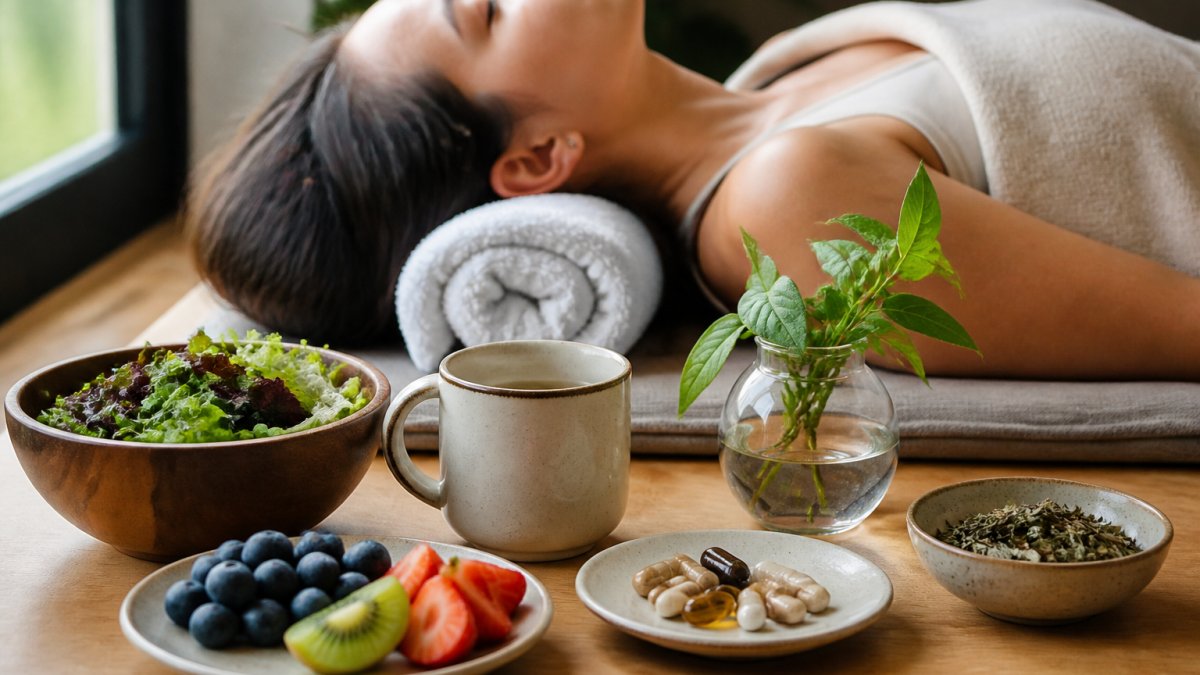
Acupuncture works best as part of a broader strategy for stress management. While the needles do the heavy lifting during a session, your daily habits determine how long the effects last. Integrating regular movement, prioritizing sleep hygiene, and reducing stimulant intake, particularly caffeine and alcohol, help maintain the hormonal balance achieved on the table.
Diet plays a supporting role as well. Stress depletes certain nutrients, so focusing on whole foods rich in B vitamins and magnesium can help your body manage stress hormones more effectively, creating an environment where the nervous system regulation achieved through acupuncture can thrive.
Self-Acupressure for Stressful Moments
You do not need needles to access the benefits of acupressure between appointments. Self-acupressure is a practical tool for managing acute stress in real time. Using your fingertips to apply firm, steady pressure to specific points can help activate the relaxation response.
- For a racing mind: Press Yintang, the point between your eyebrows, with your index finger for one to two minutes while breathing deeply.
- For chest tightness: Apply pressure to Pericardium 6 on your inner forearm, about three finger-widths above the wrist crease.
- For overall tension: Squeeze the fleshy web between your thumb and index finger, targeting Large Intestine 4, to release head and neck tension.
These techniques are not a replacement for full acupuncture therapy for stress relief, but they serve as an accessible bridge, helping you manage stress hormones and physical tension until your next session.
Is Acupuncture Therapy Worth the Investment?
Evaluating the value of acupuncture requires looking beyond per-session cost and considering long-term savings in health and productivity. Chronic stress contributes to lost workdays, increased healthcare use, and diminished quality of life. Many patients find that investing in consistent acupuncture reduces their reliance on other costly interventions, such as frequent massage therapy, over-the-counter pain relievers, or doctor visits for stress-related symptoms.
What You Actually Pay: A Realistic Cost Breakdown
Acupuncture pricing varies by region, practitioner experience, and clinic setting. For current pricing, please check our website or contact us directly.
A typical stress-relief protocol involves weekly sessions for four to six weeks, followed by biweekly or monthly maintenance. For specific costs, please check our website or contact us directly.
Insurance Coverage: What You Need to Know
Insurance coverage for acupuncture has expanded significantly in recent years. Acupuncture may be covered by Medicare for chronic low back pain, and many private insurers may offer partial or full coverage for medically necessary acupuncture. Coverage varies widely by state and plan, with some requiring a referral and others limiting covered sessions. You must review your specific policy documents or contact your insurer directly.
Flexible Spending Accounts (FSAs) and Health Savings Accounts (HSAs) are another avenue for reducing out-of-pocket costs. Acupuncture is an eligible expense under IRS Publication 502, meaning you can use pre-tax dollars to pay for treatments. Using these accounts can help reduce out-of-pocket costs.
The Cost Comparison: Acupuncture vs. Conventional Stress Treatments
When comparing costs, it is essential to consider the full picture of conventional stress management. Conventional stress management options, such as therapy sessions, psychiatric consultations, and prescription medications, can incur significant costs.
Over a six-month period, the cost of acupuncture sessions can be comparable to or different from other conventional stress management options. Many patients use acupuncture as a complementary therapy alongside conventional care. This approach may reduce the dosage or frequency of other interventions.
The Hidden Costs of Chronic Stress
The economic burden of chronic stress extends far beyond treatment costs. Workplace stress can incur significant costs for U.S. businesses in absenteeism, turnover, and lost productivity. For an individual, chronic stress is linked to increased rates of cardiovascular disease, metabolic disorders, and mental health conditions, with potential high costs for stress-related health events.
A Framework for Deciding If It’s Worth It
Rather than asking whether acupuncture is universally worth the investment, ask yourself these questions:
- What are your current stress-related expenses? Include therapy copays, medication costs, over-the-counter sleep aids, massage therapy, and missed workdays.
- What does your insurance cover? Call your provider and ask about acupuncture benefits, session limits, and whether you need a referral.
- What is your practitioner’s approach? A thorough initial assessment, including pulse and tongue diagnosis, medical history review, and a personalized treatment plan, is worth more than a protocol-driven session that applies the same points to every patient.
- Can you commit to a consistent schedule? Acupuncture effects are cumulative. If you can only attend sporadically, you may not see the full benefit, making the investment less cost-effective.
The Bottom Line
Acupuncture is not the cheapest stress-management option available, but it is also not the most expensive, especially when insurance, FSAs, or community clinic rates are factored in. The decision ultimately hinges on whether the physiological benefits, lower cortisol, improved vagal tone, better sleep, and reduced reactivity, translate into fewer sick days, fewer doctor visits, and a higher quality of life. The only way to know is to track your own outcomes over a defined trial period and evaluate the results against your baseline.
The decision also hinges on finding a practitioner who does the deep assessment work. Standard, protocol-driven sessions may yield limited results, whereas personalized care that addresses the root cause of your imbalance tends to produce more durable outcomes. At Source Acupuncture, the blend of traditional healing practices and advanced therapeutic techniques is tailored to your specific needs, whether that involves hormonal support, digestive health, or recovery from sports injuries. For those ready to move from surviving to thriving, a consistent acupuncture practice is a worthwhile investment in your body’s ability to self-regulate.
Frequently Asked Questions
Does acupuncture actually work for stress?
Yes. Clinical research shows acupuncture therapy for stress relief actively regulates the nervous system. Needle stimulation triggers the release of endorphins and serotonin while lowering cortisol levels, which dampens the sympathetic ‘fight or flight’ response. This physiological reaction is why many people feel a sense of calm during and after a session. It is not just a placebo effect; measurable changes in stress hormones and heart rate variability support its effectiveness for anxiety reduction and chronic stress management.
How often should I get acupuncture for chronic stress?
For chronic stress, consistency matters more than a one-off visit. A common treatment plan involves regular sessions to build a cumulative effect on your nervous system regulation. Your practitioner will assess your response to treatment and adjust the frequency. Skipping weeks early on can slow progress, so consistent engagement with the initial phase is important.
What should I expect during an acupuncture session for stress?
Your first session begins with a detailed consultation about your stress levels, sleep, and lifestyle. The practitioner then inserts thin, hair-like needles into specific acupuncture points, such as those on your inner wrist and ear. You will lie still for 20 to 40 minutes while the needles work on your autonomic nervous system. Most people feel a deep sense of relaxation or even fall asleep. You might feel a mild tingling or dull ache at insertion, but it is generally not painful.
Can I combine acupuncture with other wellness therapies?
Yes, acupuncture pairs well with other integrative medicine approaches. Source Acupuncture offers services ranging from acupuncture and cupping to red light therapy and microneedling. Acupuncture’s effect on the parasympathetic nervous system can also enhance the benefits of other wellness practices, making it a flexible component of a holistic wellness plan.