
Table of Contents
- What Is Microneedling and Why Schedule an Appointment
- How to Prepare for Microneedling Before Your Appointment
- What to Expect During Your Microneedling Session
- Microneedling Aftercare: Recovery and Results Timeline
- Microneedling Cost and Finding Treatment Near Me
- Number of Sessions and Long-Term Skin Health
- Microneedling vs. Other Skin Resurfacing Options
- Common Mistakes to Avoid When Scheduling Your Appointment
Last Updated: August 2, 2026
What Is Microneedling and Why Schedule an Appointment
Microneedling, also known as collagen induction therapy, is a minimally invasive skin treatment using fine needles to create controlled micro-injuries that stimulate collagen and elastin production. The procedure triggers the skin’s repair mechanisms without significant trauma or downtime, with visible results within 4-6 weeks and continued improvement over months as new collagen develops. It’s suitable for most skin types and customizable for acne scarring, hyperpigmentation, enlarged pores, or general rejuvenation.
The best time to schedule microneedling appointment is during cooler months or when you can limit sun exposure for at least two weeks post-treatment.
How Collagen Induction Therapy Works
Collagen induction therapy operates on a straightforward principle: controlled injury stimulates repair. When microneedles penetrate the epidermis and reach the dermis, they create microchannels that activate your body’s wound-healing cascade, signaling fibroblasts to increase collagen production and reorganize existing fibers. Needle depth determines intensity, shallow treatments (0.5-1.0mm) address fine lines and texture, while deeper treatments (1.5-2.5mm) target atrophic scars and skin laxity. Your practitioner adjusts depth based on your skin condition and goals.
Healing occurs in three stages: the inflammatory phase (days 1-3) brings redness and swelling; the proliferative phase (days 3-21) accelerates collagen synthesis; and the remodeling phase (weeks 3-12) involves collagen reorganization, which is why results continue improving months after treatment.
Conditions Microneedling Treats
Microneedling addresses broad skin concerns by working at the collagen level. Atrophic acne scars respond particularly well, as controlled injury prompts the body to fill scarred tissue with new collagen, gradually raising depressed scars. Fine lines and wrinkles improve as new collagen restores elasticity and thickness. Enlarged pores shrink as skin tightens, hyperpigmentation fades through cellular turnover, and skin texture irregularities smooth. The treatment also benefits stretch marks, though results are more modest. When you schedule your appointment, discuss your specific concerns with your practitioner to determine if microneedling alone or combination treatments would enhance results.
How to Prepare for Microneedling Before Your Appointment
Proper preparation ensures optimal skin condition and reduces complication risk. Begin at least two weeks before your appointment by adopting a gentle skincare routine and avoiding treatments that compromise skin integrity.
Pre-Treatment Skin Care Steps
Two weeks before your appointment, transition to a simplified regimen using mild, fragrance-free cleansers and hydrating moisturizers. Avoid all exfoliating products, including physical scrubs, chemical exfoliants (AHAs, BHAs), and vitamin C serums, as these sensitize skin and increase inflammation. Focus on barrier support with ceramide-rich products and hyaluronic acid serums. Apply broad-spectrum SPF 30+ daily, even indoors, to prevent UV-triggered melanin production and hyperpigmentation risk.
One week before your appointment, introduce a gentle retinol or peptide serum if your skin tolerates it well. If prone to cold sores, discuss antiviral prophylaxis with your practitioner.
What to Avoid Before Treatment
Stop vitamin A derivatives (retinol, retinoids, adapalene) for 3-5 days before your appointment, as these increase cell turnover and sensitivity. Avoid chemical peels, laser treatments, and IPL therapy for at least two weeks before, combining these risks severe inflammation. Do not schedule during active breakouts, open wounds, or skin infections like herpes simplex. Avoid NSAIDs like ibuprofen and aspirin for 24-48 hours before treatment, as these thin blood and increase bleeding. Limit alcohol for 24 hours before your appointment and stay well-hydrated. Avoid excessive sun exposure and tanning beds for one week prior.
If you’re taking blood thinners (warfarin, dabigatran) or have a bleeding disorder, inform your practitioner before scheduling. These conditions may require medical clearance or treatment adjustment.
What to Expect During Your Microneedling Session
Most microneedling sessions take 30-60 minutes total, with actual needling lasting 15-30 minutes depending on treatment area.
The Treatment Process and Timeline
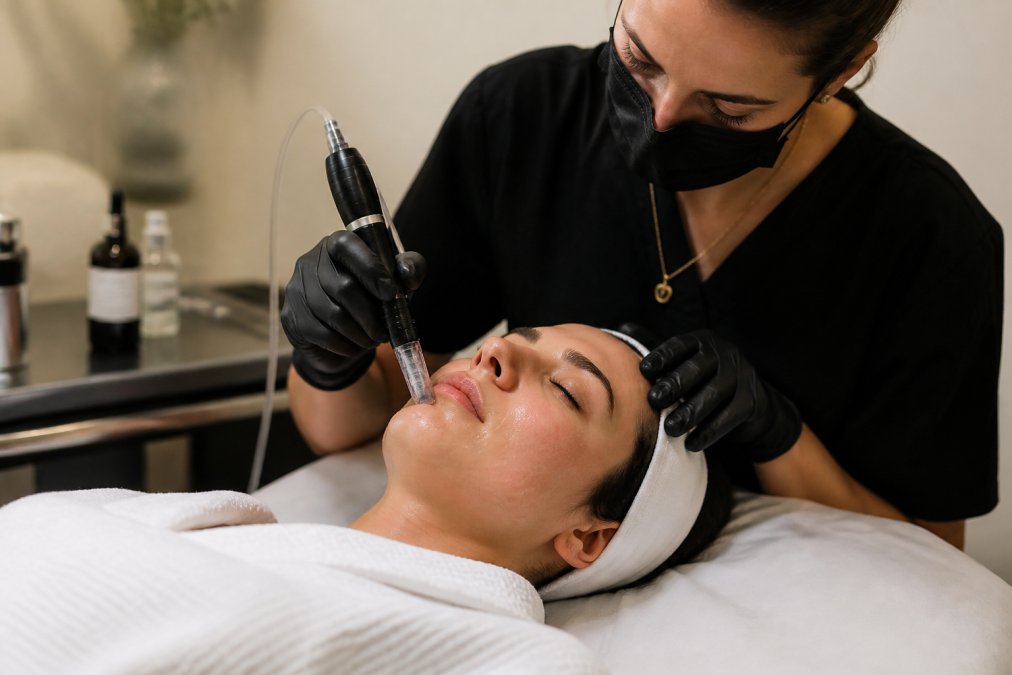
Upon arrival, your practitioner will cleanse your skin and apply topical anesthetic or numbing cream, typically working for 15-20 minutes. After assessing your skin and confirming treatment depth, the practitioner begins with gentle passes, gradually increasing pressure and depth as your skin acclimates. Devices operate at 80-200 passes per minute, creating a stamping sensation rather than dragging. After microneedling, your practitioner applies calming serum and may use red light therapy to support healing. The entire appointment concludes within 45-75 minutes.
Sensations and Comfort During the Procedure
Most patients describe mild to moderate discomfort rather than pain. With proper numbing, the experience feels like light scratching or prickling. Comfort depends on needle depth, pain tolerance, and numbing cream quality. Deeper treatments feel more intense than shallow ones. Most patients report the discomfort is manageable and significantly less than anticipated. After treatment, mild tenderness similar to light sunburn typically resolves within 24-48 hours.
Microneedling Aftercare: Recovery and Results Timeline
Recovery is straightforward with minimal downtime compared to aggressive treatments. Your immediate post-procedure care directly influences healing speed and final results.
Immediate Post-Procedure Care
In the first 24 hours, your skin is in active healing and requires gentle care. Avoid cleansing beyond rinsing with lukewarm water. Do not use active ingredients, exfoliants, retinoids, or vitamin C serums. Apply the post-procedure serum or moisturizer your clinic provides, and use broad-spectrum SPF 30 minimum. Avoid makeup for at least 24 hours. Do not exercise, use saunas, swim, or expose treated skin to excessive heat for 48 hours. Sleep with your head elevated and avoid touching or scratching your skin.
Day-by-Day Recovery Expectations
Day 1-2: Visible redness and mild swelling are normal. Skin may feel tight or tender like light sunburn. Continue gentle cleansing, hydrating serums, and sunscreen only.
Day 3-5: Redness fades, though patches may persist. Mild flaking or peeling indicates accelerating cellular turnover, resist exfoliating and allow natural shedding. Swelling typically resolves by day 4-5.
Week 2: Most visible signs resolve. Skin may feel slightly tender but you can gradually reintroduce gentle products. Wait until day 7-10 before reintroducing retinol or vitamin C. Continue daily SPF application.
Week 3-4: Skin looks largely normal. You can resume your full skincare routine. Results continue improving as collagen remodels.
Month 2-3: Most dramatic improvements appear. Fine lines soften, scars look less pronounced, skin tone evens, and texture and radiance improve noticeably.
The real magic of microneedling happens in weeks and months after your appointment. Patience with healing and commitment to sun protection and supportive skincare determine optimal results.
Microneedling Cost and Finding Treatment Near Me
Understanding pricing and selecting a qualified provider are crucial before scheduling your appointment.
Understanding Pricing and Session Packages
Microneedling pricing depends on treatment area size, specific concerns, needle depth, device type, and provider experience. For current pricing at Source Acupuncture’s microneedling services and package options, contact the clinic directly or visit their website for a consultation quote. Many clinics offer package pricing for multiple sessions, reducing per-session cost. Ask what’s included when scheduling, some providers include post-procedure serums or LED therapy, others charge separately. Insurance typically doesn’t cover cosmetic microneedling, though some clinics offer financing options.
How to Find a Qualified Provider
Prioritize finding a licensed, experienced practitioner in a clinical setting. Microneedling should only be performed by dermatologists, licensed estheticians under medical supervision, or other licensed healthcare providers trained in the procedure. Research credentials, read patient reviews, and ask about experience with your specific skin concern. A qualified practitioner conducts thorough consultation before scheduling, assessing skin type, medical history, and realistic expectations.
At Source Acupuncture in Pacific Beach, our licensed practitioners combine traditional healing wisdom with advanced techniques. We offer personalized consultations assessing whether microneedling aligns with your goals and whether combining it with complementary treatments like red light therapy would enhance results. Ask potential providers about post-procedure protocols, serums used, and complication handling. A reputable clinic has clear aftercare instructions, accessible support during recovery, and satisfied patients.
Number of Sessions and Long-Term Skin Health
A single session produces noticeable improvements, but multiple sessions spaced strategically yield dramatically better results.
Treatment Plans for Optimal Results
Most practitioners recommend 3-6 sessions spaced 4-6 weeks apart for optimal collagen remodeling. The exact number depends on your specific concerns, skin type, and treatment response. Fine lines typically require 3-4 sessions, while atrophic scarring benefits from 4-6 sessions. The interval between sessions is critical, waiting at least 4 weeks allows new collagen formation. Waiting longer than 8 weeks is acceptable but may slow progress.
| Treatment Goal | Recommended Sessions | Typical Interval | Timeline to Results |
|---|---|---|---|
| Fine lines & texture | 3-4 sessions | 4-6 weeks apart | 3-4 months |
| Moderate scarring | 4-5 sessions | 4-6 weeks apart | 4-6 months |
| Severe scarring | 5-6 sessions | 4-6 weeks apart | 6-9 months |
| Hyperpigmentation | 3-4 sessions | 4-6 weeks apart | 3-4 months |
| General skin rejuvenation | 3-4 sessions | 6 weeks apart | 4-5 months |
Your practitioner may recommend combining microneedling with red light therapy, which enhances collagen production, or topical serums containing hyaluronic acid, peptides, or growth factors to amplify healing response.
Maintenance and Ongoing Care
After completing your initial series, maintenance treatments sustain results. Most benefit from 1-2 annual sessions scheduled 6-12 months after final intensive treatment. Consistent sun protection is essential, use broad-spectrum SPF 30+ daily and reapply every two hours outdoors. Support collagen health through retinoids, vitamin C, peptides, and hyaluronic acid between appointments. Stay hydrated, manage stress, and prioritize sleep. At Source Acupuncture, our wellness membership program encourages consistent long-term care with deep discounts on services, making it easier to maintain results through regular treatments and complementary therapies.
Microneedling vs. Other Skin Resurfacing Options
Several treatments address similar concerns, each with distinct mechanisms, downtime, and suitability for different skin types.
Chemical peels use acids to dissolve outer skin layers. Light peels require minimal downtime but deliver subtle results. Medium peels cause visible peeling lasting 5-7 days with more dramatic results. Deep peels address severe sun damage and deep wrinkles but require extended recovery. Chemical peels work best on light skin and can trigger hyperpigmentation in darker tones.
Laser resurfacing uses focused light energy. Ablative lasers (CO2, erbium) remove the entire epidermis with dramatic results but require 1-2 weeks downtime and higher infection risk. Non-ablative lasers stimulate collagen without removing skin, requiring less downtime but delivering subtler results. Laser treatment can cause hypopigmentation or hyperpigmentation, particularly in darker skin.
Microneedling creates controlled micro-injuries stimulating collagen without removing skin or using chemical or thermal energy. Recovery is faster than ablative lasers or deep peels, most experience only 1-3 days visible redness. It’s safer for all skin types, including darker tones, because it doesn’t rely on heat or chemicals triggering pigmentation changes. Results develop gradually over months as collagen remodels.
Radiofrequency (RF) treatments heat the dermis to stimulate collagen without damaging the epidermis. Results appear gradually, similar to microneedling, but typically require fewer sessions (2-3 versus 4-6). RF works well for skin tightening and fine lines but is less effective for scarring. Cost is typically higher than microneedling.
For atrophic scarring, microneedling often outperforms other options. For fine lines and general rejuvenation, microneedling, RF, and non-ablative laser all work well. For severe sun damage or deep wrinkles, ablative laser or deep chemical peels may deliver better results, though they carry higher risks and longer recovery. When scheduling your appointment, discuss your specific concerns and skin type with your practitioner.
Common Mistakes to Avoid When Scheduling Your Appointment
Scheduling sessions too close together is the most frequent mistake. Waiting less than 4 weeks doesn’t allow adequate healing and collagen synthesis. Inadequate sun protection after treatment is critical, sun exposure during the first two weeks dramatically increases hyperpigmentation risk. Resuming active skincare too quickly damages healing skin; wait 7-10 days before returning to retinoids, vitamin C, or chemical exfoliants. Selecting an unqualified provider has lasting consequences, invest time researching credentials and experience. Expecting immediate dramatic results sets you up for disappointment; results develop gradually over 4-12 weeks. Finally, avoid treating microneedling as a one-time solution. Single sessions produce modest improvements; transformative results come from completing 3-6 sessions.
Achieving your skin transformation requires selecting a practitioner who understands your specific concerns and commits to a comprehensive treatment plan. Source Acupuncture in Pacific Beach combines advanced microneedling technology with personalized care and complementary therapies like red light therapy and specialized serums to maximize results. Our licensed practitioners conduct thorough consultations to assess your skin, set realistic expectations, and design a tailored treatment plan. Our flexible wellness membership program offers deep discounts on consistent treatments and follow-up care, making the multi-session approach affordable. Schedule your microneedling appointment today and take the first step toward healthier, more radiant skin.
Frequently Asked Questions
How should I prepare for my microneedling appointment?
Begin preparing 1-2 weeks before your appointment by avoiding sun exposure and discontinuing retinoids, vitamin C serums, and exfoliating products. Stop using any active skincare ingredients 3-5 days prior. On the day of treatment, arrive with clean skin free of makeup, sunscreen, and other products. Avoid alcohol and caffeine 24 hours before your session, as these can increase skin sensitivity and erythema. Wear loose, comfortable clothing to your appointment.
What is the typical recovery timeline after microneedling?
Most patients experience erythema (redness) and minor swelling for 24-48 hours post-treatment. By day 3-4, skin typically returns to normal appearance, though some sensitivity may persist. Avoid direct sun exposure for at least one week and use broad-spectrum sunscreen daily. Most people can return to regular activities within 1-2 days. Full results from collagen induction develop over 4-6 weeks as cellular turnover increases and new collagen forms in the dermis.
How many microneedling sessions do I need to see results?
Most treatment plans involve 3-6 sessions spaced 4-6 weeks apart for optimal results. Your specific number depends on your skin concerns, skin type, and treatment goals. Acne scarring and deeper skin texture issues typically require more sessions than fine lines or pore size reduction. Your practitioner will develop a customized treatment plan during your consultation and adjust based on your skin's response to each session.
Is microneedling safe for all skin types?
Microneedling is generally safe for most skin types when performed by a qualified professional in a clinical setting. However, skin tone variations and certain conditions require customized approaches. Those with active skin infections, severe acne, or certain medical conditions should consult with a healthcare provider first. A thorough consultation allows your practitioner to assess your individual skin health, discuss any contraindications, and create a treatment plan suited to your specific needs and concerns.
This article was written using GrandRanker