Table of Contents
- What Is Cupping and How It Works for Athletes
- 7 Evidence-Based Benefits of Cupping for Athletes
- 1. Enhanced Blood Circulation and Oxygen Delivery
- 2. Accelerated Muscle Recovery and Tissue Repair
- 3. Reduction of Muscle Tension and Trigger Points
- 4. Inflammation Management and Metabolic Waste Removal
- 5. Improved Range of Motion and Flexibility
- 6. Non-Invasive Injury Prevention
- 7. Support for Athletic Performance and Endurance
- Types of Cupping Therapy for Sports Recovery
- Cupping Therapy for Muscle Recovery: Protocols by Sport
- How Long Should Cupping Therapy Last for Athletes
- Understanding Cupping Marks: What They Mean for Athletes
- Professional vs. DIY Cupping: What Athletes Should Know
- Integrating Cupping with Other Recovery Modalities
Last Updated: July 14, 2026
What Is Cupping and How It Works for Athletes
Cupping therapy involves creating suction on the skin using specialized cups, which draws blood to the surface and stimulates underlying tissues. This ancient practice, rooted in traditional Chinese medicine, has evolved into a sophisticated recovery tool that elite athletes use to accelerate healing and improve performance. The suction increases blood flow to targeted areas, delivering oxygen and nutrients to stressed muscles while reducing inflammation that follows intense physical activity.
The Science Behind Suction Therapy
Cupping creates negative pressure that draws blood toward the surface, triggering vasodilation and widening blood vessels to increase circulation. Oxygen-rich blood reaches areas of muscle tension and inflammation, while metabolic waste products like lactic acid are transported away more efficiently. Research from the National Center for Complementary and Integrative Health indicates that cupping activates the parasympathetic nervous system, responsible for recovery and repair processes.
Cupping also creates micro-trauma in tissue, signaling the body to initiate repair mechanisms. This controlled response accelerates cellular regeneration and collagen production, critical factors in muscle recovery and injury prevention. The circular marks cupping leaves are evidence of this therapeutic process, not bruises.
7 Evidence-Based Benefits of Cupping for Athletes
1. Enhanced Blood Circulation and Oxygen Delivery
Improved blood circulation is the most direct benefit of cupping. The suction pulls blood to the surface, dramatically increasing oxygen delivery to muscles deprived during intense training. This enhanced circulation continues for hours after a session, extending recovery benefits well beyond the appointment. Practitioners recommend cupping within 24-48 hours after intense training to maximize this benefit when muscles are most receptive to healing.
2. Accelerated Muscle Recovery and Tissue Repair
Cupping accelerates muscle recovery by stimulating blood flow and activating the body’s natural repair mechanisms. When cupping creates controlled inflammation through suction, it signals fibroblasts to increase collagen production, the structural protein that gives muscles strength and elasticity. Athletes who use cupping regularly recover faster between training sessions, maintaining higher training volume and intensity.
Schedule cupping sessions 24-48 hours after your most intense training days, not immediately before competition.
3. Reduction of Muscle Tension and Trigger Points
Cupping directly addresses trigger points, localized areas of extreme tightness, by drawing fresh blood to contracted tissue and mechanically releasing tension patterns. The suction pulls muscle fibers apart gently, breaking the cycle that causes trigger points to persist. Many athletes report improved movement quality and reduced pain immediately after cupping.
4. Inflammation Management and Metabolic Waste Removal
Cupping helps regulate inflammation by improving lymphatic drainage, the system responsible for removing inflammatory compounds from tissue. The suction stimulates lymphatic vessels to move stagnant fluid away from the treatment area more efficiently. Athletes using cupping report less soreness 48-72 hours after training compared to those using other recovery methods.
Cupping is most effective for inflammation management when used within 24-48 hours after training, during the window when metabolic waste is still mobile and can be effectively drained from tissue.
5. Improved Range of Motion and Flexibility
Cupping improves flexibility by releasing muscle tension, improving tissue elasticity, and reducing stiffness from training stress. The mechanical action of suction stretches muscle fibers and fascia, while increased blood flow delivers nutrients that improve tissue elasticity. Athletes notice improved range of motion immediately after a session and continued improvements over subsequent days.
6. Non-Invasive Injury Prevention
Cupping serves as a non-invasive injury prevention tool by maintaining tissue health, improving circulation, and addressing minor tension patterns before they develop into serious injuries. Athletes who use cupping regularly tend to have fewer overuse injuries because they’re addressing muscular imbalances proactively. The non-invasive nature makes it ideal for regular maintenance without downtime.
7. Support for Athletic Performance and Endurance
All recovery benefits serve one purpose: improving athletic performance. When athletes recover faster and more completely, they can train harder and more consistently. Athletes using cupping as part of their recovery protocol report improved endurance capacity and better competition performance. The cumulative effect of improved recovery compounds into measurable performance improvements over weeks and months.
Types of Cupping Therapy for Sports Recovery
Dry Cupping vs. Wet Cupping for Athletes
Dry cupping uses suction alone to create the therapeutic effect. A practitioner applies cups and uses hand pumps or fire to create negative pressure. This method is clean, consistent, and allows precise control over suction intensity. Most athletes prefer dry cupping because it’s straightforward and requires no additional recovery time.
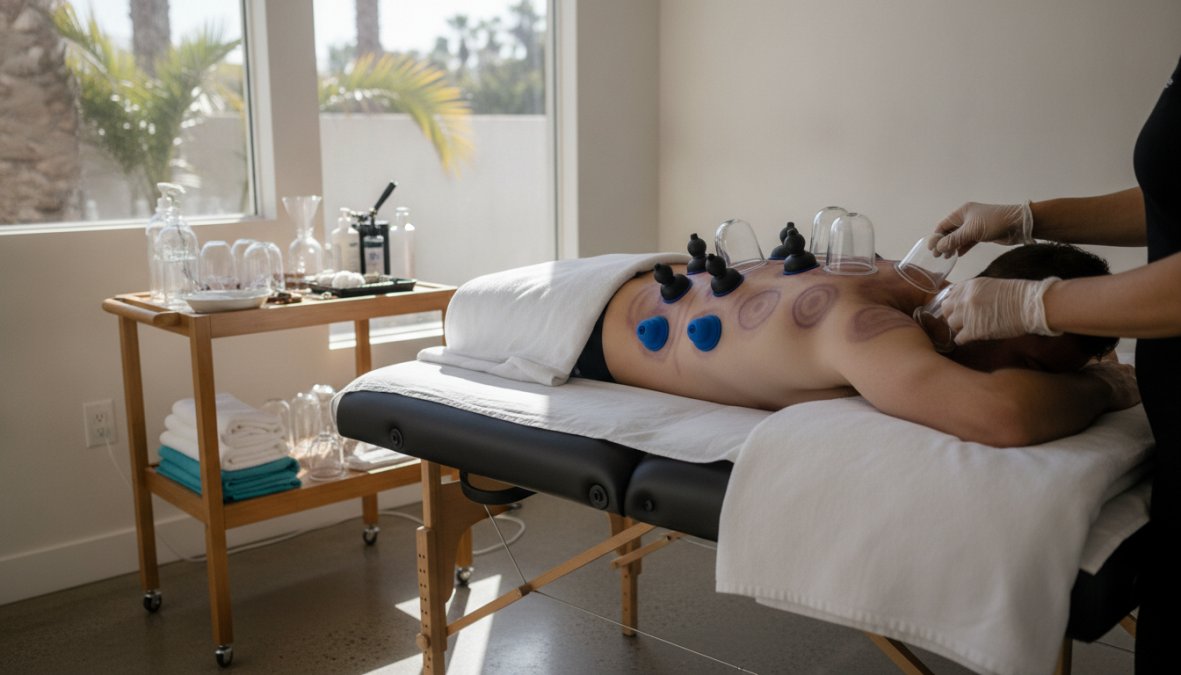
Wet cupping involves creating small incisions before applying cups, allowing a small amount of blood to be drawn out. This method requires longer recovery time and carries higher infection risk if not performed in a sterile environment. Dry cupping accomplishes similar results for most athletic applications without additional complexity.
Wet cupping requires professional medical-grade sterile technique. Ensure your practitioner is licensed and uses single-use, sterile equipment.
Fire Cupping, Silicone, and Pump Cupping Methods
Fire cupping uses heat to create suction as the air inside the cup cools. This method is highly effective for deep muscle tension but requires skill to control suction intensity. Silicone cups are flexible and allow practitioners to control suction manually, offering excellent control and comfort. Pump cupping uses hand-operated or electric pumps to create precise, measurable suction levels, often preferred in clinical settings.
| Cupping Method | Suction Control | Comfort Level | Best For | Recovery Time |
|---|---|---|---|---|
| Fire Cupping | Moderate | Variable | Deep tension | Minimal |
| Silicone Cups | Excellent | High | Most athletes | Minimal |
| Pump Cupping | Precise | High | Clinical settings | Minimal |
| Wet Cupping | Moderate | Lower | Severe inflammation | 3-5 days |
Cupping Therapy for Muscle Recovery: Protocols by Sport
Post-Workout Timing and Session Duration
The ideal window for cupping is 24-48 hours after intense training, when inflammation is elevated but before the acute inflammatory phase has fully resolved. A typical session lasts 15-30 minutes, with 20-25 minutes optimal for most athletes. Longer sessions don’t necessarily provide better results; excessive suction can create unnecessary tissue damage.
During heavy training phases, athletes benefit from cupping once per week. During competition season, reduce frequency to every two weeks to avoid interfering with competition preparation. The goal is supporting recovery without adding additional stress.
Sport-Specific Recovery Protocols
Distance Running: Runners accumulate tension in the calves, quadriceps, and IT band. Cupping the lower leg and thigh 24-48 hours after long runs helps maintain mobility. Weekly cupping during base-building phases and bi-weekly during peak training is common.
Weightlifting: Weightlifters experience localized tension in the upper back, shoulders, and arms. Cupping after heavy pressing days maintains shoulder mobility and prevents chronic tightness. Frequency of 1-2 times per week is standard.
Team Sports: Soccer, basketball, and football players benefit from cupping the lower body after high-intensity training. These sports create significant eccentric loading, making cupping particularly effective for managing soreness.
Swimming: Swimmers experience chronic shoulder tension from repetitive overhead motion. Cupping the shoulders and upper back 24-48 hours after intense sessions maintains mobility and prevents impingement issues. Weekly cupping during heavy training phases is standard.
How Long Should Cupping Therapy Last for Athletes
Session Length and Treatment Frequency
A single cupping session provides immediate benefits, improved circulation, reduced tension, and better range of motion, that typically last 24-72 hours. However, the most significant benefits emerge from consistent, repeated sessions over weeks and months. Most athletes benefit from weekly cupping during heavy training phases. During lighter training or competition season, bi-weekly cupping maintains benefits while reducing intervention frequency.
Treatment frequency should decrease as training volume decreases. An athlete in peak training might use cupping twice per week, while the same athlete during off-season might use it once per month for maintenance.
Recovery Timeline and Expected Results
Athletes typically notice immediate improvements in range of motion and muscle tension relief within the first session. Pain reduction becomes apparent 24-48 hours after treatment as inflammation decreases. Cumulative benefits, improved recovery speed, reduced soreness, better performance, emerge over 4-6 weeks of consistent treatment.
Long-term benefits accumulate over months. Athletes who maintain consistent cupping throughout training seasons report fewer injuries, faster recovery between sessions, and improved performance compared to previous seasons.
Understanding Cupping Marks: What They Mean for Athletes
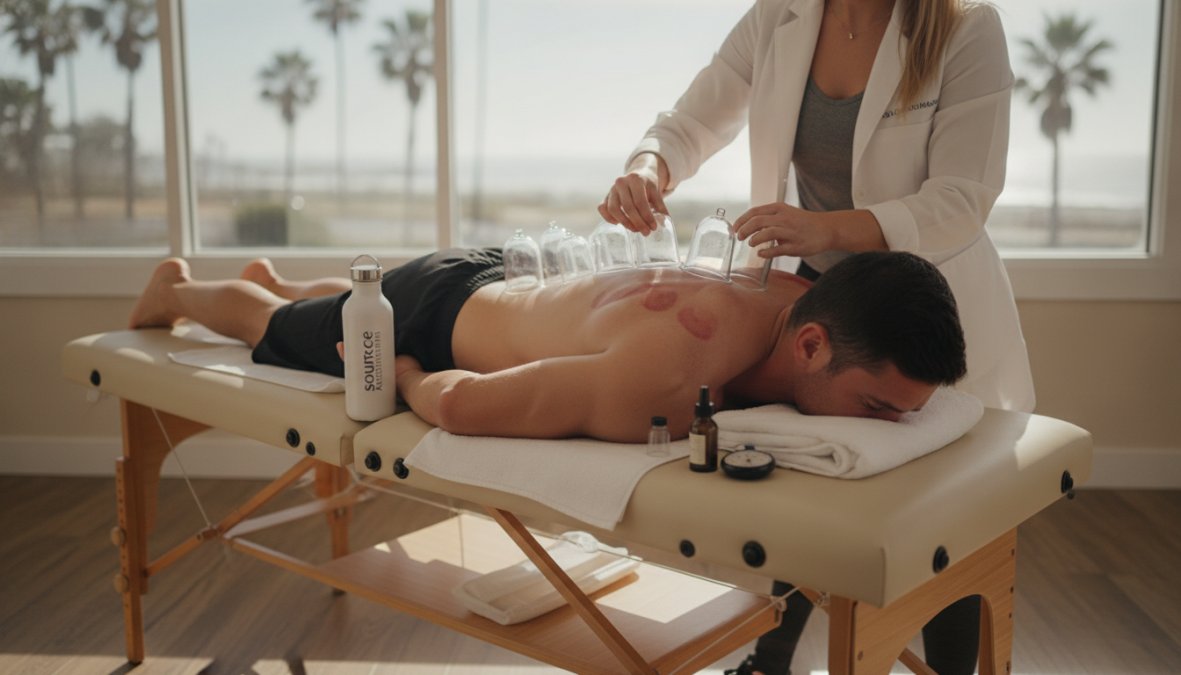
Why Cupping Leaves Marks (Ecchymosis)
Cupping marks result from bringing blood to the surface through suction. The medical term is ecchymosis, which simply means discoloration caused by bleeding under the skin. These marks are not bruises caused by trauma; they’re evidence that cupping successfully increased blood flow. Mark intensity depends on suction strength, duration, skin sensitivity, and underlying tissue condition. Dehydrated athletes tend to mark more easily because their tissues are less resilient.
Mark Color and What It Indicates About Tissue Health
Light pink or red marks indicate healthy tissue with good circulation. Dark purple or black marks indicate more significant circulation compromise or tissue congestion, common in athletes with chronic muscle tension or previous injury. Very light marks or no marks can indicate either excellent baseline circulation or insufficient suction.
How Long Marks Last and Fade Timeline
Most cupping marks fade within 5-7 days. Some athletes see marks fade within 3-4 days, while others with more delicate skin might have marks persist for 10-14 days. Athletes concerned about marks before competition should schedule cupping at least 7-10 days before events where appearance matters.
Professional vs. DIY Cupping: What Athletes Should Know
When to Seek Professional Cupping Services
Professional cupping offers significant advantages. Licensed practitioners have extensive training in anatomy, tissue assessment, and treatment protocols. They can identify which areas need treatment, adjust suction intensity based on tissue response, and integrate cupping into a comprehensive recovery plan. Professionals can also perform moving cupping, where cups are applied with oil and moved across muscle groups to address larger areas of tension.
For athletes with significant muscle tension, chronic injuries, or complex recovery needs, professional cupping is worth the investment. Source Acupuncture offers personalized assessment and treatment protocols designed specifically for athletic recovery.
Safety Considerations and Contraindications
Cupping is generally safe for most athletes, but certain conditions warrant caution. Athletes with active infections, fever, or acute inflammatory conditions should avoid cupping until these resolve. Avoid cupping over broken skin, sunburned areas, or recent surgical sites. Pregnant athletes should consult their healthcare provider before beginning cupping.
Athletes taking blood thinners or with bleeding disorders should inform their practitioner before treatment. Proper technique prevents most adverse effects; excessive suction or overly long sessions can cause unnecessary tissue damage.
Never attempt cupping if you have active skin infections, are taking blood thinners, or have undiagnosed pain in the treatment area. Consult your healthcare provider before beginning cupping if you have bleeding disorders or vascular conditions.
Integrating Cupping with Other Recovery Modalities
Combining Cupping with Myofascial Release and Physical Therapy
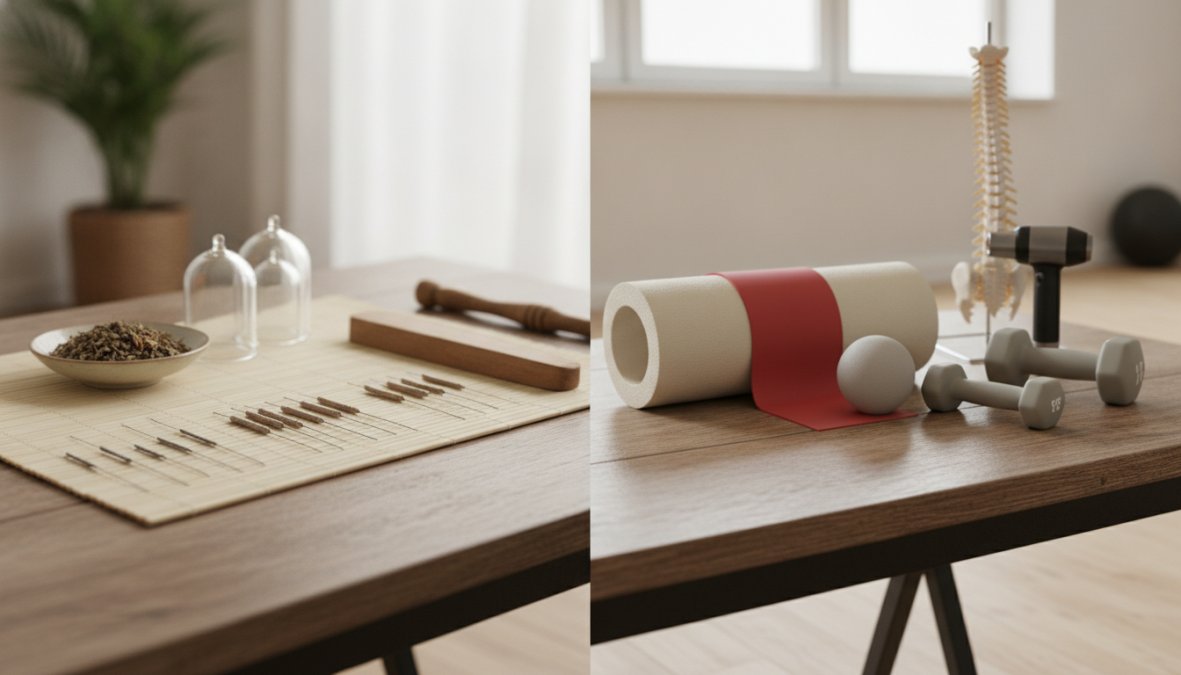
Cupping and myofascial release serve complementary purposes. Myofascial release addresses tension through mechanical pressure, while cupping addresses tension through suction and increased blood flow. Using both modalities in sequence, foam rolling followed by cupping 24-48 hours later, provides comprehensive tissue treatment.
Physical therapy exercises address movement quality and muscular imbalances. Cupping supports physical therapy by improving tissue quality and range of motion, making therapeutic exercises easier to perform with proper form.
Cupping as Part of a Complete Athletic Recovery Plan
A complete recovery plan includes sleep, nutrition, hydration, active recovery, stretching, strength training, and strategic recovery modalities like cupping. Cupping is most effective when the athlete addresses these other factors. The most effective approach sequences different recovery modalities strategically: prioritize sleep and nutrition immediately after training, use cupping within 24-48 hours, maintain mobility through stretching and foam rolling, and promote circulation through active recovery on lighter training days.
This integrated approach ensures each recovery intervention supports the others. Cupping improves tissue quality, stretching maintains mobility, sleep enables repair, and nutrition provides building blocks for adaptation. Athletes who coordinate all these elements see superior recovery and performance.
Cupping therapy for athletes represents a bridge between traditional healing wisdom and modern sports science. Consistent cupping supports faster recovery, injury prevention, and improved performance when integrated into a comprehensive recovery strategy. Source Acupuncture specializes in personalized cupping protocols tailored to your sport and training phase. Our licensed practitioners work with athletes across all sports to design recovery plans that accelerate adaptation and keep you performing at your peak. Research from the Journal of Athletic Training confirms that athletes using structured recovery protocols including soft tissue therapies report significantly faster return to training intensity. Book your cupping session with Source Acupuncture today and experience how strategic recovery accelerates your athletic development.
Frequently Asked Questions
What does cupping do for athletes and how does it improve performance?
Cupping therapy enhances blood circulation to deliver oxygen and nutrients to muscle tissue, reducing metabolic waste and supporting faster recovery. For athletes, this means decreased muscle soreness, improved range of motion, and better preparation for subsequent training. By addressing musculoskeletal pain and inflammation, cupping supports both immediate post-workout recovery and long-term injury prevention, helping athletes maintain peak athletic performance.
How long should cupping therapy last for optimal muscle recovery?
Most professional cupping sessions for athletes last 15-20 minutes, though this varies based on the area treated and individual tolerance. Athletes typically benefit from cupping 1-3 times per week during heavy training periods, with sessions spaced 48-72 hours apart to allow tissue adaptation. Recovery results often appear within 3-5 sessions, though cumulative benefits develop over 4-6 weeks of consistent treatment as cellular repair and vasodilation improve nutrient delivery.
What do cupping marks mean and how long do they last?
Cupping marks (ecchymosis) indicate increased blood flow to the treated area, darker marks suggest more stagnation of metabolic waste or tissue restriction, while lighter marks indicate better circulation. These marks are not bruises but evidence of therapeutic vasodilation. Mark intensity varies by individual; they typically fade within 3-7 days but can persist 1-2 weeks depending on suction intensity and skin sensitivity. Marks do not indicate treatment success or failure.
Is professional cupping therapy better than DIY cupping for athletes?
Professional cupping from licensed practitioners is recommended for athletes because trained therapists assess tissue condition, apply appropriate suction levels, and integrate cupping with myofascial release and physical therapy. DIY cupping carries risks of over-suctioning, incorrect placement, and missing contraindications. Professional sessions at wellness centers like Source Acupuncture combine cupping with personalized recovery protocols tailored to your sport, injury history, and performance goals, maximizing therapeutic benefit and injury prevention.
This article was written using GrandRanker