You’ve probably seen the photos. Dark circular marks across someone’s back and immediately your brain went, ‘That looks painful!’. So naturally, you ran to Google and wanted to know if it hurts. Well, that’s a totally fair concern.
After all, anything that leaves visible marks you cannot take lightly. But what it looks like and what it feels like are two very different things. Before you decide it’s too intense, let’s unpack what’s actually happening.
Understanding Cupping Therapy
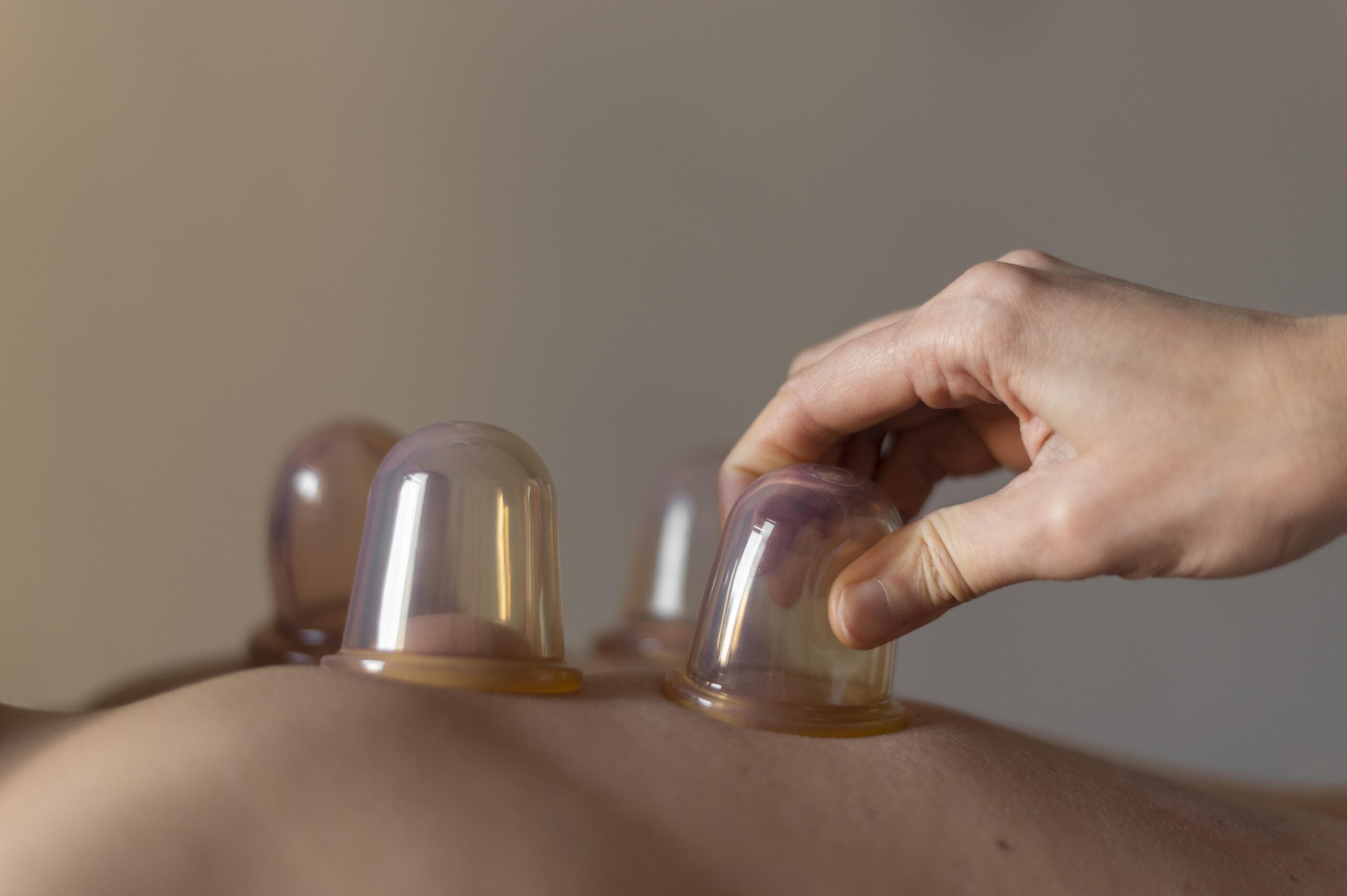
Cupping therapy sounds intense until you realize how simple it is. Cups go on the skin. Suction pulls the tissue upward. That’s it. No needles. No scraping. Just controlled negative pressure doing the work.
The idea behind it is straightforward. When you lift tissue instead of pressing into it, blood moves differently. Circulation increases in that spot. The body notices and sends oxygen and nutrients to help tight or overworked muscles recover.
This isn’t a trendy invention. This is a complimentary healthcare practice that goes back thousands of years, rooted in Middle Eastern and Chinese medicine. People used it long before recovery tools had fancy names.
The cups look more modern now. The principle hasn’t changed. In modern settings, cupping is often used for;
- Muscle soreness
- Chronic tightness
- Areas that feel stuck or overworked
You’ll see it used by athletes pushing hard in physical training, regular gym-goers dealing with tight muscles, and office workers who spend hours hunched over a screen with tension parked in their shoulders or lower back. The goal isn’t aesthetics. It’s performance and relief.
In active communities like Southern California, particularly in San Diego clinics, it’s become a standard part of recovery routines. People invest in treatments that improve circulation and mobility or flush out toxins from the body without medication or invasive procedures.
Once you realize the cups are decompressing tissue rather than “damaging” it, the whole thing starts to make more sense.
Does Cupping Hurt?
The answer is no!
When people think about cupping, they usually expect it to hurt. But that’s not how it plays out. In fact, cupping therapy should not be painful. Most people describe the sensation as firm pressure and tightness as the skin lifts into the cup.
If you’ve been wondering what does cupping feel like, the closest comparison is deep tissue massage or stretching a stiff area. It can feel intense over sore muscles, but it isn’t stabbing or burning.
The cupping pain level varies based on:
- Skin sensitivity
- Suction strength
- How tight the muscle is
Most adjust within seconds as the body settles.
After the cups are removed, mild redness or tenderness is normal. It’s temporary and part of the body’s response to increased circulation.
Types of Cupping and Their Pain Levels
Here’s what most people get wrong; they hear one story and assume all cupping feels the same. It doesn’t. The technique changes everything. Pressure, warmth, movement, even how long the sensation lingers afterward.
Some methods sit still and build intensity while others move and feel almost like a rolling stretch. The experience depends less on the cups themselves and more on how they’re used.
| Types of Cupping | Technique | Sensation Level | Common Use |
| Dry Cupping | Suction cups placed and left stationary | Mild to moderate tightness | Muscle relaxation |
| Wet Cupping | Small incisions before suction | Slight sting, more intense | Detox-focused treatments (less common) |
| Fire Cupping | Heated air inside cups creates suction | Warm, pulling feeling | Traditional method |
| Massage Cupping | Cups glide across oiled skin | Gentle, rolling pressure | Tension relief, circulation support |
The difference between massage cupping vs dry cupping is simple but important. Dry cupping stays planted. The pressure builds in one spot.
Massage cupping moves, which spreads the sensation and usually feels lighter. So when someone says cupping was intense, ask which type. The method tells the real story.
What to Expect During a Cupping Session?
You don’t just lie down and get cups thrown on your back. It starts with a conversation. The therapist asks what’s tight, what’s been bothering you, how active you are, whether your skin bruises easily. It’s quick, but it matters because suction strength isn’t random.
Then they clean the area and decide where the cups should go. Placement is intentional. Tight shoulders get treated differently than a stiff lower back.
The cups go on and create suction. The first few seconds feel strange. Your skin lifts. There’s tightening. Then your body adjusts.
Most cups stay in place for 5–15 minutes. During that time, you’ll likely feel:
- Steady pressure
- A pulling sensation
- Warmth building under the cup
When the cups come off, the area can feel lighter, almost decompressed. Sometimes the therapist follows with light massage or oil to calm the skin.
Quick tip:
If it feels too strong, say it. Use numbers. “That’s a 6.” Ask for less suction. It’s adjustable. You’re not supposed to power through discomfort.
Aftercare and Recovery Tips
Once the cups come off, you’ll likely notice circular marks on the treated areas. These red to purple spots are a normal reaction to suction and increased circulation. They aren’t impact bruises. The color usually reflects how tight or restricted the tissue was before treatment.
The best cupping marks explanation is: darker marks often show up where tension was deeper. Lighter ones suggest less congestion. Most fade within a few days, though some can linger up to a week depending on your skin and circulation.
To support recovery, follow these simple after cupping care tips:
- Drink plenty of water
- Avoid intense workouts the same day
- Skip hot showers or heat exposure right away
- Keep the area clean
Like any body treatment, mild cupping side effects can occur. Temporary tenderness, slight fatigue, or surface sensitivity are normal and typically short-lived. So, if needed, apply aloe gel or a light, fragrance-free moisturizer to calm sensitivity.
Reach out to your provider if you notice:
- Increasing pain
- Swelling
- Blistering, or
- Ongoing irritation.
Mild tenderness is normal. Escalating discomfort is not.
Benefits Beyond the Initial Sensation
The first few seconds of suction can catch you off guard. You might experience some mild discomfort. Then something shifts. The tightness softens. The body stops resisting. That small moment of intensity often turns into relief.
This is where cupping therapy benefits become clear. Once circulation improves and muscle tension softens, the body responds. Many report:
- Reduced pain in stubborn areas that haven’t responded to stretching or massage
- Faster muscle recovery after workouts
- A noticeable drop in stress levels as the nervous system settles
A licensed therapist / acupuncturist in San Diego once put it plainly: “The suction creates space in tissue that’s been compressed for months. Once pressure is relieved, the body responds quickly.” That response is why many include it among natural pain relief therapies instead of relying solely on medication.
Results vary. Some people feel immediate lightness in the treated area. Others notice gradual improvement over the next 24–48 hours as circulation continues to improve. The initial intensity fades. What tends to stay is the relief.
Is Cupping Right For You?
Cupping makes sense when tension keeps coming back and stretching alone isn’t solving it. It’s commonly helpful for:
- Athletes needing faster muscle recovery
- Office workers with tight neck, shoulders, or lower back
- People managing ongoing muscle tension or stiffness
- Anyone looking to improve circulation without medication
It’s not appropriate for everyone. Speak with a doctor first if you have:
- Bleeding disorders
- Very fragile or damaged skin
- Certain chronic medical conditions
- Pregnancy concerns
If you’re considering cupping therapy in San Diego, choose a licensed wellness center or clinic with trained practitioners and strict hygiene standards. That will guarantee you of proper assessment, a more comfortable, controlled, and adjustable cupping session.
Try Cupping Therapy in San Diego
Curious about cupping therapy? Visit Source Family Acupunture in San Diego, near Balboa Park and Mission Beach, for professional cupping sessions tailored to your needs. With San Diego’s mild climate, it’s the perfect spot to relax and recover.
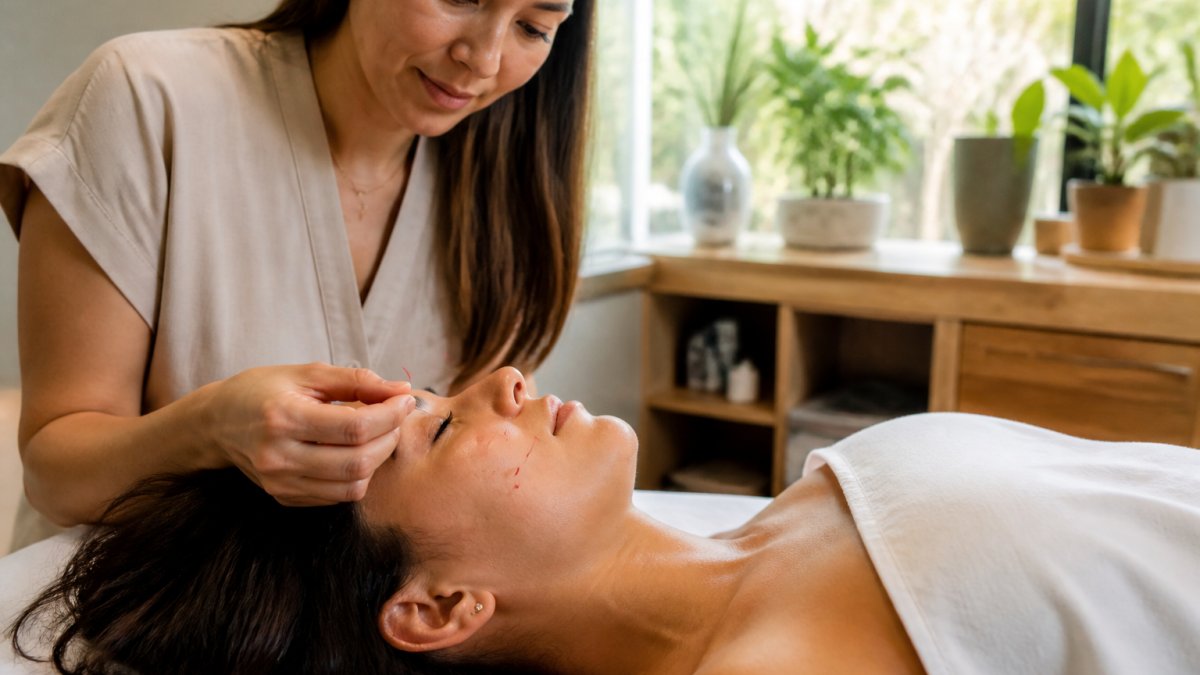
We also offer complementary services like Acupuncture, Sports Acupuncture, and Red Light Therapy to enhance your recovery. Every session begins with an assessment to ensure your comfort and safety.
Book a consultation today and discover how cupping and our other therapies can support your wellness journey.