Table of Contents
- 1. Prioritize Hydration and Water Intake
- 2. Support Collagen Synthesis Through Dietary Protein and Supplements
- 3. Protect Skin From UV Damage and Photoaging
- 4. Apply Retinoids and Topical Antioxidants for Cellular Turnover
- Foods That Increase Skin Elasticity
- Benefits of Microneedling for Skin Texture and Elasticity
- Does Acupuncture Help With Skin Elasticity
- Manage Stress and Cortisol to Preserve Skin Firmness
Last Updated: August 25, 2026
7 Natural Ways to Improve Skin Elasticity
Skin elasticity declines naturally with age, but the process isn’t inevitable. According to dermatological research on collagen degradation, collagen synthesis slows by approximately 1% annually after age 20, yet targeted interventions can meaningfully slow this decline. This guide from Source Acupuncture covers seven science-backed natural approaches to improve skin elasticity, methods that address the underlying biology of skin firmness rather than masking surface symptoms.
The strategies below target collagen production, skin hydration, cellular turnover, and the hormonal and lifestyle factors that accelerate aging. Combining several approaches yields better results than relying on any single intervention.
1. Prioritize Hydration and Water Intake
Skin elasticity depends on adequate hydration at the cellular level. When the dermis lacks sufficient water, the skin loses plumpness and becomes prone to sagging. Proper hydration supports the skin barrier and allows collagen and elastin fibers to maintain their structural integrity.
Drinking water alone isn’t enough; you must also prevent water from evaporating out of the skin. The epidermis contains lipids and ceramides that seal moisture in. When these are compromised, hydration efforts fail regardless of water intake.
Practical steps:
- Drink 8-10 glasses of water daily, adjusted for activity level and climate
- Apply hydrating serums with hyaluronic acid immediately after cleansing while skin is still damp
- Use a ceramide-rich moisturizer to reinforce the skin barrier
- Avoid excessive hot water, which strips natural oils
- Consider a humidifier in dry environments
Noticeable improvements in skin plumpness appear within 2-3 weeks of consistent hydration practices. Deeper elasticity improvements take 6-8 weeks as new collagen synthesis responds to improved cellular conditions.
If your skin feels tight and dehydrated despite drinking water, the problem is usually barrier function, not intake. Switch to a barrier-repair moisturizer with ceramides and niacinamide before increasing water consumption.
2. Support Collagen Synthesis Through Dietary Protein and Supplements
Collagen comprises roughly 70% of skin’s dry weight. Your body cannot use collagen from food directly; it must be broken down into amino acids and reassembled. Specific amino acids (glycine, proline, and hydroxyproline) are preferentially used for collagen synthesis when available.
Collagen supplements (hydrolyzed collagen peptides) are pre-broken-down proteins that may enhance amino acid availability for skin-specific synthesis. Some studies show modest improvements in skin elasticity after 8-12 weeks of consistent supplementation. If you’re not eating adequate protein, supplementation won’t compensate. Start with dietary sources first.
Practical protein sources for collagen support:
- Bone broth (contains collagen and gelatin directly)
- Fatty fish (salmon, mackerel, sardines)
- Chicken skin and connective tissue
- Legumes and eggs
For supplementation, hydrolyzed collagen peptides dissolve easily in beverages. Typical dosing is 10-20 grams daily. Most users report noticeable skin texture improvements after 12 weeks of consistent use.
Collagen synthesis requires adequate protein intake PLUS vitamin C, copper, and iron. Supplementing collagen without addressing nutritional gaps elsewhere will deliver suboptimal results.
NIH research on amino acid requirements for collagen synthesis
3. Protect Skin From UV Damage and Photoaging
UV radiation is the single largest modifiable factor in premature skin aging. Photoaging damages collagen and elastin fibers through free radical generation and direct protein cross-linking. Unlike chronological aging, photoaging is largely preventable.
UV-A penetrates deep into the dermis and generates reactive oxygen species that attack collagen molecules, creating abnormal cross-links that make collagen stiff and less functional. Over time, the skin loses elasticity because existing collagen becomes damaged and inflexible.
Broad-spectrum SPF 30 blocks 97% of UVB rays; SPF 50 blocks 98%. Consistency and reapplication matter far more than the number itself.
Sun protection practices:
- Apply broad-spectrum SPF 30 or higher daily, even on cloudy days
- Reapply every 2 hours if outdoors, or immediately after swimming
- Use 1/4 teaspoon for the face
- Wear protective clothing, hats, and sunglasses during peak UV hours (10 AM-4 PM)
- Seek shade when possible
The benefit of sun protection is prevention. You won’t see elasticity improvements within weeks, but sun protection prevents further damage while other interventions address existing damage.
4. Apply Retinoids and Topical Antioxidants for Cellular Turnover
Retinoids (vitamin A derivatives) have strong evidence for improving skin elasticity. They stimulate collagen synthesis, accelerate cellular turnover, and neutralize free radicals that damage existing collagen.
Retinoids bind to retinoid receptors in skin cells, triggering increased production of collagen and elastin. They also increase the rate at which old skin cells are shed and replaced, improving elasticity by promoting cellular renewal.
Common retinoid options include retinol, retinaldehyde, and prescription retinoids like tretinoin. Retinol is the most accessible over-the-counter option. Start with a low concentration (0.25-0.3%) and use 2-3 times weekly initially, gradually increasing frequency as skin adapts. Retinoids increase sun sensitivity, so SPF use becomes non-negotiable.
Antioxidants work synergistically with retinoids by neutralizing free radicals. Vitamin C (L-ascorbic acid), vitamin E, and ferulic acid are particularly effective. Research shows that topical vitamin C improves skin firmness when used consistently over 12 weeks.
Practical application:
- Use retinoid 2-4 times weekly initially; increase frequency as tolerated
- Apply to clean, completely dry skin
- Wait 20 minutes before applying other products
- Use broad-spectrum SPF 30+ daily without exception
- Combine with hydrating serums to minimize irritation
- Results appear within 6-8 weeks; significant improvements take 3-4 months
Retinoids cause temporary redness, flaking, and increased sun sensitivity. This is normal. If you experience severe irritation, reduce frequency or switch to a lower concentration. Do not use retinoids during pregnancy without consulting a healthcare provider.
Foods That Increase Skin Elasticity
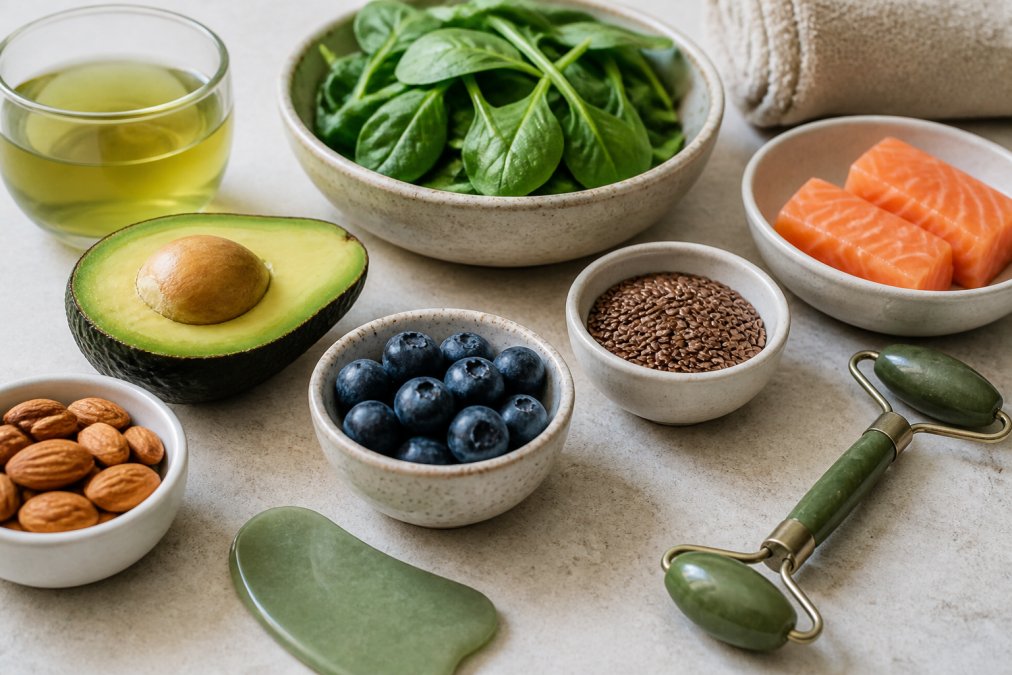
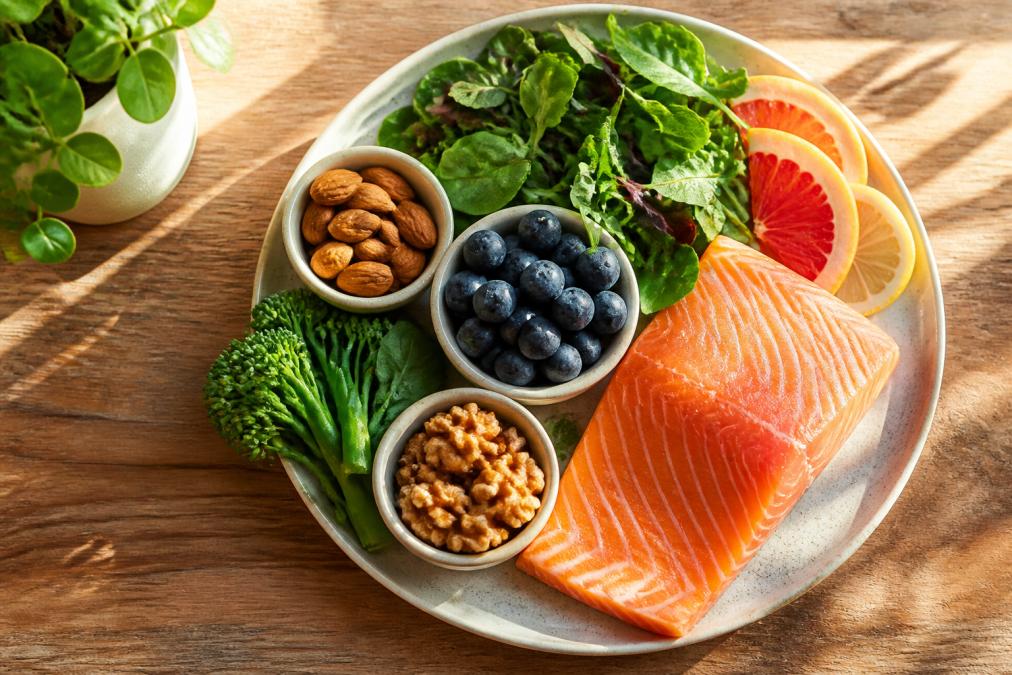
Skin elasticity is built from the inside through nutrient-dense foods. Certain nutrients directly support collagen synthesis, protect against oxidative stress, and maintain skin barrier function.
Omega-3 fatty acids reduce inflammation and support the skin barrier. Fatty fish (salmon, mackerel, sardines) contain EPA and DHA, the most bioavailable omega-3 forms. Plant sources like flaxseeds and walnuts contain ALA, which must be converted to EPA/DHA, a less efficient process.
Vitamin C-rich foods support collagen synthesis. The enzyme that cross-links collagen requires vitamin C as a cofactor. Citrus fruits, berries, leafy greens, and bell peppers are excellent sources.
Polyphenol-rich foods provide antioxidants that protect collagen from oxidative damage. Berries, dark chocolate, green tea, and red wine contain anthocyanins and resveratrol, compounds that neutralize free radicals and reduce inflammation.
Protein-rich foods provide amino acids for collagen synthesis. Eggs, legumes, poultry, and dairy contain the full spectrum of amino acids needed. Bone broth is particularly valuable because it contains collagen and gelatin directly, plus minerals like silicon and copper that support collagen cross-linking.
Practical dietary approach:
- Eat fatty fish 2-3 times weekly
- Include a variety of colorful vegetables and berries daily
- Consume adequate protein at each meal (25-30 grams)
- Drink bone broth 2-3 times weekly or use collagen peptides daily
- Limit added sugars, which accelerate glycation
Expect noticeable skin improvements within 8-12 weeks of consistent dietary changes, with more significant improvements over 3-6 months.
Benefits of Microneedling for Skin Texture and Elasticity
Microneedling creates controlled micro-injuries to the skin, triggering the body’s natural wound-healing response and stimulating collagen and elastin production far more aggressively than topical treatments alone.
Fine needles create channels through the epidermis and into the dermis, triggering the release of growth factors and activating fibroblasts, the cells responsible for collagen synthesis. Over the following weeks, these fibroblasts produce new collagen and elastin fibers, improving skin texture, reducing fine lines, and increasing firmness. tighten sagging skin.
Microneedling is particularly effective for skin laxity and loss of elasticity because it directly stimulates the structural proteins responsible for firmness.
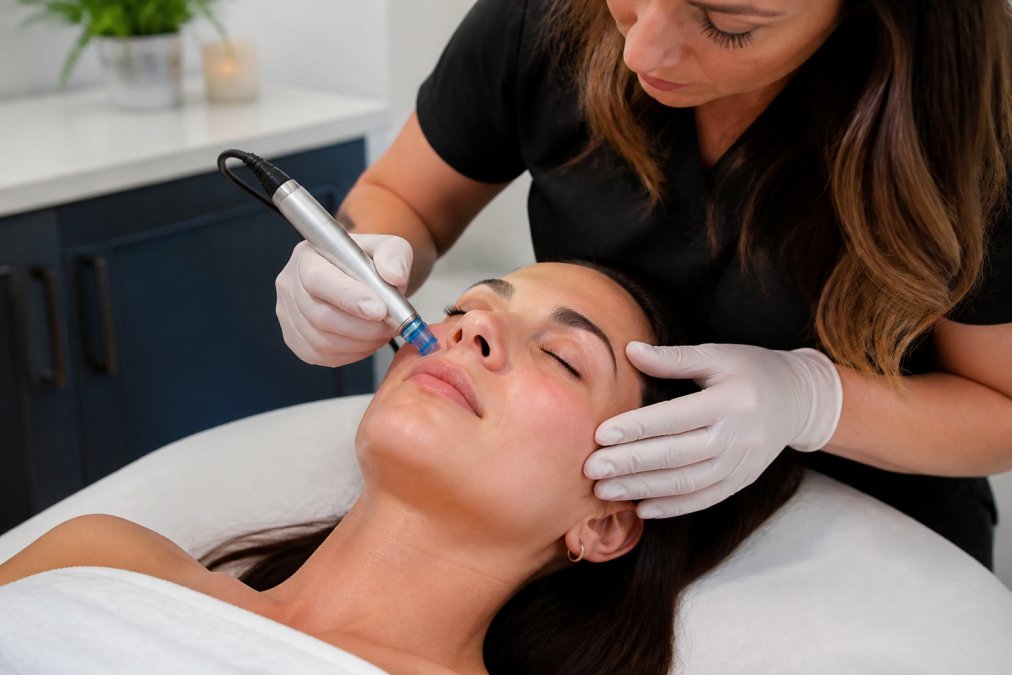
Professional microneedling treatments typically use needles 0.5-2.5mm deep. At-home devices use shorter needles (0.25-0.5mm) and deliver more modest results but are safer for self-use. Professional treatments show visible improvements within 4-6 weeks; at-home devices require 8-12 weeks of consistent weekly use.
Source Acupuncture offers microneedling and red light therapy, which can further stimulate collagen production, to support elasticity improvements. This integrated approach addresses multiple mechanisms of aging simultaneously.
Post-treatment care is critical. Avoid sun exposure, active ingredients (retinoids, vitamin C), and heavy exercise for 24-48 hours post-treatment. Use gentle cleansing and hydrating serums to support the healing process.
Microneedling improves elasticity, but results plateau after 6-8 treatments. Maintenance treatments every 6-12 months preserve results. The procedure is most effective when combined with sun protection, hydration, and dietary support.
Professional microneedling combined with red light therapy can produce faster elasticity improvements than microneedling alone. The two therapies can work synergistically to activate fibroblasts and increase collagen production.
Does Acupuncture Help With Skin Elasticity
Acupuncture addresses circulation, nervous system regulation, and systemic inflammation, factors that indirectly support skin health and elasticity.
Acupuncture improves blood circulation to the face, increasing oxygen and nutrient delivery to skin cells. Better circulation means fibroblasts receive more raw materials needed for collagen synthesis. Improved circulation also supports lymphatic drainage, reducing puffiness and improving skin texture.
Acupuncture also regulates the nervous system, reducing chronic stress and lowering cortisol levels. Elevated cortisol accelerates collagen breakdown and impairs collagen synthesis. By reducing stress-induced cortisol elevation, acupuncture indirectly supports elasticity.
The evidence for acupuncture’s direct impact on elasticity is limited compared to retinoids or microneedling. However, acupuncture’s effects on circulation and stress regulation make it a valuable complementary approach, particularly for people dealing with chronic stress or poor circulation.
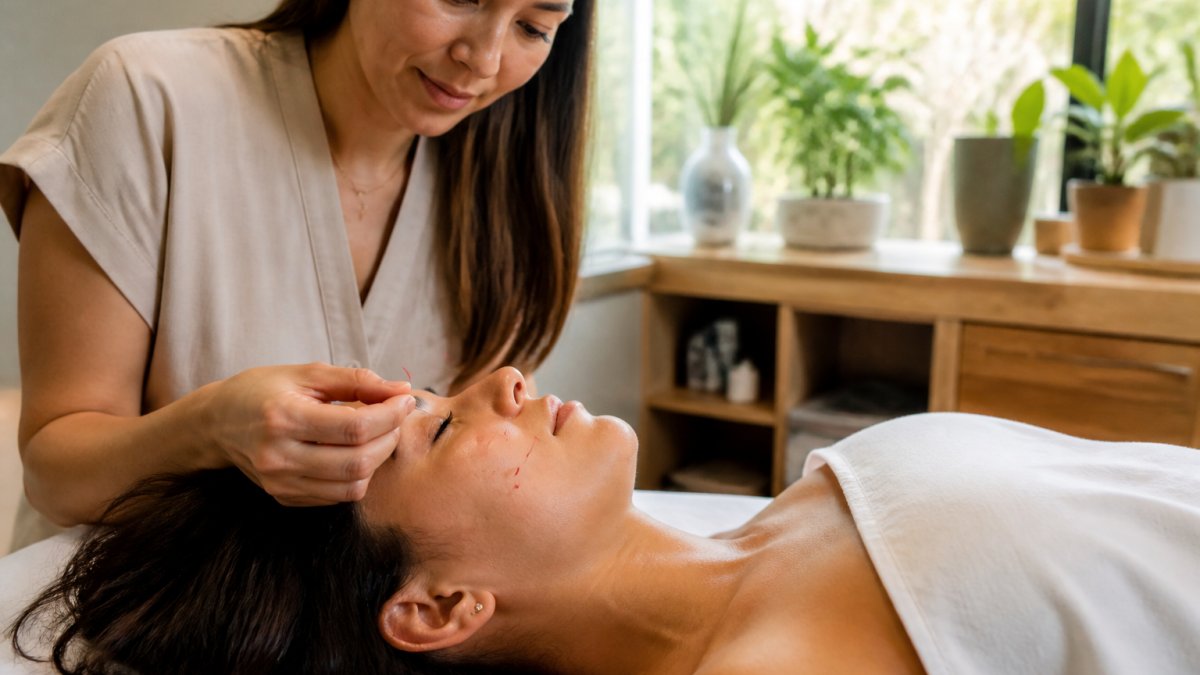
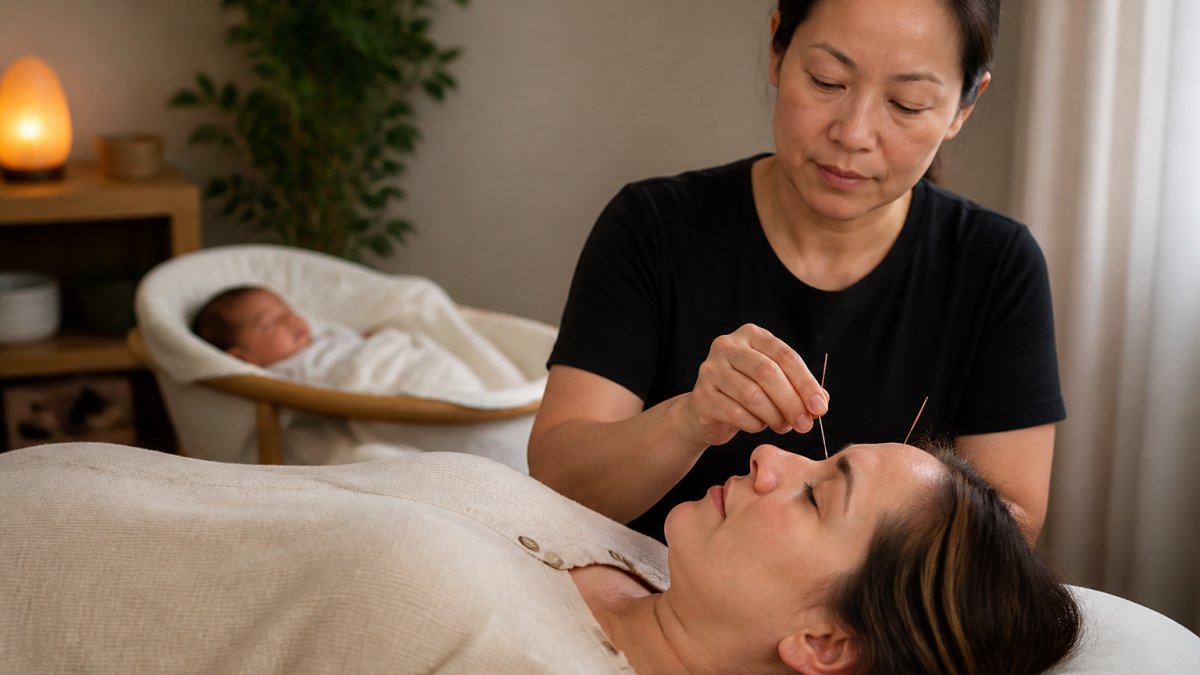
Cosmetic acupuncture specifically targets facial muscles and skin. Fine needles are inserted into specific facial points to stimulate collagen production locally and improve circulation to the face. A typical protocol involves weekly or bi-weekly treatments for 8-12 weeks, followed by maintenance treatments monthly. Most people notice improved skin tone and texture within 4-6 weeks, with elasticity improvements appearing over 8-12 weeks.
Source Acupuncture’s approach combines traditional acupuncture principles with modern understanding of skin physiology. Practitioners assess hormonal imbalances, stress levels, and systemic inflammation, factors that accelerate aging, and design treatment plans that address root causes rather than surface symptoms.
Acupuncture delivers gradual improvements over weeks to months, not dramatic immediate results. It’s most effective when combined with other interventions (hydration, sun protection, dietary support, topical treatments) rather than as a standalone solution.
Manage Stress and Cortisol to Preserve Skin Firmness
Chronic stress accelerates skin aging through multiple mechanisms. Elevated cortisol breaks down collagen and elastin, impairs the skin barrier, increases inflammation, and reduces blood flow to the skin. People under chronic stress visibly age faster, their skin loses elasticity, develops more wrinkles, and becomes duller.
Cortisol is a catabolic hormone that breaks down tissue. Chronically elevated cortisol shifts the body into a breakdown state where collagen degradation exceeds synthesis. Stress also triggers inflammatory cytokines that activate matrix metalloproteinases, enzymes that degrade collagen.
Stress also impairs sleep quality, which is when most collagen synthesis occurs. During deep sleep, growth hormone peaks and cellular repair accelerates. Poor sleep from stress means less collagen production precisely when the body should be rebuilding.
Practical stress management:
- Practice consistent sleep hygiene: 7-9 hours nightly in a cool, dark room
- Use meditation or breathwork for 10-15 minutes daily
- Exercise regularly, but avoid excessive high-intensity training when stressed
- Prioritize social connection and time in nature
- Consider acupuncture or massage for nervous system regulation
Some people notice skin improvements within 2-3 weeks of reduced stress, while others take 6-8 weeks. The benefit compounds over time, months of consistent stress management produce visible elasticity improvements as cortisol normalizes and collagen synthesis recovers.
research on cortisol and collagen degradation
Skin elasticity is the outcome of multiple factors working together: hydration, collagen synthesis, sun protection, cellular turnover, circulation, and stress regulation. No single intervention produces dramatic results. The most effective approach combines several methods.
Quick Comparison: Natural Elasticity Methods
| Method | Timeline to Results | Effort Level | Best For | Complementary Approach |
|---|---|---|---|---|
| Hydration & barrier repair | 2-3 weeks | Low | Everyone; foundational | Pair with retinoids or supplements |
| Dietary protein & collagen supplements | 8-12 weeks | Low | Protein-deficient individuals | Combine with topical treatments |
| Sun protection | Prevention ongoing | Low | All skin types | Non-negotiable foundation |
| Retinoids & antioxidants | 6-8 weeks | Moderate | Fine lines, texture, firmness | Use with SPF; add hydrating serum |
| Microneedling (professional) | 4-6 weeks | Moderate | Significant laxity, advanced aging | Combine with red light therapy |
| Acupuncture (cosmetic) | 8-12 weeks | Moderate | Stress-related aging, hormonal imbalance | Pair with dietary support |
| Stress management & sleep | 2-8 weeks | Moderate | Chronic stress, poor sleep | Foundation for all other methods |
The most effective approach to improving skin elasticity combines multiple methods. Hydration and sun protection form the foundation; without these, other interventions underperform. Add targeted dietary support and stress management next. Then layer in topical treatments (retinoids, antioxidants) and professional treatments (microneedling, acupuncture) based on your specific concerns and timeline.
Results compound over time. Three months of consistent multi-method approach produces noticeably firmer, more elastic skin. Six months produces dramatic improvements. A year of consistent practice can reverse years of elasticity loss for many people.
=== FAQ ANSWERS (audit these too, same rules) ===
[1] Q: What natural habits help tighten saggy skin?
A: Consistent hydration, adequate sleep, sun protection, and stress management directly support skin elasticity. Collagen-boosting foods rich in vitamin C, omega-3 fatty acids, and protein strengthen the dermis and epidermis. Regular exercise improves circulation, delivering oxygen and nutrients to skin. Limiting sugar intake reduces glycation, which damages collagen fibers. Combined, these habits address the biological factors that compromise skin firmness and elasticity over time.
[2] Q: Can you restore lost skin elasticity naturally?
A: Yes, but the extent depends on how much elastin and collagen have degraded. Natural methods like hydration, dietary support, topical retinoids, and professional treatments such as microneedling and acupuncture stimulate collagen synthesis and cellular turnover, gradually improving skin firmness. Results take weeks to months. Advanced sagging may require complementary professional treatments. Consistency matters more than any single method; a combined approach yields the best outcomes.
[3] Q: Which vitamins and nutrients are essential for skin elasticity?
A: Vitamin C supports collagen synthesis and protects against free radicals and oxidative stress. Vitamin A (retinoids) accelerates cellular turnover and strengthens the skin barrier. Omega-3 fatty acids maintain the epidermis and dermis hydration and reduce inflammation. Protein provides amino acids for collagen peptides and elastin fibers. Zinc supports wound healing and collagen cross-linking. Silica and hyaluronic acid enhance skin hydration and firmness. A diet rich in these nutrients, combined with topical treatments, maximizes elasticity.
[4] Q: How does stress impact skin elasticity?
A: Chronic stress elevates cortisol, which breaks down collagen and elastin fibers while impairing the skin barrier. This weakens skin firmness and accelerates visible aging. Stress also triggers inflammation, increasing free radicals and oxidative stress that damage skin cells. Managing stress through acupuncture, meditation, exercise, and adequate sleep reduces cortisol levels and supports skin resilience. Stress management is not optional for elasticity; it directly preserves collagen synthesis and prevents premature skin laxity.
Frequently Asked Questions
Q: What natural habits help tighten saggy skin?
A: Consistent hydration, adequate sleep, sun protection, and stress management directly support skin elasticity. Collagen-boosting foods rich in vitamin C, omega-3 fatty acids, and protein strengthen the dermis and epidermis. Regular exercise improves circulation, delivering oxygen and nutrients to skin. Limiting sugar intake reduces glycation, which damages collagen fibers. Combined, these habits address the biological factors that compromise skin firmness and elasticity over time.
Q: Can you restore lost skin elasticity naturally?
A: Yes, but the extent depends on how much elastin and collagen have degraded. Natural methods like hydration, dietary support, topical retinoids, and professional treatments such as microneedling and acupuncture stimulate collagen synthesis and cellular turnover, gradually improving skin firmness. Results take weeks to months. Advanced sagging may require complementary professional treatments. Consistency matters more than any single method; a combined approach yields the best outcomes.
Q: Which vitamins and nutrients are essential for skin elasticity?
A: Vitamin C supports collagen synthesis and protects against free radicals and oxidative stress. Vitamin A (retinoids) accelerates cellular turnover and strengthens the skin barrier. Omega-3 fatty acids maintain the epidermis and dermis hydration and reduce inflammation. Protein provides amino acids for collagen peptides and elastin fibers. Zinc supports wound healing and collagen cross-linking. Silica and hyaluronic acid enhance skin hydration and firmness. A diet rich in these nutrients, combined with topical treatments, maximizes elasticity.
Q: How does stress impact skin elasticity?
A: Chronic stress elevates cortisol, which breaks down collagen and elastin fibers while impairing the skin barrier. This weakens skin firmness and accelerates visible aging. Stress also triggers inflammation, increasing free radicals and oxidative stress that damage skin cells. Managing stress through acupuncture, meditation, exercise, and adequate sleep reduces cortisol levels and supports skin resilience. Stress management is not optional for elasticity; it directly preserves collagen synthesis and prevents premature skin laxity.
Get started with Source Acupuncture’s personalized approach to skin elasticity. Our practitioners combine cosmetic acupuncture, red light therapy, and microneedling with customized stress management and hormonal support to address the root causes of skin laxity. Book a consultation to develop a treatment plan tailored to your specific needs and goals.
This article was written using GrandRanker