
There’s a reason why acupuncture keeps surviving trends, tech upgrades and every new wellness craze that swears it has the answer. It works on systems in the body that most people don’t even realize are out of sync.
If you’ve searched ‘how does acupuncture work san deigo ca’, you’re probably less interested in the philosophy and more about how that can fix your issues.
In this guide, we’re breaking down the science, the real benefits, and exactly what happens during acupuncture sessions so you know what you’re walking into.
What is Acupuncture and How Does it Work?
You know that moment when your Wi-Fi acts up and nothing loads, even though the router is technically on? Your body sometimes does that, too. Signals are running, but they’re messy, overloaded or misfiring. Acupuncture works on that signal problem.
It comes from Traditional Chinese Medicine, which describes health as smooth internal flow. They call that flow Qi. When Qi moves smoothly, the body functions efficiently. When it becomes scrambled or uneven, discomfort and dysfunction may slowly creep in.
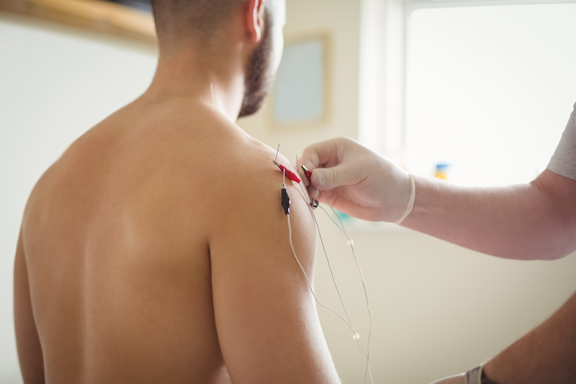
During treatment, very thin needles are placed into specific points that sit in nerve-dense areas. Those points act like access hubs. Stimulation from acupuncture;
- Prompts the brain to release natural pain-relieving chemicals
- Increases blood flow to tight or irritated tissue
- Eases muscle guarding that’s been stuck for weeks
- Calms an overactive stress response
It’s less about adding something new and more about clearing static. The needles spark a message, and the body responds by adjusting.
The Science Behind Acupuncture
For a long time, acupuncture was dismissed because it didn’t fit neatly into Western models. But today, institutions like the Mayo Clinic and the National Institutes of Health acknowledge acupuncture as a valid treatment option for certain pain conditions and chronic symptoms.
According to modern research, here’s what happens inside the body when you undergo the procedure;
- The needles stimulate sensory nerves under the skin.
- Those nerves send signals to the brain and spinal cord.
- The brain releases endorphins, which act as natural painkillers.
- Blood flow increases in targeted areas, delivering oxygen and nutrients that support repair.
This is how acupuncture works scientifically, by influencing brain chemistry and adjusting how the body processes pain and stress. Some scans show changes in areas of the brain linked to mood, tension, and discomfort after treatment.
If you need a simple way to picture it, think of it like rebooting your body’s internal communication system. The hardware is already there. The needles simply nudge it to function more efficiently. However, the results tend to vary.
Some people feel noticeable relief after one session, while others need a series of treatments before they notice any change. The difference often depends on how long the issue has been building and how responsive the nervous system is from the start.
Health Benefits of Acupuncture
With acupuncture, you might walk in hoping one symptom improves, then notice shifts in areas you didn’t even plan for. That’s not random. When one system in the body regulates better, like pain or stress response, others often follow because everything is connected.
That interconnected response explains why clinical reviews and health organizations like the National Institutes of Health and the World Health Organization recognize acupuncture as supportive for conditions tied to chronic pain, tension, and stress-related disorders.
Broadly, people seek it for:
- Pain relief for headaches, back pain, and arthritis
- Lower stress and anxiety levels
- Improved sleep quality
- More stable mood and energy
- Support alongside chronic health treatment plans
Now, let’s separate what that really looks like.
-
Physical Benefits
Acupuncture is often used for physical conditions where tension and inflammation have been hanging around too long.
Common physical benefits include:
- Reduced frequency and intensity of migraines
- Lower back pain that feels less sharp and less constant
- Eased joint stiffness linked to arthritis
- Relief from chronic neck and shoulder tension
- Reduced menstrual cramp intensity
- Softer muscle tightness after workouts or long desk hours
Research reviews show acupuncture can improve physical function in chronic pain conditions over time. That doesn’t mean instant elimination. It usually means the edge comes off and you can move better and recover faster.
-
Mental and Emotional Benefits
Acupuncture helps regulate stress hormones, which is why people often describe a deep exhale feeling after getting an acupuncture session.
The nervous system shifts out of high-alert mode. These mental and emotional shifts can include:
- Reduced anxiety spikes
- Calmer baseline mood
- Less irritability
- Clearer thinking
- Better emotional control
- Improved sleep linked to lower stress
Some studies suggest acupuncture may influence brain chemicals involved in mood. In practical terms, it helps the body stop sounding internal alarms all day. When the body feels safer, the mind settles. That’s the body-mind connection in action.
-
Wellness and Preventive Care
Regular sessions may support:
- Consistent energy levels
- Stronger resilience to stress
- Better recovery from physical strain
- Fewer recurring tension episodes
- Overall internal balance
It shifts the goal from fixing problems to maintaining stability. And once you feel what steady actually feels like, you stop wanting to go back to constant ups and downs.
What to Expect During an Acupuncture Session
Walking into your first appointment can make you really nervous. The word “needles” does that to people. The reality is far more calm and structured than most expect.
If you’re visiting an Acupuncture San Diego clinic for the first time, here’s what to expect in an acupuncture session;
-
Before You Arrive
Simple preparation:
- Eat a light meal a few hours before your session
- Avoid showing up overly full
- Choose loose, easy-to-adjust clothing
- Drink water as you normally would
- Bring details about medications or ongoing treatments
-
At the Appointment
The session starts with a conversation.
- You’ll discuss your main concerns and health history
- Your practitioner may ask about sleep, stress, digestion, or energy levels
- A treatment plan is explained before anything begins
Then you’ll lie comfortably on a padded treatment table in a quiet room.
-
Needle Placement
This is the part people worry about most.
- The skin is cleaned first
- Very thin, sterile needles are inserted at specific points
- Most people feel a light pinch, mild tingling, or a brief dull sensation
- Many needles are barely felt at all
It’s typically not painful and the sensation also fades very quickly.
-
During the Session
Once the practitioner places the needles, they step out and give you space to rest. You stay on the table for about 30 to 60 minutes while your body responds to the stimulation. Some people drift into a light sleep.
Others remain awake but feel their muscles release and their breathing slow down. You don’t have to “do” anything during this time. Your body handles the adjustment on its own while you simply lie there and let it recalibrate.
-
Aftercare
Once the needles are removed:
- You may feel relaxed, warm, or slightly energized
- Drink water
- Avoid intense workouts for the rest of the day
- Pay attention to subtle shifts over the next 24 hours
Local acupuncture practitioners in San Diego, like those at Source Family, focus on safe acupuncture treatments and clear communication throughout the process. If you’ve been wondering what to expect in an acupuncture session, expect calm structure, minimal discomfort, and a surprisingly grounded experience.
Is Acupuncture Safe?
The hesitation usually hits right at the word “needles.” After all, sharp objects and skin don’t sound like a relaxing combination.
But here’s the grounded answer. Acupuncture is widely considered safe when a licensed professional performs it. In regulated clinics, practitioners use sterile, single-use needles. They follow strict hygiene standards.
Most reactions, if they happen at all, are also pretty mild.
- A small bruise
- Slight soreness
- Temporary fatigue
- Lightheadedness if you came in hungry
Nothing too dramatic and these side effects are usually gone within a day.
Safety depends more on the practitioner than the practice itself. When you’re choosing someone, look for:
- Active state licensure
- Formal training in acupuncture
- Clean, organized treatment rooms
- Sealed disposable needles opened in front of you
- Clear explanations before and during treatment
An experienced acupuncturist in San Diego will walk you through the process without rushing and adjust based on your comfort. Clinics like Source Family emphasize safe acupuncture treatments through strict sanitation and steady communication. You should feel informed, not managed.
Before your session:
Do:
- Eat lightly
- Drink water
- Wear comfortable clothing
- Share medications and medical history
Don’t:
- Arrive dehydrated
- Plan intense workouts right after
- Minimize symptoms during consultation
- Ignore unusual discomfort
The needles look intense. The system around them is controlled and methodical. When done correctly, safety isn’t a gamble. It’s built into every step.
Acupuncture in San Diego: Finding the Right Practitioner
San Diego’s lifestyle looks effortless from the outside, but it demands a lot from the body. Long commutes, intense workouts, desk hours, and weekend adventures all stack tension in different ways. That’s one reason acupuncture and integrative wellness clinics have grown steadily across the city.
If you’re looking for the right practitioner,
Step 1: Verify licensing
In California, acupuncturists must be certified by the California Acupuncture Board for safety and professionalism.
Step 2: Assess the consultation
The practitioner should ask about symptoms, lifestyle, stress, and goals, and the clinic should feel clean and organized.
Step 3: Choose a philosophy
Some focus on quick relief, while others like Source Family takes a holistic approach that supports longer-term results.
If you’re comparing treatment options, here’s a simple breakdown:
| Treatment Type | Main Focus | Primary Goal |
| Acupuncture | Nervous system and circulation | Regulate pain and stress response |
| Massage Therapy | Muscle tissue | Release tension and tightness |
| Physical Therapy | Movement mechanics | Restore strength and mobility |
| Chiropractic Care | Joint alignment | Improve structural positioning |
Not all discomfort lives in the same place. Sometimes it’s tight muscle. Sometimes it’s joint alignment. Sometimes your movement patterns need rebuilding. And sometimes the nervous system is the one driving the noise. The right treatment depends on which layer is actually causing the friction.
If you’re in San Diego and exploring acupuncture, don’t just book blindly. Schedule a consultation. Ask how they were trained. Ask how often they’d expect to see you. Ask what progress realistically looks like. A good practitioner answers clearly and confidently, without selling you vague promises.
How to Know if Acupuncture is Right for You?
Your body doesn’t usually send dramatic warnings. It sends repeats. The same stiff neck every Sunday night. The headache that creeps in midweek. The crash at 3 p.m. even after decent sleep. You fix it for a day, maybe two. Then it’s back.
That pattern matters. Acupuncture might make sense if you:
- Keep getting chronic back or neck pain
- Get headaches that interrupt your plans
- Feel exhausted but can’t fully unwind
- Wake up tired even after a full night in bed
- Deal with cramps or muscle tension that keeps returning
- Manage a long-term condition and want added support
It’s not a last resort. It’s another way to help your system regulate instead of constantly reacting. Talk to your healthcare provider if you have complex medical concerns. If you’re in San Diego and ready to explore natural healing, acupuncture can be a smart next move.
Final Thoughts on Acupuncture and Natural Healing
Acupuncture continues to earn trust because it helps the body regulate by providing natural pain relief. Over time, many people notice reduced pain, calmer stress responses, better sleep, and steadier energy. The process feels structured and low risk, with results that build gradually.
Holistic health means supporting both physical and emotional balance. At Source Family in San Diego, treatments blend tradition with modern science to create safe, effective care designed for long-term stability.